Tag Archives: sun

Oribi Mom: Dark-backed Weaver Friends Are Everywhere You Know

“They’ve been right there in front of us the whole time, waiting for the sun.”

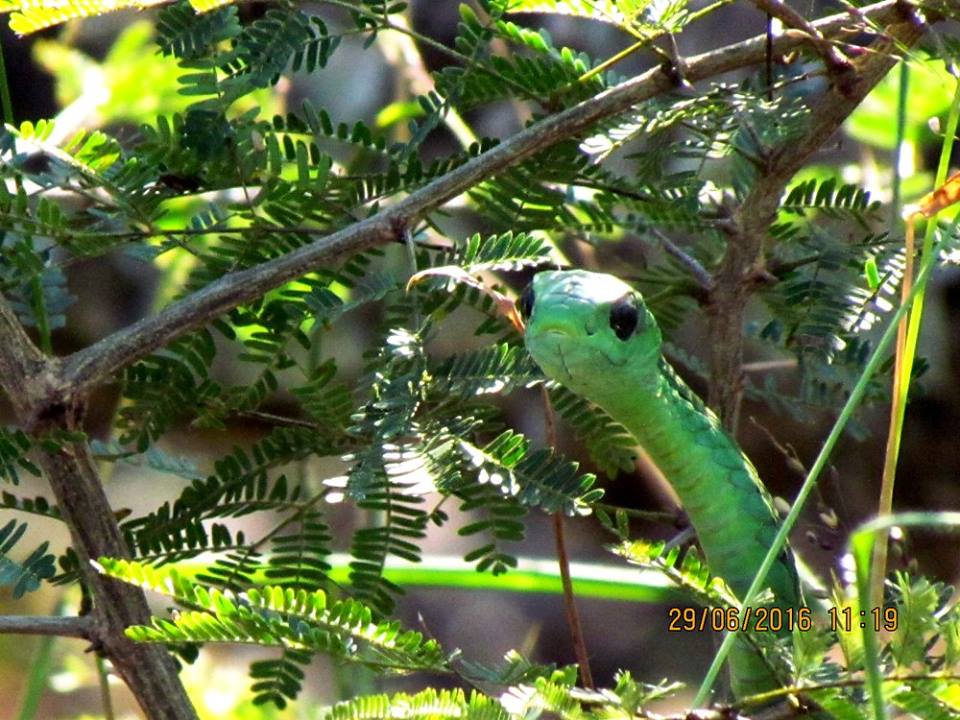
Have you ever heard the dark-backed weaver sing? That’s not a book title. They really have the most melodic singing you can hear for miles. It might be Oribi Dad’s favourite bird sound. Maybe because it took us a good long while to identify what bird it was coming out of when we first moved to the farm.

They’re tricky from far, especially in Echo Valley. You think it’s one tune, but when the bird flits closer, it sounds a bit different. It rises and falls, and then ends in this buzzing sort of noise, like a phone vibrating on a table. You also hardly see them in the thick bushes they sing from or if their backs are turned to you. Yet from the front and in the sun, they’re the brightest yellow – rivalling orioles and African emerald cuckoos. Against the dry winter brush, it’s really quite stunning.

Isn’t that so like some people we know? We meet them, masked in their dark brown coats with faces turned away from us. We hear their names but don’t remember. We wonder what others see in them at all. Then, one day, we hear their song and it makes us pay attention. Where is that coming from? We want to know more.

Sometimes, it takes us a while to figure out how this brown-coated interesting figure can produce such a clear and beautiful sound in the first place. Did we hear wrong? No, we think, as we hear that melody ring out a few more times. There’s something there worth discovering.

One day, we might even hear that voice and catch the owner turning to face us, just as the sun hits from over the gorge cliffs to the east. The sparkling yellow seems to light up the whole valley as the song rings loud and captivating from that tiny black beak. What a sight! What a talented package this is. How could we have missed that mesmerising beauty for so long?

It feels like that’s how friends are made sometimes. We see each other, really see each other. And we hear a song we can’t ignore any longer. Then, once we’ve seen and heard it, we suddenly start to see that person’s influence and worth everywhere we look. How could we possibly have missed it before? They’ve been right there in front of us the whole time, waiting for the sun.

Published here.

Travelinds Top 10: Beaches of Africa and Asia

Travelinds Top 10
Beaches of Africa and Asia

We are certainly beach people, ever happy with sand between our toes.  From Travelinds personal experiences, the following beaches are definitely in our top ten choices from around the world:

10. Blue Lagoon (Bali, Indonesia)

One of the little known Balinese beaches, this secret beach lies over the hill and around the corner from Padang Bai Harbour.  Blue Lagoon boasts a fascinating reef just a few steps into the water.  Walk to the beach from the harbour by heading up and over the steep hill on the eastern side of Padang Bai Beach Road, then grab a snorkel for a day of underwater relaxation.  We even saw eels and turtles in the little reef.  Be sure to support the local restaurants (there are two) as these owners keep the beach clean out of their own pockets.

20000101_080412

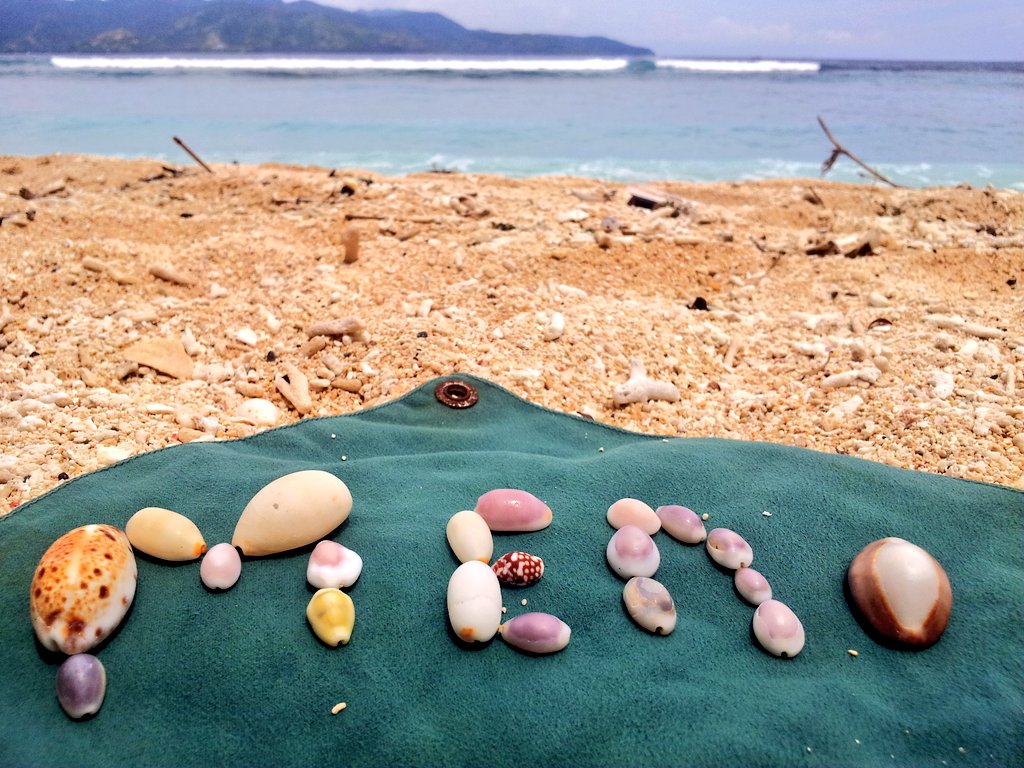
9. Gili Meno (Lombok, Indonesia)

One of our Indonesian favourites, the Gili Meno beach actually runs around the whole island (which is only about 1 x 1.5 kilometres).  At almost any point, you can swim out about 10 to 20 metres and hit the reef, so be sure to bring a snorkel and some fins and make the most of it.  We swam with turtles, lion fish and schools of fluorescent beauties every single day. Wish we could have stayed longer!

Gili Meno Cowries

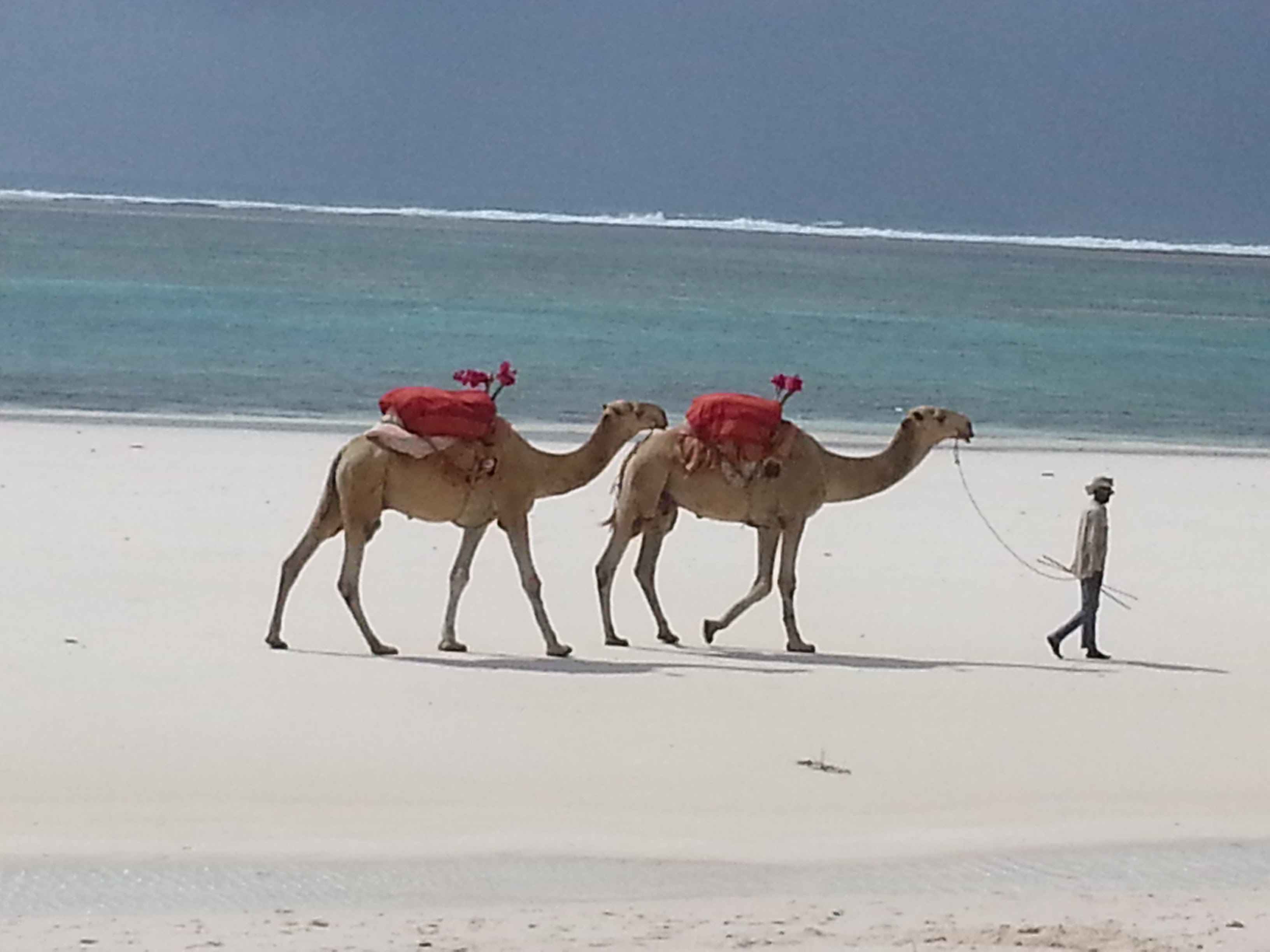
8. Diani Beach (Mombasa, Kenya)

A ten kilometre stretch of fine white sand,  gorgeous Diani Beach was definitely our favourite beach in Kenya, with neighbouring Tiwi Beach a close second.

Camels Diani Beach

7. Linapacan Islands (Linapacan, Palawan Province, The Philippines)

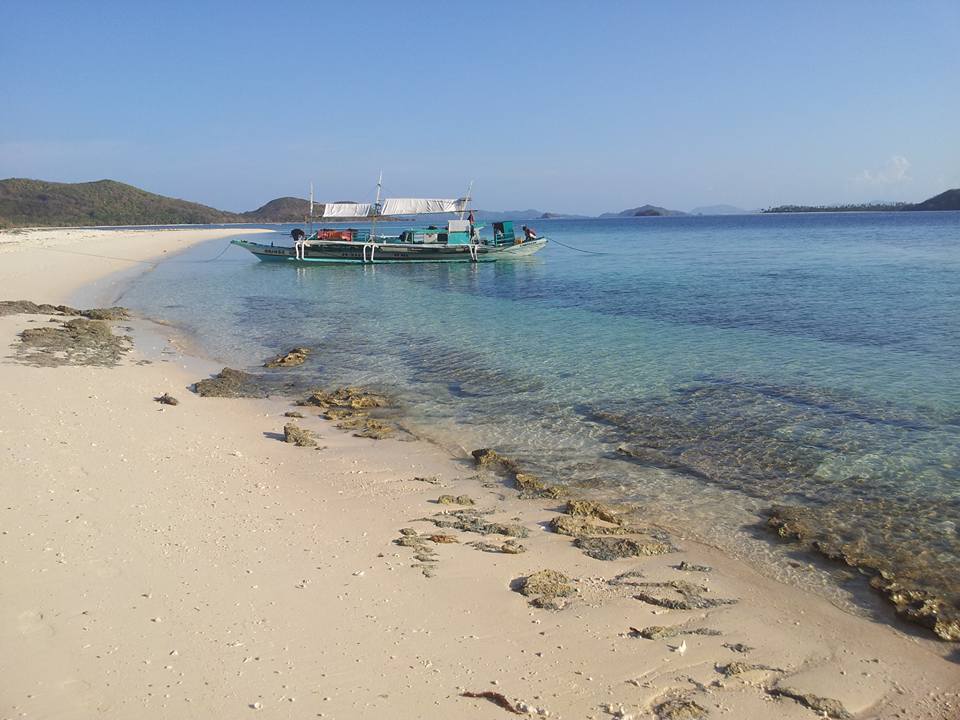
A whole archipelago of tiny islands somewhere between Coron and Palawan mainland,  each island with wondrous beaches and its own reef right off the shore.  How could we choose just one beach? Check out some of the names and descriptions from our fantastic four-day island hopping tour on the Brinze Kylene Expedition.

13226657_10154430942141992_3771460138809989361_n

6. Barra Bay (Barra Peninsular, Mozambique)

A Northern beach of Mozambique, there is little about it we did not adore. Warm, flat ocean and stretches of Barra sand with smiling locals and coconuts for sale.

img04
Photo credit: Barra Resorts

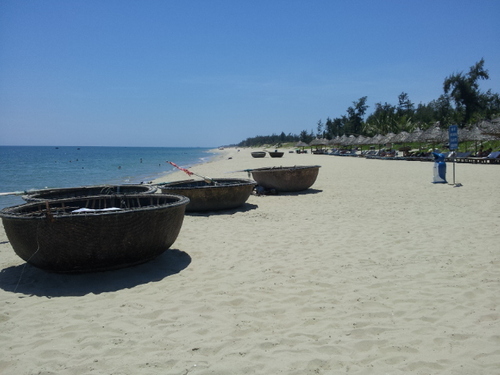
5. Anbang Beach (Hoi An, Vietnam)

In Central Vietnam, Anbang is a distinctive beach, which is perfect for lazy swimming days and scrumptious lunches at the local chain of restaurants.  We cycled over from Hoi An. Buy drinks from the restaurants and have access to lovely thatched umbrellas or wooden booths, especially helpful to escape the midday heat.

An Bang Beach

4. White Beach (Moalboal, Cebu, The Philippines)

On the western peninsular of Cebu, parallel to a long, beautiful reef, white beach is another gem in central Philippines.  Truly, one of the most superb coral reefs in the Philippines, the Moalboal reef (stretching all the way off White Beach  to Panagsama) is well worth taking your own snorkel to to swim out whenever you want.

Malapascua Island
Malapascua Island

3. Mawun Beach (Lombok, Indonesia)

The long stretch of Mawun white sand that lines a peacock-blue bay, perfect for long morning swims.  A fleet of tiny fishing boats floats upon sparkling, clear water sits to one side of the bay. Take a motorbike to get there from Kuta and be sure to take some cash to support the local vendors and family restaurants.

Mawun Beach

2. Sempang Mengayau – Tip of Borneo (Sabah, Malaysia Borneo)

Soft white sand borders the Sulu Sea of the Sabah Dog’s left ear. A secluded stretch of paradise all to ourselves is only one of the beautiful beaches in this area.  It was 7 days of bliss.

1972463_10152748682781992_589674809_n

1. Mabibi (Kwazulu-Natal, South Africa)

The place where Travelinds began their journey together on the Elephant Coast, part of the rugged Kwazulu-Natal coastline in South Africa. Look out for turtles laying their eggs along the dunes and whales passing by the north coast beaches.  Walk for kilometres and breathe in pure African air.  The Mabibi campsite is rustic, no electricity (except in the cabins) and hot water for showers in the communal ablution block.  Nearby, Lake Sibaya is absolutely breathtaking. This is our number one favourite beach in the world – by far!


Photo credit: Mabibi Campsite


Where is your favourite beach?

Hlatikulu Bush Lodge, iMfolozi-Hluhluwe

JULY 2016

Photo Credits:  Wendy Buchanan (thanks, mom!)

A while ago, Travelinds told you about one of our favourite game reserves in Kwazulu-Natal – iMfolozi-Hluhluwe National Park.  The few days spent at Nselweni Bush Lodge was a great family holiday and we couldn’t wait to go back again!  This time we tried a new hideout – the Hlatikulu Bush Lodge!

13769451_10157119262840291_8995990913587496907_n

Hlatikulu Bush Lodge

This was a good surprise as we had only booked Hlatikulu in a rush to secure accomodation in an already full reserve.  However, as soon as we arrived, after navigating the jolting 4×4 route to get to the lodge, we realised that we had made yet another magnificent discovery!
The bush at your door
The camp is beautifully maintained by Siyabonga and New Year, both of whom have been there for ages and visibly love what they do. Right on the riverbend, with no fence, the animals and birds come and go as they please.  All around the camp are tweets and chirps, grunts and growls, spoor and feathers and evidence of life.
The deal

The camp can accomodate eight people at most, in four lovely huts (each for two people), all of which boast views of either the river or the bush.  The booking includes… (wait for it!)… TWO bush walks with Siyabonga and his gun (2-3hours, one morning, one afternoon) for every night that you stay.  New Year will cook any food that you can bring (and he will insist on setting up AND cleaning up everything in the communal lounge and diningroom himself, too). These two wonderful humans keep the huts immaculately clean and look after you while you simply relax and enjoy the wildlife.

13697057_10157119315235291_4857569789511689644_nNature up close
The resident bushpig, Georgina, can get a little persistent in the evening, but please, do not feed her even if she follows you down the boardwalk or begs.  There are also hippos, crocodiles, lions, elephants, buck and other creatures that roam in and out of the camp at their leisure – look around when you are outside and do remember that you are living in the real African wild now!

We fell asleep each night to lions roaring, hippos grunting, hyenas laughing and melodious nightjars. Early mornings wake up to birds singing and nyalas crunching grass right outside our windows.
A different perspective

The bush walks were also well worth the effort and if you do what Siyabonga tells you, you’ll be in good hands. He’s an experienced game ranger and takes his job, and your safety, seriously.  The animals are wild and unpredictable, especially where humans provoke and disrespect the natural order of things.  It is our responsibility to preserve and care for nature and a bush walk is a great way to remind yourself of your roots.13699980_10157123764390291_2516487894411405346_n

Hlatikulu, we’ll be back!

Read more reviews here.13690805_10157119327665291_1327660552813445550_n

Rhino Card

Use your rhino card to receive discounts on day fees, accomodation and more.  It was worth it for us to buy the card (for a couple) just to cover our day fees during the week here.  Ezemvelo KZN wildlife is also a great cause to support!


Travelinds Top 10: Beach Travel Items

Travelinds Top 10

Beach Travel Items

Travelinds has experienced a range of different beach trips and the following are items that we really cannot go without aside from swimsuits and suncream (*cue drum roll…*):

1. Sarong

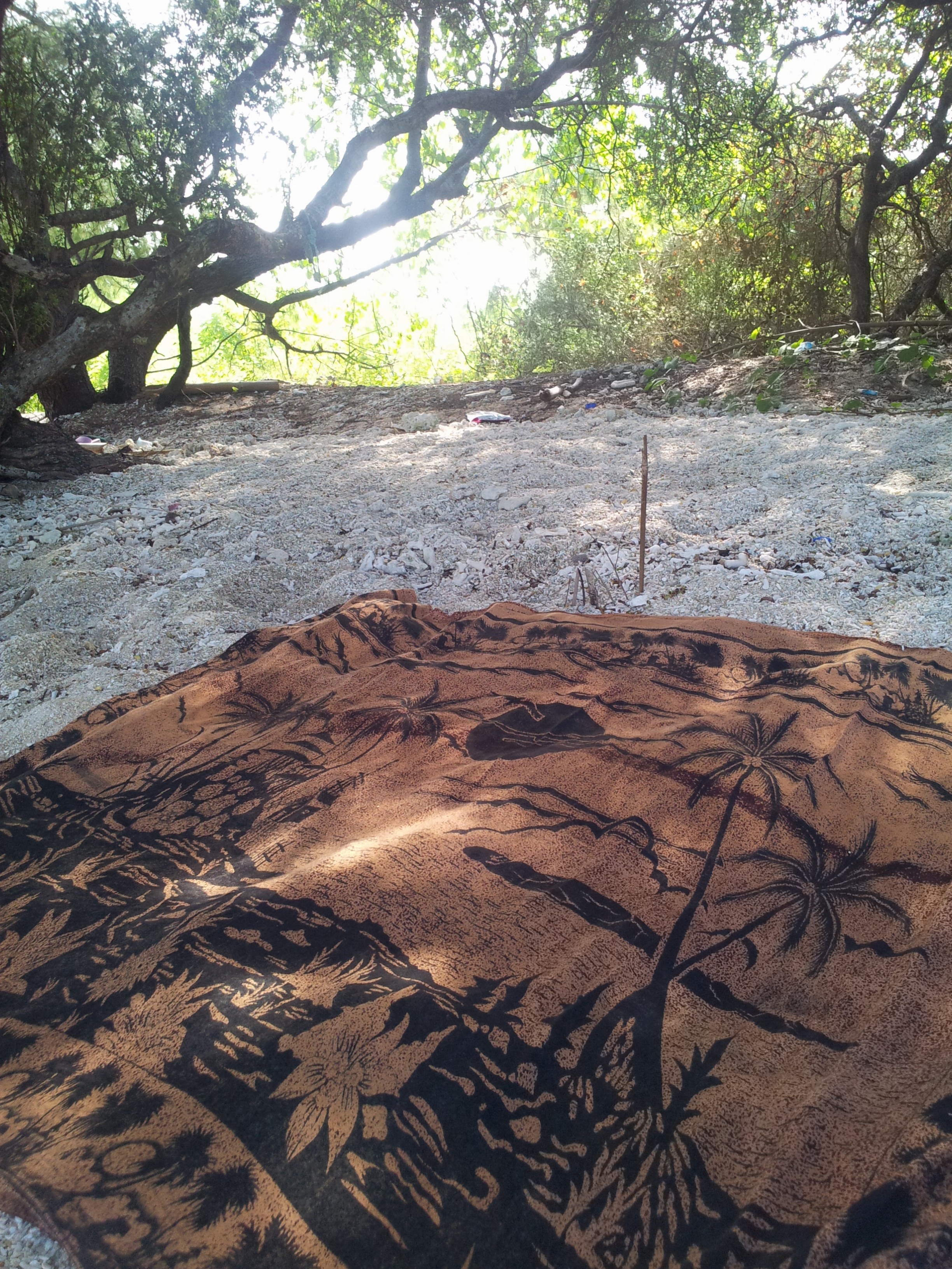
It’s versatile, light-weight and easy to pack into a small space.  Sarongs are good as a towel, a sun cover, a beach blanket, clothing and a cover against mosquitoes in the evenings.

2016-04-19 09.22.17

2 Hat

Hats are an obvious item, but also one that saves a face from a world of pain and long-term sun damage.  Hats can generally be easily replaced if forgotten or lost, except on isolated tropical islands like we visited in the Philippines.  Hats protect your face against the sun and rain (and cover a bad hair day, too!).

20150819_113507

3. Sunglasses

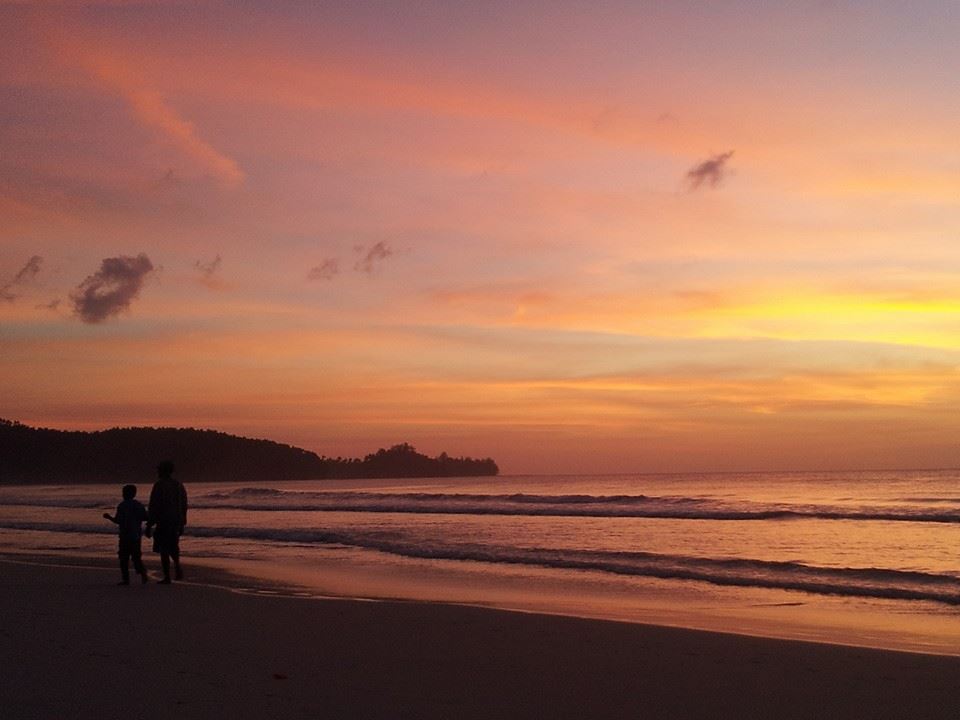
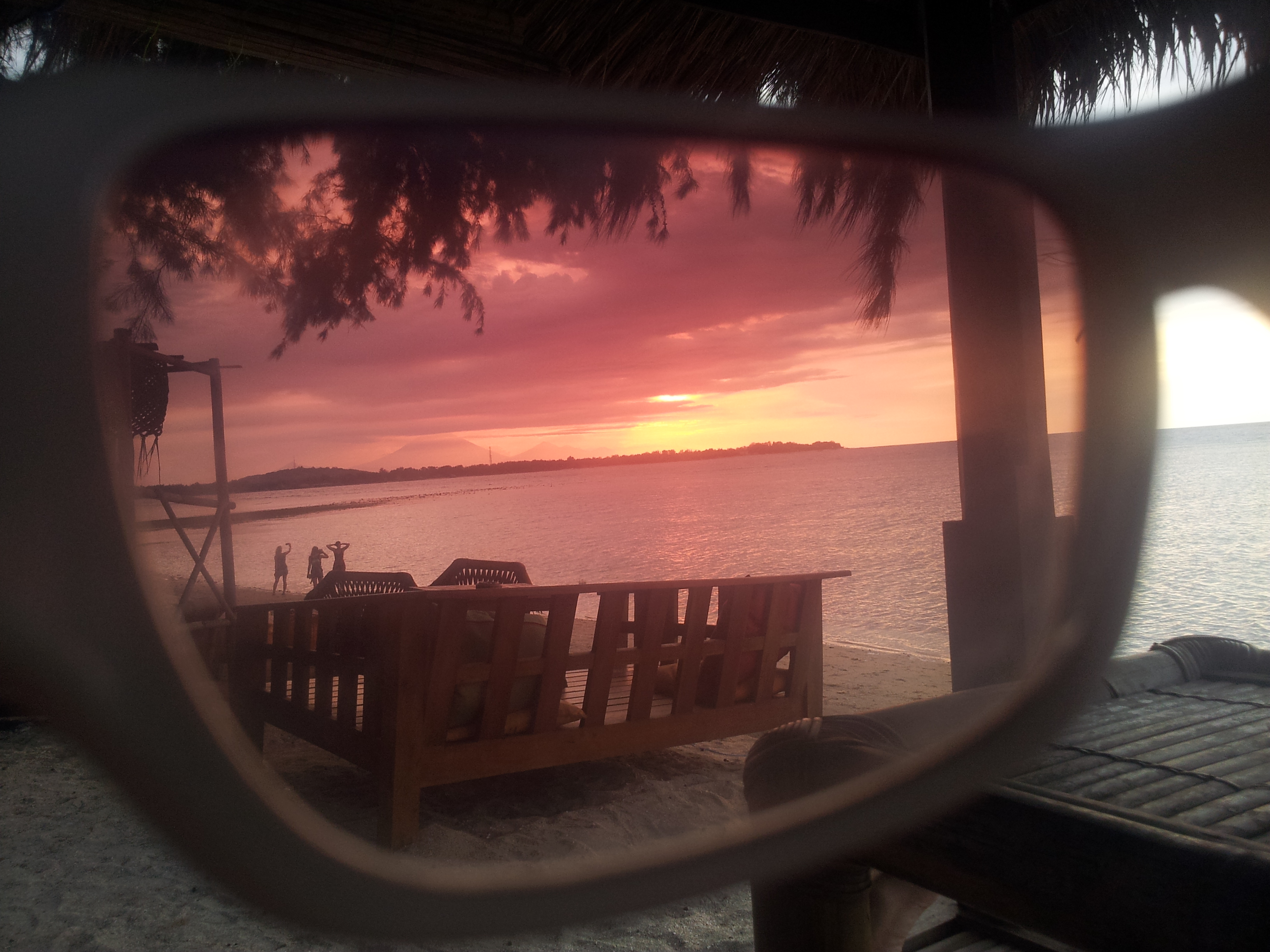
Light-coloured eyes will thank you for some extra protection from the harsh glare of the sun.  They are also quite stylish, if you’re into that sort of thing, and, without sunglasses, you wouldn’t be able to take an amazing sunset photo like this one in Gili Air…

Sunglasses sunset

4. Rash vest

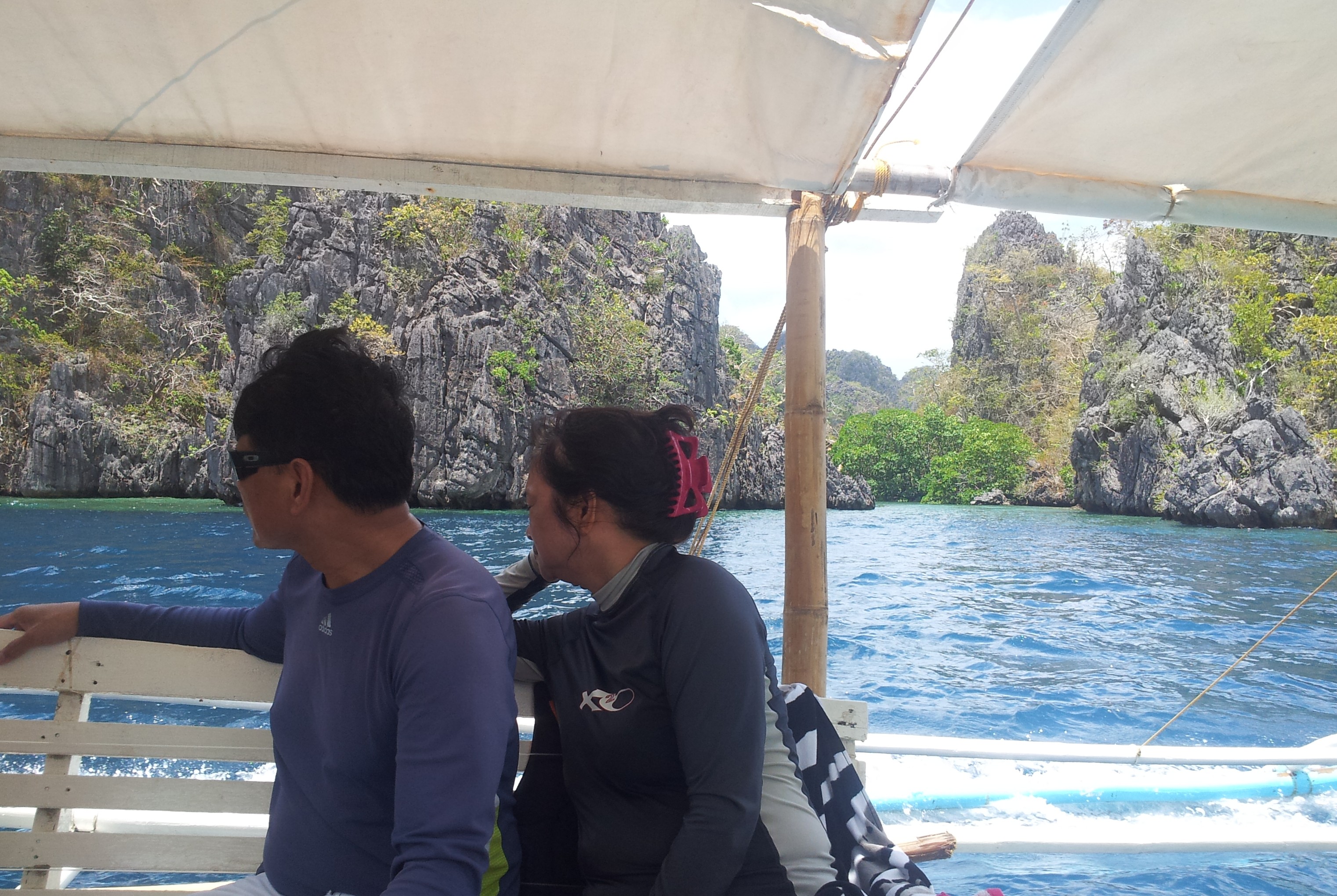
This is one of the best investments we’ve made for any water activities – good sun protection, as well as an extra guard against stinging water creatures and plants.

2016-04-26 11.23.33

5. Hammock

You can sit down, lie down, swing, sleep, read and daydream.  It keeps your feet clean, your books out of the sand and a breeze through your hair. You can string it up in the shade, anywhere, anytime. Also, your swimsuit can dry on both sides. What’s not to love?

Hammock

6. Snorkel and Mask

Having our own snorkel and mask with us has been a great idea.  It allows a lot more freedom to explore the underwater surroundings at each beach without having to rent it (or miss out completely).  It is also helpful to have some goggles (like the kind you’d use in a pool) as a backup for long swims.

Snorkel

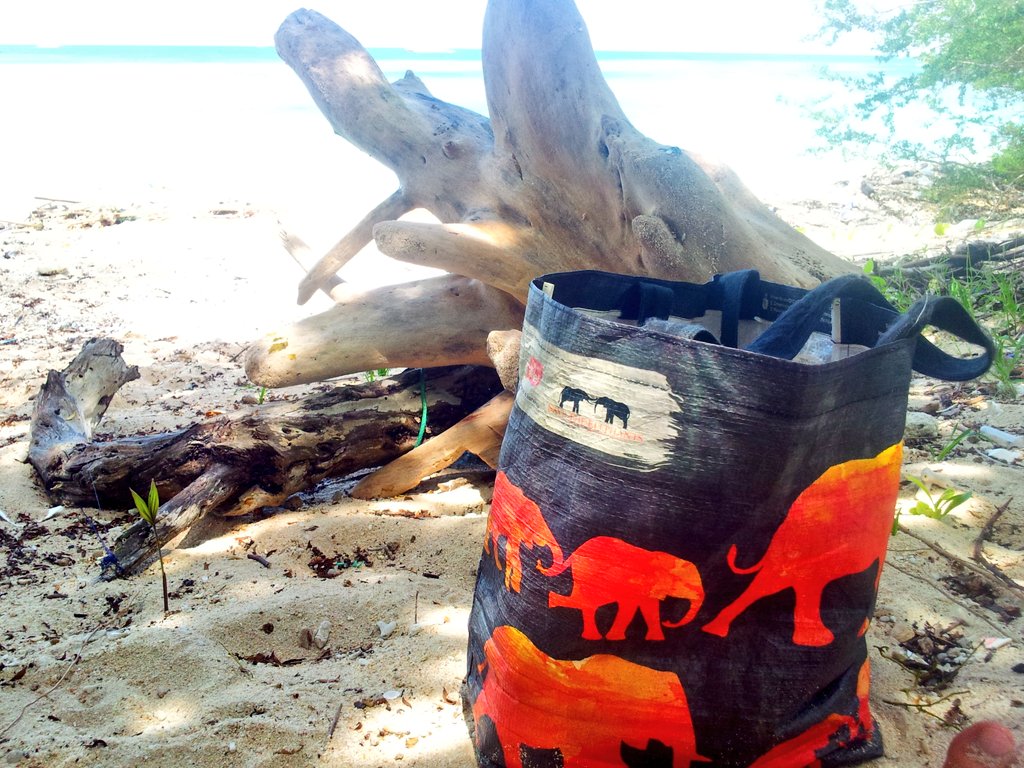
7. Dry Bag

Whether for a boat tour, a water transfer, a ski trip or a dive, the dry bag is usually a good idea to avoid general spray and the odd freak wave soak.  Cameras, cellphones, wallets and books will thank you later.

Dry Bag

8. Refill water

The amount of plastic in our precious oceans is shocking and disgusting, and we can make a difference every single day. Take your muggy along rather than buying plastic bottles along the way. Being environmentally responsible tourists is a daily choice and one of these decisions is to use water refill stations (or decant from large recyclable refills for the duration of your trip) rather than buying more plastic waste.  Incidentally, it will also save you money. For example, on Gili Meno (Indonesia), the price of a 1.5-litre plastic water bottle was 5,000 IRP and the price of a 19-litre (5 gallon) refill water tank was 22,000 IRP (excluding a deposit). That’s a 65% saving on the price per litre if you ditch the 1.5-litre bottles and choose the 19-litre refill instead (about 4 days worth for the two of us).

Water

9. E-reader

This little device has truly changed the way that I read both at home and abroad.  Travelling with it is easy and this means I read more wherever I am, at any time of the day or night.  Books are still amazing, but an e-reader allows me to carry around my whole library, use it at night in places without electricity and read more than one book at a time without taking up more precious space in my small backpack.  The world needs to read more – do your part!

20150925_085505

10. Camera

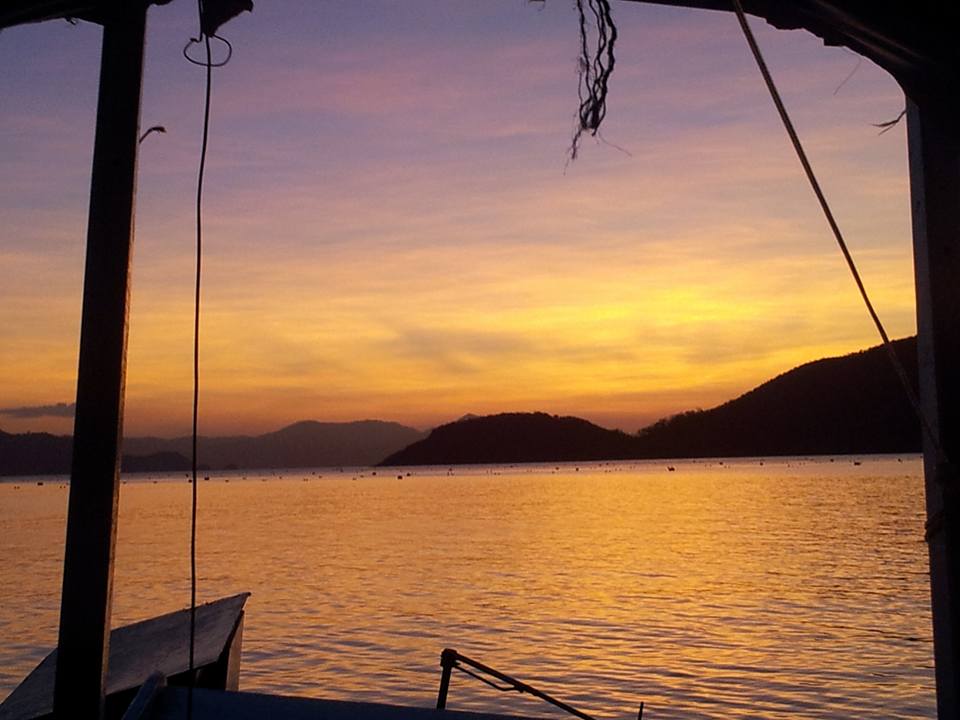
Obviously, a camera is an essential item to capture the beauty of all your travel destinations, like this sunset at the Tip of Borneo.  You can share it with others, and refresh your memories as the years go by.  Together with a dry bag or sand-friendly cover, keep some extra batteries and a universal adapter so you can recharge it easily.

camera

Armed with Travelinds Top 10: Beach Travel Items you are ready for any beach in the world – and there are some breathtaking beaches out there, no matter where on God’s beautiful green earth you go!  Check you on the flip side.

What are you favourite beach travel items? Travelinds would love if you left us a comment below!

If you liked this post, check out Travelinds’ post

Tips for Travelling in South East Asia

The Brinze Kylene Expedition

May 2016

An amazing end to life on some Philippine islands, our Brinze Kylene expedition took us from San Miguel, Linapacan and ended at Sibaltan on the Palawan mainland.  Read about how we came to meet them here.

The Hosts

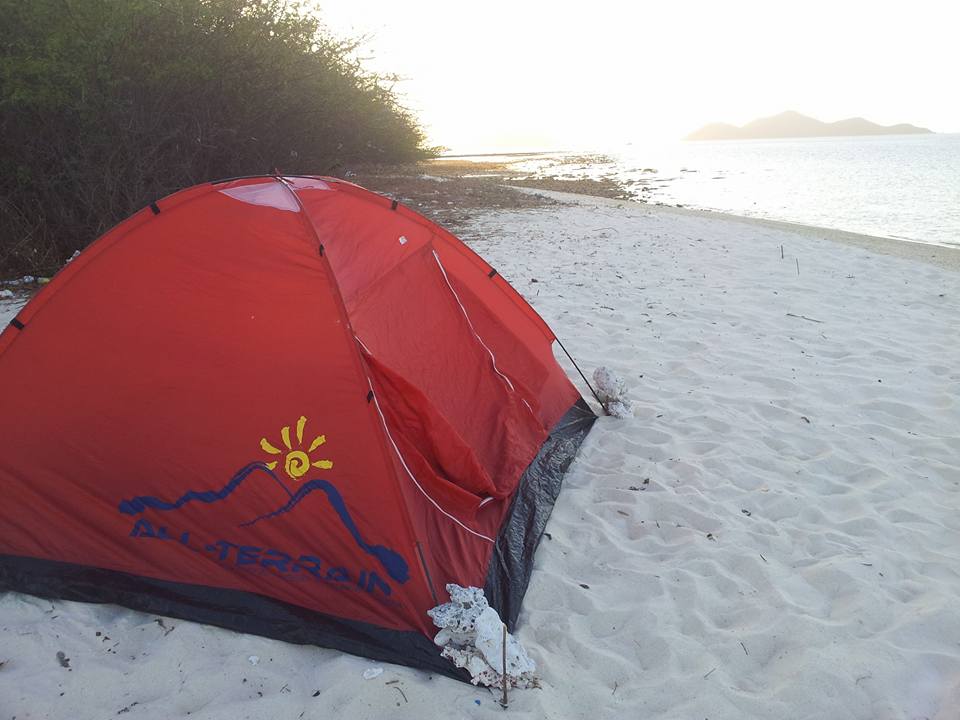
Our hosts Benji and Maileen were entertaining and hospitable, looking after us throughout our stay in Linapacan, as well as on the island hopping tour.  Their service was phenomenal and so much fun. Their crew, Midel and Guerrero, seemed to have limitless energy and kept the boat running smoothly through the whole trip.  They cooked for us, put up and took down our tent, found us the most exquisite coral reefs along the way and entertained us each night around an impressively large bonfire.

The Boat

13233135_10154430961021992_3579010132289694508_n

Since we spent most of our time on the boat, it serves that it was rather comfortable and well-equipped for such a simple carrier.  Described as a catamaran-style with balancing beams on each side, it had benches, a small cabin, a tarpaulin covering, a ladder to get out of the ocean and a small boxed-in toilet and wash area.  Downright luxurious in terms of the local fishing boats!

The Food

Every day in the Philippines is another chance for fish and rice.  Different fish, mind you, but fish all the same and rice to fill in the gaps.  We loved the fresh seafood and feasted on lapulapu, barracuda, squid, white fish and tuna – all barbecued over a fire and served with a decent portion of sticky white rice.  Every now and again we ate the precious commodities called vegetables (cabbage, carrots, tomatoes, peppers and cucumbers) and this was a real treat for the locals and for us as availability is scarce.

13230172_10154430943261992_8846434460380865170_n
The three kilogram barracuda we bought from another fisherman.
Fish
Lapu Lapu fresh from the ocean.
13239469_10154430943306992_2662602046951273251_n
A peacock mantis shrimp that we caught and ate!

And Most Importantly, The Islands

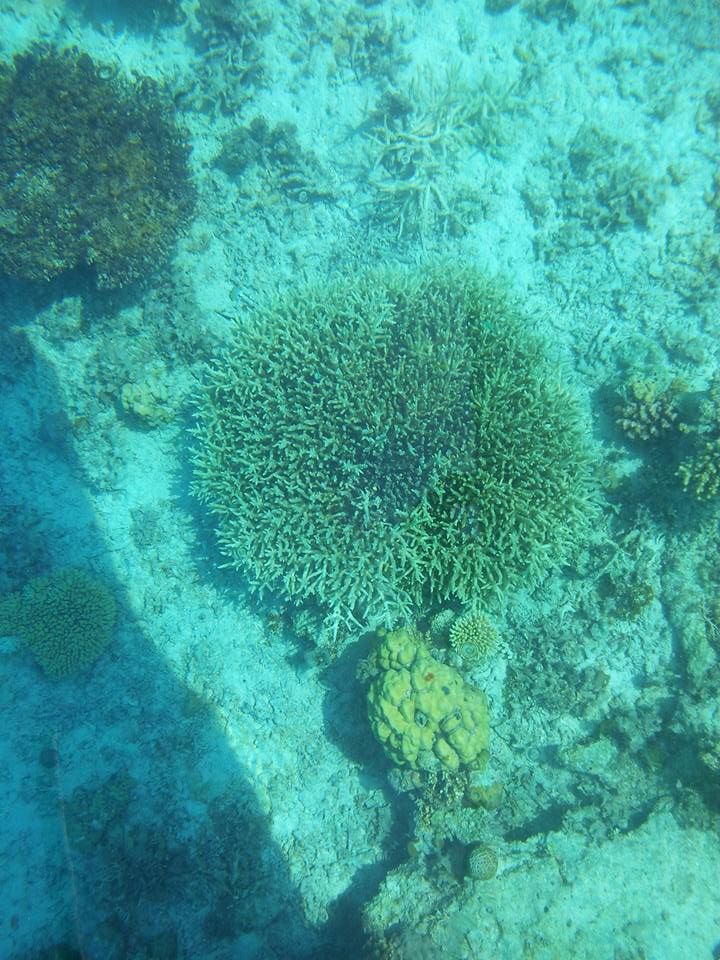
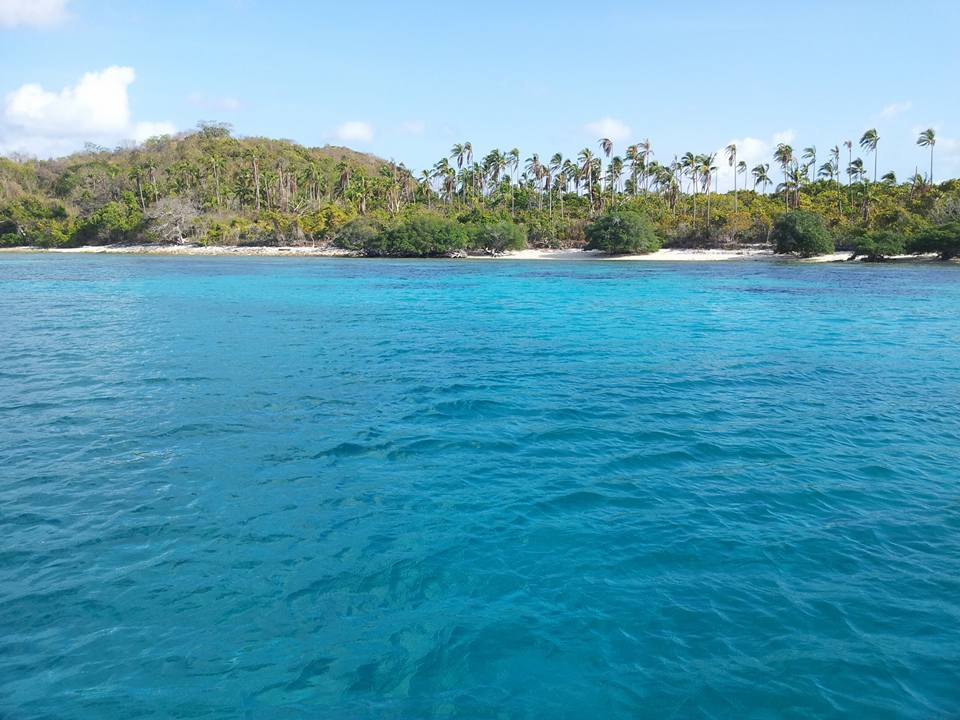
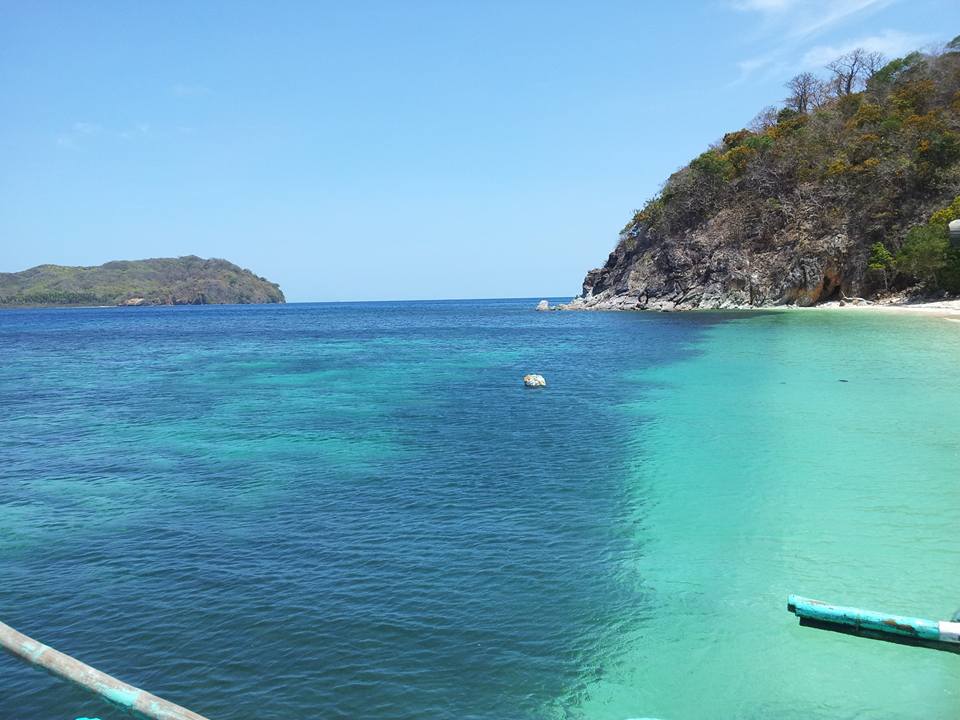
The archipelego of 54 islands is hard to describe because each one is slightly different to the next, sparkly, beautiful, rugged and unspoiled by industrialisation or development.  We lost count of exactly how many islands we visited in the end, but managed to go at least 15 islands on during the 4-day trip.

Linapacan is said to have some of “the clearest water in the world” – we believe it! Check it out.

Here was the itinerary:

  • Day 1: Leaving from San Miguel, to Dimancal (check out Karel’s tent resort here),  Bolina, Manligad, Asis and Cagdanao (first island camp spot)
    • The island across the bay, Balenben, had island huts available for rent at 300 Pesos in a fantastic reef area.
  • Day 2: Manlihan, Cala-cala (spelt Lacalaca) and Takling (second island camp spot)
  • Day 3: Calibangbangan and Magransing (third island camp spot – the most beautiful place we have ever seen!)
  • Day 4: Pical, Mausunon and ending at Sibaltan (mainland Palawan)

Each had coral reefs right off its shores and were almost guaranteed to be completely deserted.  Besides, don’t these pictures (from a humble camera phone) make you want to go there right now?  Call Maileen and Benji for an adventure on the Brinze Kylene!

13256446_10154430964386992_864560569200618743_n 13233134_10154430963356992_5743393770436027982_n 13226857_10154430942941992_6455827766503536829_n 13226657_10154430942141992_3771460138809989361_n 13263772_10154430935351992_2028392100685053319_n 13254277_10154430933981992_5199705393310428547_n 13256455_10154430934231992_8859874114631069839_n 13254162_10154430963466992_2960169019087778134_n

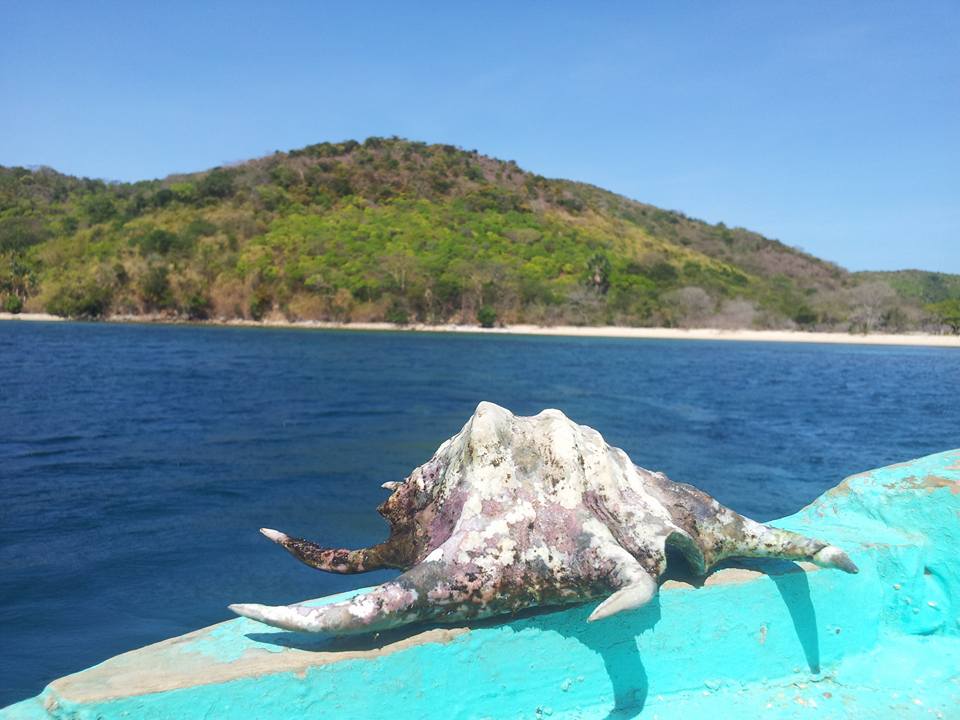
Philippine Shell

Linapacan is well worth your time – wow!  What do you think about Palawan?


Mabul Island

08 February 2014

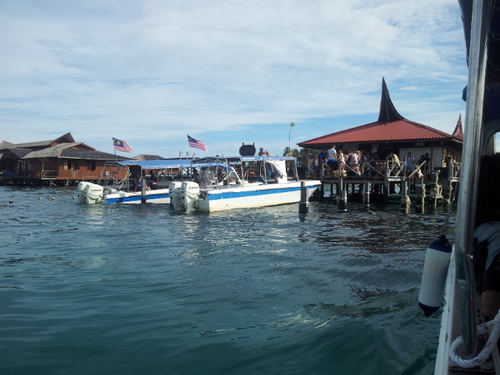
Day trip snorkelling tour to Mabul Island with Scuba Junkie. The most inhabited of all the surrounding islands, Mabul gives off an energetic vibe and it was clear to us that all tourists and locals here were passionate about the ocean and its mysteries, as well as protecting their environmental treasure trove.

Mabul Island

We snorkelled in three different spots for the day and ate lunch at the Scuba Junkie cafeteria (buffet style) at the beach resort. There were no swimming beaches on Mabul but there is a small white beach where you can suntan or rest in the shade of a few umbrellas.  The resort itself looked very nice – small wooden bungalows and pretty gardens.  Swimming is not advised as there as too many sea urchins, but you can snorkel with the dive operators from off the boats, a little further out.

The rest of the island contains other resorts, dive operators, local houses and some home stays – this is another option for staying on Mabul cheaply. It is advised to check out the home-stays in person before deciding and/or paying for your accommodation.  We were warned repeatedly that home stays are strictly “very basic” accommodation (bamboo huts/shared bathrooms/sleeping on floor) etc.

Best sightings for the day:

Hawksbill turtle, Blue spotted ray, a school of very large Trumpet fish, a group of Puffers, very large Green turtles (at least 20 of them for the day) and so much more!

Snorkelling spots:

We snorkelled along the drop off and also in the artificial coral garden. Lobster Wall and Panglima Reef were wonderful, so many turtles and many other interesting fish.  Artificial Reef was completely boring and the visibility was poor.

Transport tips:

If you are staying on Mabul, but not diving/snorkelling through Scuba Junkie, you can still use their boat as a shuttle between Semporna and Mabul.  It was only about MYR 50 and they do regular trips.  You can take your luggage with you on the boat to Mabul (and back again).

See more about Scuba Junkie here.


Scuba Junkie

5 February 2014

If you ask anyone in Sabah which dive operator they would recommend in the town of Semporna, Scuba Junkie is usually the first name on the tip of their tongues.  Semporna is the gateway to the underwater beauty of Borneo and its beautiful islands – among them the world-famous Sipidan island, said to be one of the world’s top diving sites!

Although there are a wide range of other dive operators in Semporna, we only had a few days here and did not want to waste precious hours looking at other options.  We went straight to Scuba Junkie when we arrived in Semporna and set up our next few days of snorkelling tours.

Upon arrival, we hadn’t done much research about which islands we wanted to see, but Kay at Scuba Junkie patiently took us through the options, cost and details of the trips so that we could decide on the best course of action.  Scuba Junkie

We ended up choosing to do three day trips – to Mataking, Sibuan and then Mabul.  Not being divers, we obviously couldn’t get in to Sipidan itself because this is a prime diving spot (only) and generally requires special permits, applied for ahead of your trip.  The other islands, however, are more than enough to provide breath-taking underwater scenes and a vibrant mix of colours in the reefs that are teeming with beautiful and odd ocean creatures.

The full day snorkelling trip cost MYR120 (as at February 2014) and included tea, lunch, transport, environmental fee, wetsuit, snorkel, fins and your dive master. Snorkellers go on the boat with the divers and snorkel in the same spots as the dive group.

After three days of AMAZING snorkelling, turtles, rays, acute sunburn, happy memories and so much more, we definitely recommend Scuba Junkie if you only have a couple of days in Semporna.  Our favourite island trip was to Mataking (a ‘northern’ island) as this was the most beautiful underwater scene of the three.  Mabul Island was also wonderful for seeing many large turtles, including the rare hawkbills!

You can find out more about Scuba Junkie online on their Facebook Page, TripAdvisor or the website.

See more on these snorkel day trips to Mabul IslandMataking Island and Sibuan Island.

Semporna

04 February 2014

Semporna is a very small city on the south eastern border of Sabah, Malaysia Borneo.  It is home to a wide range of cultural groups including Filipinos, Indonesians and Chinese Malaysians.  It relies on palm oil and tourism to sustain its economy.  It is best known for its association with some of the world’s most beautiful diving and snorkelling islands that lie just off the coastline.  Check out Travelinds posts on the gorgeous northern islands off Semporna’s coast – Sibuan, Mabul, Mataking and Timba-Timba.

First impression:

Upon arriving at this town via express bus, we were surprised to find a dirty, poorly maintained town with litter, water leaks and sorely evident poverty.  The overall vibe here was so different to that of other charming cities we had visited in Sabah and our sixth senses seemed to kick in to high alert.

Tourist attractions:

The only reason to visit Semporna is to use the town as a stepping stone across to the vast underwater beauty of its stunning coastline and surrounding islands.  Scuba Junkie are the dive operators of choice in Semporna.  The islands also boast fantastic white sandy beaches that rival the Tip of Borneo.

Getting here:

We took the Dyana Express Bus (from Sandakan MYR 40, about 6 hours, airconditioned, fairly comfortable).  The Dyana express bus terminal is only a ten minute walk down to the waterfront and boat jetty so the town is pretty small.  You could also take a taxi or intercity bus from Tawau (where the domestic airport is located), or an express bus from Kota Kinabalu.

Accomodation tips:

We stayed at City Inn (right next to the Dyana bus terminal, ten minutes walk from the jetty) for only MYR60 per night. It was clean, quiet, more reasonably priced than backpackers and comfortable. Trip Advisor reviews seemed a bit harsh for the value for money of this hotel.

Staying in Semporna and doing the dives/snorkel trips from there is highly recommended because it generally works out a lot cheaper than staying on Mabul Island.  There are also quite a few restaurant choices on the waterfront (unlike on Mabul Island) so this helps keep the budget in line.

If you are diving at Sipidan, however, you have to stay on Mabul Island or at Kapalai resort (this is usually arranged a little while beforehand though as things get booked up quite quickly).

The advice from a local dive instructor was that it was not really worth the money to stay on Mabul Island (no swimming beach, few restaurants, pricey accomodation) unless you were really into diving at a few of the exclusive spots.  For regular snorkellers/divers, like ourselves, it worked out better to stay in Semporna and take trips out to the islands every day.

Bus booking tip
If you are too tired or lazy to walk up to the Dyana bus terminal and book your tickets, there was a waitress at the Scuba Junkie restaurant who also does bookings for the bus from there.  She phones, books your seats, takes your cash and issues your official ticket. Helpful when it is the end of a long day of sunburn or passed office hours.

Turtle Point and Virgin Island

22 January 2014

Balicasag Island

Part of our snorkel tour included a couple of hours at Balicasag Island (off the coast of Bohol).  We started out with snorkelling and then headed on to the deserted stretch of beach in front of the island lodge to wile away a few hours of sunshine.

Balicasag Island has a tiny local population most of whom thrive off the tourism to the island by selling trinkets and running the small local food stalls where tourists can grab a bite to eat.  There is also a lodge on the island which looked quite peaceful. It is a very small island and you could walk around it in under an hour. There are shallow reefs right off the beach which means you have to take a boat out to the drop-off to be able to snorkel.

This is, of course, another money grabbing scheme (not only to ‘protect the reefs’) because you need to pay a local boy to take you out to the spot on his tiny boat.  He supervises you and then returns you to the shore where you can go back to your original speedboat.  We had to pay the boatman to take us out to turtle point (he rows) in this TINY two man boat (three of us) against a very strong current. Interesting, and fun.  And we were happy to be supporting his monumental efforts at transporting at least 160kgs of us to the Turtle Point.  It didn’t look that far, but it took a long time to row out there.

The snorkelling choices here were one of three places (we could do more than one if we paid an additional fee per snorkel spot). We chose to go to “Turtle Point” as it seemed the least likely spot to be filled with boatloads of tourists. As we had hoped, we were the only ones snorkelling there, probably due to the very strong currents that abound off that particular point.  H held on to the boat for a while to try and stay in one place longer to admire the underwater beauty and R managed to read the currents a little better.

The main thing is that we actually swam with turtles, H for the first time, and we saw at least 15 turtles altogether.  It was super exciting! Turtles are really the most graceful creatures and despite looking like slow-pokes, it was impossible to keep up with them. It was an amazing experience!

Virgin Island

Virgin Island

The next stop on the island hopping tour was Virgin Island (it’s nickname only) and this was truly one of the most beautiful islands I have ever seen.  White sand and the bluest water colour of any bay I’ve seen around the world – it is so difficult to describe that clear-sparkling-blue-cobalt-turquoise-perfection!

The island has no shade whatsoever, so take suncream, hats and sarongs to cover yourself.  You can walk across a shallow sandbank to a mini island with a few mangrove trees.  Be careful, the sun is hot and the walk is way longer than it looks! Dodge the sea urchins and marvel at the beautiful pansy shells and starfish that lie strewn across this stretch of sand.

It was the perfect place to end the day with an afternoon snack of bananas and bread rolls our well-deserved reward for reaching the other side of the sandbank. Stunning!

Looking for Secret Beach in Phi Phi, Thailand

26 August 2013

A Secret Beach? Yes please.

After reading Travelfish’s blog post called Koh Phi Phi Beach Getaways, we decided to try and find this “Secret Beach” while we were on Koh Phi Phi Don. It sounded simple enough to follow the instructions — walk here, turn there etc. However, in the end, we were glad to have taken along some lunch, water and gear on this “short hike.”

Secret Beach 1
Coastline road after Sunflower Bar

Find Phi Phi’s Secret Beach

We began the journey by leaving from Phi Phi beach. This was from Loh Dalam Bay, the one on the opposite side to the main port of Tonsai Bay. We headed towards Sunflower Bar as directed.

The tide was at its highest, so there was not much beach visible at all in the direction we thought we were going in. The instructions said to walk past Sunflower Bar on the back road. So, we headed over the bridge and kept along the coastline road up quite a steep hill.

The instructions then said to find a small path beyond the thatch buildings, but this seemed somewhat impossible with all the new construction happening. Someone was building a whole new resort here. It’s understandable, as the traveller had written the blog two years before.

Navigating these buildings with care, we reached the top of the hill and found ourselves in the middle of a new resort. We had to turn around. It was only when we got about half way back down the hill that we found our route to the Secret Beach — maybe.

1272314_10152368036841992_1365437797_oSecret Beach Hunt: Updated Instructions (and Some Tips)
As at August 2013, here’s how we got to Secret Beach on Phi Phi Don in Thailand:

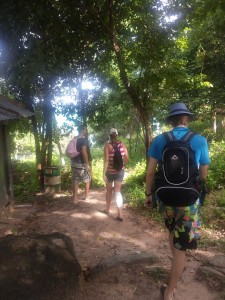
  • Head up the steep hill after Sunflower Bar. Be sure to look for a left turn about midway up the hill.  For us, this left turn was sign-posted by a small “Phi Phi Sea Sky” sign, nailed to a tree.
  • Head through a well-hidden pathway on the left. At the time, this path went between two building constructions towards the beach. Let it take you parallel to the beach.
  • Look for signs to Sunset Bay and Sunwaree Resort. Somewhere along this path to Secret Beach was where Travelfish mentioned that “a road appears out of nowhere.” It did, quite literally.

Note: We never did come across the 10 foot high rocky ridge that Travelfish mentioned. Maybe we missed something.

1262626_10152368036731992_1632840248_o

Secret Beach 4
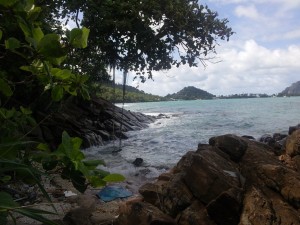
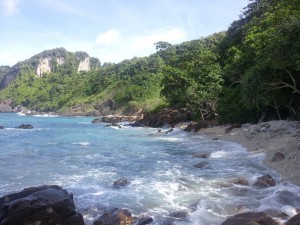
The rugged coastline at high tide.

Once you’ve located this path, keep to it. You’ll be walking alongside the ocean until you reach Sunset Resort.  Here, we headed down towards the beach and turned right to keep going along the coastline.

At this point, we started walking on the rocks and sand. At low tide, it might have been possible to walk the whole way to Secret Beach over rocks. However, at high tide, we had to go back up onto another steep pathway into the grass.

Keep Going: Secret Beach in Sight

Up the hill, we passed a sign that said, “Tonsai bay 20 minutes Phi Phi Outrigger.” When we reached a small Thai shack at the top of the hill, there was a meditating monk. We tried not to disturb him and carried on down another small path to the beach. There was a swing in a tree here!

Swing in the tree
Swing in the tree before the coral-covered beach

We clambered over some rocks at the bottom to get onto a coral-covered beach.  We had been walking for about two hours, mostly on the cliffs and pathways.

Just after the coral-covered beach, we breathed a sigh of relief. At last, we found Secret Beach. Of course, it only really opened up once the tide subsided. Then, it was absolutely beautiful! As described by our informative Travelfish guide, this discovery was so worth the tedious hike!

Finally! Time To Cool Down On our Secret Beach and Enjoy Phi Phi Don

We were the only people around and enjoy ourselves snorkelling, picnicking and relaxing in the shade provided by the only small tree on the beach. With so many cowries and other interesting shells to be found, time flew by. Reluctantly, we headed back to the main beach later that afternoon.

On the way back to Loh Dalam Bay, the trip was about a million times easier. We knew our way, so it was much quicker. Plus, it was low tide, so we could walk most of the way on the sand and rocks rather than going on and off of steep pathways or through the bush.

Do you only have a few days in Phi Phi? Make this a day trip for some great photo opportunities and some exercise.

Happy exploring!

Travelfish Phi Phi

Check out the original blog at Travelfish – Best Beaches in Phi Phi.