Tag Archives: environment

Oribi Mom: Falcon Power From the Wild, Wild, Wild Boys

It’s always a good thing to learn about our country’s wildlife.


February 21, 2025

The third small boy in our house has now hit the stage of tall stories, potty training, and screaming not to be restrained in the car seat.

He’s also got the advantage of superpowers much earlier than his older siblings who didn’t get to watch such advanced programming – nothing much beyond Peppa Pig, Bing, and Winnie the Pooh.

Now, It’s Wild Kratts, a highly educational wildlife programme that also happens to have baddies trying to steal or eat rare animals that need saving.

The Kratt brothers use their power suits with various animal powers to do that saving. By the end of the episode, you know all about the species, so I’ve shrugged off the superpower stuff mostly.

The Wild, Wild, Wild Linds

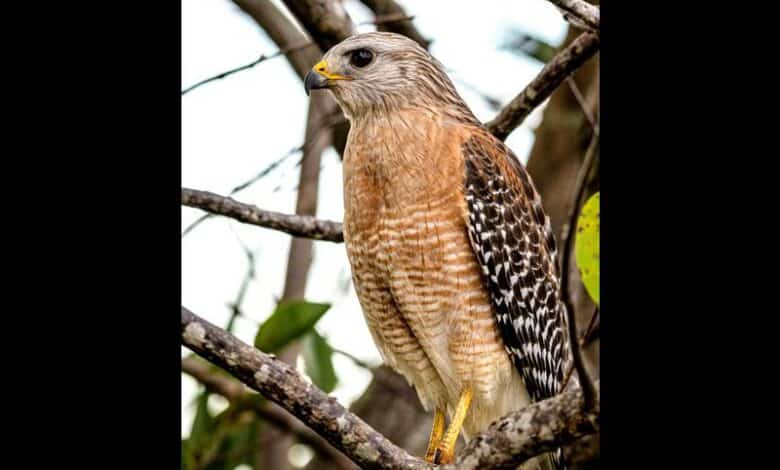
As a result, the littlest person in our family is now hitting his chest (the button on the power suit). He shouts, ‘Falcon power,’ and zooms from one end of the house to the other. And back again. Sometimes, it’s cheetah power, grasshopper power, salamander power, or any other of the number of species the Kratt brothers showcase on their show.

He’s learning about quite a wide variety of animals, I guess. I don’t know many other two-year-olds who can talk about falcons and actually know what they are and what they do. I could be wrong on that.

Anyway, if you hear me calling the boys, ‘Wild, wild, wild Linds’ you’ll know why. They’re basically Kratts.

I wonder if there will come a day when my sons are roaming the earth doing conservation work with rare species and developing their own power suits. It seems like that would be a great way to spend a life.

Meet the Kratt brothers and their wildlife show.

Published here.

Diani Beach Paradise

September 2016

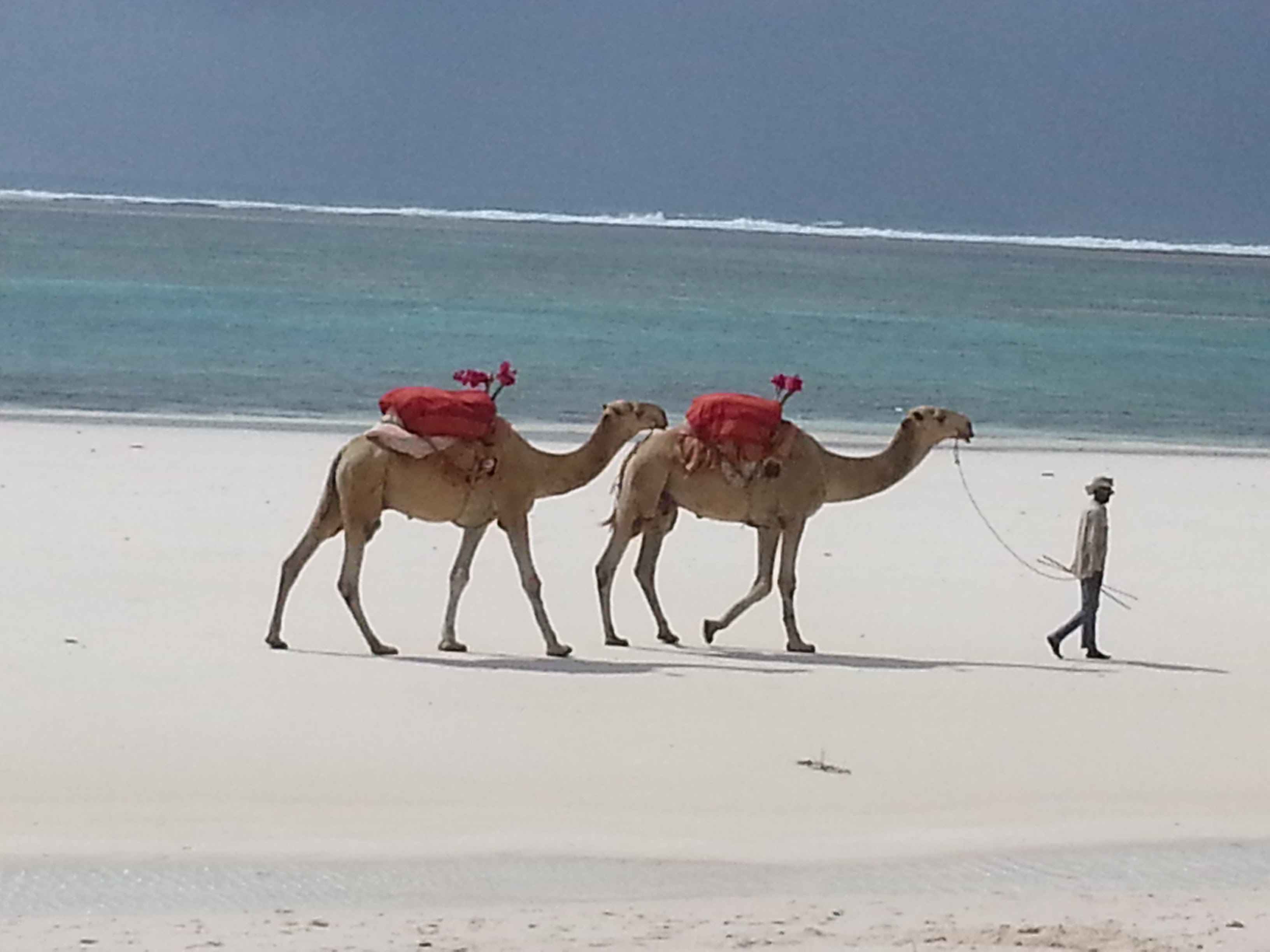
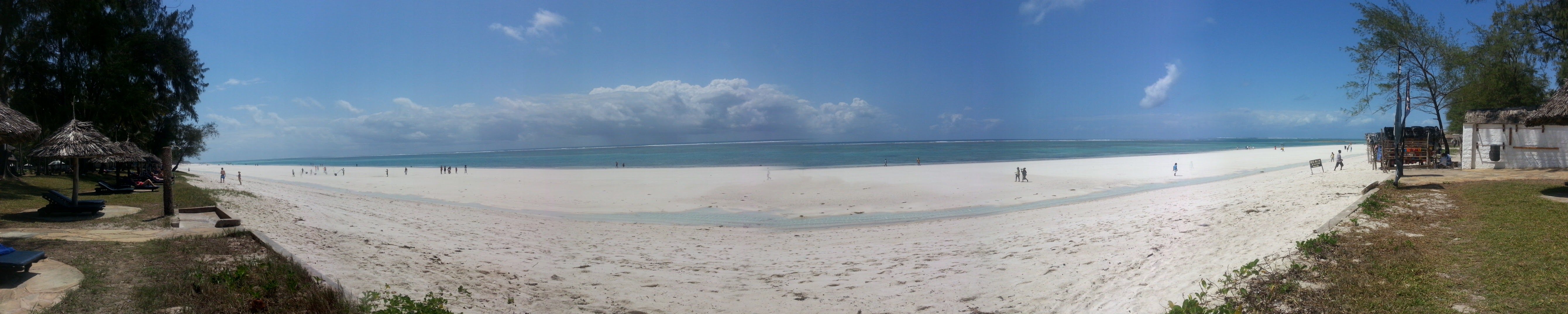
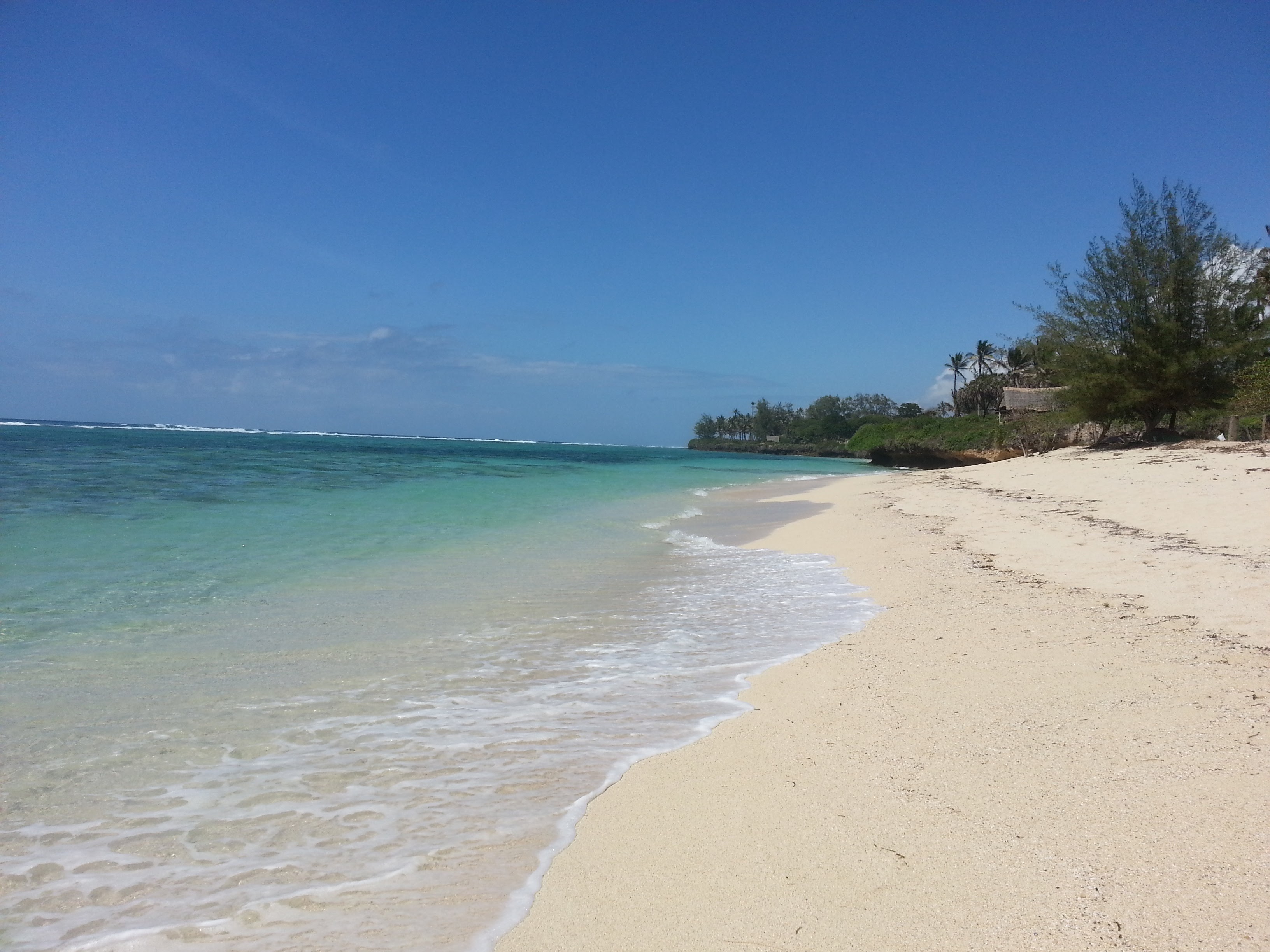
The waves pound on the soft shoreline, ten kilometres of turquoise ocean framed by black reef and fine white sand.   When the tide is up everybody relaxes, but when the tide goes out, it’s party time!  The wide beach opens right up allowing jogging, swimming, camel rides, kite-surfing, snorkelling, reef exploration, long walks and even a tiny microlight that zooms in and out using the beach as a runway – parachutes gently touching down on the sand were also a regular fixture of the low tide buzz that is Diani Beach.

Diani Beach Bound

Ukunda town is only about thirty kilometres south of Mombasa for a comfortable taxi ride (with Ukunda airport being a convenient touchdown point for those heading south to Diani Beach, Tiwi Beach or Wasini and Shimoni Island).

20160907_155219

Living it up

The number of resorts and restaurants here were surprising, but it is not difficult to see why this is one of Kenya’s best beach tourism destinations – Diani Beach is absolutely stunning!

Diani Beach panoramaSince we were in Kenya having a bunch of ‘first’ experiences, like seeing the magical Masaai Mara and adopting baby elephants, it felt like a good time for our first time at an all-inclusive resort.  Luxury living is almost impossible to come by on a perpetual traveller’s budget, but Kenya made it happen!

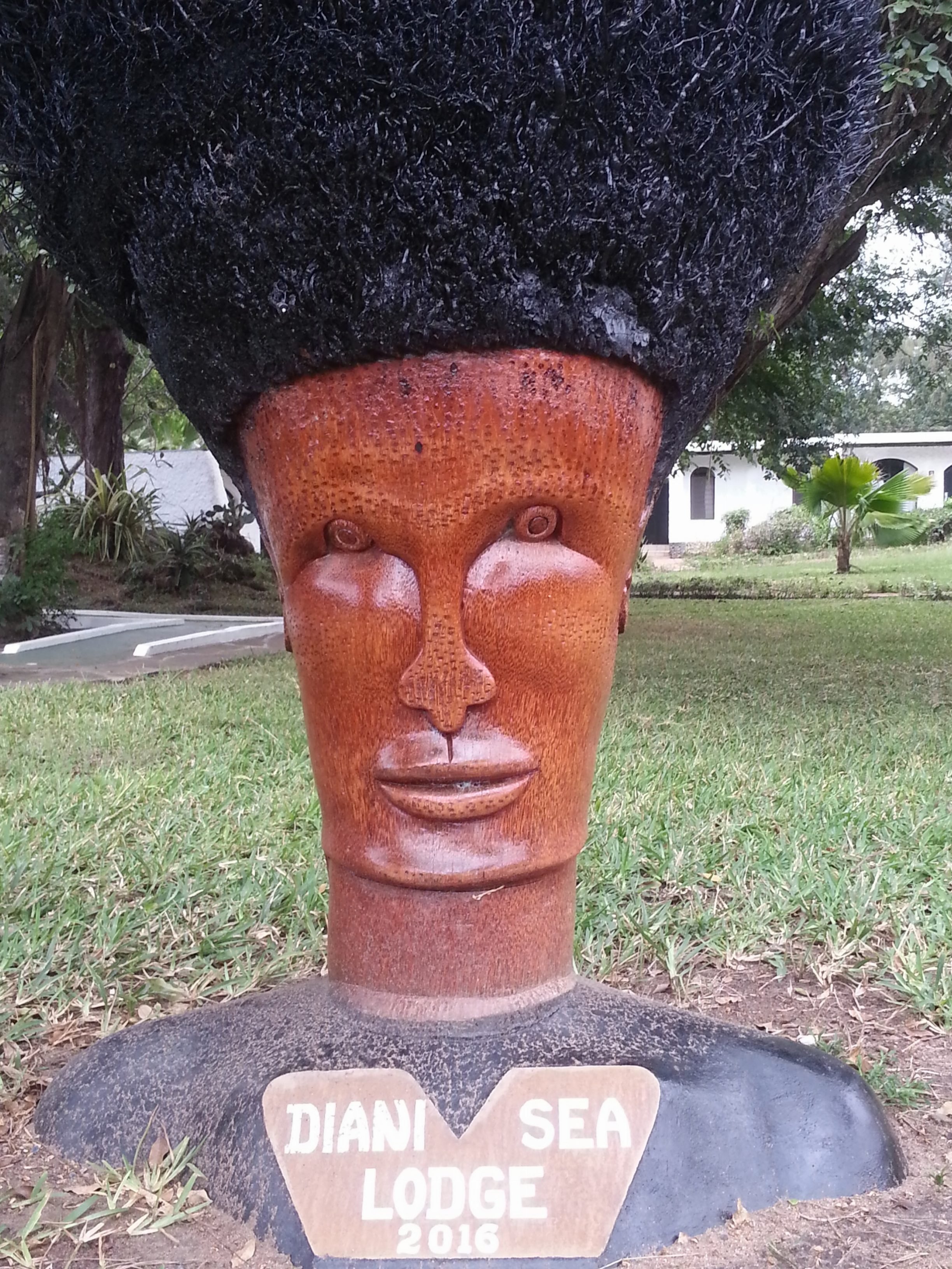
Having perused a few awesome resorts, we settled on a week at Diani Sea Lodge, about five minutes down the beach  from the quirky Forty Thieves restaurant.  The hotel is set among beautiful coastal forest, tall coconut palms and lush gardens.  20160906_164923Whitewashed textured walls under the shady reach of enormous trees, where exquisite black Colobus monkeys shake their bushy white manes and call to each other like motorbikes starting up (as Daphne Sheldrick describes in An African Love Story).

Our days were spent on the beach, by the pool, reading books from the library, playing volleyball, darts and coconut shotput; and having an altogether relaxing holiday.

Christopher Odinga

Curious Wildlife

One of the delightful things around Diani Sea Lodge are the birds and animals that call it home.  Colobus, Sykes and Vervet monkeys roam the trees and gardens around, while camels and dogs enjoy their long walks along the beach.  Hedgehogs and Bush Babies rule the night and you wake to the sound of twittering birds greeting the punctual equatorial sunrise.

The locals told us that the KiSwahili word for hedgehog is ‘Kidongo Maria’ because, like Mary the Mother of Jesus, they are thought to be humble and gentle.

20160905_190809

Cultural Colour

Diani Beach is also home to amazingly diverse and talented people; musicians, artists, beach boys, shop keepers, sports enthusiasts and many others, too.  The bargaining platform with persistent sellers seems wide open to interpretation and the banter is all part of the greater struggle against poverty.  20160903_125816Tuk-tuks and bora-boras (motorbikes) crowd the market places in hopes of a good day.

Shawls and sarongs line the bamboo shelves and budding artists create against a backdrop of rhythmic dance and the lifesong of Kenya’s musical people.

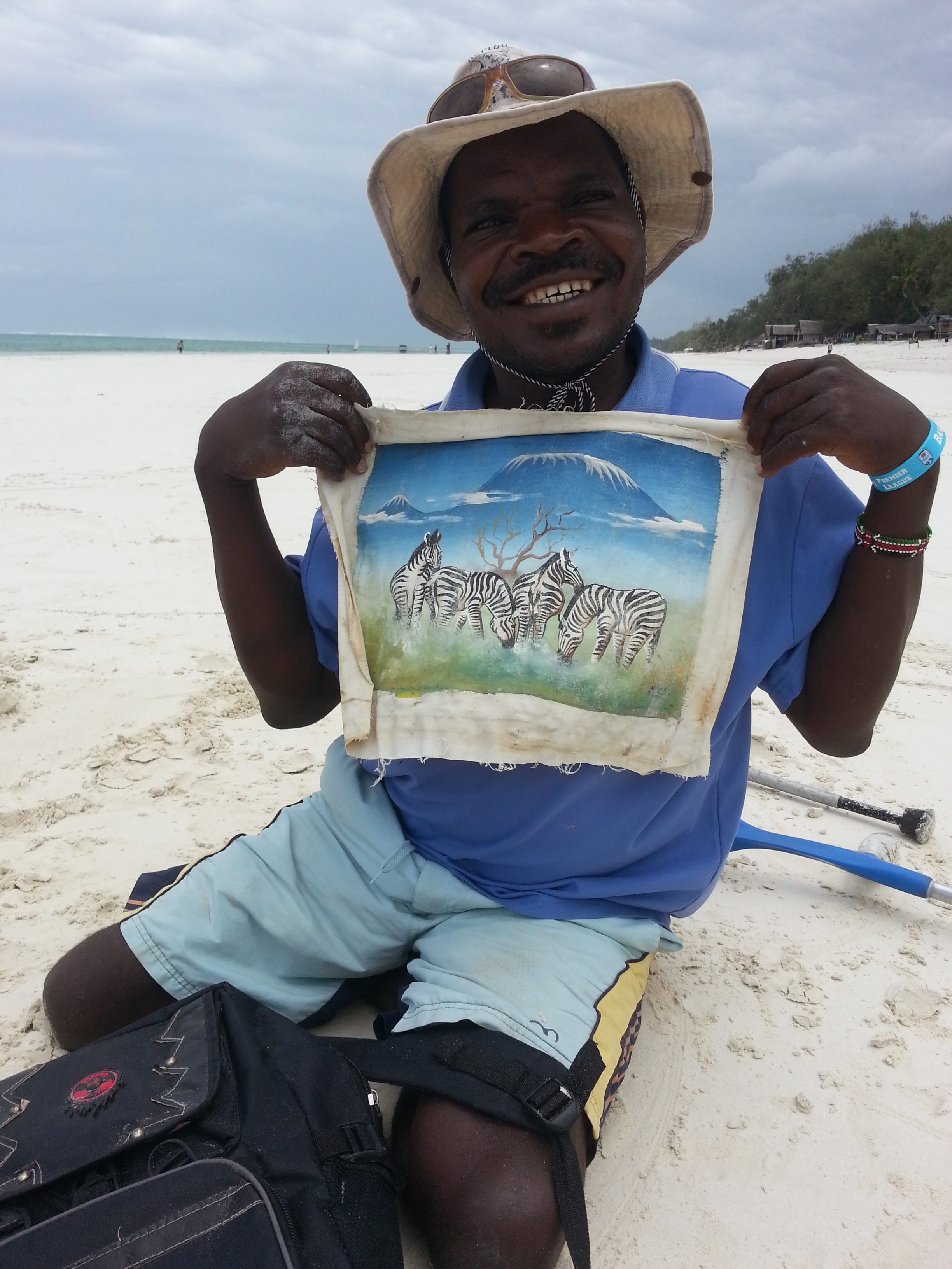
One such character was Mr. Christopher Odinga, a local artist and sculptor who makes his living through sand sculptures, tourist-commissioned artworks and if he is lucky, the occasional job sculpting concrete animals for new buildings.

We loved his work and think he deserves hero status – read his story here.

 20160905_155714

Diani Beach paradise – you beauty!

Tiwi Beach

August 2016

We arrived at Ukunda Airport (Diani) having been warned of blistering heat and humidity; and told to definitely wear shorts and leave the jackets at home. As soon as we landed, however, it started raining and stayed wonderfully cool for the whole two weeks we were in Diani.  Daily rain showers kept things fresh, settling the dusty surrounds and covering the landscape in a lather of clouds against the harsh equatorial sun.

The taxi driver kindly took us shopping (at the supermarket) so that we could fill up our grocery bags and then we headed over to Sand Island Cottages on Tiwi Beach.

Surprise! Turtles!

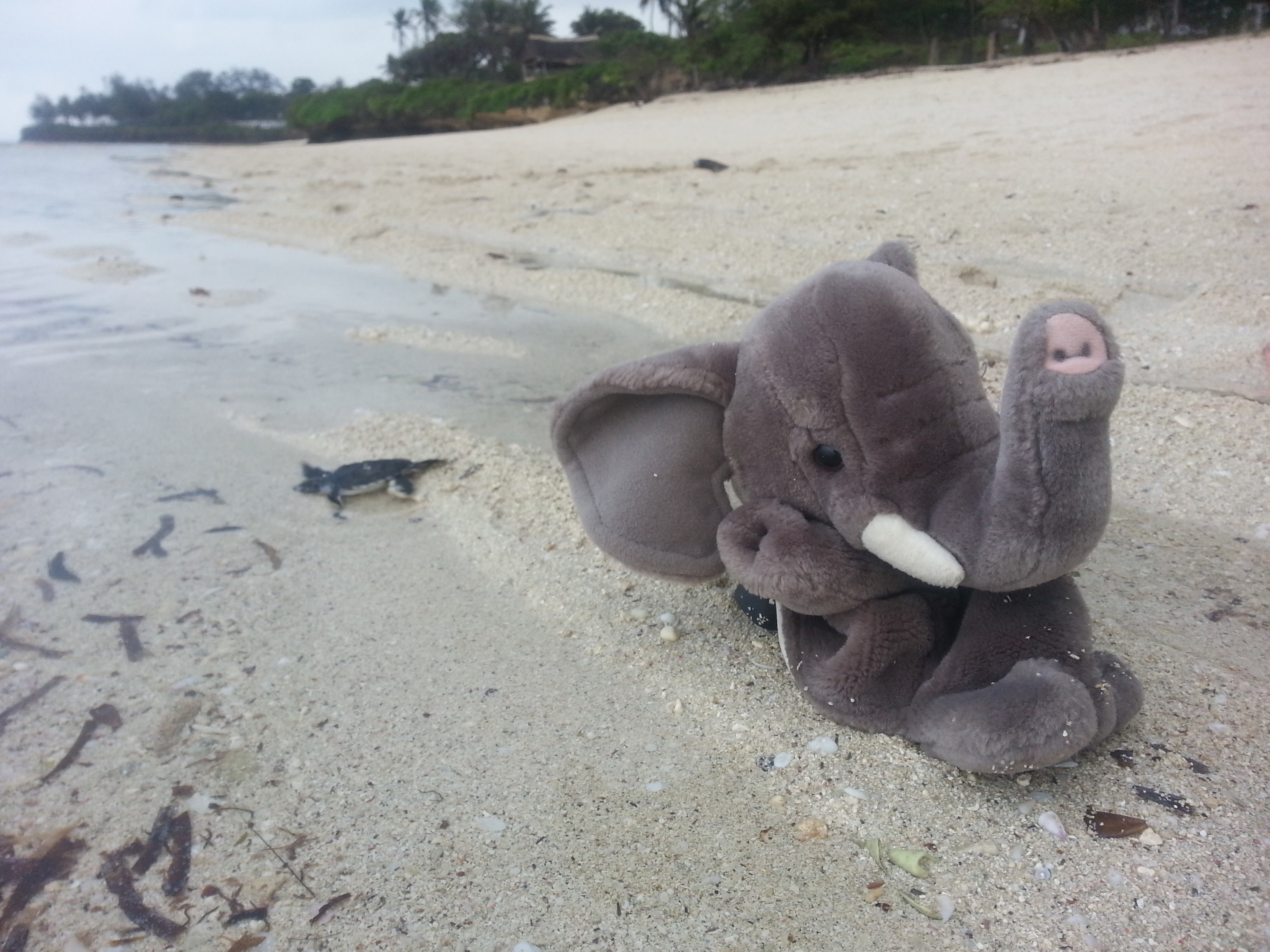
Arriving on the first day at Sand Island in the pouring rain, we were excitedly told that green turtles were hatching, so naturally we ignored the torrential downpour, left our groceries in the taxi, and ran to watch the stragglers, as they tenaciously found their way to the blue ocean in front of our cottages. Drenched and happy, it’s something I will never forget – what a special thing to witness this brave fight to survive against all odds. And it happened twice during our stay!

The cute little creatures had to fight against sand, grass, dogs, birds, a hungry octopus, hunting fish and all sorts of other obstacles to freedom; just so that they could reach the big wide ocean beyond the reef and face the real dangers of life underwater.  The survivors of this family will then head straight back to Tiwi Beach in a few years time to carry on the generations of green turtles and the cycle of life.

Nest 8Baby Turtle

Nelly the Elephant (Twitter: @Nelly_Says) celebrated as the last baby turtle finally reached the ocean!

Saidi is the turtle conservationist for Tiwi Beach and kept us well-informed about the turtle protection efforts here.  Smiling and friendly, he carries a great respect for the turtles and strives to educate everyone he meets about their qualities and needs.  The training he received has given him the skills and conservation knowledge he needs to save Tiwi’s population of turtles. He relocates the nests to safer distances from the sea (or from people) and monitors the progress of the nests that are labelled and recorded by Watamu Turtles.

Sand Island Cottages

These quaint beach cottages are a great choice for a quiet getaway and a couple of days (or weeks) of rest.  North of Diani, it’s about a fifteen minute drive from Diani Beach and well away from the hustle and bustle of the town itself.

Named for the sand island that appears during low tide, Sand Island Cottages are the perfect location to see the coastline open up as thousands of birds descend of Sand Island to pick up the crabs and sea titbits left exposed by the receding waters. Watch out for the abundance of spiky sea urchins when you walk across the bay!

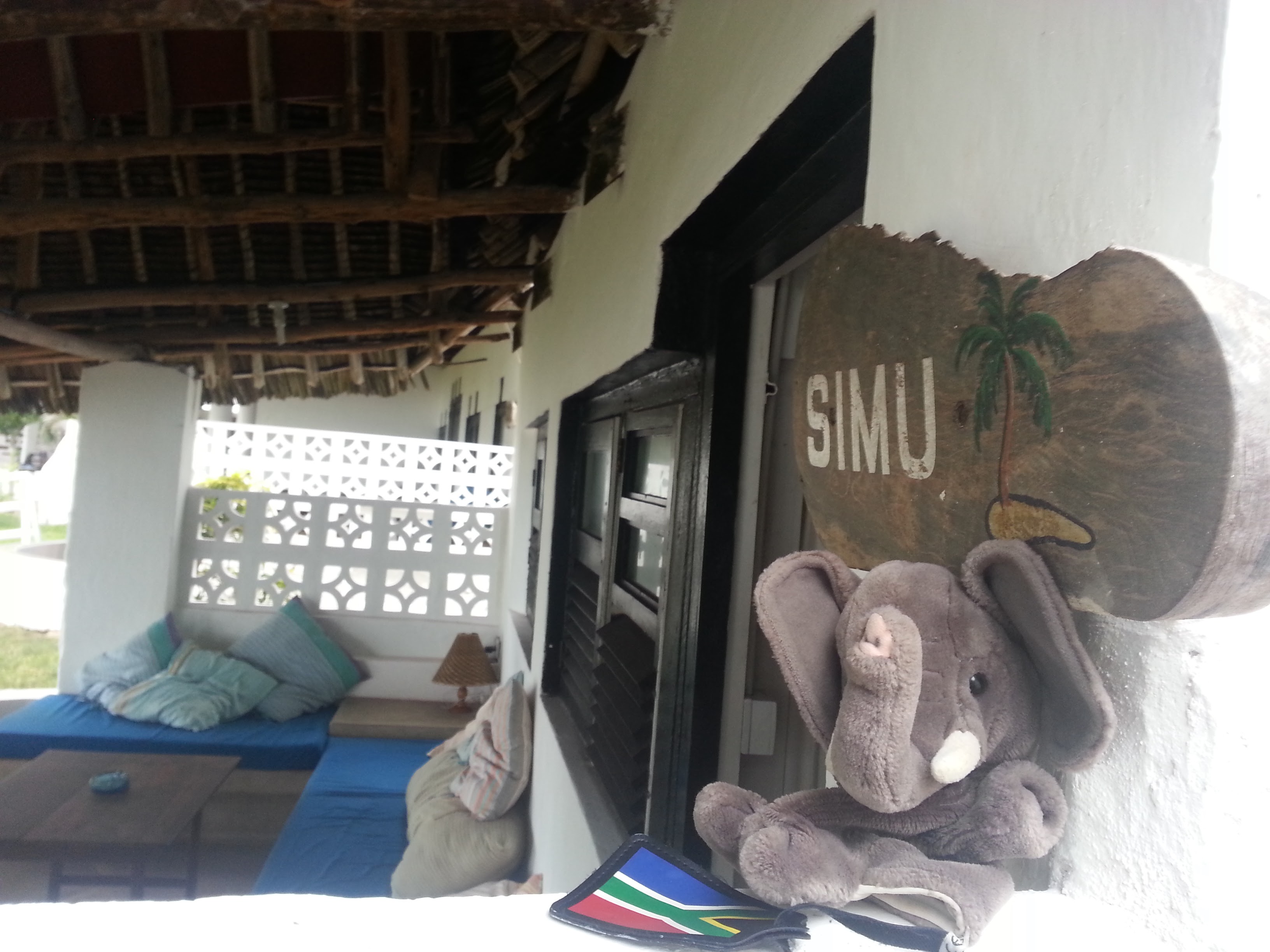
The self-catering cottages were comfortable, airy and clean, with views of the beach and shady verandahs with soft cushions to nuzzle into a gripping book from their library (all proceeds from the small book rental “fee” go towards providing books for the local schools in the area – initiative I thought was fantastic!) Our friends and family stayed in Simu, Pono and Tewa.

Sand Island Cottages

Tiwi beach was clean and pretty much private to those staying at the handful of resorts along the shore – no beach boys or tour operators in sight. The beautiful Kenyan lady at the resort, with her colourful outfits and a smiling baby strapped to her back, kept us in abundant supply of samoosas and ‘mandazi’ when we needed it; and there were people to buy fish or kikois from if we needed.

Mandazi is something like the South African ‘vetkoek’ (fat cake, in English) and is a mouthful of deep fried, doughy deliciousness somewhere in between a donut and a bread roll.

The staff and management were professional, attentive, kind and friendly – it felt like we were part of the family and being looked after with great care.  Arty and Cheryl provide excellent service and information about the area,  being happily available whenever needed and concerned with bettering both the environment and the community around them.

One initiative we like is the Book Hire system at Sand Island Cottages. There is a library of books available for rent by guests, with a small fee paid and a deposit that you get back when you return the book.  The small amount kept by Sand Island goes towards providing books and materials for the local schools in Ukunda that need it the most.  So get reading!

Kenyan Hospitality

Running through the local communities along the beach road under the watchful eye of some ancient Baobabs, it was easy to see why the Kenyan people are known for their smiles and friendly greetings.  Those commuting to work on their bicycles gave a friendly wave and a happy “Jambo, jambo!”; and there was always singing somewhere on the wind.

There are locals around to lend your support to: like turtle-volunteer Saidi who also has a small wooden boat in which he takes guests to see Starfish Bay.  We hired the congenial Ali for the week and he cooked superbly for us, providing freshly baked bread rolls, scrumptious curries and Kenyan-Western fusion dishes.  The favourite of the week was difficult to choose, but it was either the hand-pressed coconut milk fish curry with chipatis or the delicious American-style pancakes he whipped out; or was it the daily supply of hot, home-baked bread rolls?

20160827_103736

We miss Tiwi Beach already!

Masaai Mara: An African Dream

August 2016

Waking dream!

Stirring from a night of solid sleep to the sounds of a thousand different birds, I focused lazily on the rays of orange sunshine streaming through the tent and wondering on which alien planet I had landed.  I remembered the crazy rush to book a last minute flight with an hour to get to the far-off King Shaka airport, paying our entrance fees online on the way to the airport, the flight from cold South Africa to rainy Ethiopia to sleeping Kenya in the dead of night, the two hours of sleep before the alarm jolted us from our beds and the mad rush to pack nine of us into two cars, heading out of Nairobi at a prompt 6.30 a.m. sunrise.

With delight I recalled that we had made it through the six-hour journey, the Great Rift Valley opening up below us with its geothermal steam vents and slow trucks between Uganda and Mombasa, the wheat fields and pockets of livestock mixed with random antelope as we climbed out of the valley of volcanic rocks and trundled on through the dusty bushveld – its acacia trees and euphorbias astoundingly huge and beautiful – and the shocking corrugations on the pothole-infested dirt roads that claimed our entire exhaust fixture on the way home (it survived its trip back to Nairobi tied to the roof racks, but normal conversation pitch during the journey was next to impossible and we roared on home lost in thought and memory of the captivating experience).

I was finally here, somewhere I had dreamed of since childhood, unbelievably happy in an unfenced campsite along the Mara River, in a little tent, in the world-famous Mara Triangle, part of the Masaai Mara National Reserve – and hundreds of thousands of animals were here with us, too.
20160821_09251420160821_114220

The Great Migration

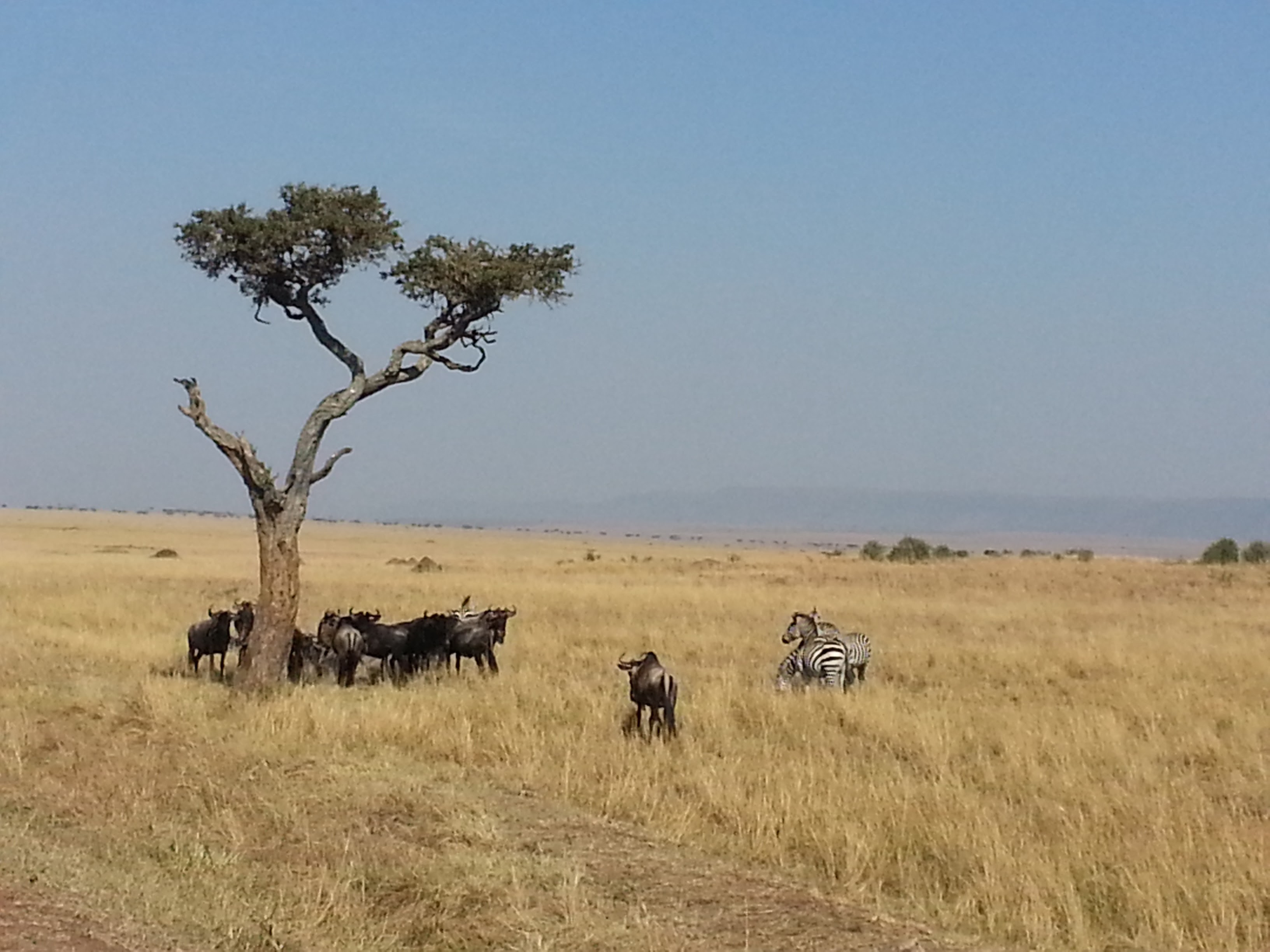
The herds arrived in the Mara Triangle the day before we did and it really is something you need to see with your own eyes to believe it. Beautiful and fascinating!

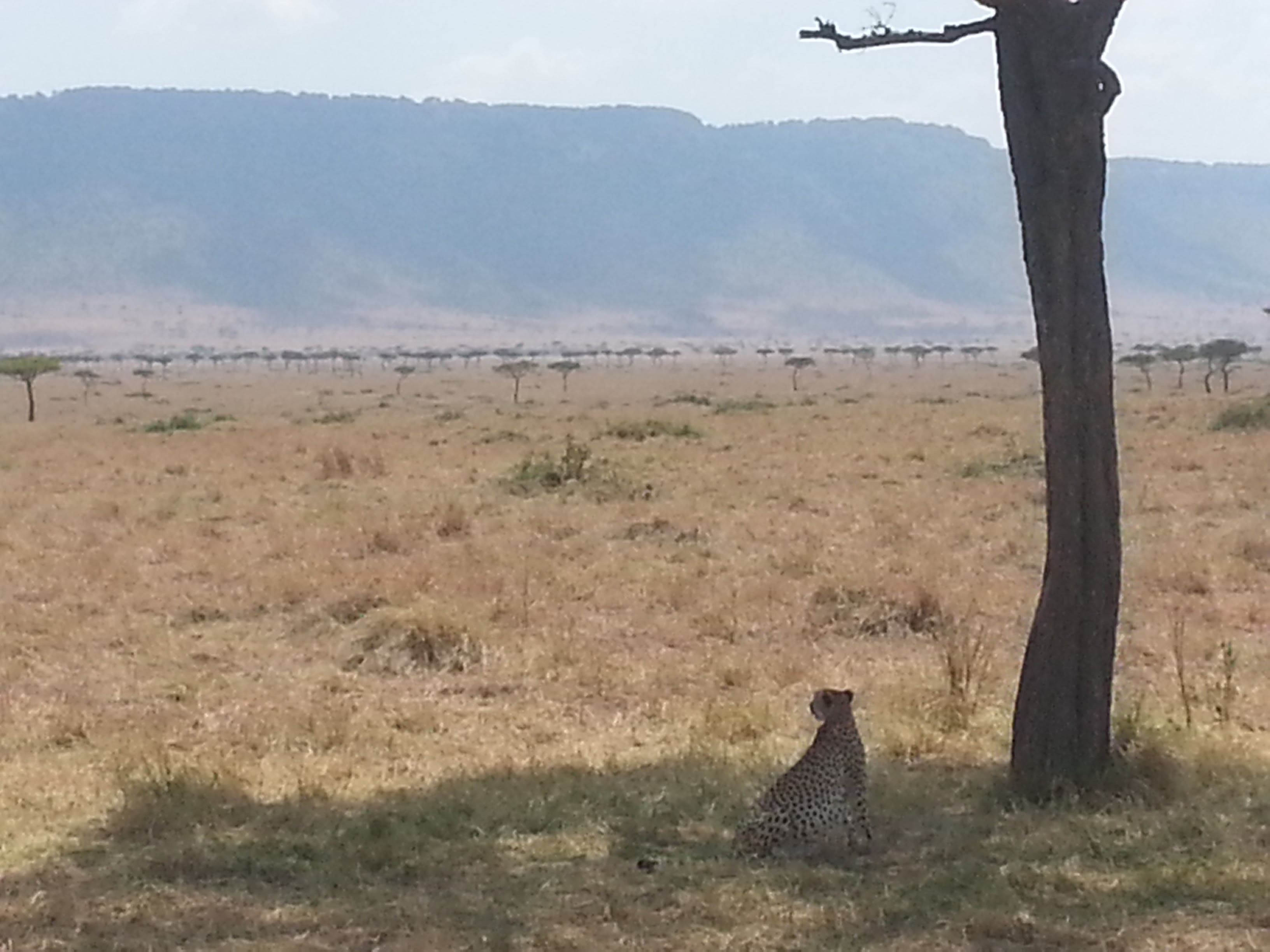
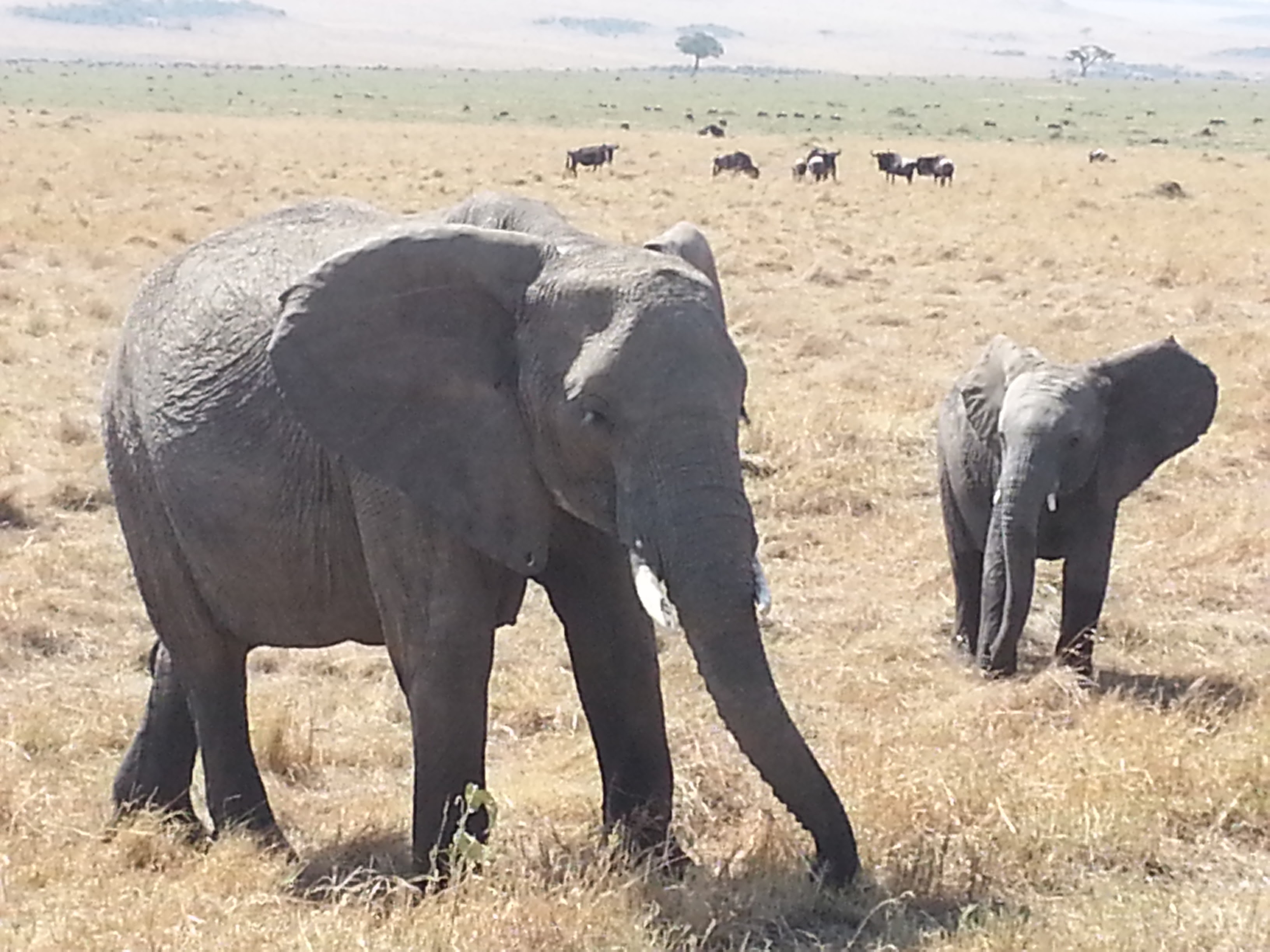
“Follow-the-leader” took on a new meaning as we watched the blue wildebeest lines stretching all along the base of the majestic Oloololo Escarpment, winding their way towards the Mara River to see if the oat grass really is greener (redder?) on the other side.  Apparently following the rain, the wildebeest spend their whole lives moving, an epic circular journey that starts down in the Serengeti of Tanzania and ends on the vast plains of the Masaai Mara in Kenya, where it starts all over again.

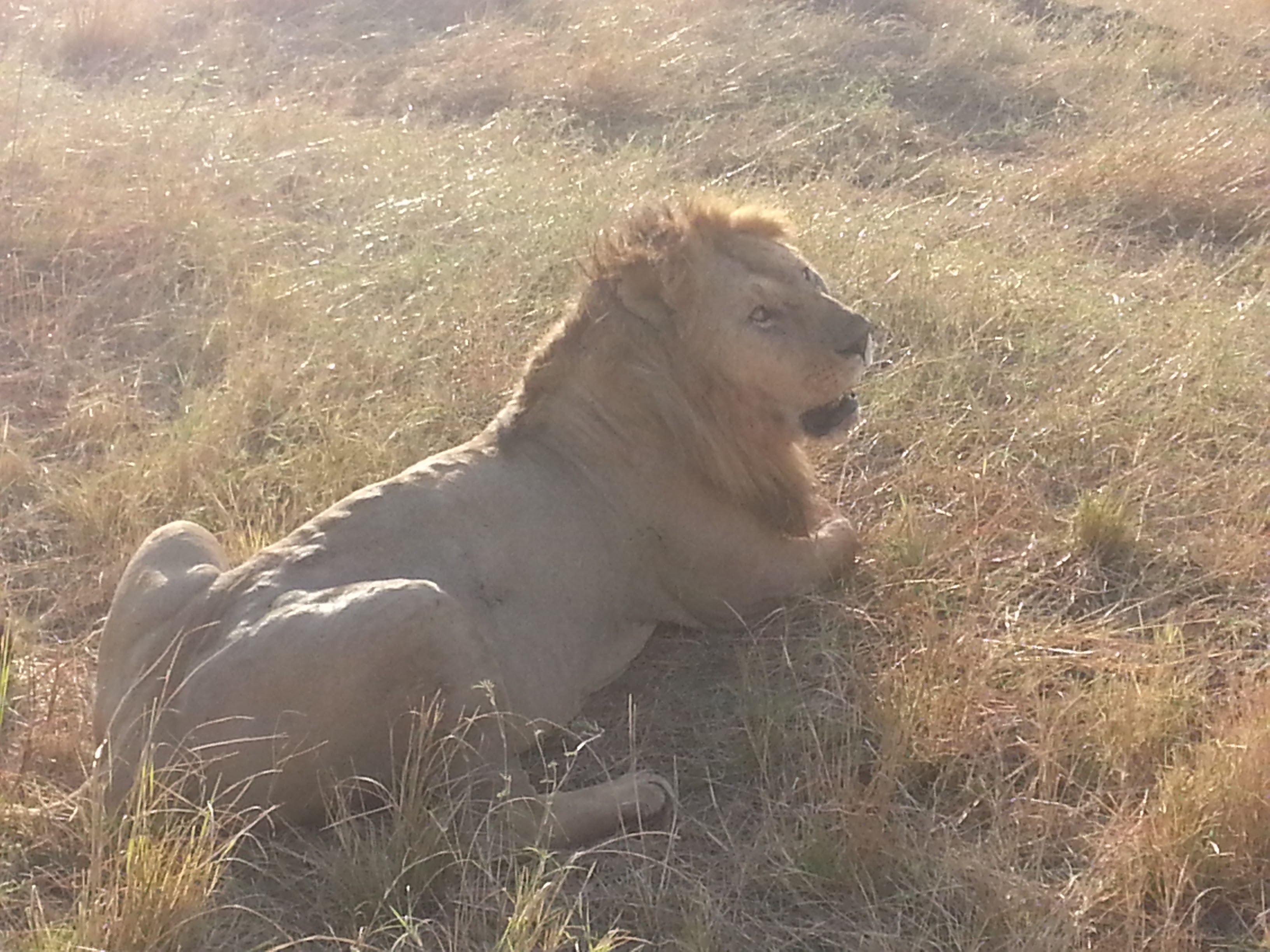
The wildebeest are joined by zebra and tommies (Thompson’s Gazelle) and solemnly face the predators at every step of the journey – an inevitable game of roulette as each night brings certain death, and each dawn a sense of victory at having beaten the odds.  Carcasses litter the savanna with evidence of the nocturnal carnage and the rotund lions we saw were too stuffed to bother with anything, eating only the choicest rumps and leaving the rest of it for the scavenger feast.  Even the scavengers turn up their noses at the drowned carcasses that fill the rapids of the Mara River after the senseless ‘crossings’, already filled to capacity from the pickings of abundant meat left from the kills.
20160822_074726

The animals converge on the river to drink, egging each other on to be the first to brave the threat of crunching jaws of the enormous Nile crocodiles.  Twice we watched as a wildebeest fell in, swam wildly to the nearest bank and was assisted by the curious hippos with a nudge towards the relative safety of dry land.20160821_123203

Wild and Free

The zebras with their exquisite black and white (a much cleaner contrast than the brown-smudged South African zebras) gather together to graze, some rolling in the dust, some playing catch; and even a naughty zebra male that suffered a thumping hoof kick (a ‘snotklap’ for you South African readers) from an irate female who had had enough (followed by whoops and giggles from the inhabitants of our vehicle as we cheered her on).

We camped at the private campsite, Dirisha, alongside the Mara River. Leopard, hippo, buffalo and elephant came into our campsite each night (the tent walls seemed thinner then) and the birdlife was amazing, too (including a rare Bar-tailed Trogan right outside our tent).  It was a proper bush experience with no ‘facilities’ to speak of, emphasising the fact that we were in the real African bush, humbled by our defenselessness and respectful of the ruthless ferocity in the daily life of wild creatures.20160821_174448
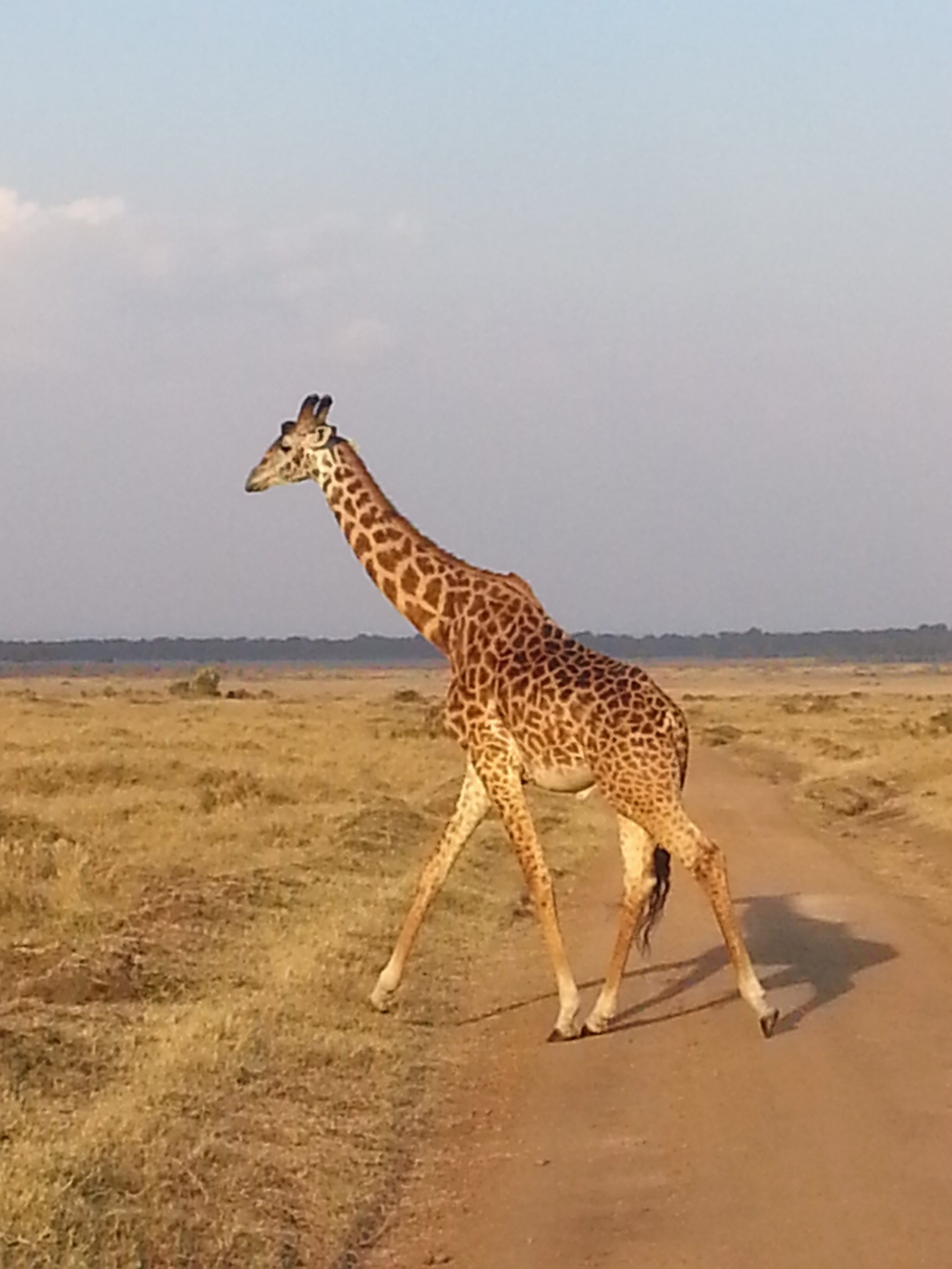
The week’s sightings also included herds as far as the eye could see (estimated between 750,000 and a million wildebeest alone), fat cats and scavengers feasting on carcasses lying everywhere, river crossings galore and even three black rhino fending off a pack of brazen hyenas.  One hyena also tried to catch a comical Ground Hornbill, who casually walked away knowing its fearsome beak was enough to deter its attacker.

Little Governor’s

Most evenings we headed to Little Governor’s for sun-downers and water refills (campers cannot afford to be shy about essential needs like drinking water, even if the lodge was as posh as could be). Looking out over a small water catchment, the luxury tents are set in the cool of the forest and can see all the surrounding beauty from their beds. More than once, we were delayed in returning to our campsite by the 7 p.m. curfew because of the elephants that roam about the lodge within hand reach of the restaurant patrons, who are swiftly ushered away to the other side by the staff and have to wait patiently until the giants have moved off.20160822_17442620160821_102002

Once in a lifetime

At the tip of the Mara Triangle map, Little Governor’s is one of many lodges that does hot air balloon rides across the Mara – a spectacular sight as the multicoloured behemoths transport mesmerised passengers silently across the plains, often just  a few metres above the herds on the ground below.  A future bucket list item for sure!20160822_065327
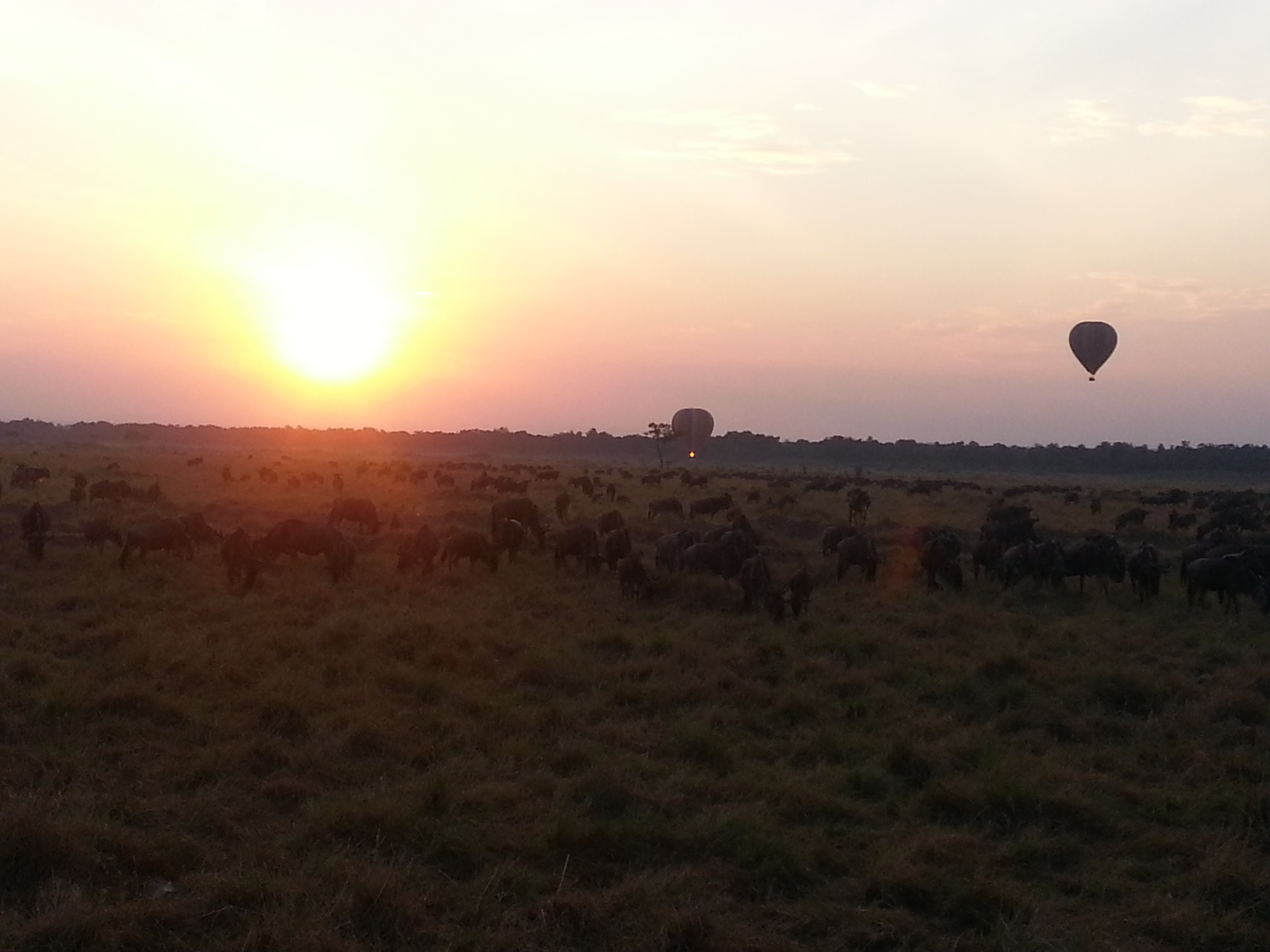
Honestly, this was one of the best weeks of our lives.  To be able to have seen this phenomenon firsthand was an awesome privilege and an unforgettable experience – even for Travelinds who have grown up in the beautiful wild places of South Africa, travelled in tiny boats through the jungles of Borneo and swam with ocean giants.

20160821_184628Masaai Mara – just wow!


Hlatikulu Bush Lodge, iMfolozi-Hluhluwe

JULY 2016

Photo Credits:  Wendy Buchanan (thanks, mom!)

A while ago, Travelinds told you about one of our favourite game reserves in Kwazulu-Natal – iMfolozi-Hluhluwe National Park.  The few days spent at Nselweni Bush Lodge was a great family holiday and we couldn’t wait to go back again!  This time we tried a new hideout – the Hlatikulu Bush Lodge!

13769451_10157119262840291_8995990913587496907_n

Hlatikulu Bush Lodge

This was a good surprise as we had only booked Hlatikulu in a rush to secure accomodation in an already full reserve.  However, as soon as we arrived, after navigating the jolting 4×4 route to get to the lodge, we realised that we had made yet another magnificent discovery!
The bush at your door
The camp is beautifully maintained by Siyabonga and New Year, both of whom have been there for ages and visibly love what they do. Right on the riverbend, with no fence, the animals and birds come and go as they please.  All around the camp are tweets and chirps, grunts and growls, spoor and feathers and evidence of life.
The deal

The camp can accomodate eight people at most, in four lovely huts (each for two people), all of which boast views of either the river or the bush.  The booking includes… (wait for it!)… TWO bush walks with Siyabonga and his gun (2-3hours, one morning, one afternoon) for every night that you stay.  New Year will cook any food that you can bring (and he will insist on setting up AND cleaning up everything in the communal lounge and diningroom himself, too). These two wonderful humans keep the huts immaculately clean and look after you while you simply relax and enjoy the wildlife.

13697057_10157119315235291_4857569789511689644_nNature up close

The resident bushpig, Georgina, can get a little persistent in the evening, but please, do not feed her even if she follows you down the boardwalk or begs.  There are also hippos, crocodiles, lions, elephants, buck and other creatures that roam in and out of the camp at their leisure – look around when you are outside and do remember that you are living in the real African wild now!

We fell asleep each night to lions roaring, hippos grunting, hyenas laughing and melodious nightjars. Early mornings wake up to birds singing and nyalas crunching grass right outside our windows.
A different perspective

The bush walks were also well worth the effort and if you do what Siyabonga tells you, you’ll be in good hands. He’s an experienced game ranger and takes his job, and your safety, seriously.  The animals are wild and unpredictable, especially where humans provoke and disrespect the natural order of things.  It is our responsibility to preserve and care for nature and a bush walk is a great way to remind yourself of your roots.13699980_10157123764390291_2516487894411405346_n

Hlatikulu, we’ll be back!

Read more reviews here.13690805_10157119327665291_1327660552813445550_n

Rhino Card

Use your rhino card to receive discounts on day fees, accomodation and more.  It was worth it for us to buy the card (for a couple) just to cover our day fees during the week here.  Ezemvelo KZN wildlife is also a great cause to support!


The Brinze Kylene Expedition

May 2016

An amazing end to life on some Philippine islands, our Brinze Kylene expedition took us from San Miguel, Linapacan and ended at Sibaltan on the Palawan mainland.  Read about how we came to meet them here.

The Hosts

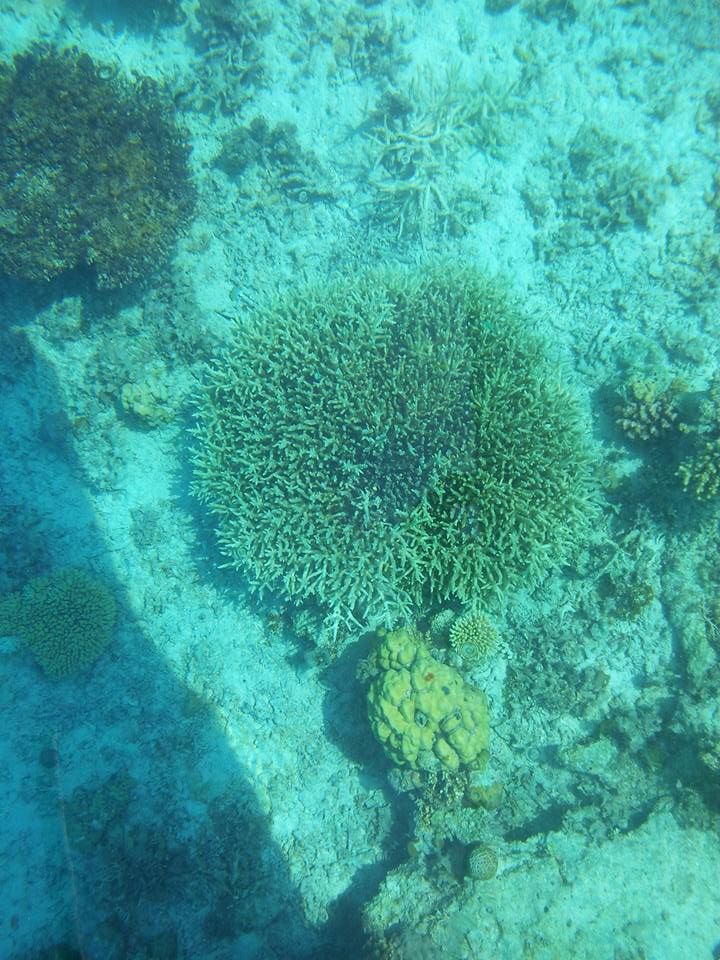
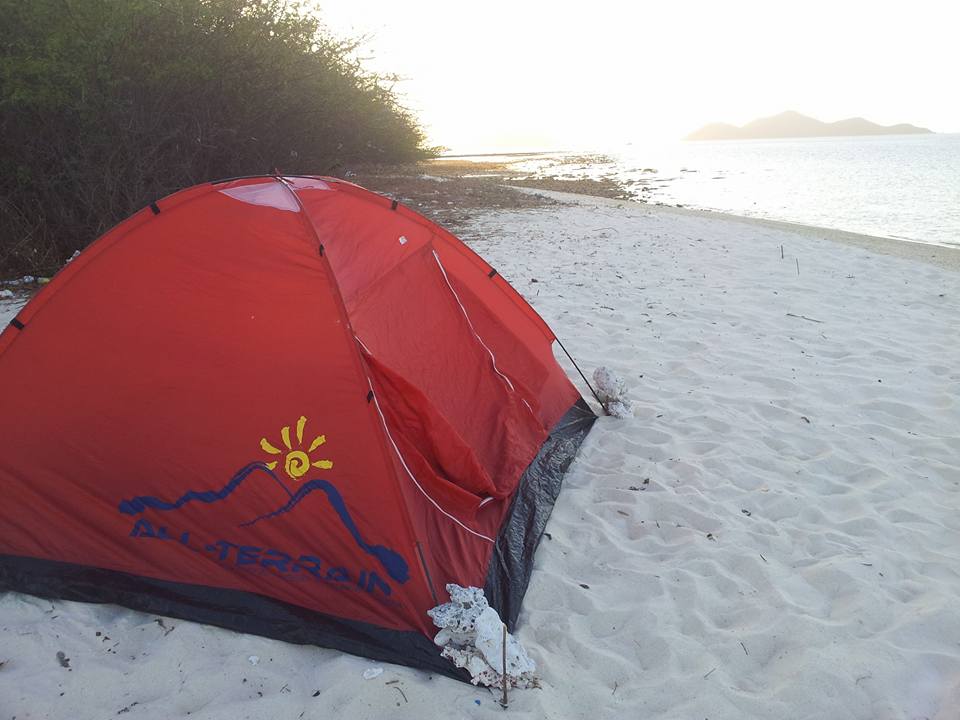
Our hosts Benji and Maileen were entertaining and hospitable, looking after us throughout our stay in Linapacan, as well as on the island hopping tour.  Their service was phenomenal and so much fun. Their crew, Midel and Guerrero, seemed to have limitless energy and kept the boat running smoothly through the whole trip.  They cooked for us, put up and took down our tent, found us the most exquisite coral reefs along the way and entertained us each night around an impressively large bonfire.

The Boat

13233135_10154430961021992_3579010132289694508_n

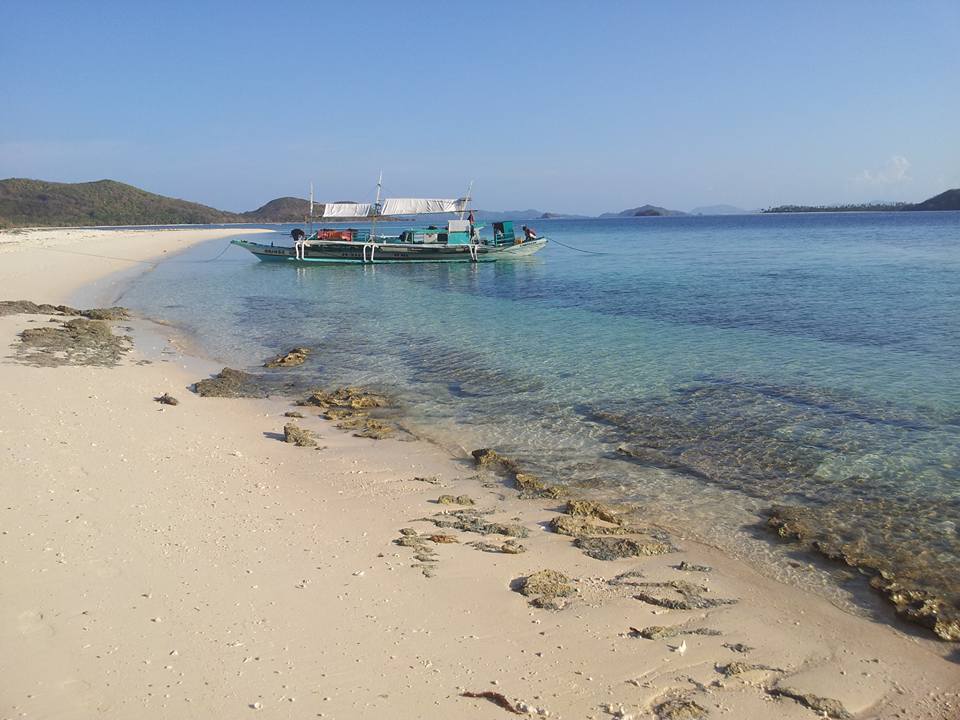
Since we spent most of our time on the boat, it serves that it was rather comfortable and well-equipped for such a simple carrier.  Described as a catamaran-style with balancing beams on each side, it had benches, a small cabin, a tarpaulin covering, a ladder to get out of the ocean and a small boxed-in toilet and wash area.  Downright luxurious in terms of the local fishing boats!

The Food

Every day in the Philippines is another chance for fish and rice.  Different fish, mind you, but fish all the same and rice to fill in the gaps.  We loved the fresh seafood and feasted on lapulapu, barracuda, squid, white fish and tuna – all barbecued over a fire and served with a decent portion of sticky white rice.  Every now and again we ate the precious commodities called vegetables (cabbage, carrots, tomatoes, peppers and cucumbers) and this was a real treat for the locals and for us as availability is scarce.

13230172_10154430943261992_8846434460380865170_n
The three kilogram barracuda we bought from another fisherman.
Fish
Lapu Lapu fresh from the ocean.
13239469_10154430943306992_2662602046951273251_n
A peacock mantis shrimp that we caught and ate!

And Most Importantly, The Islands

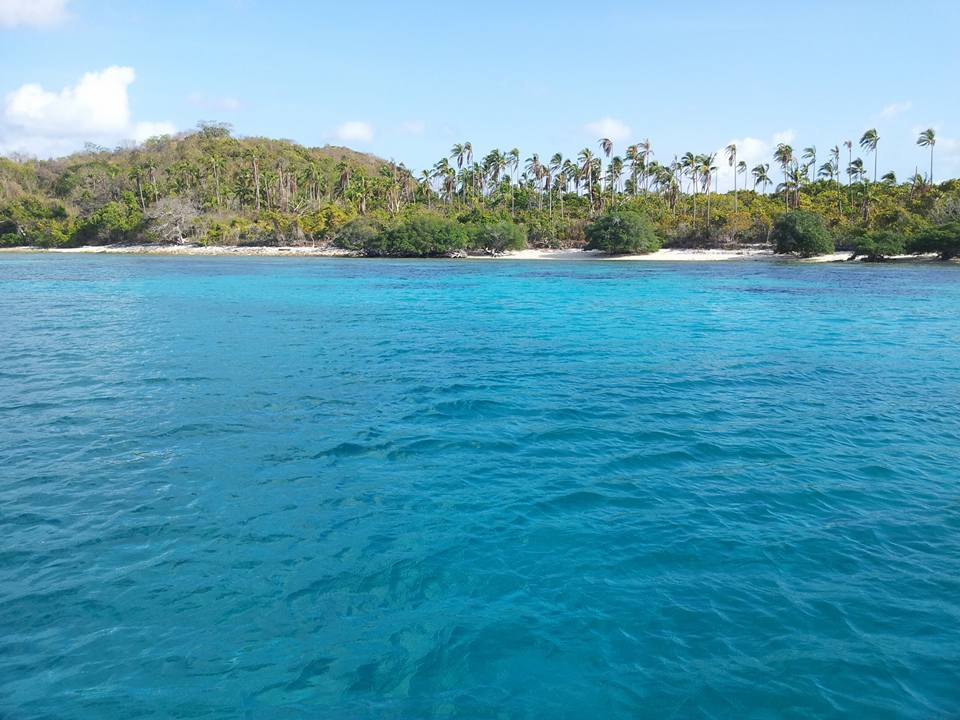
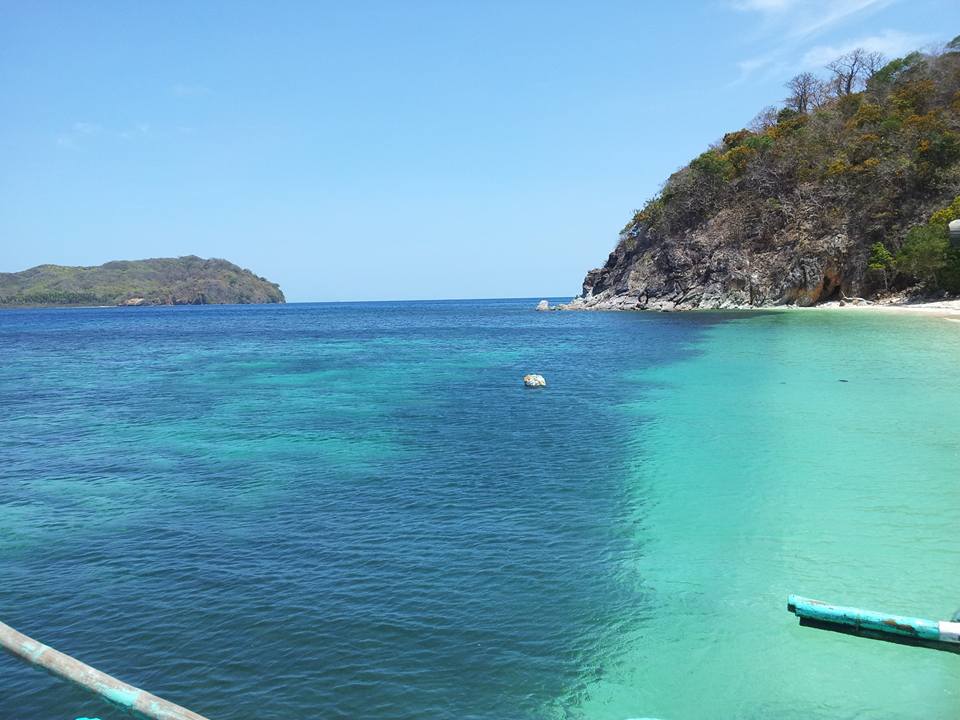
The archipelego of 54 islands is hard to describe because each one is slightly different to the next, sparkly, beautiful, rugged and unspoiled by industrialisation or development.  We lost count of exactly how many islands we visited in the end, but managed to go at least 15 islands on during the 4-day trip.

Linapacan is said to have some of “the clearest water in the world” – we believe it! Check it out.

Here was the itinerary:

  • Day 1: Leaving from San Miguel, to Dimancal (check out Karel’s tent resort here),  Bolina, Manligad, Asis and Cagdanao (first island camp spot)
    • The island across the bay, Balenben, had island huts available for rent at 300 Pesos in a fantastic reef area.
  • Day 2: Manlihan, Cala-cala (spelt Lacalaca) and Takling (second island camp spot)
  • Day 3: Calibangbangan and Magransing (third island camp spot – the most beautiful place we have ever seen!)
  • Day 4: Pical, Mausunon and ending at Sibaltan (mainland Palawan)

Each had coral reefs right off its shores and were almost guaranteed to be completely deserted.  Besides, don’t these pictures (from a humble camera phone) make you want to go there right now?  Call Maileen and Benji for an adventure on the Brinze Kylene!

13256446_10154430964386992_864560569200618743_n 13233134_10154430963356992_5743393770436027982_n 13226857_10154430942941992_6455827766503536829_n 13226657_10154430942141992_3771460138809989361_n 13263772_10154430935351992_2028392100685053319_n 13254277_10154430933981992_5199705393310428547_n 13256455_10154430934231992_8859874114631069839_n 13254162_10154430963466992_2960169019087778134_n

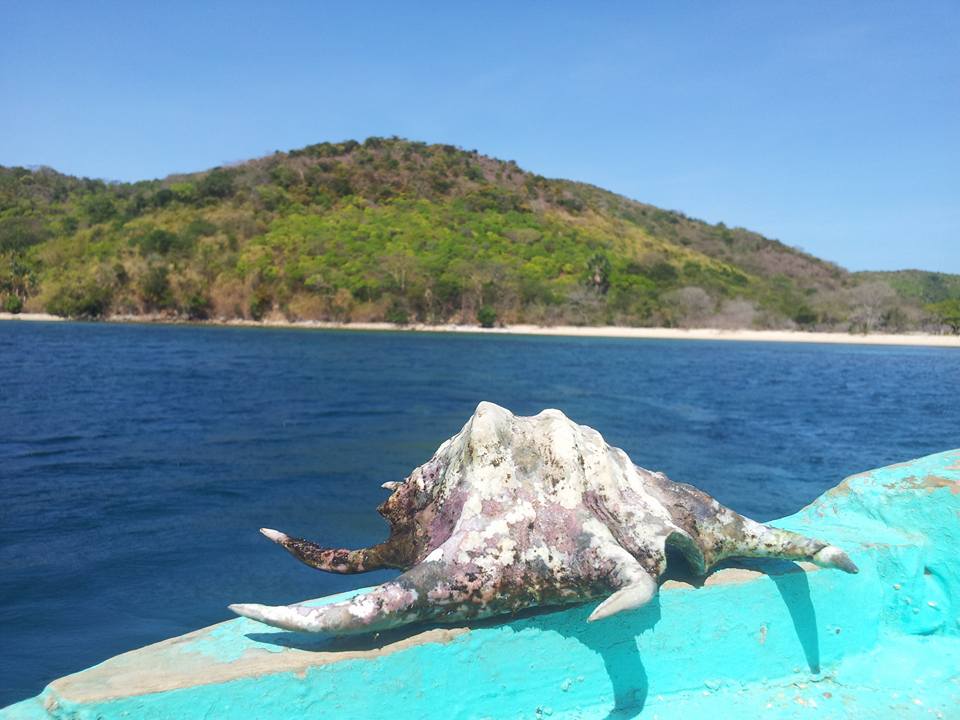
Philippine Shell

Linapacan is well worth your time – wow!  What do you think about Palawan?


iMfolozi-Hluhluwe Game Reserve

30 January 2015


One of our favourite pastimes – and one of the things we miss the most about South Africa – is game viewing.  Not in a zoo, of course, but in a reserve.  The natural habitat of the animals is somewhere you are not guaranteed to see anything at all; but it’s all about the search!  Nothing compares with driving around all day scanning the bushveld, trees, slopes and ravines for animals and then catching a glimpse of the flicking white tail-end of a leopard, or the majestic mane of a ferocious (or lazy) male lion in the shade of a bush.  Reversing away from an approaching elephant or speeding to get away from a protective rhino mother is all the adrenaline you need!

So, this week was spent basking in God’s awesome creation at iMfolozi-Hluhluwe Game Reserve. What a fantastic place to see interesting, dangerous, funny, wild, crazy, big, tiny, rare and fascinating African wildlife in their natural habitat. Four hours from home,  this game reserve is a perfect getaway for long weekends.

Accomodation

We stayed at Nselweni Bush Camp which is down the road from Mpila, where we were supposed to be staying. Thanks to a misunderstanding and a booking problem, the management kindly allowed us to move over to Nselweni – a beautiful bush camp right on the bend of the river. We woke up with the birds and fell asleep with the night sounds of lions, frogs, hyenas and cicadas. It was perfect for a romantic getaway in a private “half tent/half cabin”that looks on to the bush. Conveniently, it was at a central iMfolozi location, about 20 minutes to Mpila.

Nselweni has fully equipped units with a braai place (that’s barbecue for non-Saffers), a gas oven, a fridge, kitchen utensils, an outside table and a semi-covered verandah. The shower window can open right up and the bathroom and bedroom both look out into the bush. We enjoyed the nyala that graze outside your hut during the day and its a colorful bird paradise.

We stayed here three nights in Unit 2 & 3 – both are lovely, private and quiet, especially Unit 2. Units 4 & 5 have half views of the river but only the Conference Centre deck gives a panoramic view of the river; and this is open to anyone who wants to use it. We saw buffalo, kingfishers, crocodile, trumpeter hornbills, impala, vultures and many others right from the deck.

Wildlife

At any wildlife reserve, you need to respect nature and remember that wild animals don’t follow the rules or take heed of the ‘boundaries’ us humans expect.  Watch out for the opportunistic hyenas at night who steal meat right off the braai or pinch anything left out on your verandah while you sleep. It’s best to take a torch and maybe a stick if you’re walking around the camp at night.

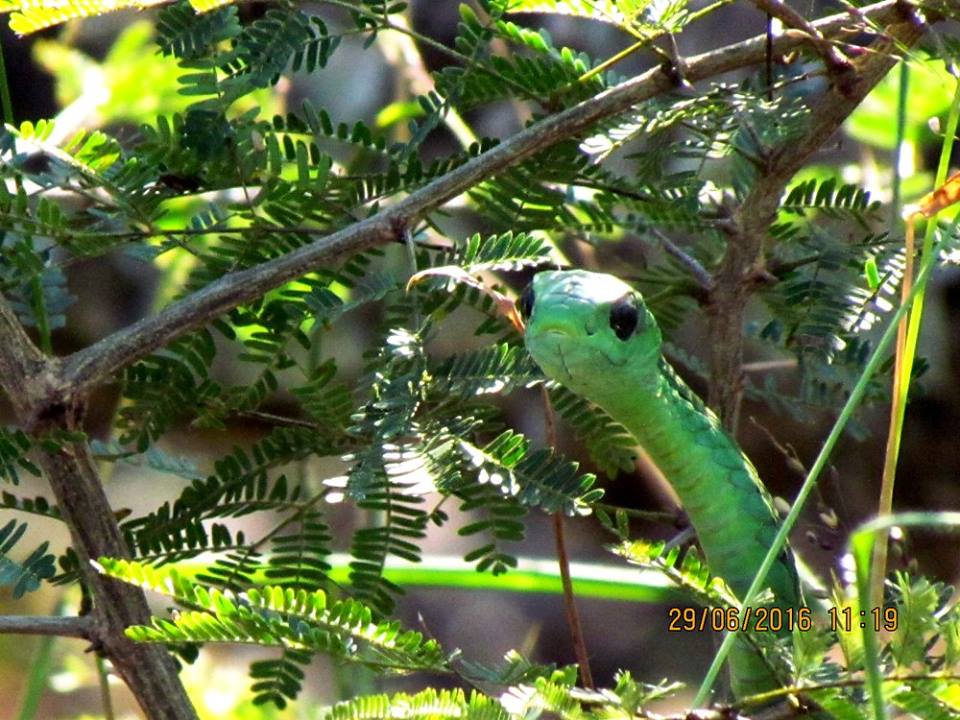
Our highlight sightings were a pack of wild dog, lion, puffback, bathing yellow-billed kite, a huge elephant breeding herd with little babies, so many white rhino and a metre-long vine snake on the road.

Night drive

On the last night, we treated ourselves to a night game drive (which leaves from Mpila camp) and we were so impressed with Bheki, our guide, who found us lion (up close and roaring), genet, chameleon, vine snake, crocodile, buffalo, rhino, nightjar, bushbuck.

Ezemvelo Wildlife

Thanks to Ezemvelo KZN wildlife, it was a wonderful stay.  They are doing a great job protecting Kwa-Zulu Natal’s wildlife, especially the precious rhinos!  We never did see that elusive Black Rhino on this trip, but the Whites were magnificent.

Tip Top – Tip of Borneo

05 February 2014

Tip Top restaurant is right on the beach road of Tanjung Simpang Mengayau (the Tip of Borneo).  It is also known by the names Howard’s or Tampat Do Aman restaurant.

It has a very relaxed beach vibe; sandy floors, wooden benches, bean bags and some chilled out tunes playing in the background.  There are also some books to read and a lot of locals and tourists to chat too.  The food is competitively priced with the rest of the area and there are some local dishes to try like ‘Hinava’ – raw fish marinated in citrus juice.

Inside the menu itself, there is a whole stack of information about the owner’s many business ventures, the sustainability focus and many community projects.  There are so many ways that you can get involved in projects in the Kudat area through either volunteer work or donations; like turtle conservation, beach clean ups, volunteering in the local community, survival courses etc.

Personally I was very impressed with the detailed explanations of the different projects that are currently up and running in the area.  I hope to get involved in some of these in the future.

Enjoy!

Check out more information on Tip of Borneo restaurants.

Sepilok Orang Utan Sanctuary

03 February 2014


Orang Utan – ‘Man of the Forest’

orangutan
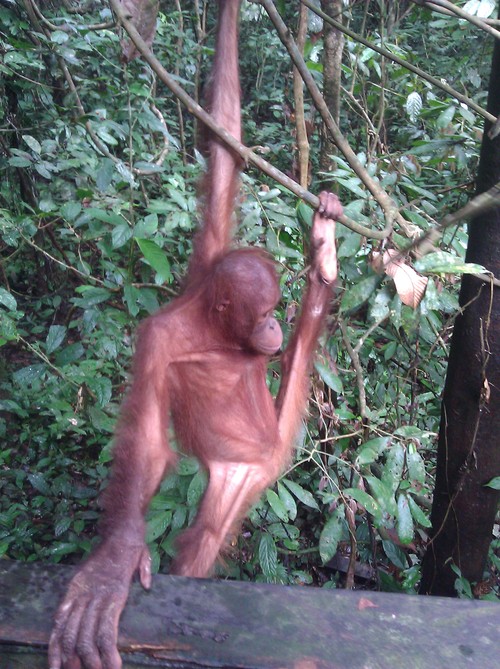
Picture of young orangutan thanks to fellow travellers Olena and Yvginiy who kindly provided a close-up for us.

A long time dream of ours has been to see orangutans in the wild. These funny creatures are beautiful, weird and fascinating.  The dwindling natural habitats of Borneo and Sumatra (the home of these apes) threaten to erase this species altogether.

In Malay, ‘orang’ means person (man) and ‘utan’ means ‘forest’ so the direct translation might be forest-person but the locals refer to it as ‘Man of the Forest’ when entertaining questions from curious tourists.

Orangutan facts

  • The Orangutans are the only apes that inhabit Asia.
  • They are highly intelligent and naturally solitary.
  • The Borneo male’s armspan can reach up to 7 feet (2 metres) and male orangutans have distinctive black cheeks and fleshy jowls.
  • They can not swim, unlike so many of the other animals that make their home in the rainforests of Borneo.
  • The mother and baby will stay together for up to seven years until the baby is ready to go it alone in the wild.
  • Females only give birth once every eight years, which is why the numbers of orangutans are decreasing so quickly and also why there is such a need for the Sepilok sanctuary to care for orphaned baby orangutans.
  • They use big leaves as umbrellas against the regular downpours and branches to make sleeping nests.
  • There diet consists of fruit and leaves and they spend 90% of their time in the trees. This is why deforestation is so detrimental to orangutan populations.

Sanctuary

tumblr_inline_n445nd8kyb1rg4d7l
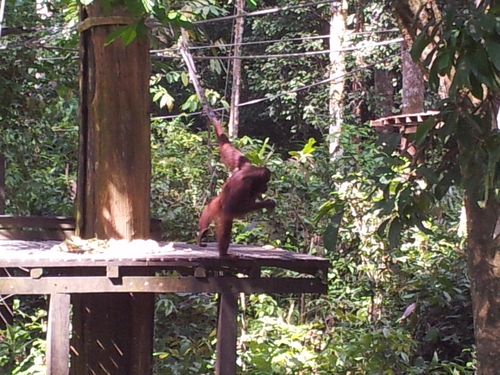
Female orangutan with her baby clinging on tightly. Feeding at Sepilok.

Due to the dire need to protect this special animal from deforestation and clashes with humans over crops and livelihoods, the Sepilok sanctuary was established in 1964.  Its main purpose was to care for orphaned orangutans and rehabilitate them back in to the wild.  The Kabili-Sepilok Sanctuary is 4,300 hectares of natural jungle and there are said to be almost 75 rehabilitated orangutans in the reserve.

Feeding time

The sanctuary has to feed some of the juvenile orangutans who have not yet learned to forage for themselves and they estimate that only 20% of the total orangutan population in Sepilok actually come to the feeding sites each week.

tumblr_inline_n445g9P4kg1rg4d7lBird trail

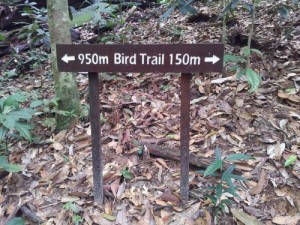
Within the sanctuary there walking trails.  From the Orangutan Sanctuary you can do the “Bird Trail” – a 2.2 kilometer (total) walk through the jungle to a bird viewing tower that overlooks the canopy.  It is not an easy walk so be sure to take proper walking shoes and water with you. It can be muddy when raining and there are lots of roots and trees to clamber over along the way.  We didn’t know it, but the trail actually closes at 2 p.m. so make sure you are back through the gate near the orangutan feeding section before 2 p.m.


Special memory along the bird trail

tumblr_inline_n445vyYES11rg4d7l
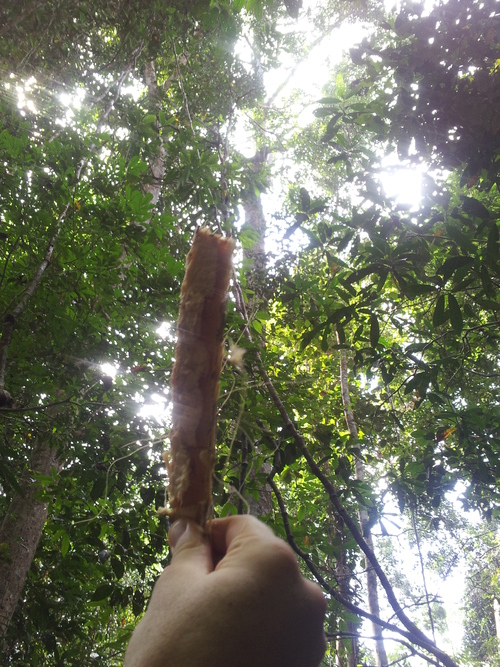
This is one the sticks that the orangutan was throwing down to the canopy floor; the only reason why we spotted him all the way up there in the first place.

After walking for more than an hour, not seeing anything besides a troop of short-tailed macaques, we were almost smacked on the head by a half eaten pod.  More pods and sticks came down in the next few minutes and no matter how hard we strained our eyes, we could not see the culprit who was trying to murder us.

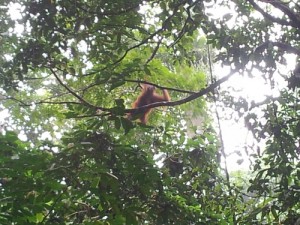
Eventually, we spotted a small orangutan at the very top of the jungle canopy and we walked away with a half-eaten pod as a souvenir (and to prove to other people that the Bird trail was not a complete waste of time).


Wildlife

This is a reserve in which you can find orangutans, short-tailed and long-tailed macaques, squirrels (including giant flying squirrel), snakes, deer, a staggering variety of endemic birds (including the rare Great Argus) and other reptiles.

Admission

MYR 30 each for a one day pass. (Sun Bear Sanctuary is also MYR 30 each, Rainforest Discovery Centre MYR 15 each)

Tips: Visitors are not allowed to take any food or drink into the sanctuary as the animals may try to steal. There are (Free) lockers available at the office where you can leave your bags (small bags/backpacks only).

Bus

From Sandakan, Take the ‘14 Sepilok’ bus directly to Sepilok Orangutan Sanctuary. It leaves from the mini-bus terminal near the beachfront traffic circle (5 minutes walk from Harbor Square Mall). Bus trip takes about 50 minutes, RM5 (negotiable) and it leaves at 9.00am and 14.00pm from Sandakan to get you there just in time for the 10.00 am and 15.00 pm feedings.

Day trip options from SandakanSandakan

Sepilok One Day:

Orangutan sanctuary 10.00 feeding, Sun Bear sanctuary 12.00 – 13.00, Rainforest discovery Centre 13.00 – 14.00, Orangutan sanctuary 15.00 feeding. Bus back to Sandakan at 16.00


*Recommended*

Sepilok Two Days:
  • DAY 1: Orangutan sanctuary 10.00 feeding, Bird Trail and lunch 11.30 – 14.00, Informational video 14.30, Orangutan 15.00, Bus back to Sandakan at 16.00
  • DAY 2: Rainforest Discovery Centre morning,  lunch outside the Orangutan Centre at local stall, Sunbear Sanctuary afternoon. Take the 9.00 a.m. Bus 14 from Sandakan, ask to be dropped at Rainforest Discovery Centre. Take 16.00 bus back to Sandakan from the Sepilok Orangutan Sanctuary. (Note: Rainforest discovery centre is about 1.2km walk from the Sunbear and Orangutan Sanctuaries)

You can read more about Sepilok Reserve, Orangutan Rehabilitation Centre and Rainforest Discovery Centre here.


Rainforest Discovery Centre- Sepilok

02 February 2014

Sandakan to Sepilok

We hadn’t managed to get the Rainforest Discovery Centre (RDC) on our previous trip to Sepilok, as the orangutans had monopolised our time and attention on the first day at the Rehabilitation Sanctuary.  So on Valentine’s Day, our last day in Sandakan, we returned to Sepilok area and spent the day at the RDC.  Our intention was to enjoy the bird-watching opportunities that we hadn’t really done to yet.

With ominous weather looming, we brought along rain ponchos and also a few snacks to see us through lunch time should we be distracted by the array of colourful birds that we hoped to see.

Rainforest Discovery Centre

We started the day with a stroll along the canopy walkway, punctuated with long rest periods at the various seated viewing sites along the way.  At the broadbill tower, we stopped and admired some of the bird-life (although not the elusive broadbill itself) and had a couple of snacks while we looked over at the dam and its surrounding tree tops.

All of a sudden, H noticed a bright orange blur on the far side of the dam and the orange blur continued to jump down from tree to tree, from the highest point of the canopy to the lower level forest.  Excited, but without a pair of binoculars to confirm, we headed off in the direction of the orange blur’s final destination in hopes of seeing a monkey or some other creature.

tumblr_inline_n4472gtU8k1rg4d7lTurns out, it was a small orangutan! A real, live, wild orangutan in the forest where we had only expected to be seeing birds and bugs.  We strained our necks and happily watched him for at least an hour, eating and playing on one of the lower trees.
As happens regularly, there was suddenly a downpour and while we were grabbing our ponchos, the orangutan was quickly constructing a nest of leaves and sticks to shelter himself from the ensuing rain.  It was amazing to watch him build a nest and search for bigger leaves and longer sticks when the smaller ones didn’t cover him sufficiently. We were forced to seek shelter as the rain got harder and harder and we hid out in a small hut until the worst of the storm had passed.

We also saw some amazing birdlife and a Great Red flying squirrel as we were walking later that day.

Getting there

From Sandankan, Number 14 Bus (Sepilok), ask to get out at Rainforest Discovery Centre (it is 2km before the Orangutan reserve and about 1km from the main junction roundabout). take the same route as for Sepilok Orangutan Rehabilitation Centre (Sepilok reserve covers this whole area).

TIP: Take binoculars – you are going to get much more out of the experience that way.

Entrance Fee: MYR 15 per person

For suggested itineraries for Sepilok, click here.

Sandakan

01 February 2014

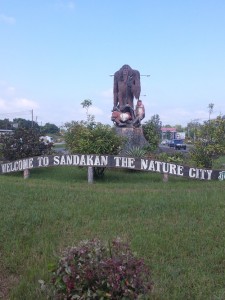
SandakanSandakan is a small city on the east coast of Sabah, Malaysia Borneo. It is a port city and relies heavily on the palm oil trade, as well as other exports like cocoa, tobacco and sago.

Tourists use this city as a gateway to Sabah’s natural beauty with nearby eco-tourism destinations such as the Sepilok reserve, Turtle Islands, Danum Valley and the Kinabatangan River. It does not have much to see in the city itself but offers a couple of nice restaurants and a shopping mall at Harbour Square.  There are also a few historical sites and a museum if you have some time to kill.

It is about 6 hours by bus to Semporna and 2.5 hours to Bilit (known for eco-tourism lodges along the Kinabatangan river).

Read more on Sepilok, Kinabatangan River and Semporna here.