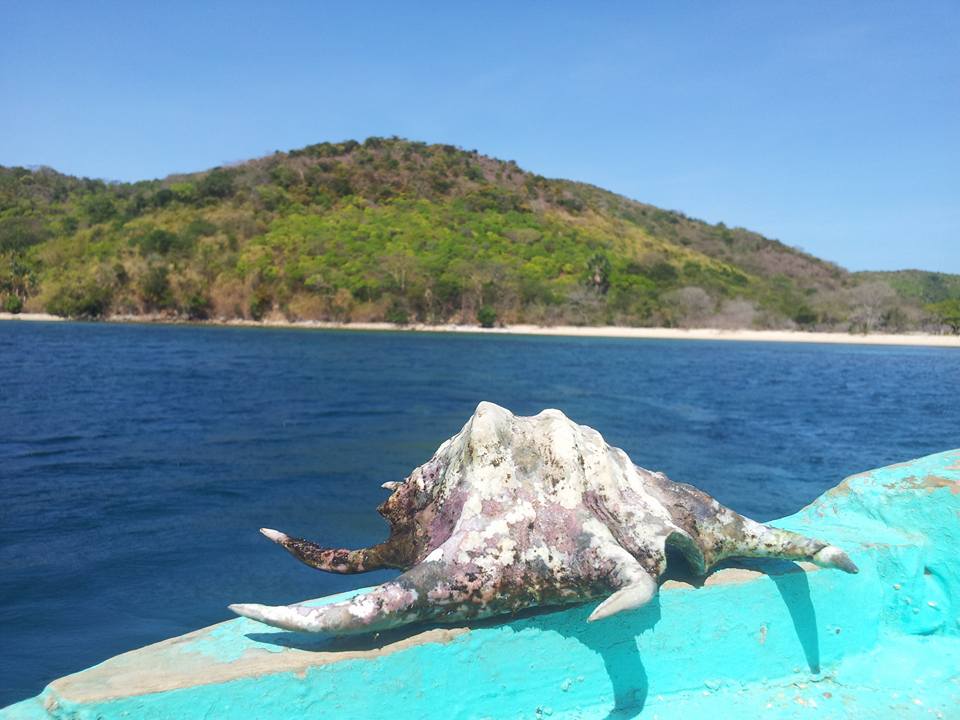
“We didn’t take any shells away from our travels in these magical places; that would be against the rules.”
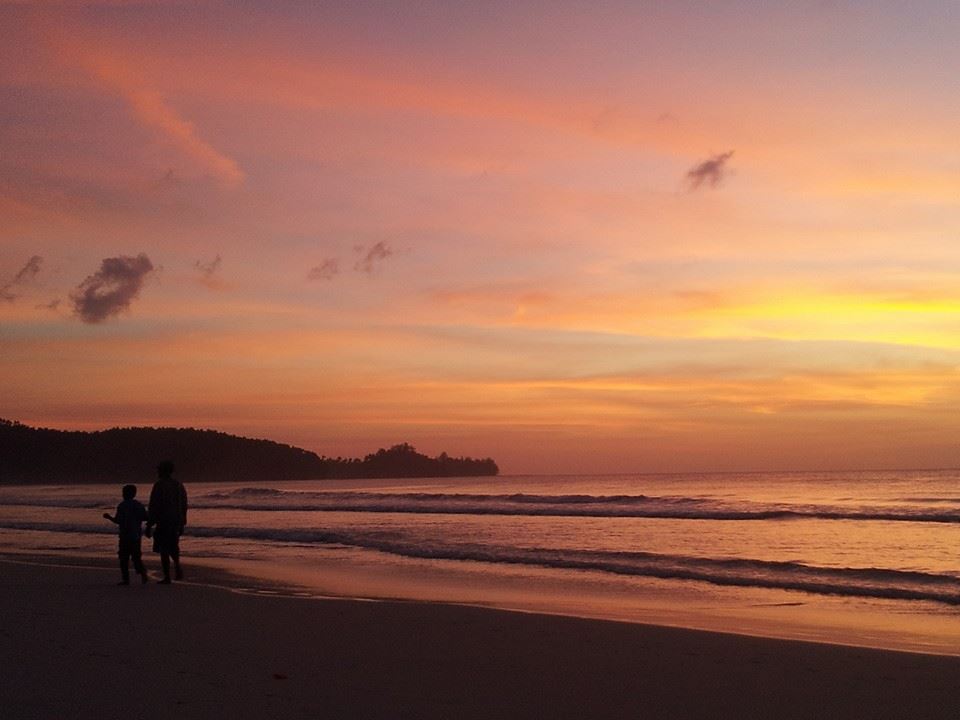
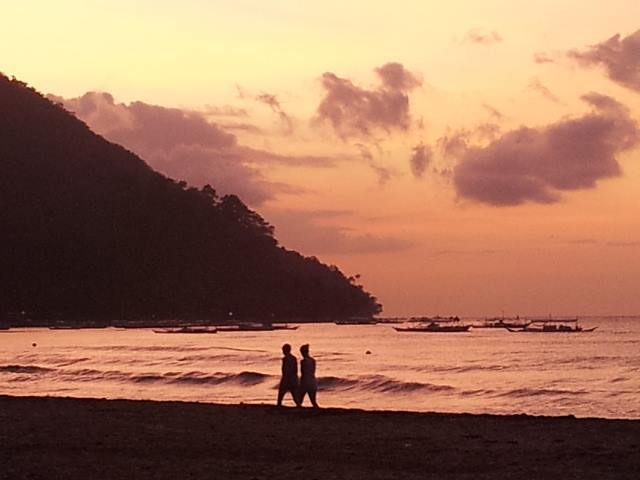
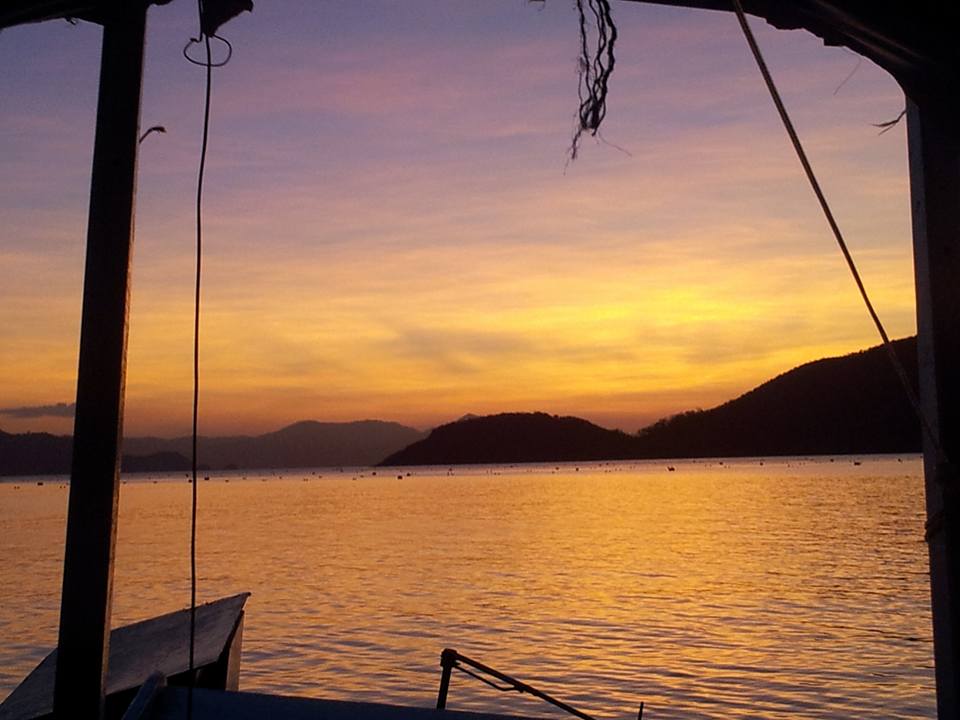
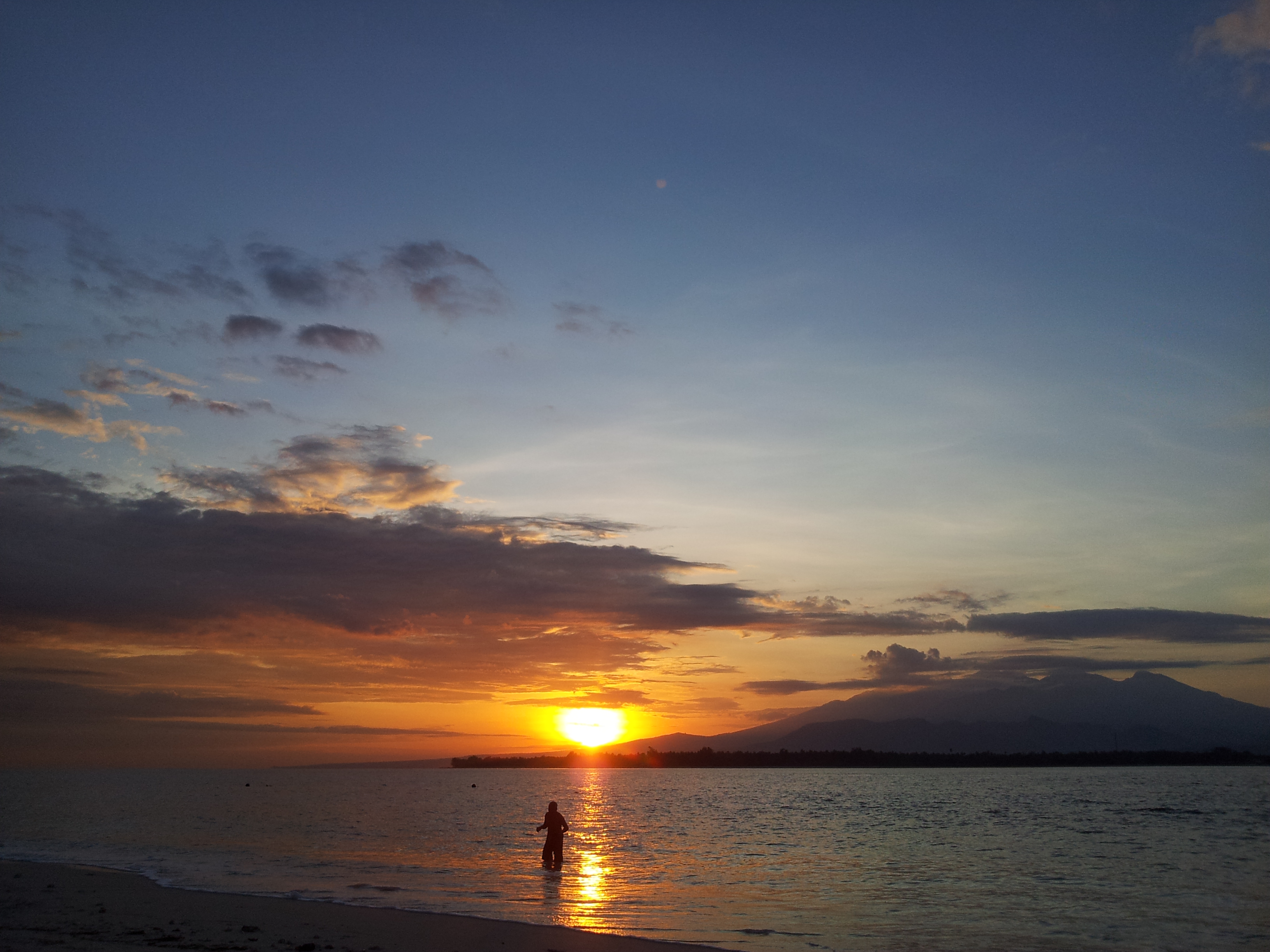
Sunset at the Tip of Borneo. PHOTO BY HEATHER LIND
August 14, 2023
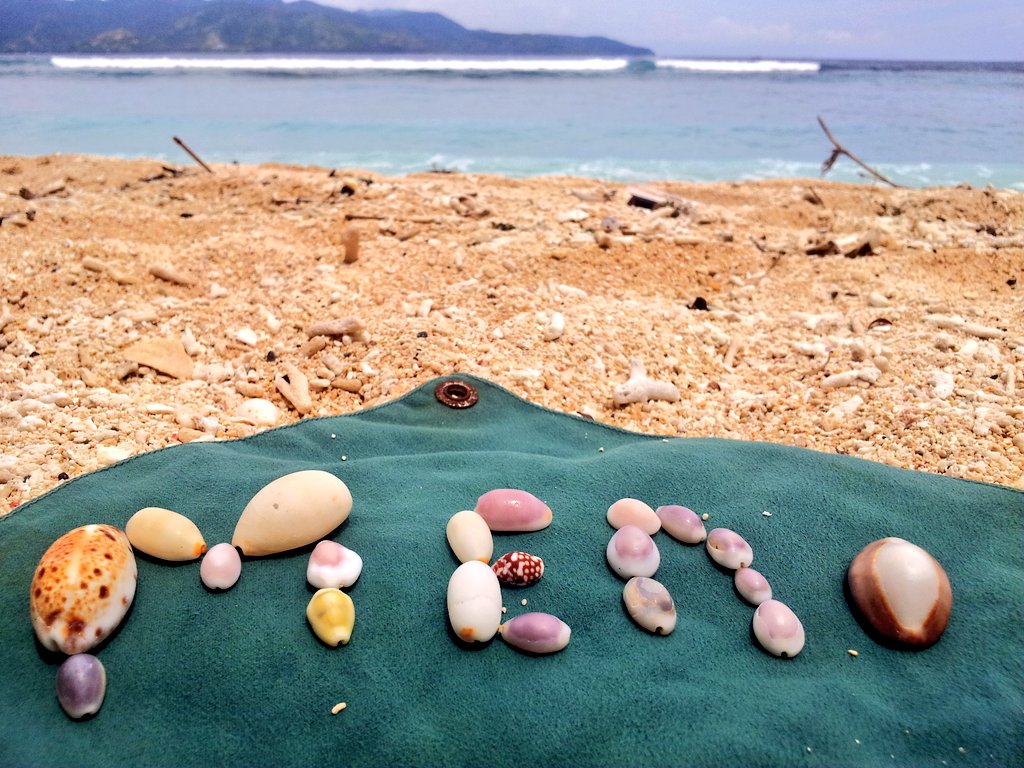
There’s something about shells that has always fascinated me. Since I can remember, I’ve felt a calm descend as I walk slowly through the sand. I glance here and there to find the prettiest, most interesting shells the beach has to offer for the day.
Sometimes, you have to look for a tiny point sticking out among grains of sand before sticking your toe in and flipping it out to reveal what’s underneath. Sometimes, it’s just a piece. Other times, it’s an unexpected masterpiece that you can’t stop looking at in your hand.
Beaches Around the World Have Shells For Us To Find
When we were on the north coast in the school holidays, seeing old dried turtle eggs on the dunes was very exciting. It reminded me about the time we arrived at a beach in Kenya for a few days with family. It was raining. We jumped out of the car after a flight and a taxi ride from Nairobi. People were running to the beach to watch tiny hatchling green turtles emerging.
Only God could have timed that for us.
Those little turtles were awe-inspiring. Working with all their might to get out from their deep nest under the sand and poking out their heads into the rainy afternoon. They were absolutely covered in sand and moving their flippers constantly to try and move forward. Slow, awkward moments made their path a long one. but they kept going until they reached the shoreline. They’re so fast once they’re in the water; unbelievably fast after watching them struggle on the beach!
Another Fantastic Beach – The Tip of the Dog’s Ear in Borneo
Two years before that, we’d spent a month in Malaysia Borneo. My Number One favourite memory was diving in to snorkel in the Coral Triangle, the same area as the world-famous dive site Sipadan. The turquoise sea is stunning when you’re on the little speed boat. But once you dip the mask down into the salty water, it’s indescribable.
Incredible.
Paradise.
Colours as you’ve never seen them and moving things everywhere you look. The mantis shrimps shimmered next to blue spotted rays and parrot fish and thousands of other creatures going about their day.
But seeing the turtles was just magical. Huge green turtles you could ride on if you could catch them – you can’t, they’re too fast! – and munching on sea grass or zipping by in the current. Hawksbill turtles, too if we were lucky, big and small.
Thankfully, the military shells around Sipadan weren’t in action while we were in the area, though we did hear shots and explosions every now and then. Apparently, it was just a normal thing and we were told to ignore the sounds and rather focus on remembering to put on sun-cream.
Don’t Take Shells, Just Memories
We didn’t take any shells away from our travels in these magical places; that would be against the rules. But we did take a big cowrie home from our favourite North Coast beach. It was one that my then-boyfriend snorkelled to find deep in the reef so that he could use it as a ring holder. But that story, involving secret sibling setups and too-long walks that almost ruined the proposal, is for another day. And we still have the shell.
We are certainly beach people, ever happy with sand between our toes. From Travelinds personal experiences, the following beaches are definitely in our top ten choices from around the world:
10. Blue Lagoon (Bali, Indonesia)
One of the little known Balinese beaches, this secret beach lies over the hill and around the corner from Padang Bai Harbour. Blue Lagoon boasts a fascinating reef just a few steps into the water. Walk to the beach from the harbour by heading up and over the steep hill on the eastern side of Padang Bai Beach Road, then grab a snorkel for a day of underwater relaxation. We even saw eels and turtles in the little reef. Be sure to support the local restaurants (there are two) as these owners keep the beach clean out of their own pockets.
9. Gili Meno (Lombok, Indonesia)
One of our Indonesian favourites, the Gili Meno beach actually runs around the whole island (which is only about 1 x 1.5 kilometres). At almost any point, you can swim out about 10 to 20 metres and hit the reef, so be sure to bring a snorkel and some fins and make the most of it. We swam with turtles, lion fish and schools of fluorescent beauties every single day. Wish we could have stayed longer!
8. Diani Beach (Mombasa, Kenya)
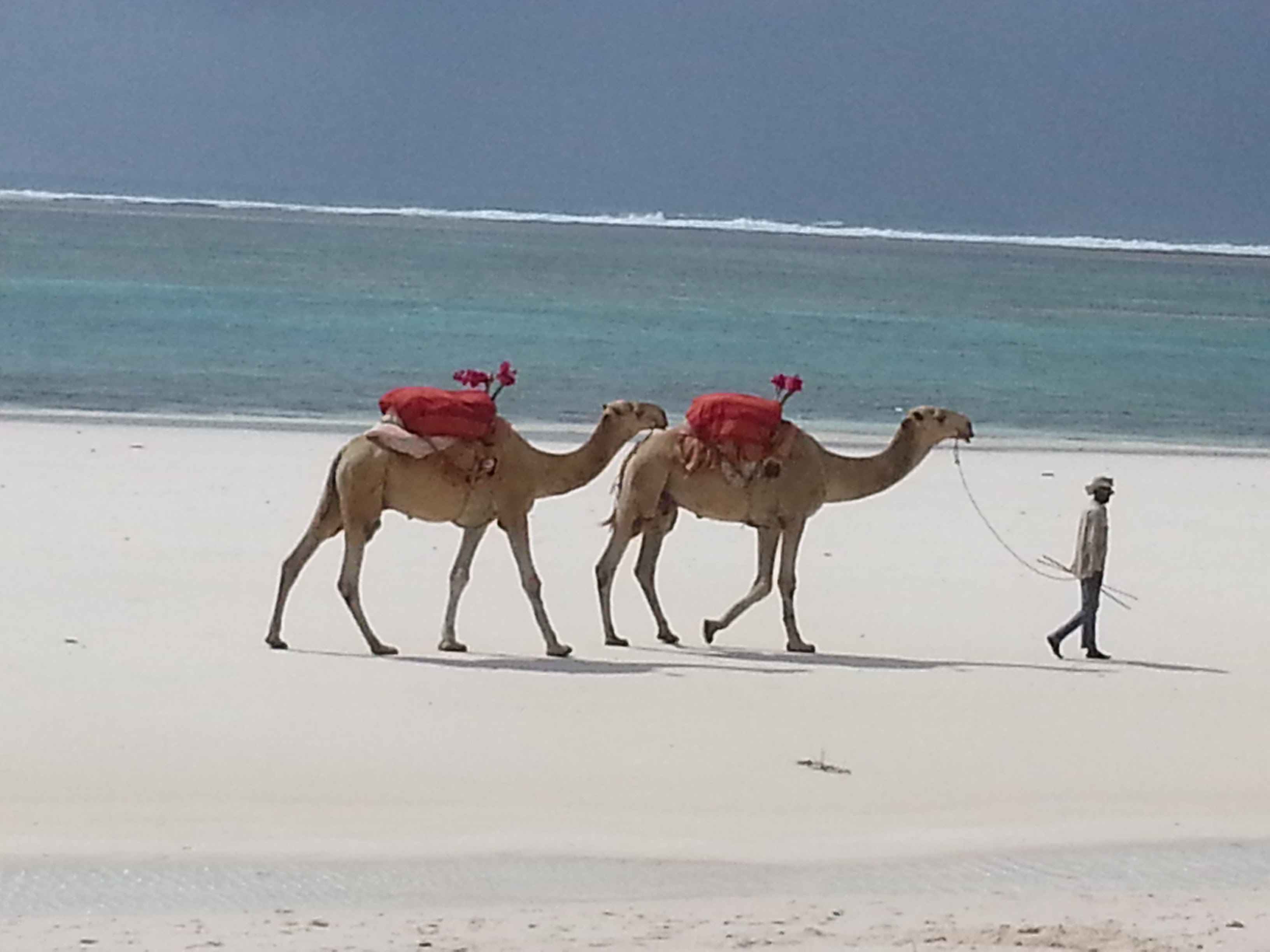
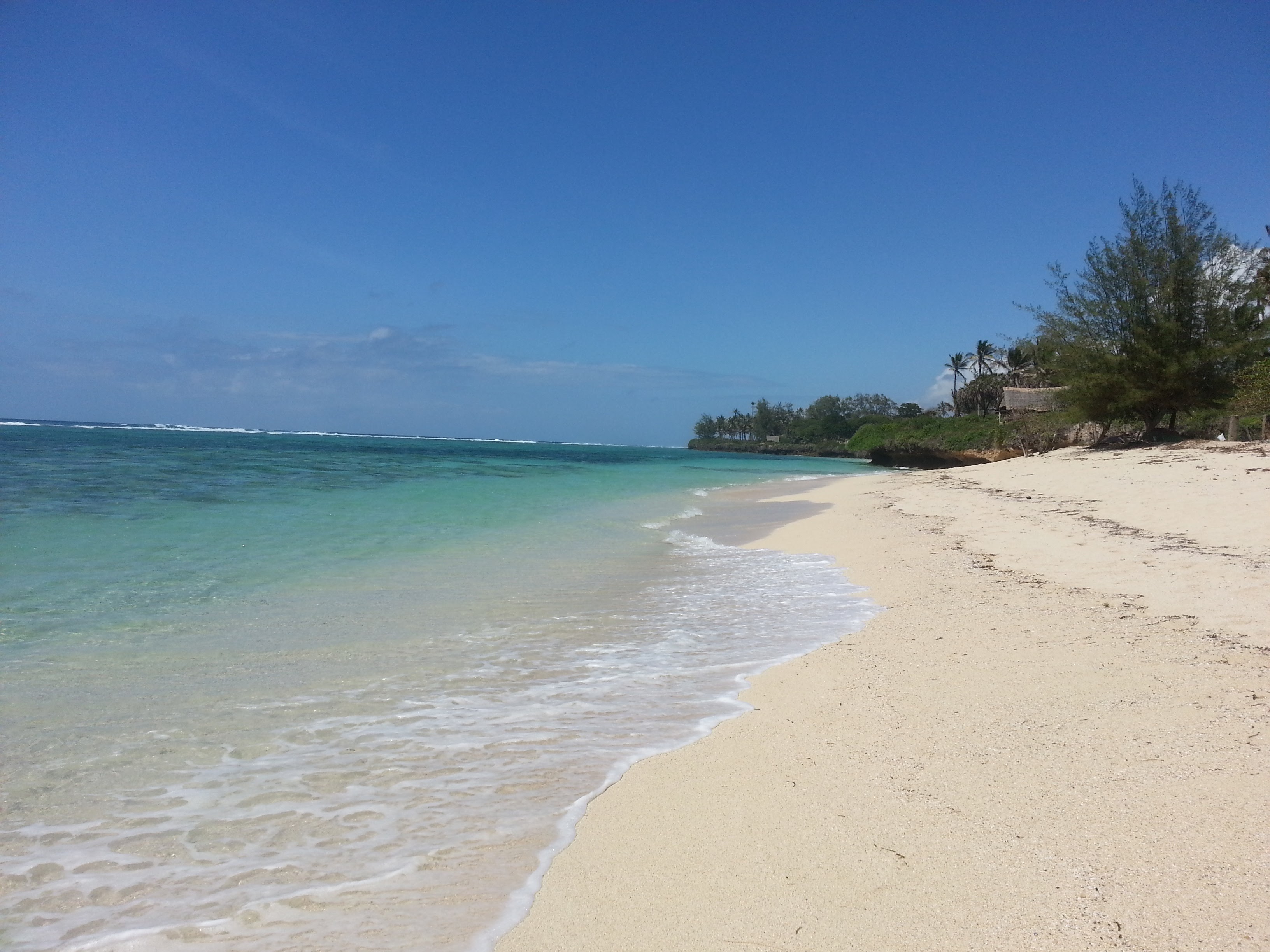
A ten kilometre stretch of fine white sand, gorgeous Diani Beach was definitely our favourite beach in Kenya, with neighbouring Tiwi Beach a close second.
7. Linapacan Islands (Linapacan, Palawan Province, The Philippines)
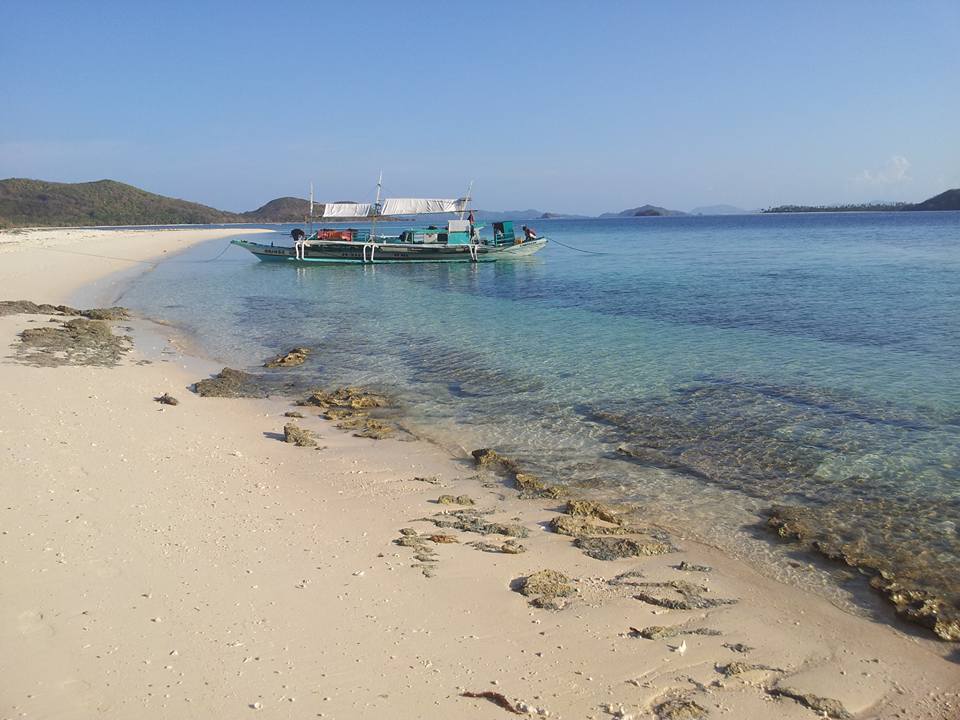
A whole archipelago of tiny islands somewhere between Coron and Palawan mainland, each island with wondrous beaches and its own reef right off the shore. How could we choose just one beach? Check out some of the names and descriptions from our fantastic four-day island hopping tour on the Brinze Kylene Expedition.
6. Barra Bay (Barra Peninsular, Mozambique)
A Northern beach of Mozambique, there is little about it we did not adore. Warm, flat ocean and stretches of Barra sand with smiling locals and coconuts for sale.
Photo credit: Barra Resorts
5. Anbang Beach (Hoi An, Vietnam)
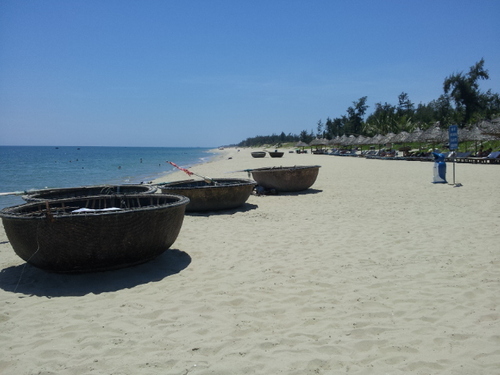
In Central Vietnam, Anbang is a distinctive beach, which is perfect for lazy swimming days and scrumptious lunches at the local chain of restaurants. We cycled over from Hoi An. Buy drinks from the restaurants and have access to lovely thatched umbrellas or wooden booths, especially helpful to escape the midday heat.
4. White Beach (Moalboal, Cebu, The Philippines)
On the western peninsular of Cebu, parallel to a long, beautiful reef, white beach is another gem in central Philippines. Truly, one of the most superb coral reefs in the Philippines, the Moalboal reef (stretching all the way off White Beach to Panagsama) is well worth taking your own snorkel to to swim out whenever you want.
Malapascua Island
3. Mawun Beach (Lombok, Indonesia)
The long stretch of Mawun white sand that lines a peacock-blue bay, perfect for long morning swims. A fleet of tiny fishing boats floats upon sparkling, clear water sits to one side of the bay. Take a motorbike to get there from Kuta and be sure to take some cash to support the local vendors and family restaurants.
2. Sempang Mengayau – Tip of Borneo (Sabah, Malaysia Borneo)
Soft white sand borders the Sulu Sea of the Sabah Dog’s left ear. A secluded stretch of paradise all to ourselves is only one of the beautiful beaches in this area. It was 7 days of bliss.
1. Mabibi (Kwazulu-Natal, South Africa)
The place where Travelinds began their journey together on the Elephant Coast, part of the rugged Kwazulu-Natal coastline in South Africa. Look out for turtles laying their eggs along the dunes and whales passing by the north coast beaches. Walk for kilometres and breathe in pure African air. The Mabibi campsite is rustic, no electricity (except in the cabins) and hot water for showers in the communal ablution block. Nearby, Lake Sibaya is absolutely breathtaking. This is our number one favourite beach in the world – by far!
We arrived at Ukunda Airport (Diani) having been warned of blistering heat and humidity; and told to definitely wear shorts and leave the jackets at home. As soon as we landed, however, it started raining and stayed wonderfully cool for the whole two weeks we were in Diani. Daily rain showers kept things fresh, settling the dusty surrounds and covering the landscape in a lather of clouds against the harsh equatorial sun.
The taxi driver kindly took us shopping (at the supermarket) so that we could fill up our grocery bags and then we headed over to Sand Island Cottages on Tiwi Beach.
Surprise! Turtles!
Arriving on the first day at Sand Island in the pouring rain, we were excitedly told that green turtles were hatching, so naturally we ignored the torrential downpour, left our groceries in the taxi, and ran to watch the stragglers, as they tenaciously found their way to the blue ocean in front of our cottages. Drenched and happy, it’s something I will never forget – what a special thing to witness this brave fight to survive against all odds. And it happened twice during our stay!
The cute little creatures had to fight against sand, grass, dogs, birds, a hungry octopus, hunting fish and all sorts of other obstacles to freedom; just so that they could reach the big wide ocean beyond the reef and face the real dangers of life underwater. The survivors of this family will then head straight back to Tiwi Beach in a few years time to carry on the generations of green turtles and the cycle of life.
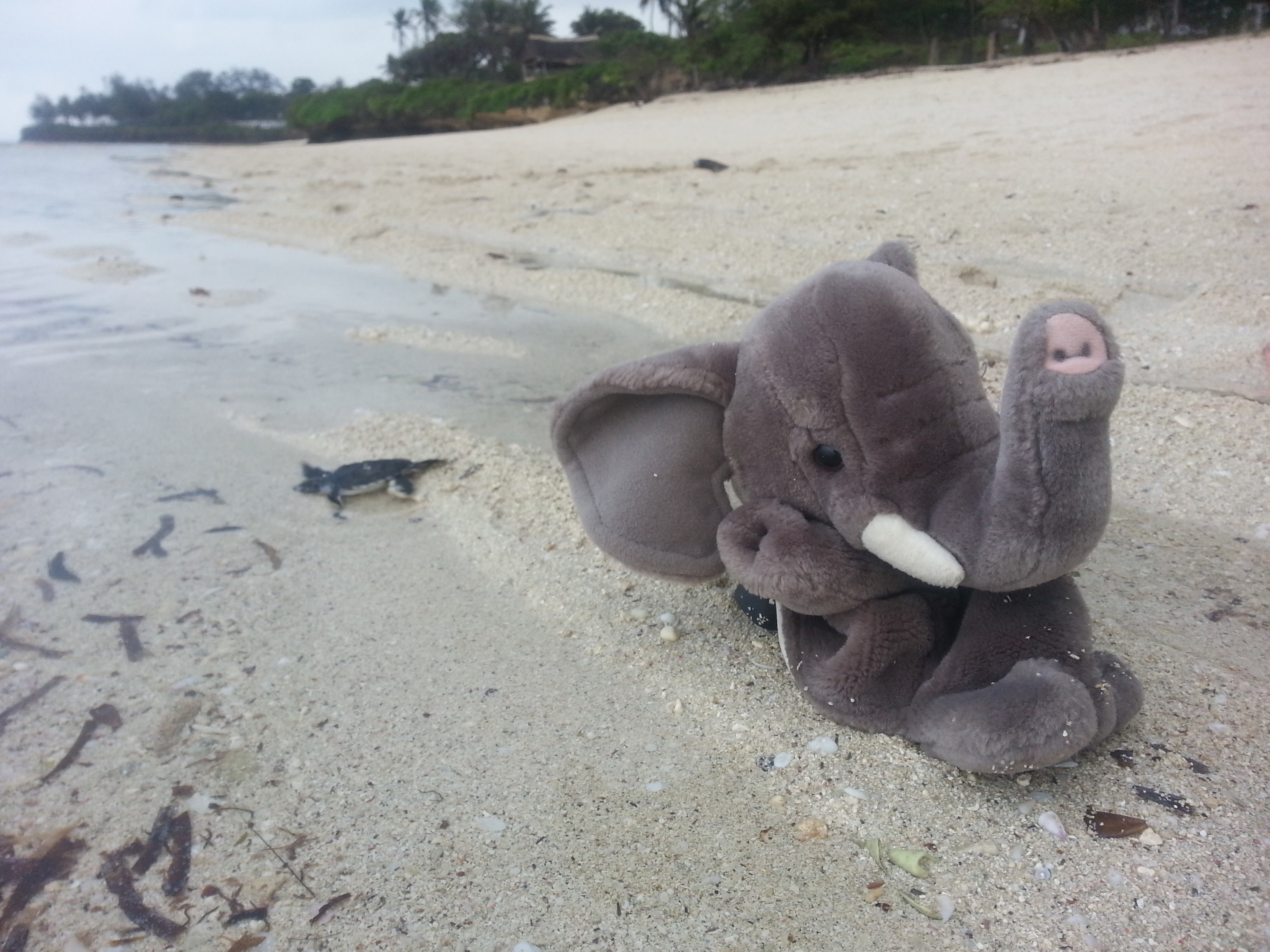
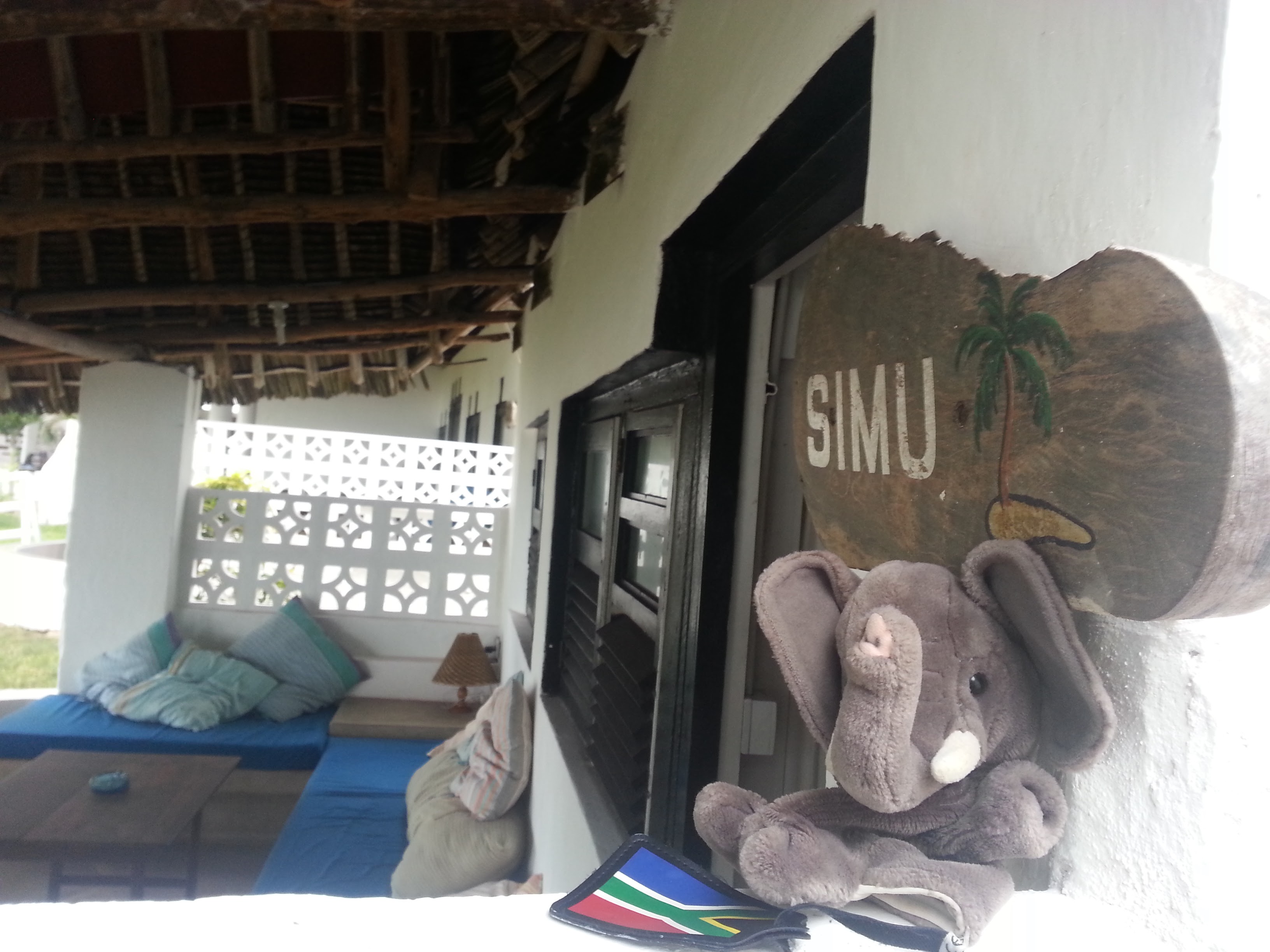
Nelly the Elephant (Twitter: @Nelly_Says) celebrated as the last baby turtle finally reached the ocean!
Saidi is the turtle conservationist for Tiwi Beach and kept us well-informed about the turtle protection efforts here. Smiling and friendly, he carries a great respect for the turtles and strives to educate everyone he meets about their qualities and needs. The training he received has given him the skills and conservation knowledge he needs to save Tiwi’s population of turtles. He relocates the nests to safer distances from the sea (or from people) and monitors the progress of the nests that are labelled and recorded by Watamu Turtles.
Sand Island Cottages
These quaint beach cottages are a great choice for a quiet getaway and a couple of days (or weeks) of rest. North of Diani, it’s about a fifteen minute drive from Diani Beach and well away from the hustle and bustle of the town itself.
Named for the sand island that appears during low tide, Sand Island Cottages are the perfect location to see the coastline open up as thousands of birds descend of Sand Island to pick up the crabs and sea titbits left exposed by the receding waters. Watch out for the abundance of spiky sea urchins when you walk across the bay!
The self-catering cottages were comfortable, airy and clean, with views of the beach and shady verandahs with soft cushions to nuzzle into a gripping book from their library (all proceeds from the small book rental “fee” go towards providing books for the local schools in the area – initiative I thought was fantastic!) Our friends and family stayed in Simu, Pono and Tewa.
Tiwi beach was clean and pretty much private to those staying at the handful of resorts along the shore – no beach boys or tour operators in sight. The beautiful Kenyan lady at the resort, with her colourful outfits and a smiling baby strapped to her back, kept us in abundant supply of samoosas and ‘mandazi’ when we needed it; and there were people to buy fish or kikois from if we needed.
Mandazi is something like the South African ‘vetkoek’ (fat cake, in English) and is a mouthful of deep fried, doughy deliciousness somewhere in between a donut and a bread roll.
The staff and management were professional, attentive, kind and friendly – it felt like we were part of the family and being looked after with great care. Arty and Cheryl provide excellent service and information about the area, being happily available whenever needed and concerned with bettering both the environment and the community around them.
One initiative we like is the Book Hire system at Sand Island Cottages. There is a library of books available for rent by guests, with a small fee paid and a deposit that you get back when you return the book. The small amount kept by Sand Island goes towards providing books and materials for the local schools in Ukunda that need it the most. So get reading!
Kenyan Hospitality
Running through the local communities along the beach road under the watchful eye of some ancient Baobabs, it was easy to see why the Kenyan people are known for their smiles and friendly greetings. Those commuting to work on their bicycles gave a friendly wave and a happy “Jambo, jambo!”; and there was always singing somewhere on the wind.
There are locals around to lend your support to: like turtle-volunteer Saidi who also has a small wooden boat in which he takes guests to see Starfish Bay. We hired the congenial Ali for the week and he cooked superbly for us, providing freshly baked bread rolls, scrumptious curries and Kenyan-Western fusion dishes. The favourite of the week was difficult to choose, but it was either the hand-pressed coconut milk fish curry with chipatis or the delicious American-style pancakes he whipped out; or was it the daily supply of hot, home-baked bread rolls?
Arrival in Coron Busuanga, Palawan awakened a ripple of excitement through the eighty or so passengers on the small twin-propellor plane, as we shuddered over aquamarine bays with beach-lined islands towards the only flat land on Coron Busuanga; the airstrip that opens a gateway to the Caliamanes islands.
Upon arrival the smiling young airhostess kindly requested that we walk around the plane’s wings, collect our baggage and enjoy our stay in Coron. She looked quite relieved to have finished her duties because we had left an hour late due to delays from the Manila air traffic control tower and she had done a lucky draw of some CebGo souvenirs to keep the mood light and the passengers entertained.
What to expect
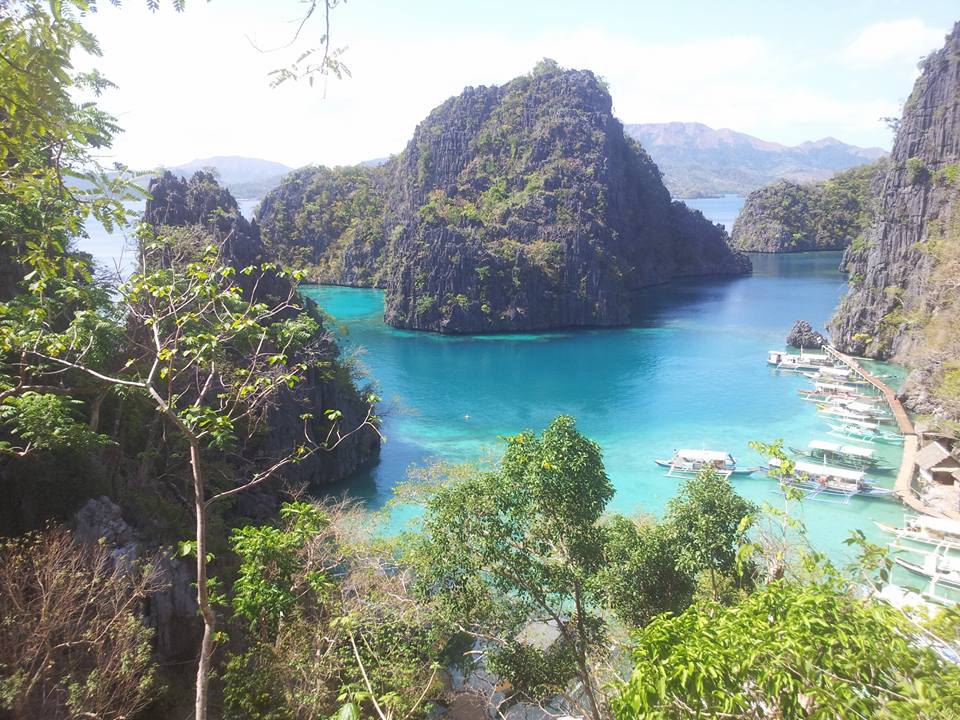
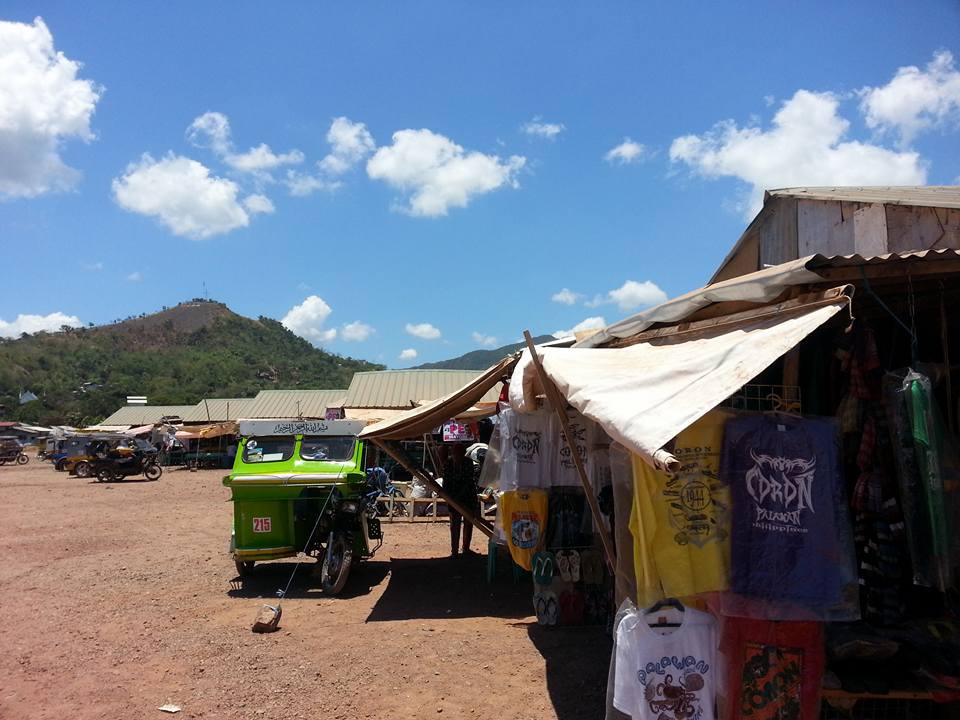
The first impression of Coron Busuanga was of a desert island; brown, bare mountains all around with dusty roads and a couple of herds of livestock scattered around the shade of the few unburnt trees (even a few Brahmans, Dad!). Where are the islands and the lush green coastal vegetation? Well, it turns out that we picked the hottest time of the year to visit this tropical paradise. Everything is brown, there is enough breeze to keep you from keeling over, but an airconditioned room is a precious commodity and a highly appreciated respite from sweaty streets.
That’s one of the Travelinds pair in the bay below Kayangan Lake viewpoint!
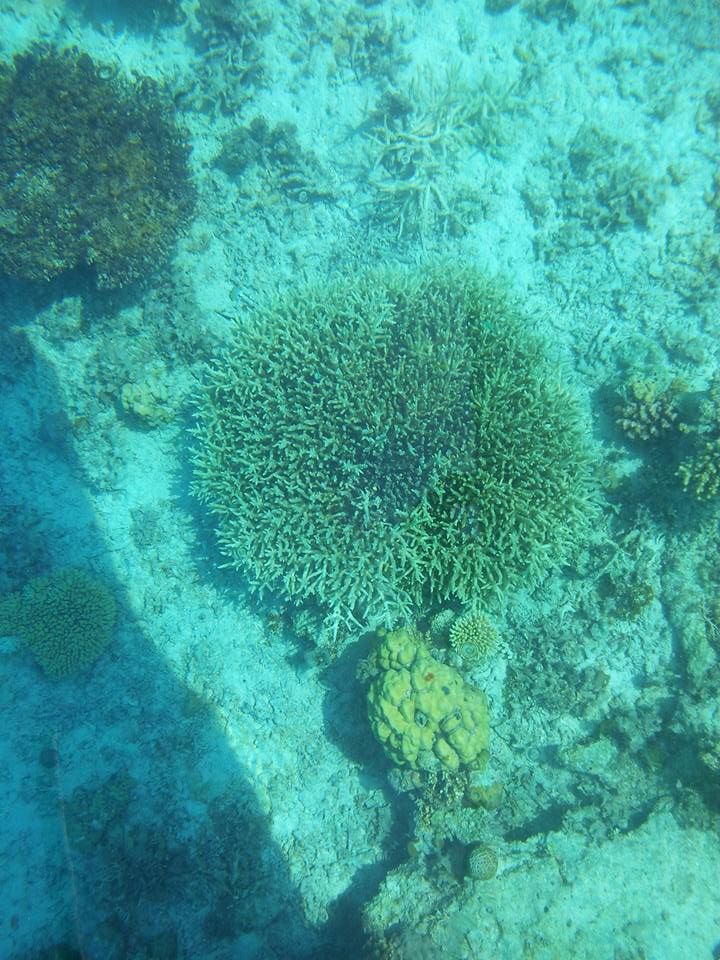
It’s also the most beautiful time of the year for sea conditions (snorkelling in the calm blue ocean!) although in some areas we met with some scary and abundant jellyfish (but were able to swim around the few big box jellyfish easily). As far as island hopping goes, the weather is absolutely perfect under a shaded boat – the breeze keeps you cool along with frequent swims and snorkelling throughout the day. Like a technicolour kaleidoscope that draws the eyes from one amazing sight to the next, the sunlight filters down through the pristine waters and illuminates the beautiful reefs and all therein.
Highlights of Coron Busuanga (the town)
Favourite taxi driver: Erwin was phenomenal. We called him all the time, he found us accommodation on the last night, a boat, contacts and cellphone assistance. Call him on
Favourite snacks: Julie’s bakeshop (around the corner from Xpeditions office) serves fresh bread of all varieties daily. It is possible to buy whole bags of deliciousness for under 100 pesos.
The Coron Public Market where we bought most of our fresh produce.
Xpeditions in Coron
Having done some research online and looking at flyers in town, we decided to go on a tour with Caliamanes Expeditions Ecotours. It seemed like an organised, eco-friendly company that was as careful to preserve the environment as to show off Coron’s best assets. We did Tour E and Tour B and were very happy with both of these tours – despite the slightly commercial nature of the tours (where you quite a few other tourist boats and most do the same routes from day to day).
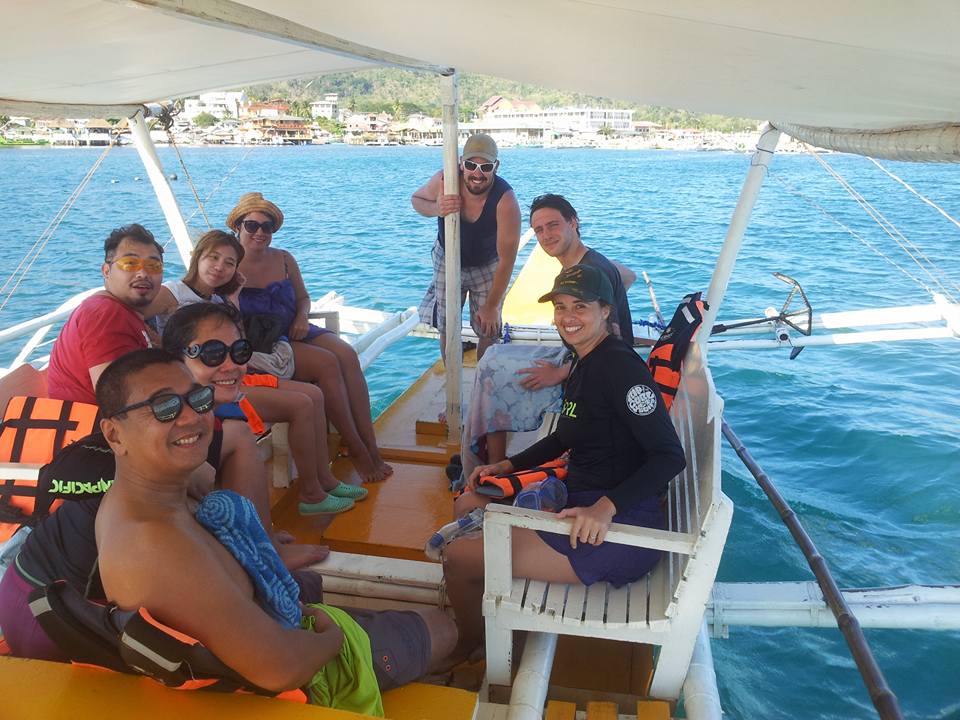
Xpedition Tour B group for Coron Island
Tuktuk Adventures
Erwin and Ricardo were two extremely helpful tuk-tuk operators during our time here but represented the two extremes of Coron’s (and Philippines) service levels. Erwin picked us up and tried to charge us more than double the amount that our hotel mentioned, then dropped us at a ‘delicious local food’ restaurant (after our request for cheap local food), which had prices three times the amount of the real local hangouts. Needless to say, we ditched him the next day.
Ricardo, on the other hand, was a polite, soft-spoken driver who gave us free commentary, great advice, honest information, and standard prices. He showed us real local restaurants, helped us sort out our Globe/Smart SIM card problems, found us another place to stay when we needed to rebook and also came early in the morning to help us look for a cargo boat to Linapacan.
Coron to El Nido
After four days in Coron, we decided to head towards a new (unplanned) destination on our way to El Nido. Having read up about Linapacan (with its 54 islands), we tried for two days to find out how to get there and what to expect. Tao travel agency in Coron (near the bus terminal) was helpful and found out about the shuttle boats (for mostly tourists) for us at 900 pesos per person, leaving at 7.30am on Wednesday. This was for only one company though, which had limited day schedules (but we didn’t know this until later).
Other blogs had mentioned finding a cargo boat (doing deliveries) to catch a lift for a much cheaper fare (anything from 300 pesos up). We tried to find one on the one day, couldn’t and went to speak to the main pier personnel for more information. They informed us that there were boats most days to El Nido (different tour companies) for 800 pesos (purchase the ticket at the terminal at 7 am on the day).
These trips are not guaranteed, as the weather and other factors can cause delays or even cancellations. As always, one needs a flexible schedule and a positive attitude about setbacks when travelling in the Philippines.
All in all, we managed to catch a boat, explore the islands, meet fabulous islanders, attend a local wedding, snorkel on deserted coral reefs and make a lifetime’s worth of cherished memories. Check out the details in Exploring the Islands of Linapacan.
Palawan Mainland
From Linapacan, we took an island-hopping tour boat to Sibaltan to spend our last five days exploring Palawan island. Arriving on the mainland after four days on an island-hopping boat was like travelling to a different planet.
Sibaltan
At Sibaltan there were buildings, shops, basketball courts, hotels and lots of smiling locals. Since we only had five days left in the Philippines, we made our way from here to El Nido and then to Sabang before catching a flight home from Puerto Princesa.
Spending only one night in Sibaltan, we stayed at the new Bayog Beach Campsite in a tent. The museum also had a cheap room open and there were two other lodges along the palm-lined beach, too. Bayog’s friendly owners organised a van for us to El Nido for early the following morning.
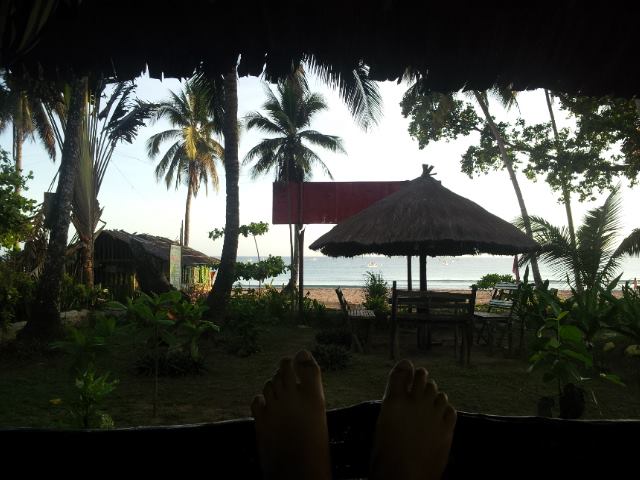
On a bamboo platform, the tent had a comfortable double mattress, a place for luggage, a bug sheet, and good ventilation. We looked right out on to the beach a few steps away. The bathroom (shared) was clean and well maintained. The staff was friendly, polite and professional. The tents are placed for privacy from others and a view – with two hammocks, a table, and chairs.
El Nido
El Nido was a totally different place from any we had visited before. It has the beauty of the islands, with the tourism of Boracay and the rugged landscape of Borneo – and a touch of fairyland. An interesting place to keep you occupied, or rested, depending on you. The limestone islands made us think of Krabi, but, it has far more beautiful water colours on the dazzling bays.
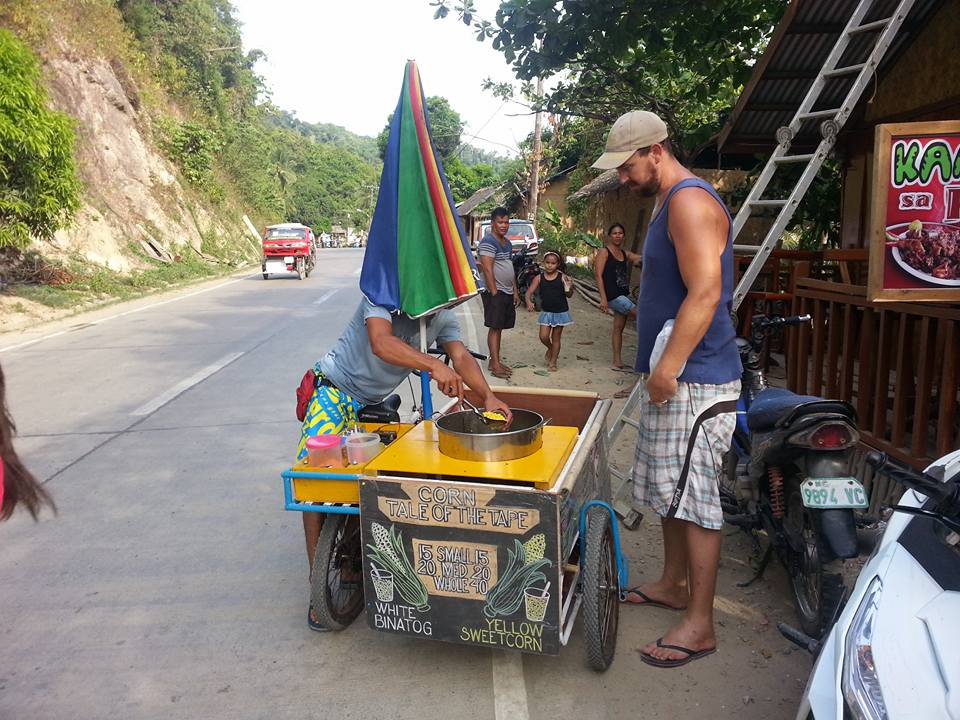
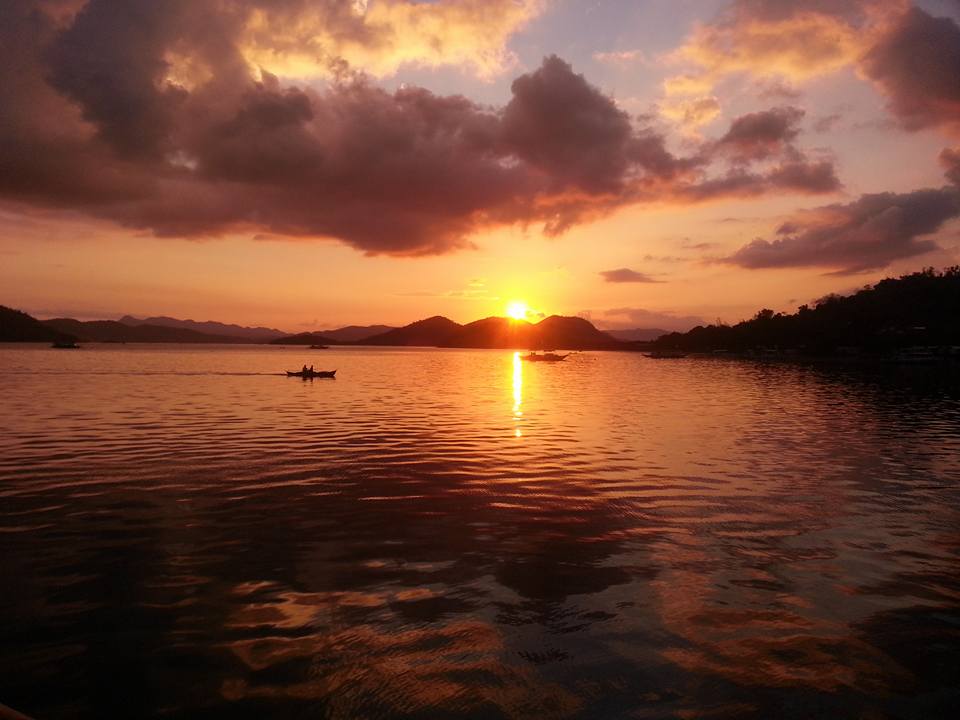
We arrived, found a hotel (Tres Verde), explored the town, met a flamboyant Italian with a zest for life called Fabio, joined up with Fabio for a tour (with a local fisherman that we found on Corong-Corong beach), bought corn from a corn guy, bought pork from a pork barbecue on the side of the road (just pieces of pork), walked the town ragged looking for an ATM (and didn’t find ANY WORKING ones), marvelled at the sunsets and then unfortunately, had to leave to see Sabang on the way to catch our plane home!
Sabang
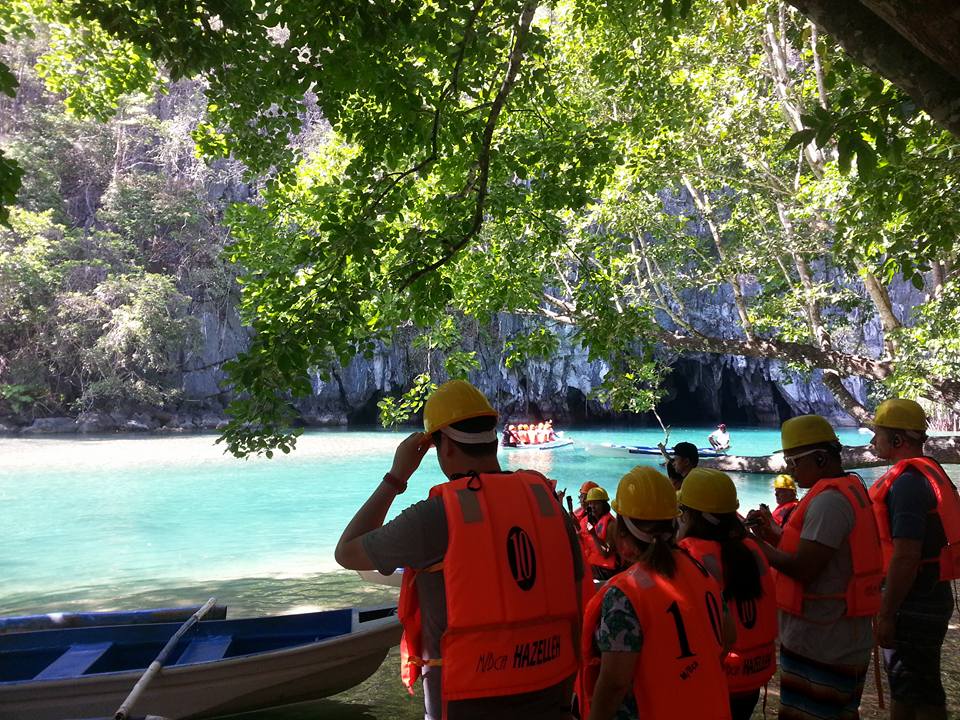
The last stop on the impromptu itinerary was Sabang – most famous for its location alongside the Palawan Underground River – a subterranean river featured on the New Seven Wonders of Nature list. We had already seen Halong Bay (Vietnam), Jeju Island (South Korea) and Table Mountain (South Africa); so it was high up on our list of must-sees while in Palawan.
Sabang is a tiny village whose economy basically revolves around the tourists going in and out of the underground river each day. There is one fancy hotel, a couple of lodges and a few backpackers, small stores, one or two restaurants and a long, sandy beach lined with palm trees and hammocks. As a destination, we would have stayed here even without the subterranean attractions.
Manila Airport
As an aside, this is the first time we’d used Manila airport (April 2016) in eighteen months and we were nervous about our short changeover time between Terminal 3 and 4. Previously it took us a good two hours as we had to exit Terminal 3, catch a taxi (or wait for the 20 pesos unairconditioned shuttle van to fill up) across Manila’s rightly infamous traffic and then rush in to Terminal 4 to do the next three security checks (and that was only if we had our boarding passes already printed). This time was a completely different experience.
We walked through immigration in about three minutes, found the signs (still inside the terminal) for the inter-terminal transfer, picked up a free Globe sim card and drew money at one of the handful of ATMs on the way, signed up at the desk (where she also printed our boarding pass), went through one security gate and waited about fifteen minutes for the shuttle bus. The shuttle bus then took us over the runways to Terminal 4 in about ten minutes and we simply walked in to the domestic terminal. What a breeze!
An amazing end to life on some Philippine islands, our Brinze Kylene expedition took us from San Miguel, Linapacan and ended at Sibaltan on the Palawan mainland. Read about how we came to meet them here.
The Hosts
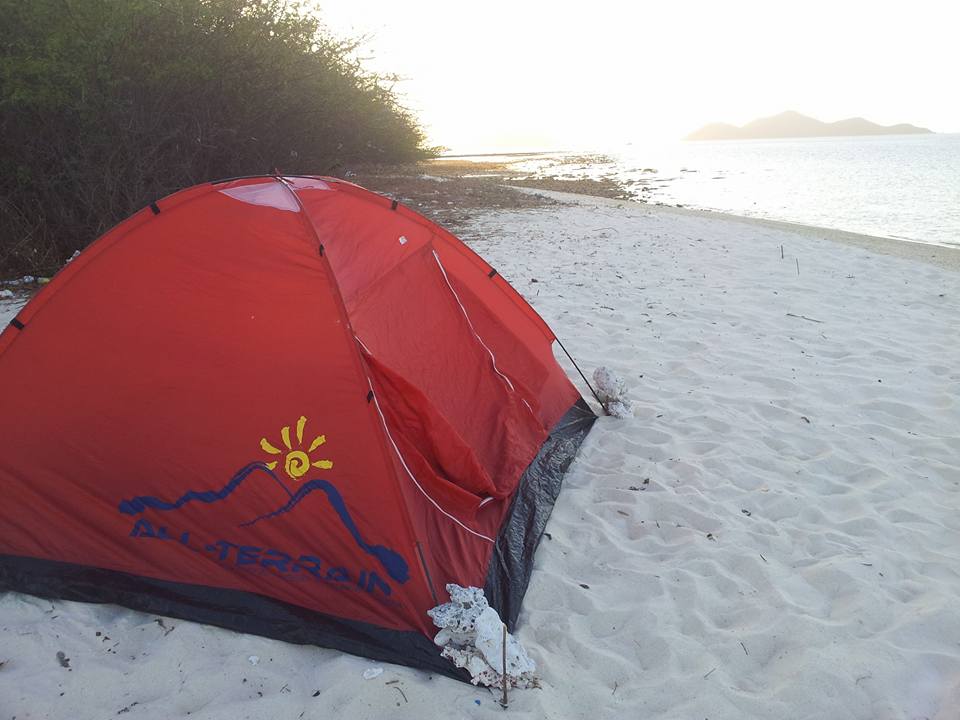
Our hosts Benji and Maileen were entertaining and hospitable, looking after us throughout our stay in Linapacan, as well as on the island hopping tour. Their service was phenomenal and so much fun. Their crew, Midel and Guerrero, seemed to have limitless energy and kept the boat running smoothly through the whole trip. They cooked for us, put up and took down our tent, found us the most exquisite coral reefs along the way and entertained us each night around an impressively large bonfire.
The Boat
Since we spent most of our time on the boat, it serves that it was rather comfortable and well-equipped for such a simple carrier. Described as a catamaran-style with balancing beams on each side, it had benches, a small cabin, a tarpaulin covering, a ladder to get out of the ocean and a small boxed-in toilet and wash area. Downright luxurious in terms of the local fishing boats!
The Food
Every day in the Philippines is another chance for fish and rice. Different fish, mind you, but fish all the same and rice to fill in the gaps. We loved the fresh seafood and feasted on lapulapu, barracuda, squid, white fish and tuna – all barbecued over a fire and served with a decent portion of sticky white rice. Every now and again we ate the precious commodities called vegetables (cabbage, carrots, tomatoes, peppers and cucumbers) and this was a real treat for the locals and for us as availability is scarce.
The three kilogram barracuda we bought from another fisherman.Lapu Lapu fresh from the ocean.A peacock mantis shrimp that we caught and ate!
And Most Importantly, The Islands
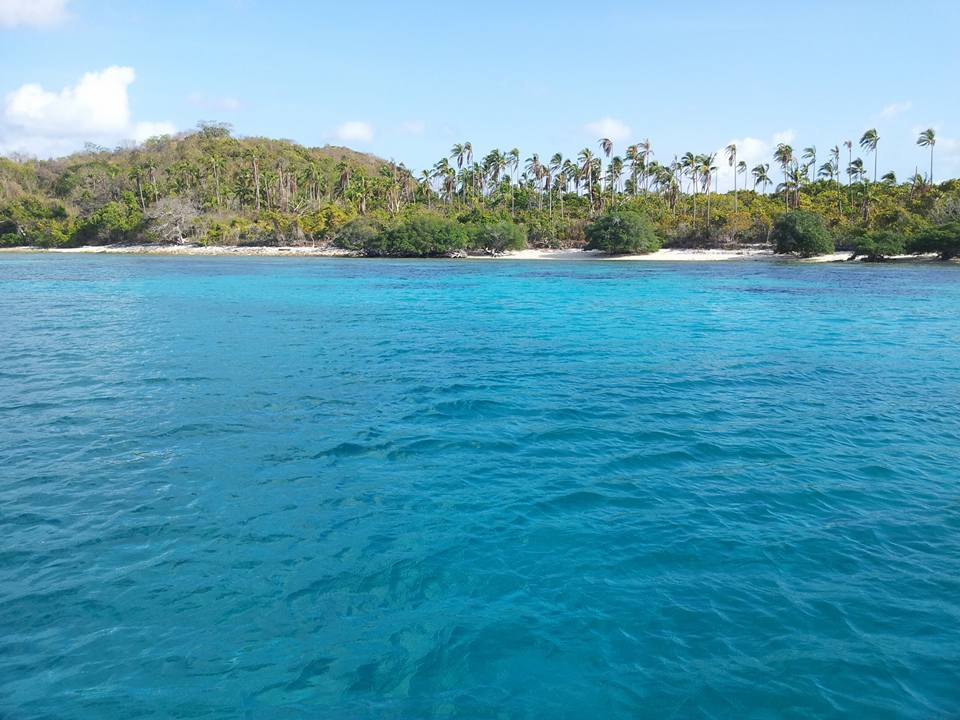
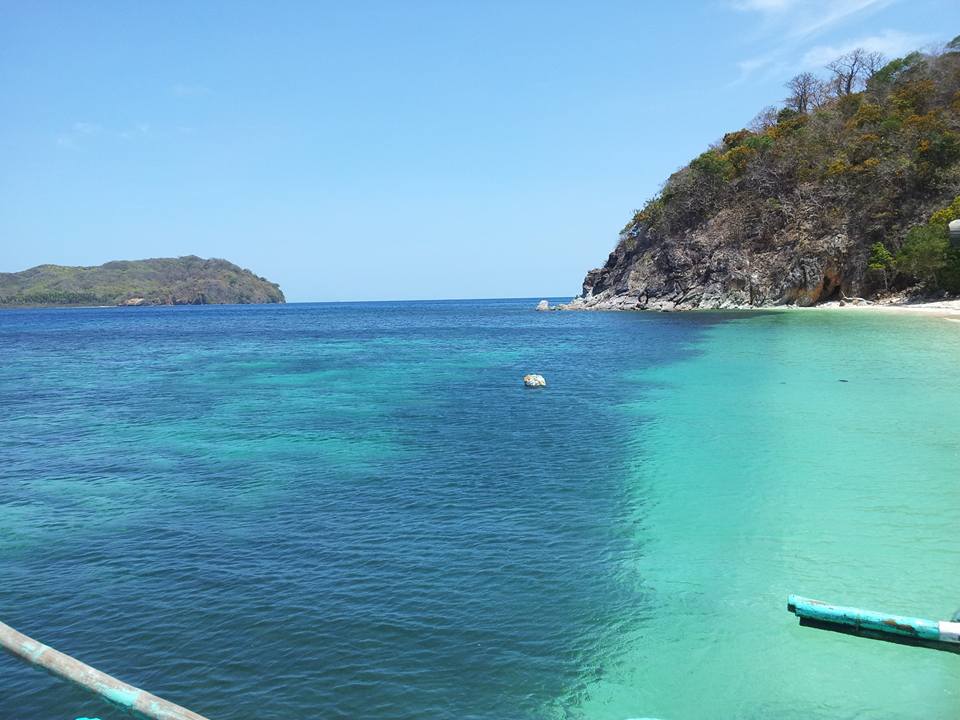
The archipelego of 54 islands is hard to describe because each one is slightly different to the next, sparkly, beautiful, rugged and unspoiled by industrialisation or development. We lost count of exactly how many islands we visited in the end, but managed to go at least 15 islands on during the 4-day trip.
Linapacan is said to have some of “the clearest water in the world” – we believe it! Check it out.
Here was the itinerary:
Day 1: Leaving from San Miguel, to Dimancal (check out Karel’s tent resort here), Bolina, Manligad, Asis and Cagdanao (first island camp spot)
The island across the bay, Balenben, had island huts available for rent at 300 Pesos in a fantastic reef area.
Day 2: Manlihan, Cala-cala (spelt Lacalaca) and Takling (second island camp spot)
Day 3: Calibangbangan and Magransing (third island camp spot – the most beautiful place we have ever seen!)
Day 4: Pical, Mausunon and ending at Sibaltan (mainland Palawan)
Each had coral reefs right off its shores and were almost guaranteed to be completely deserted. Besides, don’t these pictures (from a humble camera phone) make you want to go there right now? Call Maileen and Benji for an adventure on the Brinze Kylene!
Linapacan is well worth your time – wow! What do you think about Palawan?
“…a series of swims, naps, novels, games, walks, talks and snorkels with turtles…”
We could end it there, but hopefully some elaboration will convince you that Gili Meno is really worth the effort.
The Gili Islands
When people talk about ‘The Gilis’ they are generally referring to the three tiny Gili islands off Lombok’s northwestern shores (between Bali and Lombok). Gili Trawangan, Gili Meno and Gili Air have become a tourist hub for those searching for a slightly different experience than what mainstream Bali has to offer.
Gili Trawangan (furtherest from Lombok) is the main destination for those party-seeking young backpackers looking to get lost in the endless sounds of deep bass reverberating off the gentle waves. Being the gentle travellers that we are, looking to enjoy natural beauty and soak up God’s amazing creation, Gili Trawangan was the only one of these three that we did not spend time exploring.
Two night on Gili Air, a mini-version of Trawangan (closest to Lombok), was definitely still relaxing and the snorkelling was lovely off the north shore. The Matahari Bungalows did not have a sea view, but were still beautifully finished and well worth 300,000 IRP (including breakfast). Turtles, eels, a ray and a living cowrie were just some of the spots snorkelling off the northern beach (near the Gili Air Wall).
Please note: The management photo on TripAdvisor does not reflect the Matahari bungalows (it shows the beachfront Gili Air Hotel pool with umbrellas which is on the northeastern side of the island).
There are also countless other Gili islands all around Lombok, some inhabited by local Sasak tribes and others not. We did not have enough time to explore these other Gilis or find ways to get there, but it certainly would be off the beaten track from regular tourists.
Meno is awesome
Gili Meno is the middle island, the quietest and the smallest of the three Gili islands. It is difficult to describe how much we loved Gili Meno – so much so that we decided to spend a full ten days here right off the bat. Tranquil island life surrounded by natural beauty and the most stunning coral reef almost right around the island, easily within reach from the beach on every side.
Focussed on preserving its natural assets, Gili Meno boasts a shallow lake (a mangrove conservation area teeming with birds, monitor lizards, Fiddler crabs and golden orb spiders), a turtle sanctuary, a tiny port and a handful of laid back locals and their horse carts. The few lodges, resorts, bungalows and homestays dotted around the island are far enough from each other to give some privacy, but close enough to take a quick walk to find meals. The beach is at most a 10-minute walk away, in any direction.
As on the other islands, and mainland Lombok, the mosque leads prayers five times a day (if there’s electricity); and most times on Gili Meno it’s the island’s children that take turns at the microphone to practice their chants. The islanders are friendly, hospitable, hard-working and always ready for a chat about life in Indonesia. Enterprising and proud of their island, the people are invested in protecting the environment and using tourism in a responsible way (always great to see). It was also interesting to hear mention of an aquaponics documentary that was filmed at the Gili fish farm (somewhere out in the ocean) that the locals go to about once a month on rotation.
Life on Gili Meno is also slightly cheaper for tourists than the other two islands. We were spending about 175,000 IRP per day (for two of us) including accomodation (with breakfast), one other meal and activities (which were free, because we snorkelled right off the beach).
Adem Ayem Homestay
We had an awesome stay at Adem Ayem Homestay (the neighbouring plot to Nura Homestay) in the middle of the island. For only 150,000 IRP a night (low season) there is a wonderful air-conditioned room with en-suite bathroom, free WiFi and porch (and this includes a delicious breakfast from Mama Nura, too).
Nura Homestay is right next to the Mosque, so you’re up at sunrise, however, being a quiet island, we were in bed early too so our days in the sunshine were longer and fuller to enjoy.
Restaurants and Resorts
Gili Meno has quite a large range of restaurants for such a small place and we ate like kings. Indonesian fare is common but there are also a few other types of cuisines on offer. For both cost and authenticity, we stayed with Indonesian dishes and enjoyed curries, nasi goreng, mie ayam and other tasty food – read about Indonesian cuisine here. Our favourite restaurants for the week were Pojok No.5 Star, Two Brother’s, Warung Gratis and Warung Be Family, none of which are on TripAdvisor (these are mostly in the middle of the island as the beach restaurants cost slightly more). On average, we paid about 25,000 IRP per meal per person.
Secret Spot
Each day we went out to explore the island and find a perfect spot for the day. Armed with some of the Travelinds Top 10: Beach Travel Items we found a few fantastic places to plonk down and delve into our books, naps and snorkelling hours each day. Life on the island was a series of swims, naps, novels, games, walks, talks and snorkels with turtles – as it should be. Fantastic!
The one spot is a bit of a secret, but we’ll happily share it so you too can enjoy the peace and quiet of Gili Meno under a shady spot, at the perfect entry point for the stunning coral reef, where we saw turtles every single day! Head along the beach towards the Mahamaya Boutique Resort from Diana Cafe.
Just before Mahamaya, you’ll see a huge bush on the beach with a shady spot inside it. Tucked away from the sun and the tide line here, it is possible to spend hours and hours reading, sleeping, relaxing and swimming – and hang up your snorkels and sarongs on one of the tree branches when you’re done.
You’re welcome!
Secret Spot view of Gili Trawangan. This reef (30 metres out) is where we swam with turtles everyday.
Getting to the Gili Islands
The Gili Islands are relatively easy to reach from Bali or Lombok, but you will need to set aside some extra time if you are not taking the fast boats. The options are:
Fly to Bali. Take a shuttle with fast boat (a shuttle to Padang Bai and then a fast boat) to the Gili Island of your choice. Book this at any travel agent or online. We paid around 300,000 IRP for this service from Gili Air to the Bali airport.
Fly to Bali. Take a public ferry from Padang Bai (to Lombok – about 5 hours). Take a van/bus to Bangsal Harbour (2 hours). Take a ferry to Gili Islands (half an hour).
Fly to Lombok (from Bali – we paid 150,000 IRP with Lion Air). Take taxi/bus to Bangsal Harbour. Take a ferry to Gili Islands.
We used Option 3 since we spent a few days on Lombok before heading to the Gili Islands.
Have you been to the Gili Islands? What was your favourite thing about the islands?
A tropical island off the west coast of Thailand, Ko Lanta offered us long stretches of beach, exquisite scenery and lots of sunshine. A week here felt like a month-long holiday and we returned home sun-tanned, refreshed and little fatter from all the delicious Thai food. Surprisingly easily accessible from the Krabi main land, it’s a fantastic option for a hidden getaway and also gives you easy access to the remote southern islands like Koh Mook.
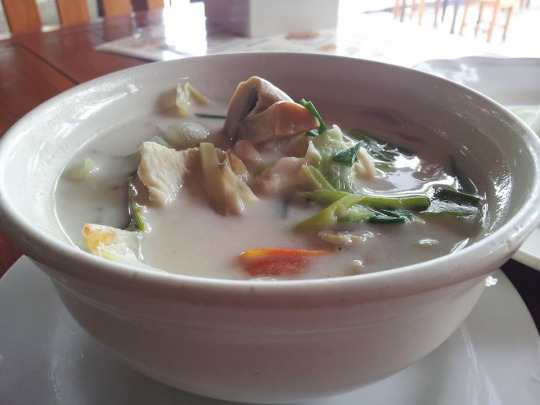
Thai Green Curry
Accommodation
We stayed at Lanta Palace Resort and Beach Club, an amazing spot halfway down the west coast of Lanta Yai (the bigger of two Lanta islands). Google maps clocks the journey from Krabi Airport to our hotel at under two and a half hours, which is accurate. This includes two (short) car ferries – we took a taxi from the airport (2500 Baht).
Activities
The week was spent relaxing, swimming, eating, resting and exploring. Motorbikes were easily available for hire and provided a great way to explore the island from end to end. There are a few places to shop, like the market, restaurants to try along the way and Thai massages, too!
Since it was rainy season, we did not take any snorkelling tours out into the Andaman Sea. The visibility at this time of year is poor and the sea conditions can be rougher than usual, especially when you’re on a long-tail boat. One rainy day, one of the families staying near us took a long-tail to Phi Phi and back, in the rain. They said it took them days to find their land-legs again after the bumpy ride which liberated them from both their breakfast and then their lunch on the way back; but they still thoroughly enjoyed themselves.
Rented motorbikes took us to the nature reserve on the southern point with it’s iconic lighthouse, Old Lanta Town and the market. The Mu Koh Lanta National Park was beautiful! It’s a 400 baht entrance fee. There’s a circular walk, an isolated and beautiful beach for swimming and of course, the lighthouse. Walking shoes are recommended. Also, take heed of the TripAdvisor reviewers who warn against the monkeys and safeguard your bags – it seems that bags are targets for inquisitive and relentless monkeys, especially if they contain food items!
Kayaking Day Tour
We booked a day trip (8:00-15:00) with one of the many travel companies (Lanta Eco Tour) to kayak and swim off the east coast of Koh Lanta – the islands are Ko Bubu, Ko Talabeng and Ko Por. The van picks up everyone from the hotel, takes them to the pier in the mangrove swamps, with millions of colourful crabs, hands you over to a guide who leads you over a rickety boardwalk to the pier, then shows you some huge fish in the “fish farm” before loading you into the longtail boat.
The trip out to the islands is about 45 minutes long and the tourists kayak first, get back on the boat, go to the next island, swim and have lunch and then head back towards the mangroves. We didn’t realise that there was only one kayaking opportunity and were disappointed that we had only taken a few pictures of the kayak experience. Other than that, it was a most enjoyable day and a beautiful place.
Restaurants
There’s an array of restaurants around Koh Lanta. In Koh Tob beach, where we stayed, there were at least 20 along the road. We enjoyed Bobby Big Boy Seafood & Bar. Bobby is a dynamic host with a big personality, his menu is great, his prices are competitive and his restaurant is spacious and relaxed. We went back every day. And then carried on down the road to the massage parlour before heading back to the hotel each night.
Beaches
Our stay was on the smaller Klong Tob beach (at the northern end of Klong Nin beach). It was clean, almost private and amazingly different at high tides and low tides. One day of high winds brought jellyfish, but the rest of the week was lovely for swimming, especially at high tide. The main beach, Klong Nin, is the next long stretch of sand, which would be stunningly beautiful if it weren’t so littered with rubbish and debris after heavy rains and high tides.
The beach at the Mu Koh Lanta National Park is also stunning, and great for swimming.
Low Season
Since this is during the low season, the rates for hotels and activities are lower and we were especially happy with the value for money we received at Lanta Palace Resort and Beach Club, at less than $15 per night. The rain was intermittent (as it has been the last few times we’ve been in rainy season) and we only had one afternoon that was pouring.
This summer, Travelinds did a roadtrip to Jeju Island – South Korea’s ‘Maldives’ and a popular honeymoon destination for Koreans. There were four days (Monday to Thursday) to explore and decided it would be more fun to go over on the car ferry with our dear old Kia Sephia.
We stayed three nights and chose the hotels as we went along. From Jeju City, we drove around the whole island going east first and driving along the 1132 Coastal Highway.
We stopped the first night at Woljeong-ri and stayed at “The Art House”, a charming bed and breakfast with pension rooms also available.
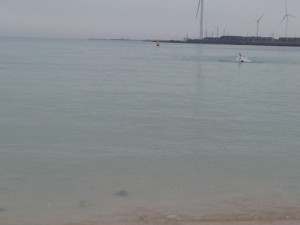
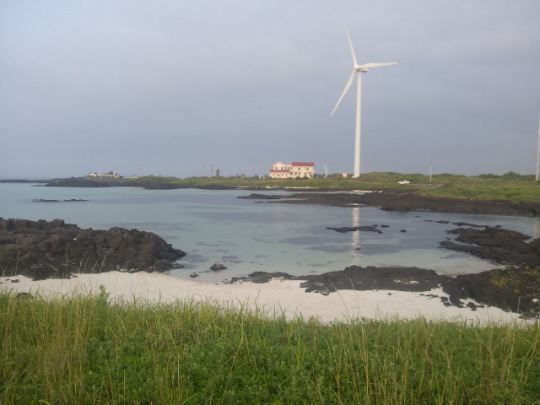
It was only a short drive from Woljeong Beach with its beautiful turquoise sea, sandy beach, giant energy windmills and only a handful of tourists. The Art House is on Agoda.com – see the reviews on TripAvisor here.
Evening swim at Woljeong Beach
At Art House, we met up with a couple from Spain who were touring Jeju without a car and more importantly without any knowledge of Korean. We offered to drop them off along the way to our next destination so that they could explore before heading back on the local 700 bus.
The drive along Woljeong-ri (on Jeju’s north coast)Seongsan Ilchulbong Peak
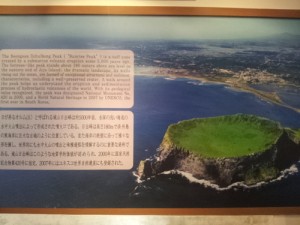
We dropped them off at the UNESCO Natural Heritage site called Sunrise Peak (Seongsan Ilchulbong Peak) to hike the volcanic peak with the hoards of tourists spilling from tour busses. With a sore ankle and suffocating heat (or was is crowds?) as an excuse, we declined the hike, took some sneaky pictures at the museum that made it look like we had touched the mountain and headed off down the coast in our air-conditioned car.
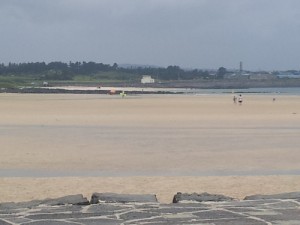
Pyoseon Haevich beach, low tide.
Next stop was the south-eastern corner of Jeju at Pyoseon Haevich Beach and Jeju Folk Village. The beach was lovely for swimming, but not so lovely for tanning as the whole bay is covered in water during high tide resulting in permanently wet beach sand, even at low tide. Most people hire those silver picnic mats and umbrellas (Korean style) and sit on these for a bit before retreating from the sun.
The only bikinis were H and a couple of other Russian tourists that were frolicking in the shallow bay – full body wet suits, long sleeve rash vests, big hats, fully clothed swimmers, tubes, umbrellas and loads of whitening suncream reminded us that we were still very much in Asia.
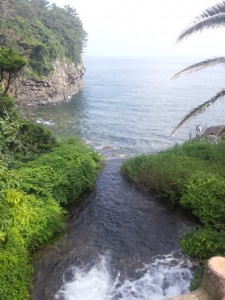
Jeongbang waterfall.
We looked in at the Jeju Folk Village but decided against going in as we had run out of time and it was time to drive on to our next hotel on the west of the island. On the way, we managed to stop at the Jeongbang waterfall for a quick snack of Hallabong (a famous Jeju tangerine with protruding stem, sweet and delicious) and a mini photo session.
TIP: The GIANT Mosquitoes at Jeongbang are permanently hungry and really dig in when they find a weak spot; like feet, legs, arms or even faces.
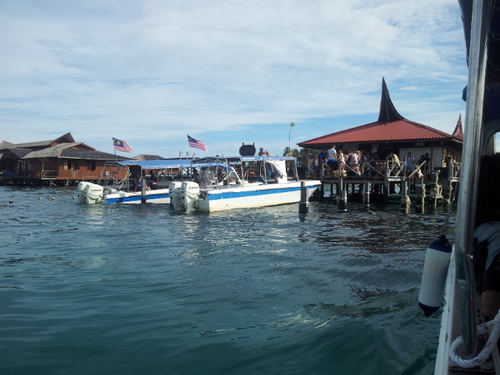
Day trip snorkelling tour to Mabul Island with Scuba Junkie. The most inhabited of all the surrounding islands, Mabul gives off an energetic vibe and it was clear to us that all tourists and locals here were passionate about the ocean and its mysteries, as well as protecting their environmental treasure trove.
We snorkelled in three different spots for the day and ate lunch at the Scuba Junkie cafeteria (buffet style) at the beach resort. There were no swimming beaches on Mabul but there is a small white beach where you can suntan or rest in the shade of a few umbrellas. The resort itself looked very nice – small wooden bungalows and pretty gardens. Swimming is not advised as there as too many sea urchins, but you can snorkel with the dive operators from off the boats, a little further out.
The rest of the island contains other resorts, dive operators, local houses and some home stays – this is another option for staying on Mabul cheaply. It is advised to check out the home-stays in person before deciding and/or paying for your accommodation. We were warned repeatedly that home stays are strictly “very basic” accommodation (bamboo huts/shared bathrooms/sleeping on floor) etc.
Best sightings for the day:
Hawksbill turtle, Blue spotted ray, a school of very large Trumpet fish, a group of Puffers, very large Green turtles (at least 20 of them for the day) and so much more!
Snorkelling spots:
We snorkelled along the drop off and also in the artificial coral garden. Lobster Wall and Panglima Reef were wonderful, so many turtles and many other interesting fish. Artificial Reef was completely boring and the visibility was poor.
Transport tips:
If you are staying on Mabul, but not diving/snorkelling through Scuba Junkie, you can still use their boat as a shuttle between Semporna and Mabul. It was only about MYR 50 and they do regular trips. You can take your luggage with you on the boat to Mabul (and back again).
Turtles popping their heads out of the smooth turquoise water off Mataking Island.
The Mataking Island day trip was by far our favourite of the three days spent snorkelling off the coast of Semporna, Borneo.
With its long white beach and crystal clear turquoise water, it is just like something out of those romantic movies in tropical paradise. Just the two of us, on a white beach, under the shade of a tree, looking out over the cobalt water lapping on the shore…
We saw a large number of fish and other sea life, including barracuda, stone fish, colourful varieties of parrot fish, turtles and weird looking tiny things.
The colours here are truly spectacular and this is definitely one of Travelinds’ best places in the world to snorkel and to swim!
We spent time on the beach after lunch while the divers rested and could see the turtles popping their heads out of the water every few minutes (to breathe).
Timba-Timba Island
On the way back to Semporna, we went to the Diver’s Delight snorkelling spot off Timba-Timba island and saw so many turtles here!
It was really exciting for me as I had not had much experience in swimming with turtles, even while snorkelling in Philippines, Malaysia and Thailand!
It was a truly spectacular snorkelling day and we flaunted the sunburn to prove it!
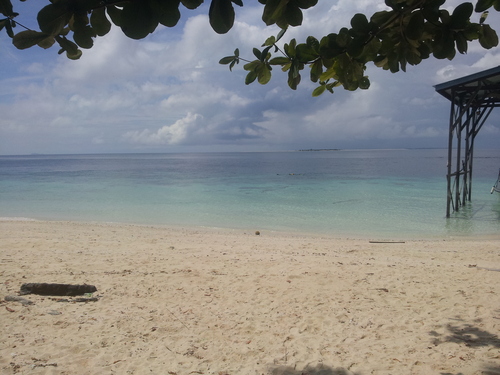
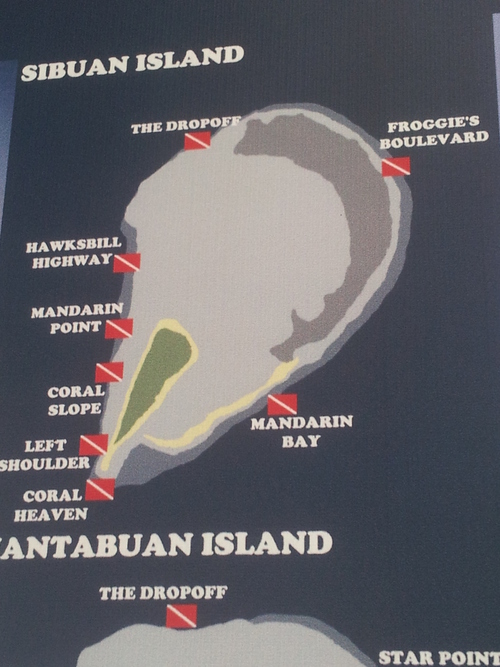
Nicknamed “Sunburn island”, Sibuan is like something out of a dreamy beach romance. White sandy beach, cobalt clear water, reefs right off the island and a couple of palm trees dotted here and there. The military base building is the only sign of life here and life seems to creep past at a suitably slow island pace.
The snorkelling here was fantastic, colourful coral, turtles, all kinds of colourful fish and other interesting sea creatures. It is close enough to swim back to the beach if you get tired and the visibility was good that day.
Favourite memory:
Due to the military presence of these islands (mostly for environmental protection and immigration law enforcement) it is common to see a couple of soldiers, with big guns, lying around on hammocks or patrolling the islands checking for illegal activity. One of the Swedish tourists was in his skimpy speedo (only) and demanded a photo shoot with the soldier and his large weapon, to which the soldier of course, happily complied. They were having a whale of a time doing a photo shoot of “the soldier and the speedo” – hilarious to watch!
Weird experience:
We were on our third snorkelling spot of the day around Sibuan when we heard two loud bangs in a row. It was enough to get us to lift our heads out of the water suddenly and look around expectantly. Apparently, this area has a problem with fisherman using dynamite for fishing purposes and unfortunately, these explosions occur pretty regularly. This particular one was apparently about two kilometres from us, but unbelievably loud for being that distance away. There is a system to report explosions (time,date, location) in the area so that officals can investigate and hopefully catch the offending parties.
TIP:
Take suncream with you. It sure is hot, with little to no shady spots on the island. As a result, we spent most of our downtime at Sibuan in the shade of the speedboat.


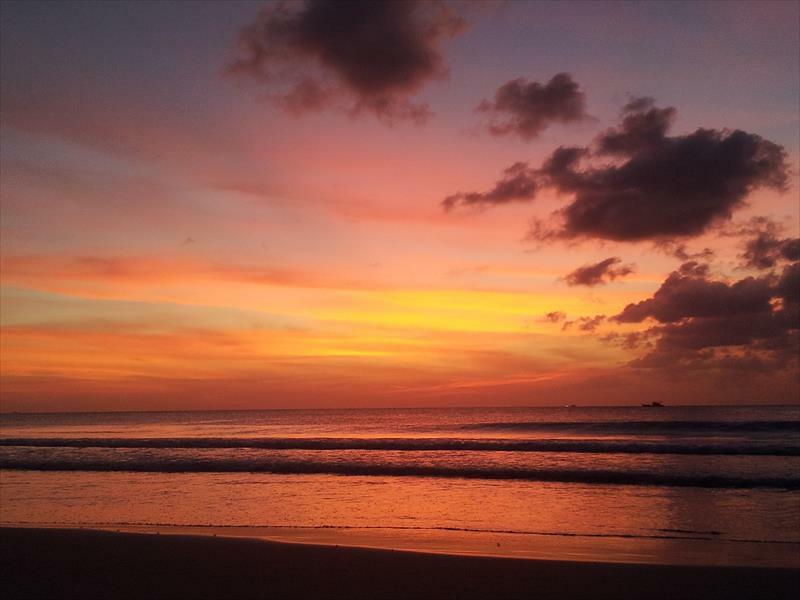 Sunset at the Tip of Borneo. PHOTO BY HEATHER LIND







 Upon arrival the smiling young airhostess kindly requested that we walk around the plane’s wings, collect our baggage and enjoy our stay in Coron. She looked quite relieved to have finished her duties because we had left an hour late due to delays from the Manila air traffic control tower and she had done a lucky draw of some CebGo souvenirs to keep the mood light and the passengers entertained.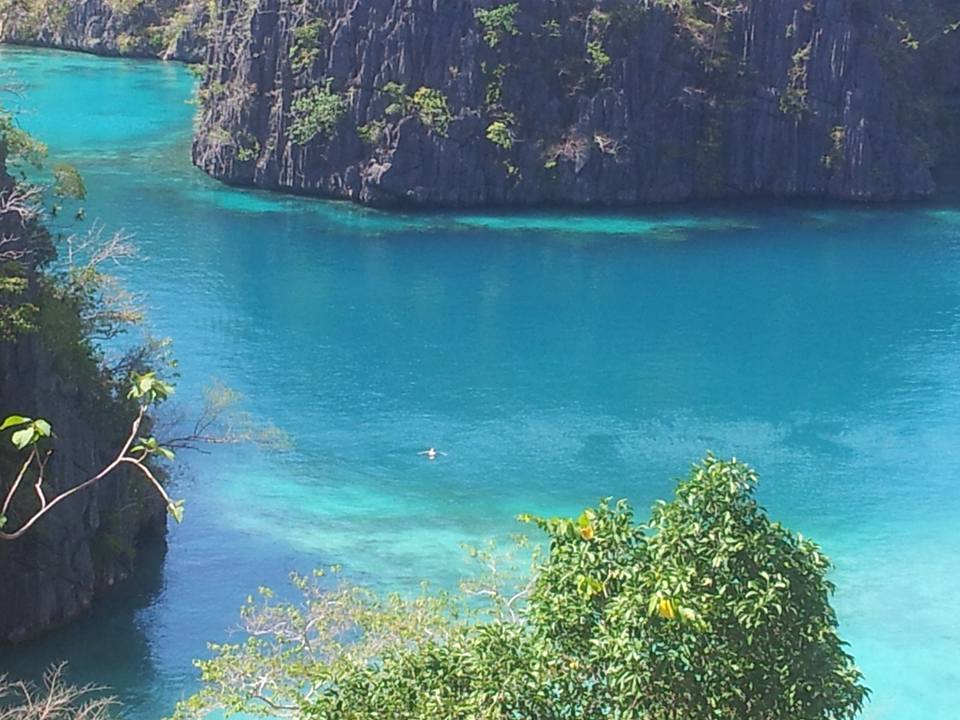
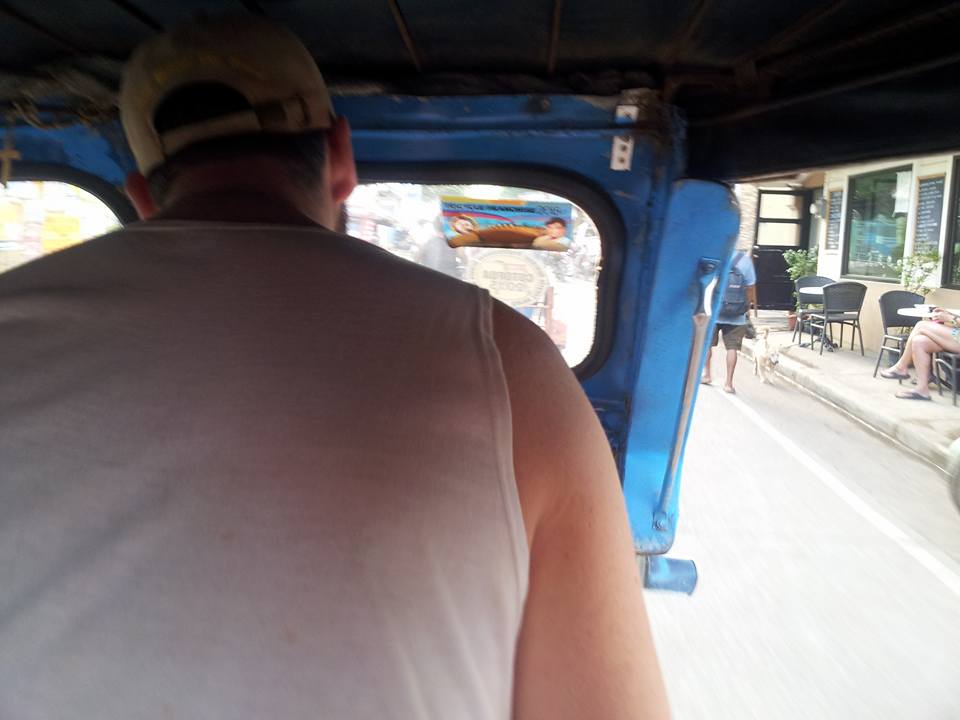 Erwin picked us up and tried to charge us more than double the amount that our hotel mentioned, then dropped us at a ‘delicious local food’ restaurant (after our request for cheap local food), which had prices three times the amount of the real local hangouts. Needless to say, we ditched him the next day.
 From Linapacan, we took an island-hopping tour boat to Sibaltan to spend our last five days exploring Palawan island. Arriving on the mainland after four days on an island-hopping boat was like travelling to a different planet.







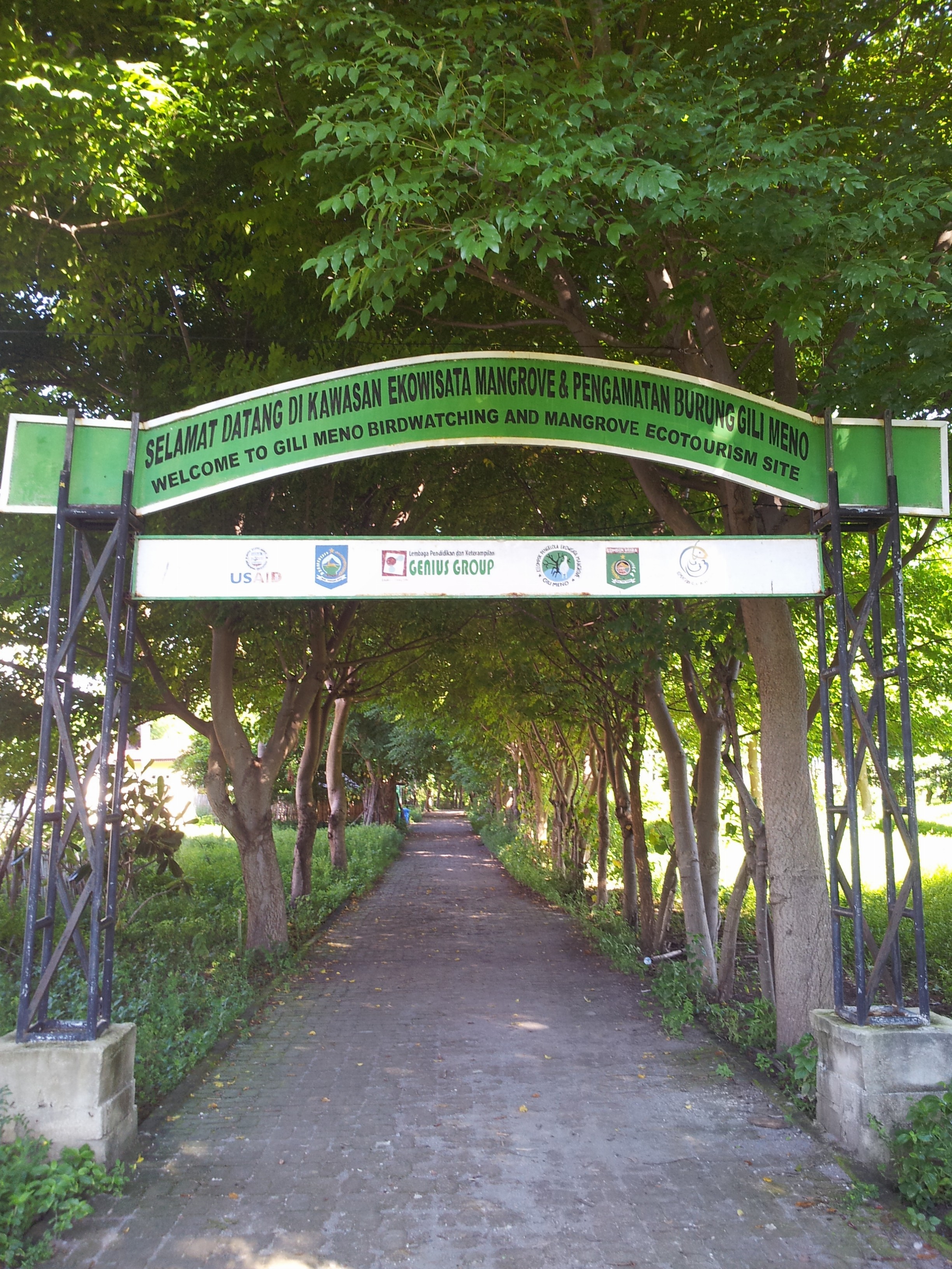 Focussed on preserving its natural assets, Gili Meno boasts a shallow lake (a mangrove conservation area teeming with birds, monitor lizards, Fiddler crabs and golden orb spiders), a turtle sanctuary, a tiny port and a handful of laid back locals and their horse carts. The few lodges, resorts, bungalows and homestays dotted around the island are far enough from each other to give some privacy, but close enough to take a quick walk to find meals. The beach is at most a 10-minute walk away, in any direction.
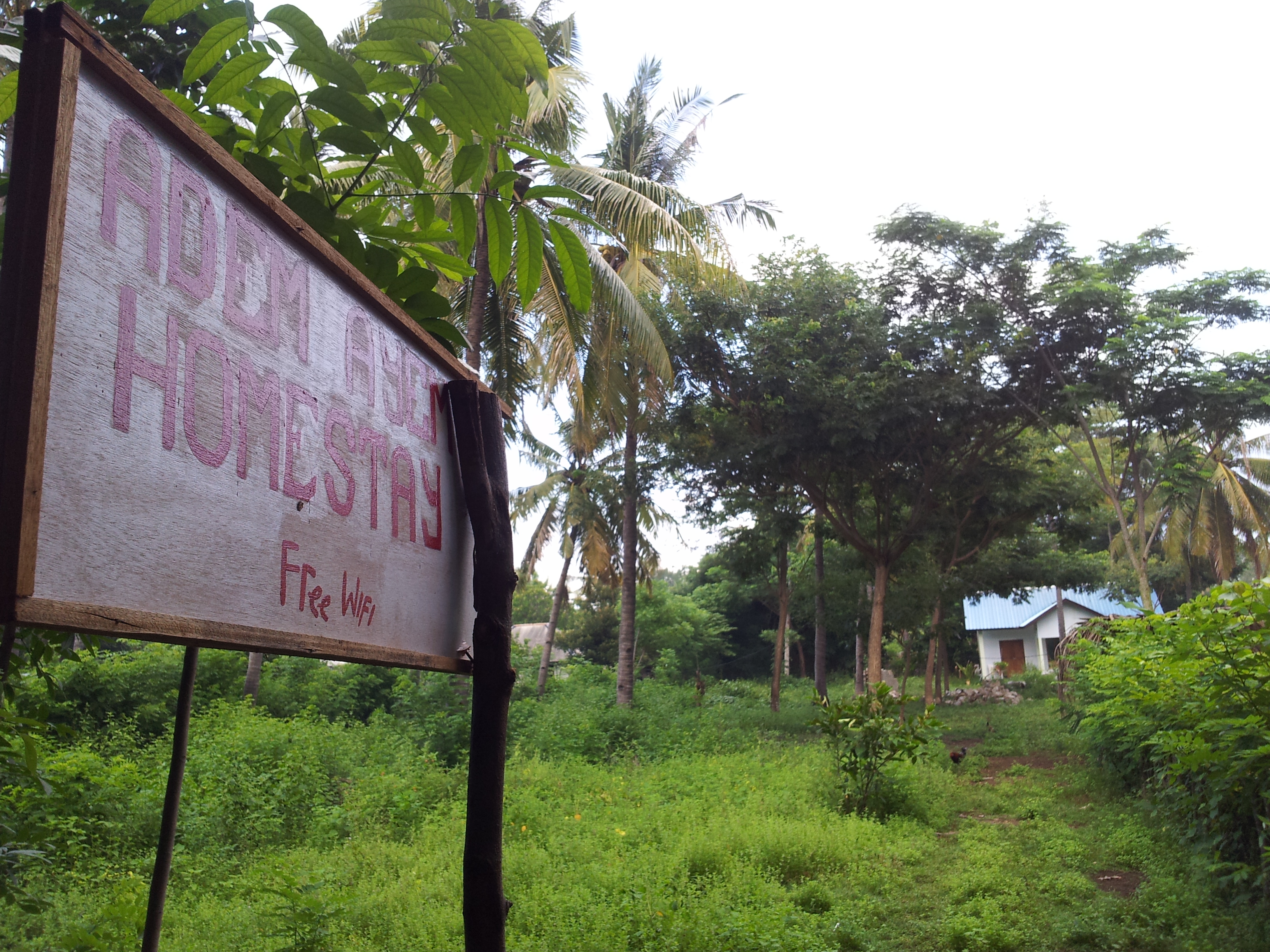 We had an awesome stay at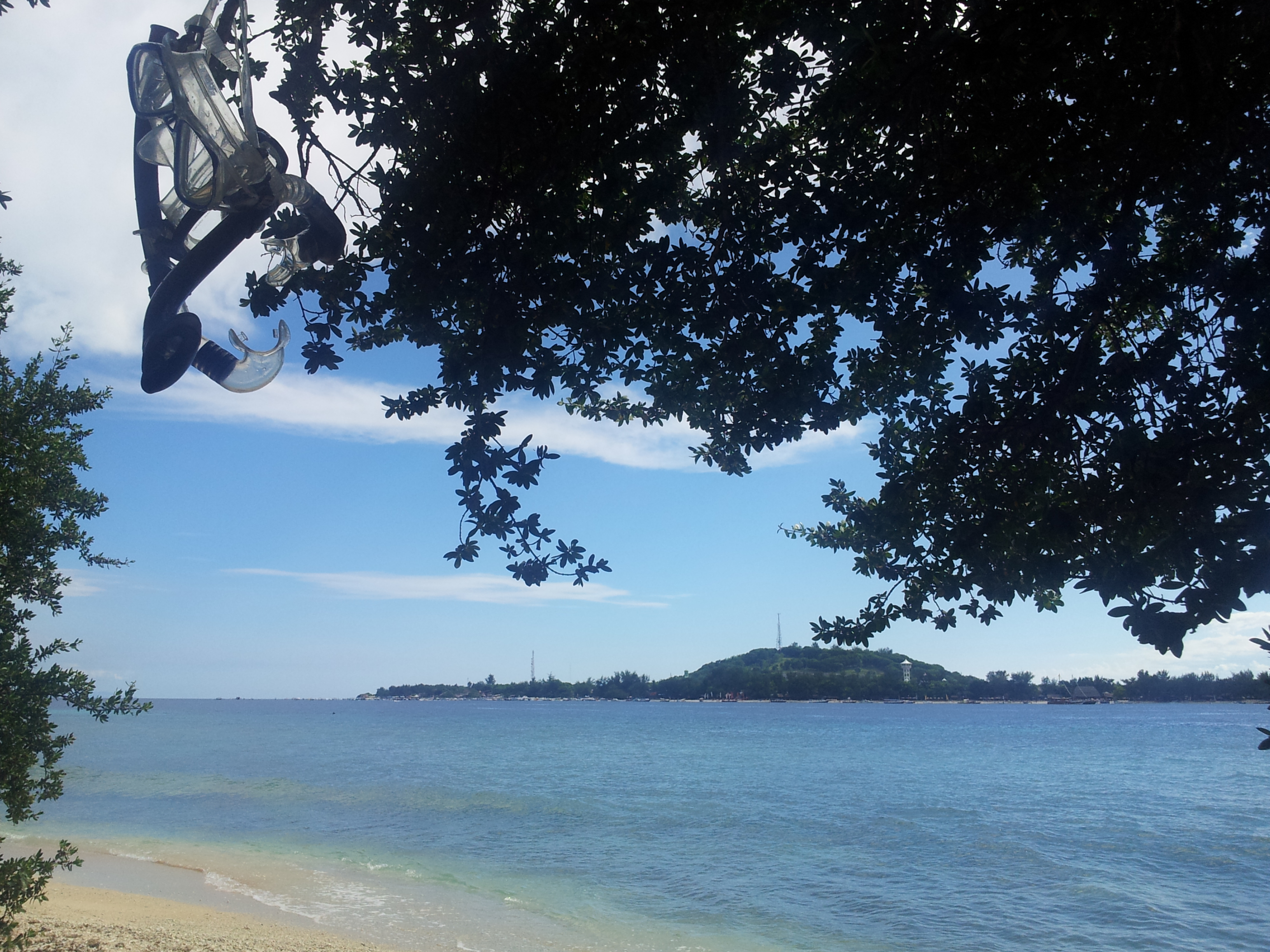






 Mataking Island