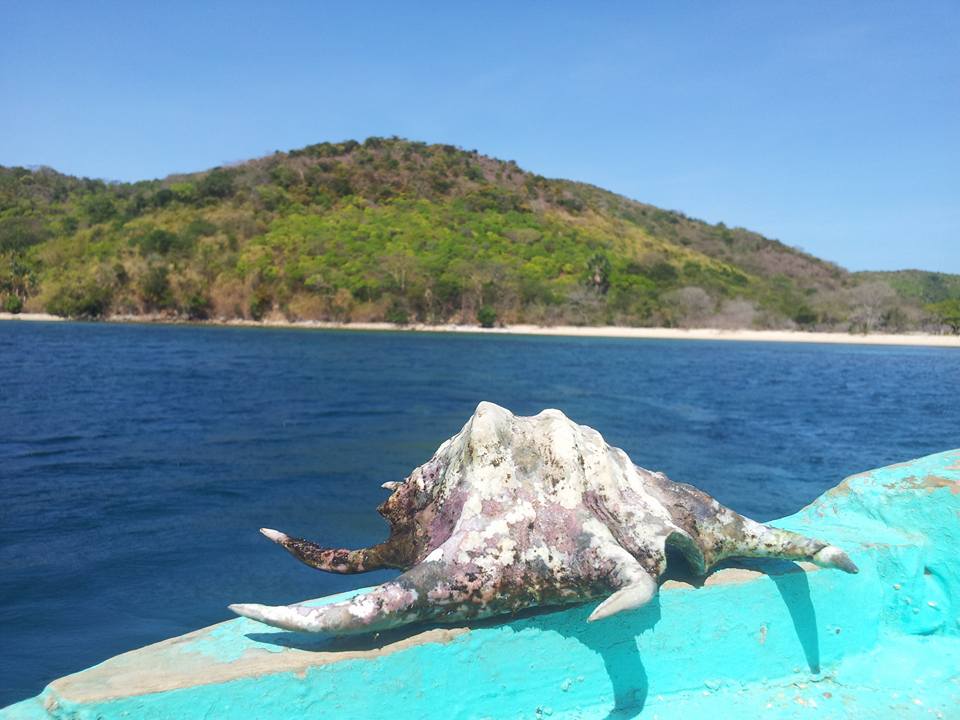
“We didn’t take any shells away from our travels in these magical places; that would be against the rules.”
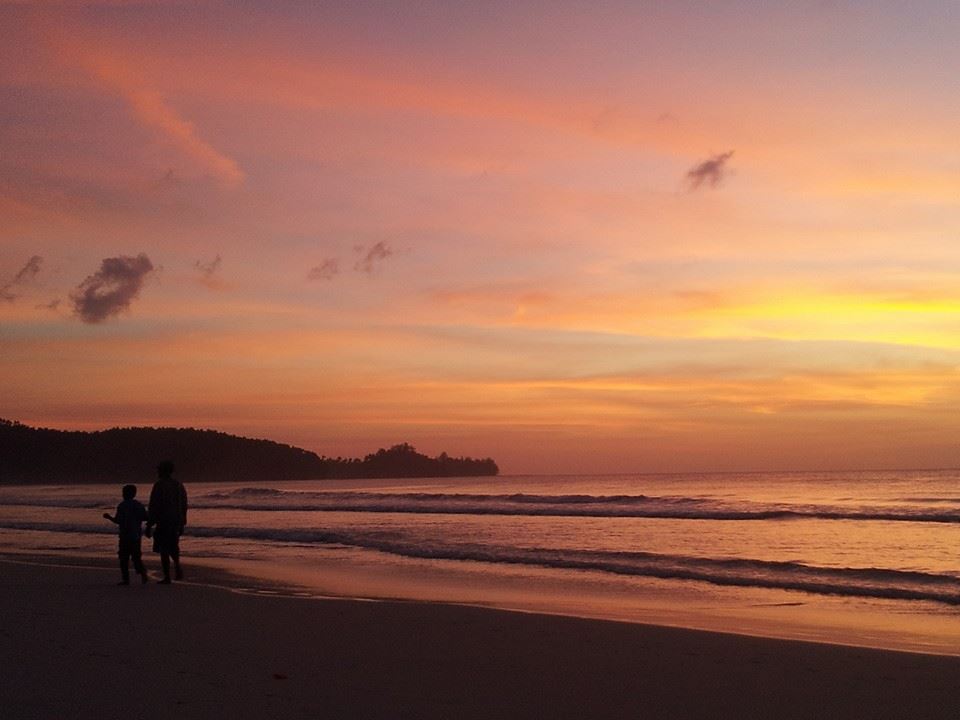
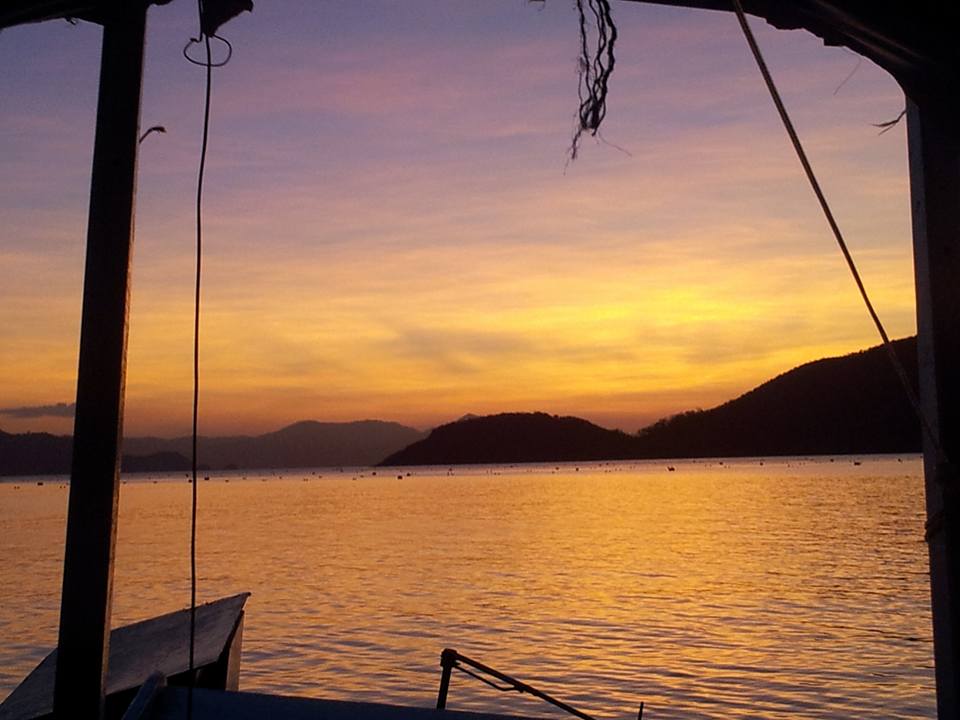
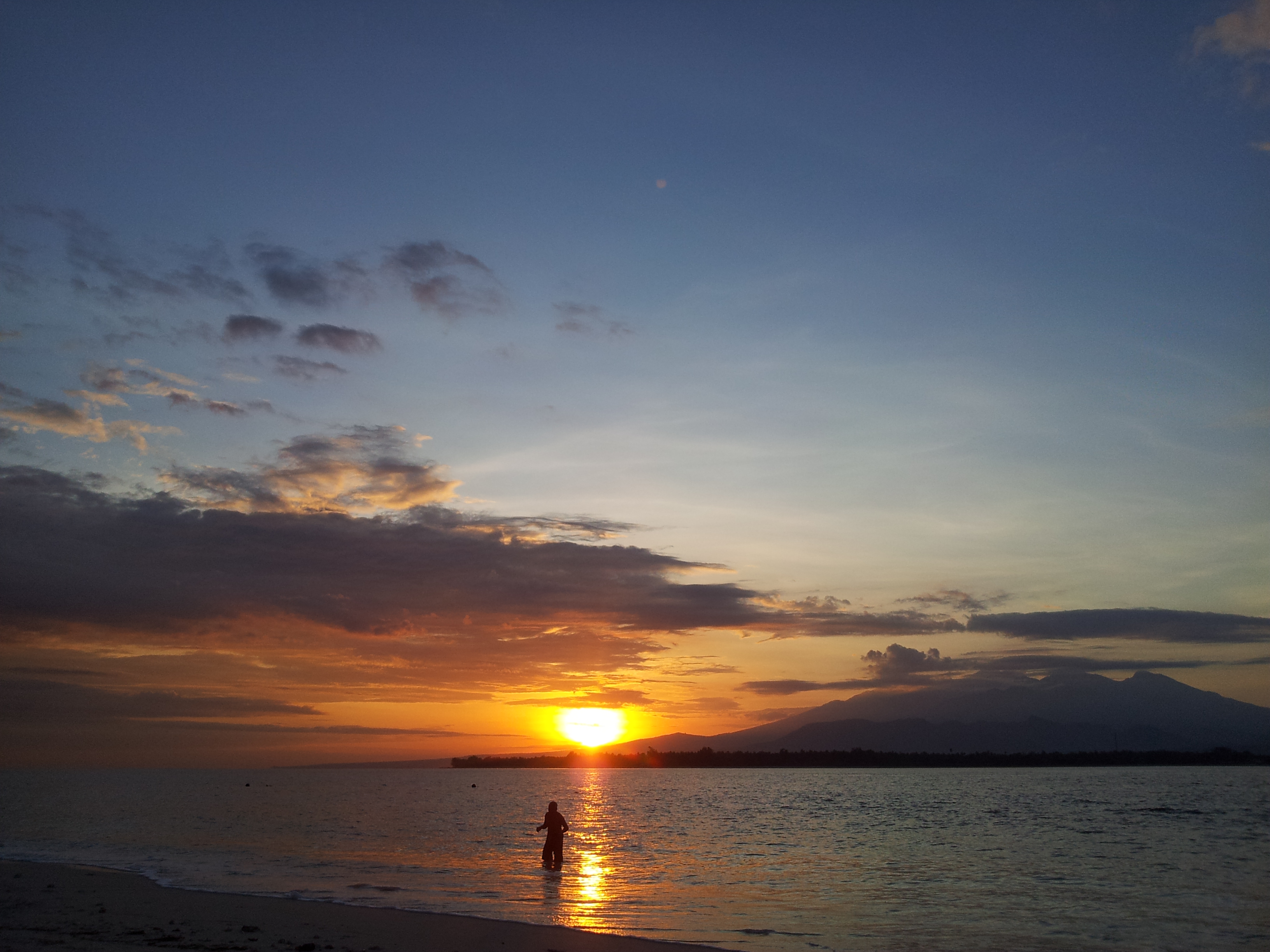
Sunset at the Tip of Borneo. PHOTO BY HEATHER LIND
August 14, 2023
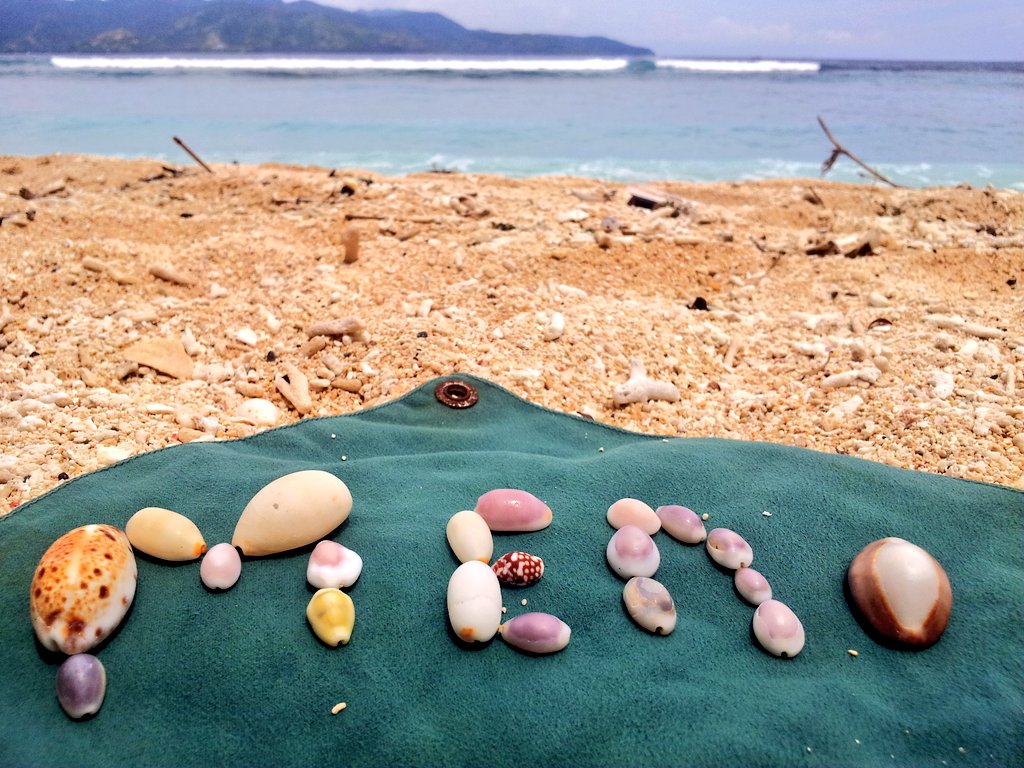
There’s something about shells that has always fascinated me. Since I can remember, I’ve felt a calm descend as I walk slowly through the sand. I glance here and there to find the prettiest, most interesting shells the beach has to offer for the day.
Sometimes, you have to look for a tiny point sticking out among grains of sand before sticking your toe in and flipping it out to reveal what’s underneath. Sometimes, it’s just a piece. Other times, it’s an unexpected masterpiece that you can’t stop looking at in your hand.
Beaches Around the World Have Shells For Us To Find
When we were on the north coast in the school holidays, seeing old dried turtle eggs on the dunes was very exciting. It reminded me about the time we arrived at a beach in Kenya for a few days with family. It was raining. We jumped out of the car after a flight and a taxi ride from Nairobi. People were running to the beach to watch tiny hatchling green turtles emerging.
Only God could have timed that for us.
Those little turtles were awe-inspiring. Working with all their might to get out from their deep nest under the sand and poking out their heads into the rainy afternoon. They were absolutely covered in sand and moving their flippers constantly to try and move forward. Slow, awkward moments made their path a long one. but they kept going until they reached the shoreline. They’re so fast once they’re in the water; unbelievably fast after watching them struggle on the beach!
Another Fantastic Beach – The Tip of the Dog’s Ear in Borneo
Two years before that, we’d spent a month in Malaysia Borneo. My Number One favourite memory was diving in to snorkel in the Coral Triangle, the same area as the world-famous dive site Sipadan. The turquoise sea is stunning when you’re on the little speed boat. But once you dip the mask down into the salty water, it’s indescribable.
Incredible.
Paradise.
Colours as you’ve never seen them and moving things everywhere you look. The mantis shrimps shimmered next to blue spotted rays and parrot fish and thousands of other creatures going about their day.
But seeing the turtles was just magical. Huge green turtles you could ride on if you could catch them – you can’t, they’re too fast! – and munching on sea grass or zipping by in the current. Hawksbill turtles, too if we were lucky, big and small.
Thankfully, the military shells around Sipadan weren’t in action while we were in the area, though we did hear shots and explosions every now and then. Apparently, it was just a normal thing and we were told to ignore the sounds and rather focus on remembering to put on sun-cream.
Don’t Take Shells, Just Memories
We didn’t take any shells away from our travels in these magical places; that would be against the rules. But we did take a big cowrie home from our favourite North Coast beach. It was one that my then-boyfriend snorkelled to find deep in the reef so that he could use it as a ring holder. But that story, involving secret sibling setups and too-long walks that almost ruined the proposal, is for another day. And we still have the shell.
“If you ever go there, be sure to leave time for a long walk.”
Oribi Mom at Mabibi in iSimangaliso Wetland Park.
August 3, 2023
It’s been three years of this COVID stuff, with two sons arriving amid the chaos. With all that’s happened, we’ve also had to postpone a holiday we’d planned for July 2020.
Instead of COVID lasting a few weeks, it was still around the next year, so we didn’t go in 2021 either. Then, Boy Number Three made an entry in 2022. And now, here we are, with a one-year-old, his two brothers, and finally a three-year-old booking we have been able to actually use.
A Special Place for Our Growing Family
The place is a very special one for us as a family. It’s where we met 22 years ago as starry-eyed teenagers. It’s also where he proposed to me six years after that, when I was finally old enough to get married. So when we go, there’s always some history to it.
But it’s truly a gem of a beach destination on the North Coast. It’s the type that is beautiful just the way it is. It doesn’t need amenities to cover up litter or dirty sand or cloudy water. It has pristine soft white dunes, crystal clear water, and kilometres of space with not a soul in sight. Perfect.
Beautiful Beach Hours Above and Under the Water
The snorkellers in our little group saw rays, crayfish, lionfish, and all sorts of other interesting things in the water. The beachgoers admired the performing whales constantly passing by. And I found five turtle nests, marked by the dried eggs fanning out from the exit point on the dune. Super exciting.
In twenty years, not much has changed there except the popping up of a very exclusive lodge right below the campsite. The camp has also erected three little cabins with canvas walls, giving us the option to have our own kitchen and shower. It’s glamping compared to the outright campsites, but just as immersive in nature.
I like the cabins with small children, but we let the bigger boys camp for two nights just to have the memories. The kids also hopped around from campsite to campsite, visiting their cousins and friends who came with us for laughs, toasted marshmallows, and lots of sand castles. They even found some of the endemic bird species in the area, saw giraffes right on the main road, and watched the sunsets over Lake Sibaya. They heard the bushbabies and elusive Green Malkohas too.
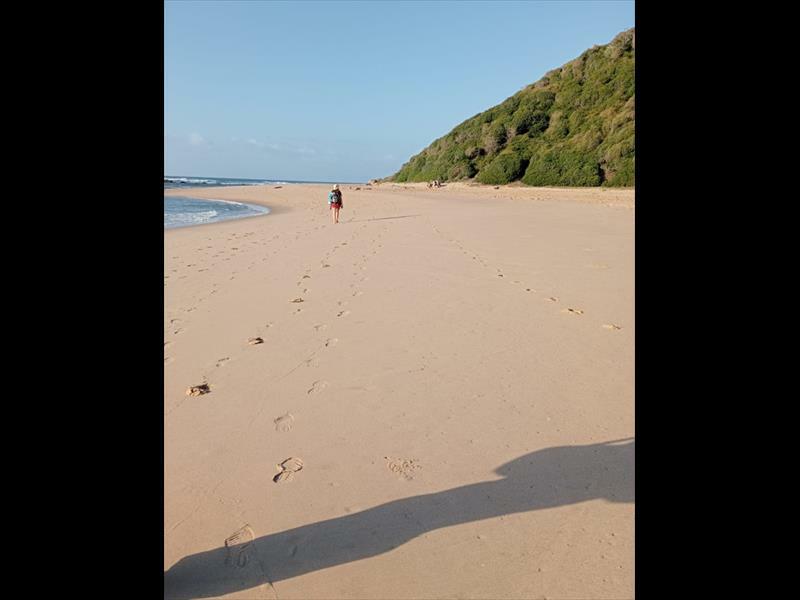
Hopefully, they’ll always remember it as the best beach ever. That’s how we think of it. If you ever go there, be sure to leave time for a long walk. You might just find one if the giant cowries my love used to propose to me all those years ago. Best ringholder ever.
We are certainly beach people, ever happy with sand between our toes. From Travelinds personal experiences, the following beaches are definitely in our top ten choices from around the world:
10. Blue Lagoon (Bali, Indonesia)
One of the little known Balinese beaches, this secret beach lies over the hill and around the corner from Padang Bai Harbour. Blue Lagoon boasts a fascinating reef just a few steps into the water. Walk to the beach from the harbour by heading up and over the steep hill on the eastern side of Padang Bai Beach Road, then grab a snorkel for a day of underwater relaxation. We even saw eels and turtles in the little reef. Be sure to support the local restaurants (there are two) as these owners keep the beach clean out of their own pockets.
9. Gili Meno (Lombok, Indonesia)
One of our Indonesian favourites, the Gili Meno beach actually runs around the whole island (which is only about 1 x 1.5 kilometres). At almost any point, you can swim out about 10 to 20 metres and hit the reef, so be sure to bring a snorkel and some fins and make the most of it. We swam with turtles, lion fish and schools of fluorescent beauties every single day. Wish we could have stayed longer!
8. Diani Beach (Mombasa, Kenya)
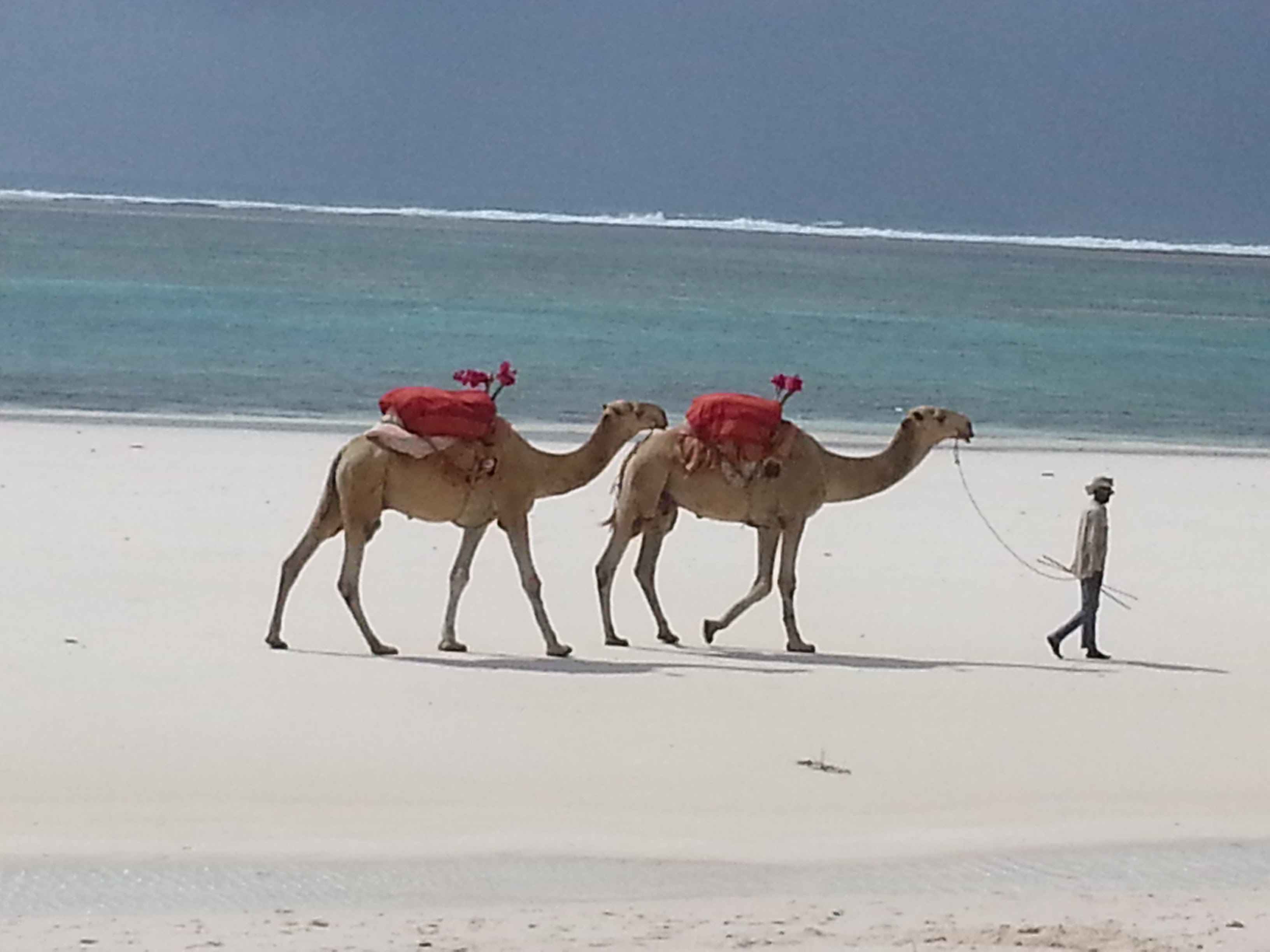
A ten kilometre stretch of fine white sand, gorgeous Diani Beach was definitely our favourite beach in Kenya, with neighbouring Tiwi Beach a close second.
7. Linapacan Islands (Linapacan, Palawan Province, The Philippines)
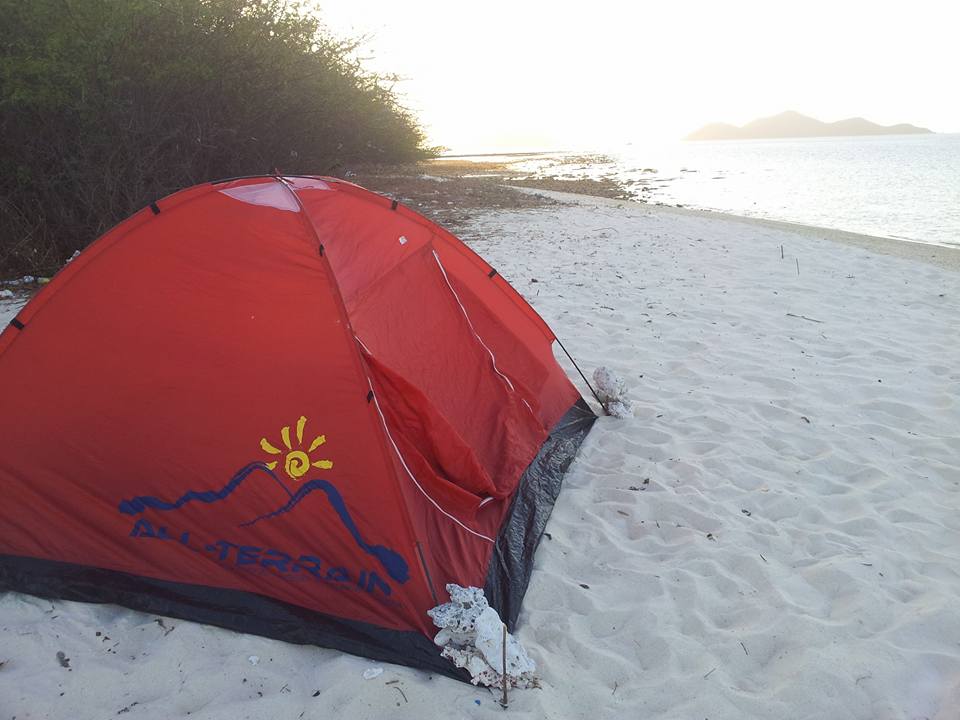
A whole archipelago of tiny islands somewhere between Coron and Palawan mainland, each island with wondrous beaches and its own reef right off the shore. How could we choose just one beach? Check out some of the names and descriptions from our fantastic four-day island hopping tour on the Brinze Kylene Expedition.
6. Barra Bay (Barra Peninsular, Mozambique)
A Northern beach of Mozambique, there is little about it we did not adore. Warm, flat ocean and stretches of Barra sand with smiling locals and coconuts for sale.
Photo credit: Barra Resorts
5. Anbang Beach (Hoi An, Vietnam)
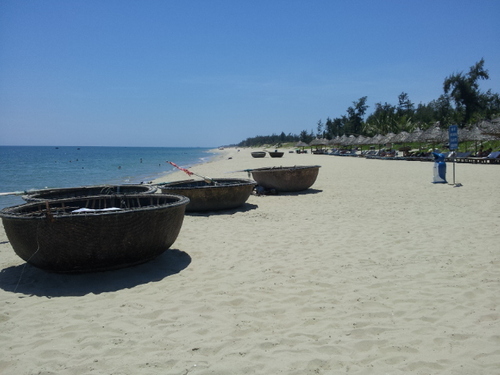
In Central Vietnam, Anbang is a distinctive beach, which is perfect for lazy swimming days and scrumptious lunches at the local chain of restaurants. We cycled over from Hoi An. Buy drinks from the restaurants and have access to lovely thatched umbrellas or wooden booths, especially helpful to escape the midday heat.
4. White Beach (Moalboal, Cebu, The Philippines)
On the western peninsular of Cebu, parallel to a long, beautiful reef, white beach is another gem in central Philippines. Truly, one of the most superb coral reefs in the Philippines, the Moalboal reef (stretching all the way off White Beach to Panagsama) is well worth taking your own snorkel to to swim out whenever you want.
Malapascua Island
3. Mawun Beach (Lombok, Indonesia)
The long stretch of Mawun white sand that lines a peacock-blue bay, perfect for long morning swims. A fleet of tiny fishing boats floats upon sparkling, clear water sits to one side of the bay. Take a motorbike to get there from Kuta and be sure to take some cash to support the local vendors and family restaurants.
2. Sempang Mengayau – Tip of Borneo (Sabah, Malaysia Borneo)
Soft white sand borders the Sulu Sea of the Sabah Dog’s left ear. A secluded stretch of paradise all to ourselves is only one of the beautiful beaches in this area. It was 7 days of bliss.
1. Mabibi (Kwazulu-Natal, South Africa)
The place where Travelinds began their journey together on the Elephant Coast, part of the rugged Kwazulu-Natal coastline in South Africa. Look out for turtles laying their eggs along the dunes and whales passing by the north coast beaches. Walk for kilometres and breathe in pure African air. The Mabibi campsite is rustic, no electricity (except in the cabins) and hot water for showers in the communal ablution block. Nearby, Lake Sibaya is absolutely breathtaking. This is our number one favourite beach in the world – by far!
Travelinds has experienced a range of different beach trips and the following are items that we really cannot go without aside from swimsuits and suncream (*cue drum roll…*):
1. Sarong
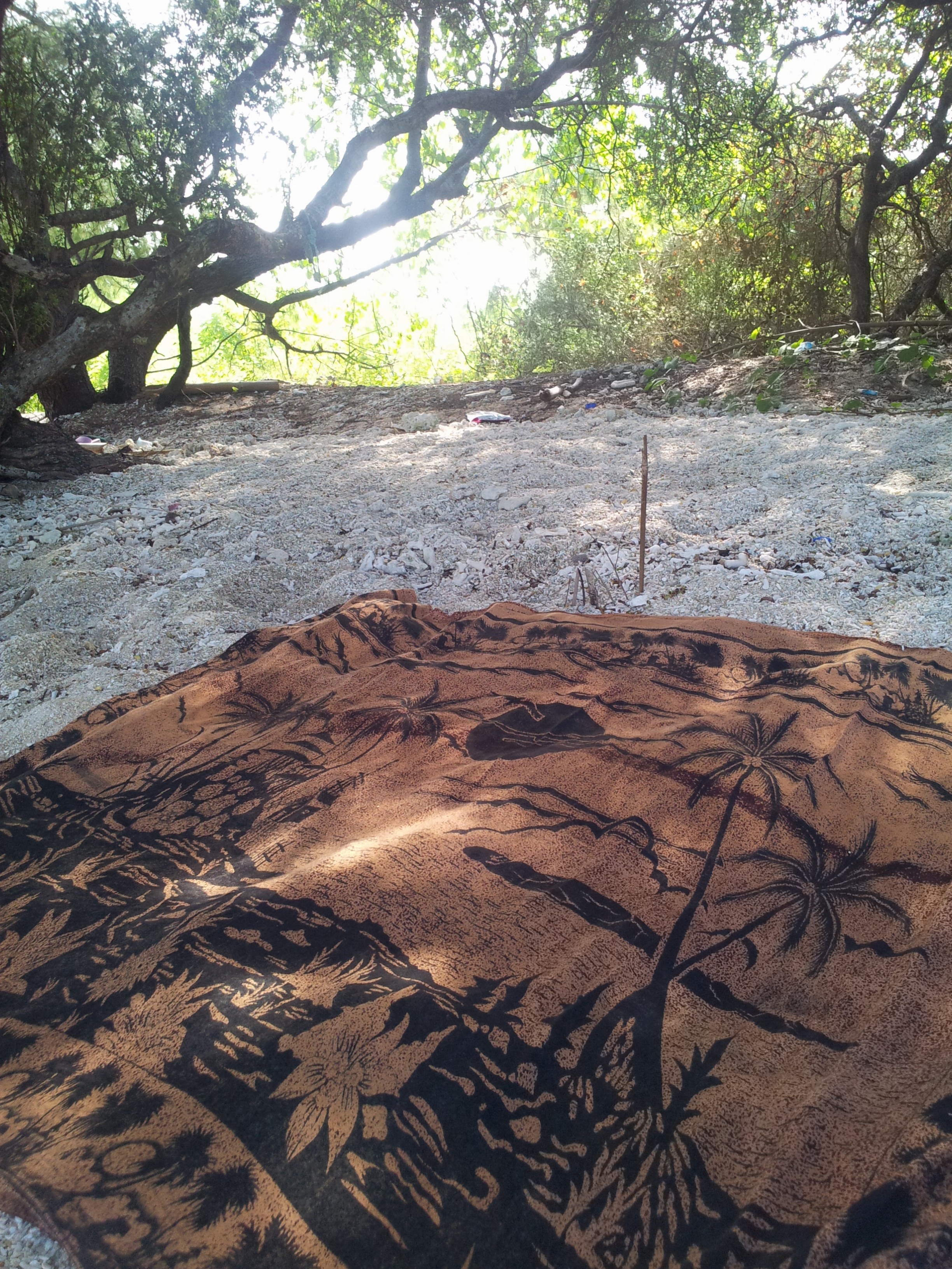
It’s versatile, light-weight and easy to pack into a small space. Sarongs are good as a towel, a sun cover, a beach blanket, clothing and a cover against mosquitoes in the evenings.
2 Hat
Hats are an obvious item, but also one that saves a face from a world of pain and long-term sun damage. Hats can generally be easily replaced if forgotten or lost, except on isolated tropical islands like we visited in the Philippines. Hats protect your face against the sun and rain (and cover a bad hair day, too!).
3. Sunglasses
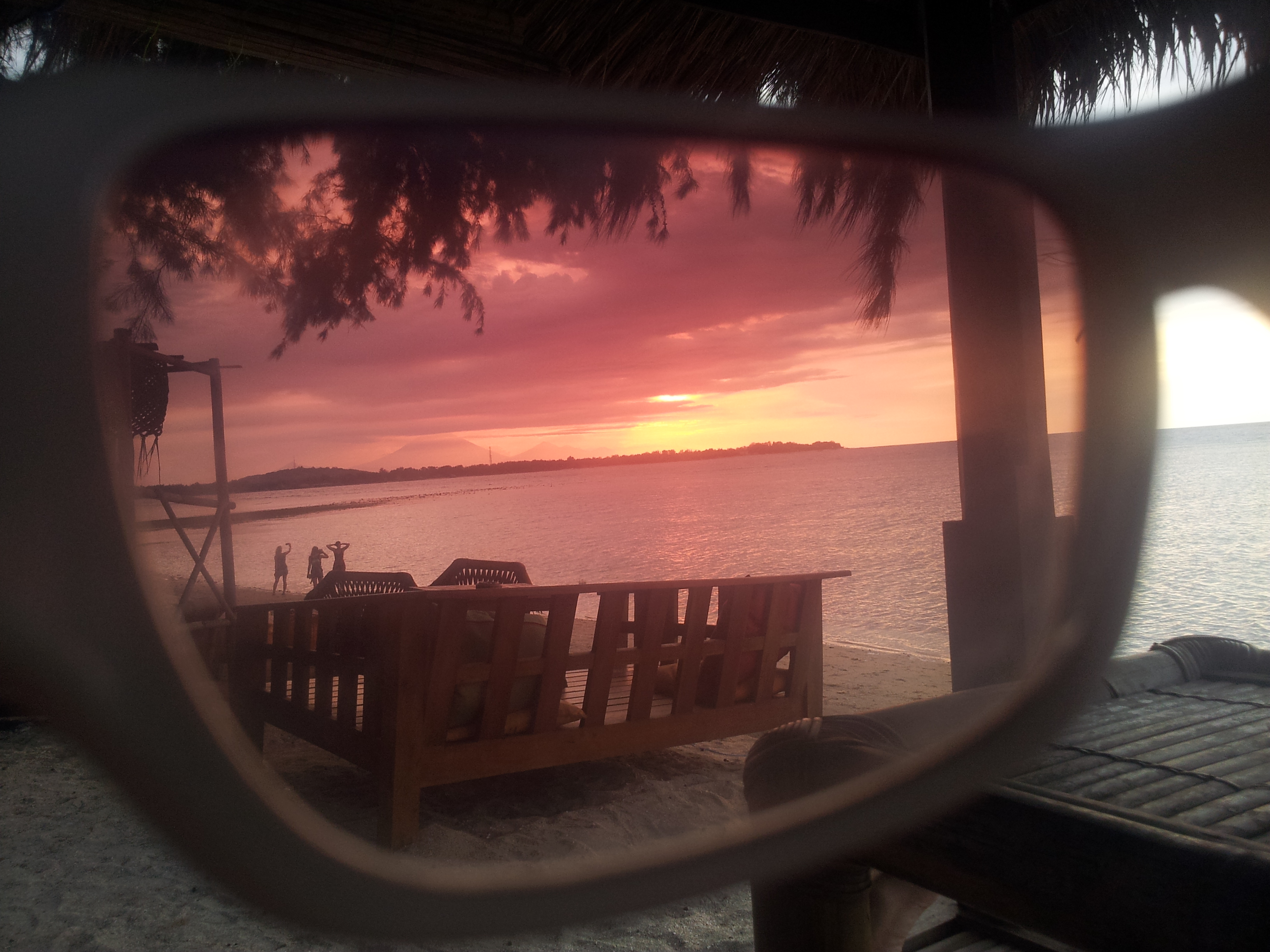
Light-coloured eyes will thank you for some extra protection from the harsh glare of the sun. They are also quite stylish, if you’re into that sort of thing, and, without sunglasses, you wouldn’t be able to take an amazing sunset photo like this one in Gili Air…
4. Rash vest
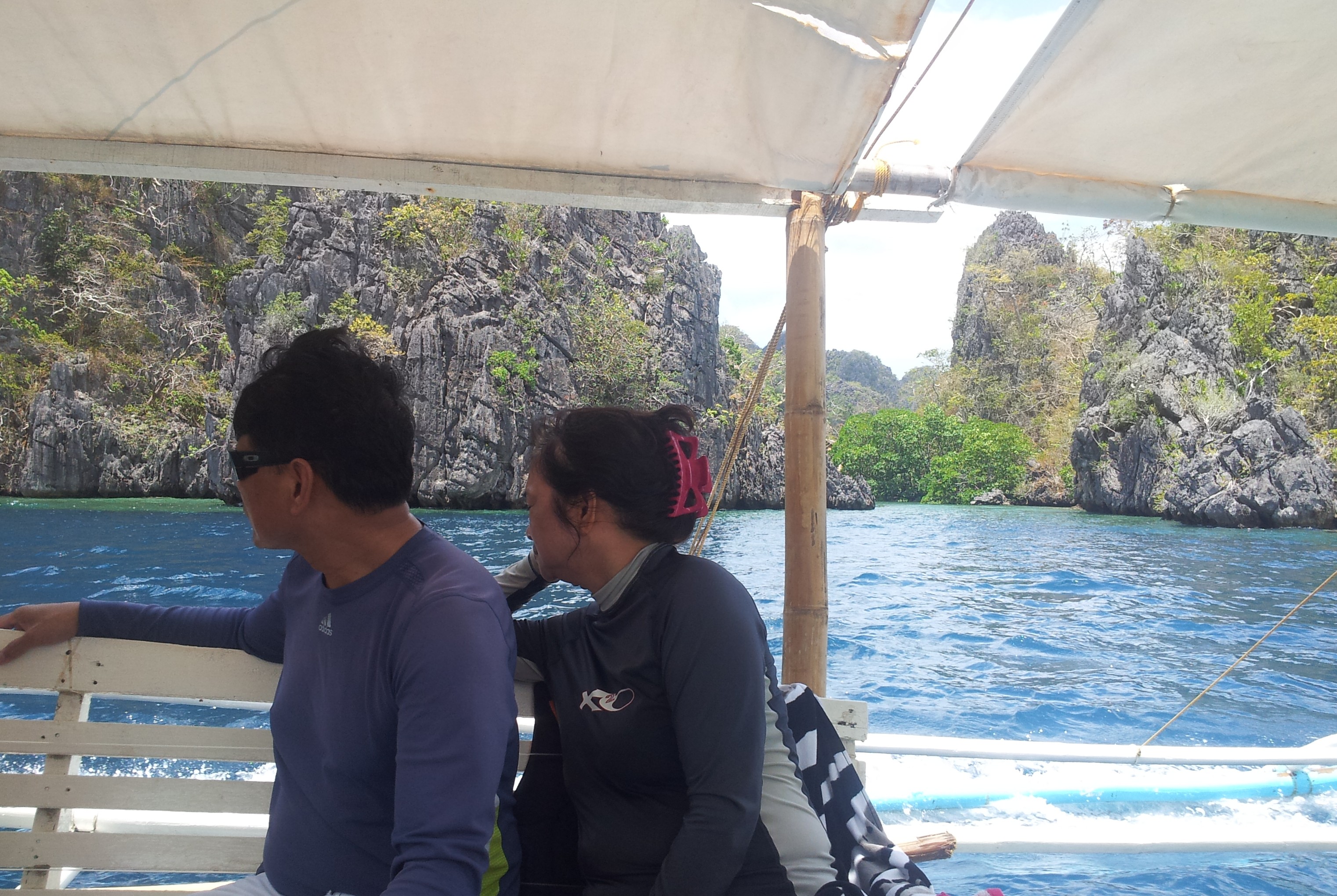
This is one of the best investments we’ve made for any water activities – good sun protection, as well as an extra guard against stinging water creatures and plants.
5. Hammock
You can sit down, lie down, swing, sleep, read and daydream. It keeps your feet clean, your books out of the sand and a breeze through your hair. You can string it up in the shade, anywhere, anytime. Also, your swimsuit can dry on both sides. What’s not to love?
6. Snorkel and Mask
Having our own snorkel and mask with us has been a great idea. It allows a lot more freedom to explore the underwater surroundings at each beach without having to rent it (or miss out completely). It is also helpful to have some goggles (like the kind you’d use in a pool) as a backup for long swims.
7. Dry Bag
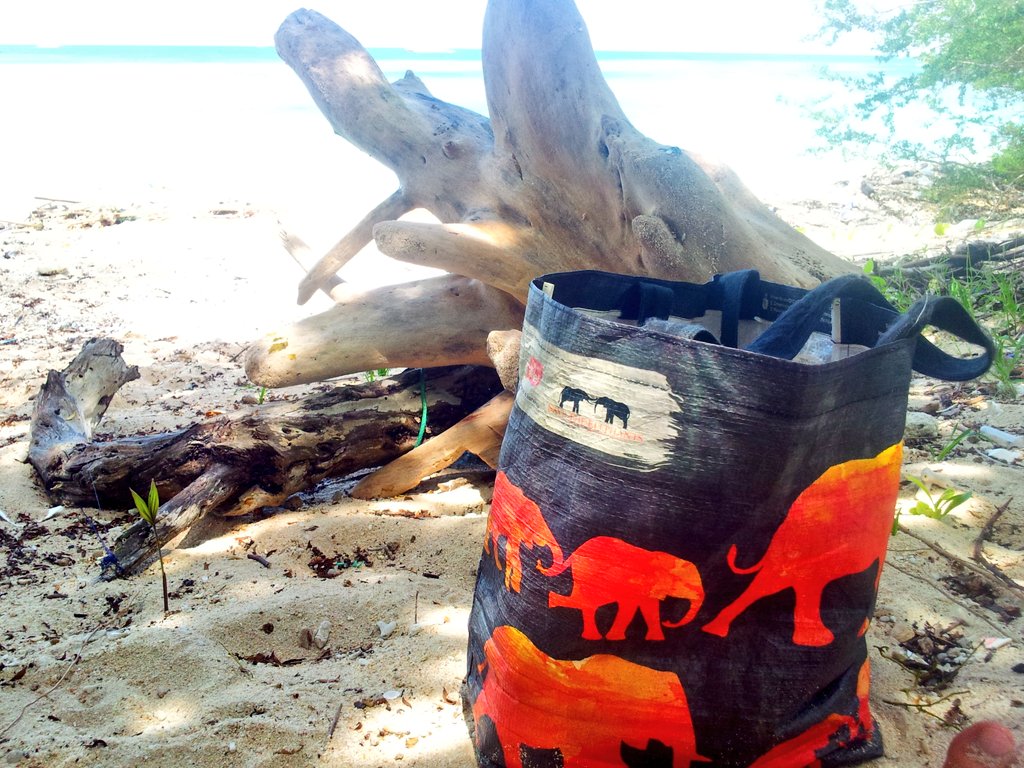
Whether for a boat tour, a water transfer, a ski trip or a dive, the dry bag is usually a good idea to avoid general spray and the odd freak wave soak. Cameras, cellphones, wallets and books will thank you later.
8. Refill water
The amount of plastic in our precious oceans is shocking and disgusting, and we can make a difference every single day. Take your muggy along rather than buying plastic bottles along the way. Being environmentally responsible tourists is a daily choice and one of these decisions is to use water refill stations (or decant from large recyclable refills for the duration of your trip) rather than buying more plastic waste. Incidentally, it will also save you money. For example, on Gili Meno (Indonesia), the price of a 1.5-litre plastic water bottle was 5,000 IRP and the price of a 19-litre (5 gallon) refill water tank was 22,000 IRP (excluding a deposit). That’s a 65% saving on the price per litre if you ditch the 1.5-litre bottles and choose the 19-litre refill instead (about 4 days worth for the two of us).
9. E-reader
This little device has truly changed the way that I read both at home and abroad. Travelling with it is easy and this means I read more wherever I am, at any time of the day or night. Books are still amazing, but an e-reader allows me to carry around my whole library, use it at night in places without electricity and read more than one book at a time without taking up more precious space in my small backpack. The world needs to read more – do your part!
10. Camera
Obviously, a camera is an essential item to capture the beauty of all your travel destinations, like this sunset at the Tip of Borneo. You can share it with others, and refresh your memories as the years go by. Together with a dry bag or sand-friendly cover, keep some extra batteries and a universal adapter so you can recharge it easily.
Armed with Travelinds Top 10: Beach Travel Items you are ready for any beach in the world – and there are some breathtaking beaches out there, no matter where on God’s beautiful green earth you go! Check you on the flip side.
What are you favourite beach travel items? Travelinds would love if you left us a comment below!
If you liked this post, check out Travelinds’ post
An amazing end to life on some Philippine islands, our Brinze Kylene expedition took us from San Miguel, Linapacan and ended at Sibaltan on the Palawan mainland. Read about how we came to meet them here.
The Hosts
Our hosts Benji and Maileen were entertaining and hospitable, looking after us throughout our stay in Linapacan, as well as on the island hopping tour. Their service was phenomenal and so much fun. Their crew, Midel and Guerrero, seemed to have limitless energy and kept the boat running smoothly through the whole trip. They cooked for us, put up and took down our tent, found us the most exquisite coral reefs along the way and entertained us each night around an impressively large bonfire.
The Boat
Since we spent most of our time on the boat, it serves that it was rather comfortable and well-equipped for such a simple carrier. Described as a catamaran-style with balancing beams on each side, it had benches, a small cabin, a tarpaulin covering, a ladder to get out of the ocean and a small boxed-in toilet and wash area. Downright luxurious in terms of the local fishing boats!
The Food
Every day in the Philippines is another chance for fish and rice. Different fish, mind you, but fish all the same and rice to fill in the gaps. We loved the fresh seafood and feasted on lapulapu, barracuda, squid, white fish and tuna – all barbecued over a fire and served with a decent portion of sticky white rice. Every now and again we ate the precious commodities called vegetables (cabbage, carrots, tomatoes, peppers and cucumbers) and this was a real treat for the locals and for us as availability is scarce.
The three kilogram barracuda we bought from another fisherman.Lapu Lapu fresh from the ocean.A peacock mantis shrimp that we caught and ate!
And Most Importantly, The Islands
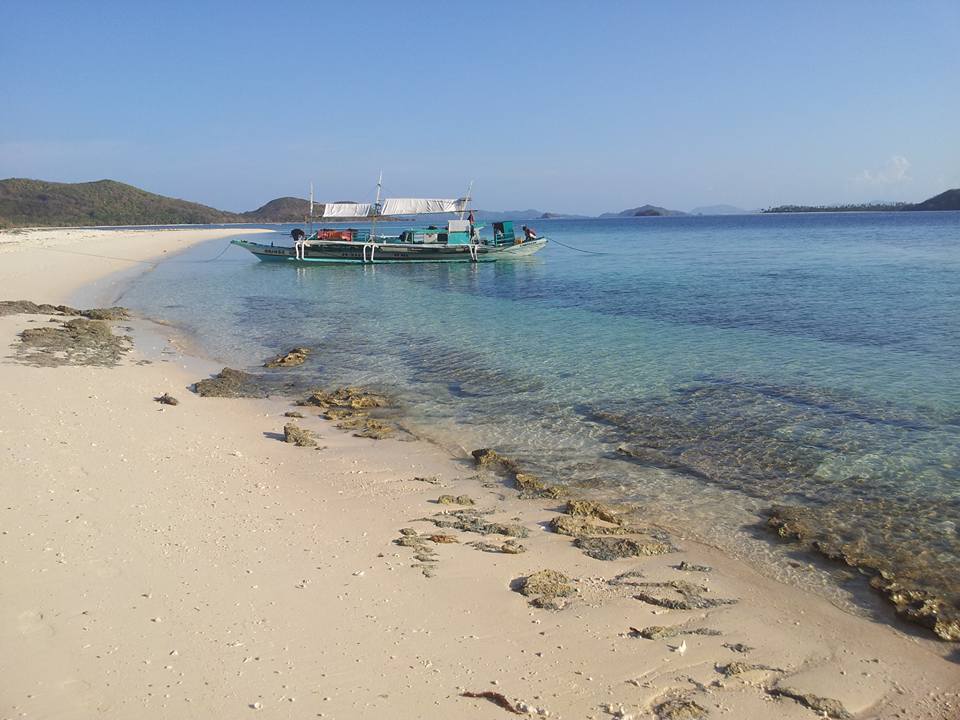
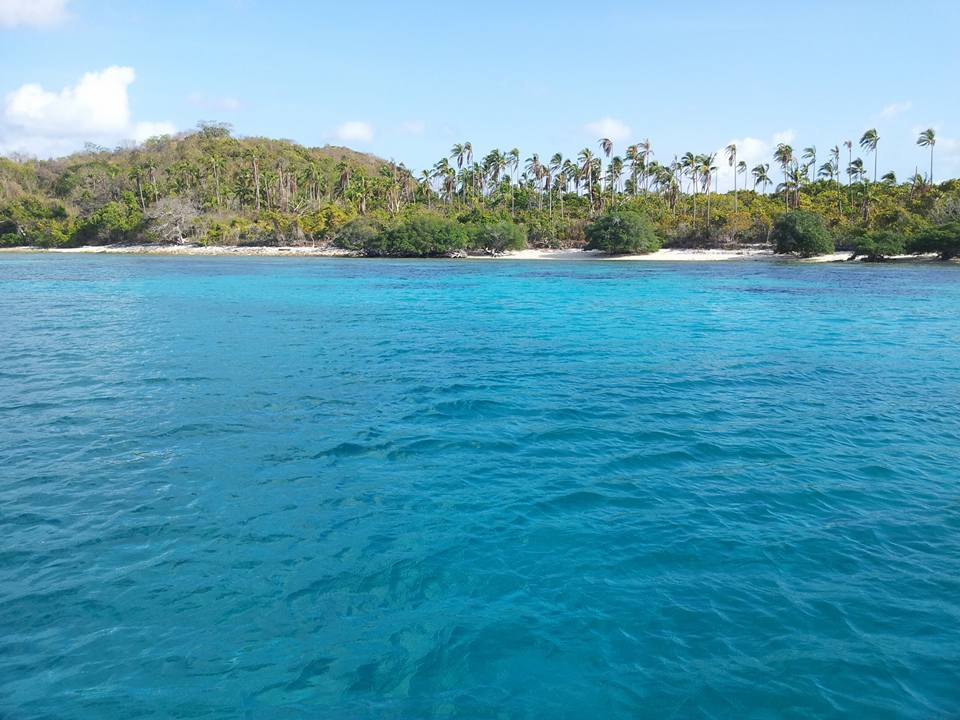
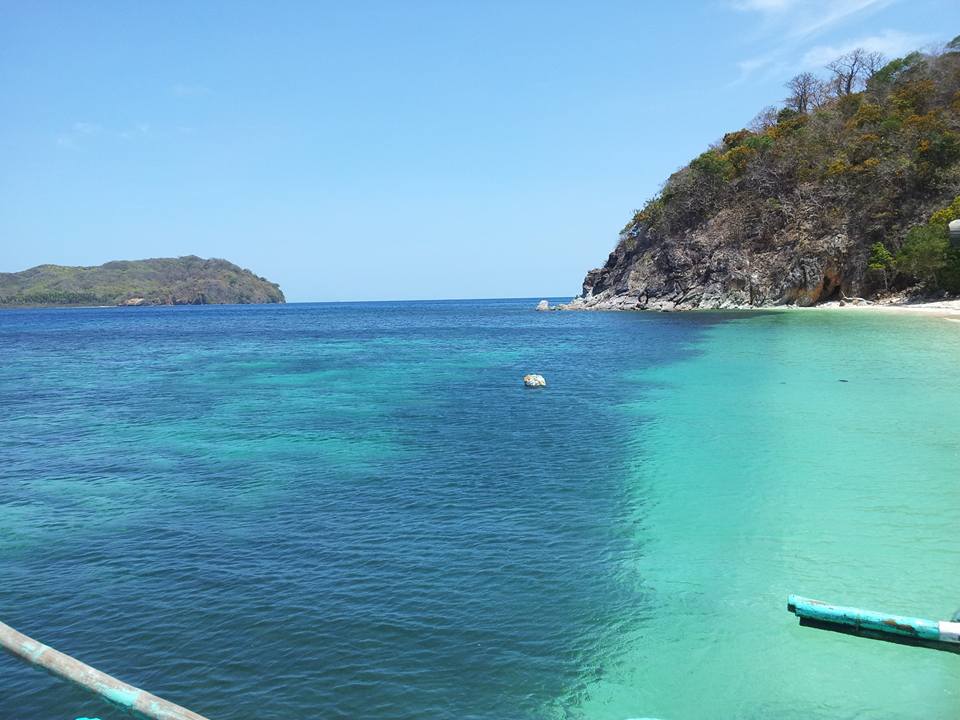
The archipelego of 54 islands is hard to describe because each one is slightly different to the next, sparkly, beautiful, rugged and unspoiled by industrialisation or development. We lost count of exactly how many islands we visited in the end, but managed to go at least 15 islands on during the 4-day trip.
Linapacan is said to have some of “the clearest water in the world” – we believe it! Check it out.
Here was the itinerary:
Day 1: Leaving from San Miguel, to Dimancal (check out Karel’s tent resort here), Bolina, Manligad, Asis and Cagdanao (first island camp spot)
The island across the bay, Balenben, had island huts available for rent at 300 Pesos in a fantastic reef area.
Day 2: Manlihan, Cala-cala (spelt Lacalaca) and Takling (second island camp spot)
Day 3: Calibangbangan and Magransing (third island camp spot – the most beautiful place we have ever seen!)
Day 4: Pical, Mausunon and ending at Sibaltan (mainland Palawan)
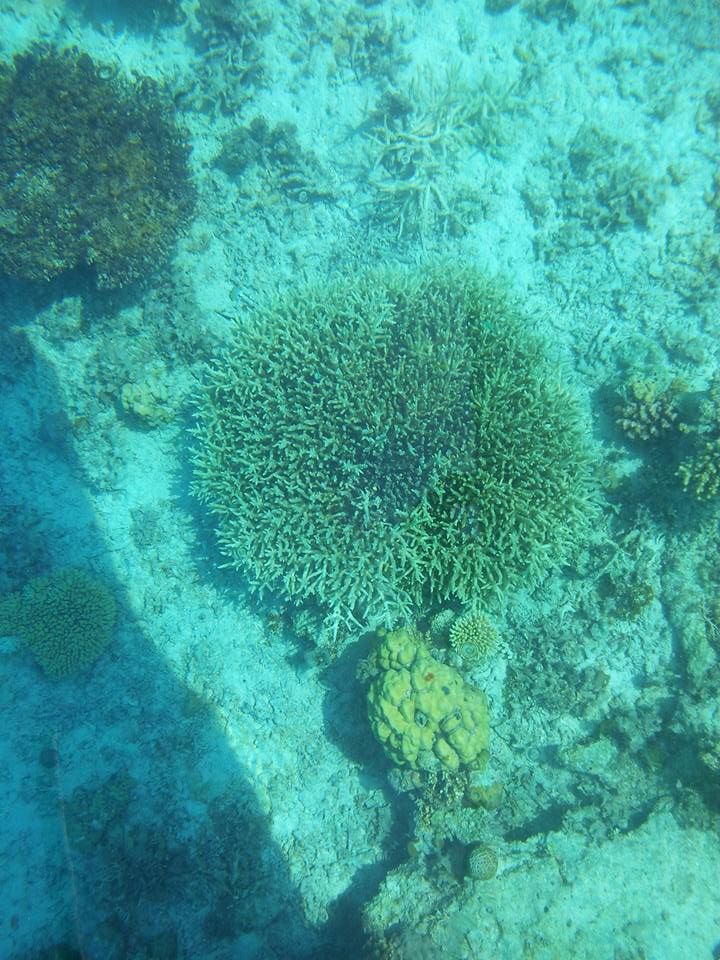
Each had coral reefs right off its shores and were almost guaranteed to be completely deserted. Besides, don’t these pictures (from a humble camera phone) make you want to go there right now? Call Maileen and Benji for an adventure on the Brinze Kylene!
Linapacan is well worth your time – wow! What do you think about Palawan?
“…a series of swims, naps, novels, games, walks, talks and snorkels with turtles…”
We could end it there, but hopefully some elaboration will convince you that Gili Meno is really worth the effort.
The Gili Islands
When people talk about ‘The Gilis’ they are generally referring to the three tiny Gili islands off Lombok’s northwestern shores (between Bali and Lombok). Gili Trawangan, Gili Meno and Gili Air have become a tourist hub for those searching for a slightly different experience than what mainstream Bali has to offer.
Gili Trawangan (furtherest from Lombok) is the main destination for those party-seeking young backpackers looking to get lost in the endless sounds of deep bass reverberating off the gentle waves. Being the gentle travellers that we are, looking to enjoy natural beauty and soak up God’s amazing creation, Gili Trawangan was the only one of these three that we did not spend time exploring.
Two night on Gili Air, a mini-version of Trawangan (closest to Lombok), was definitely still relaxing and the snorkelling was lovely off the north shore. The Matahari Bungalows did not have a sea view, but were still beautifully finished and well worth 300,000 IRP (including breakfast). Turtles, eels, a ray and a living cowrie were just some of the spots snorkelling off the northern beach (near the Gili Air Wall).
Please note: The management photo on TripAdvisor does not reflect the Matahari bungalows (it shows the beachfront Gili Air Hotel pool with umbrellas which is on the northeastern side of the island).
There are also countless other Gili islands all around Lombok, some inhabited by local Sasak tribes and others not. We did not have enough time to explore these other Gilis or find ways to get there, but it certainly would be off the beaten track from regular tourists.
Meno is awesome
Gili Meno is the middle island, the quietest and the smallest of the three Gili islands. It is difficult to describe how much we loved Gili Meno – so much so that we decided to spend a full ten days here right off the bat. Tranquil island life surrounded by natural beauty and the most stunning coral reef almost right around the island, easily within reach from the beach on every side.
Focussed on preserving its natural assets, Gili Meno boasts a shallow lake (a mangrove conservation area teeming with birds, monitor lizards, Fiddler crabs and golden orb spiders), a turtle sanctuary, a tiny port and a handful of laid back locals and their horse carts. The few lodges, resorts, bungalows and homestays dotted around the island are far enough from each other to give some privacy, but close enough to take a quick walk to find meals. The beach is at most a 10-minute walk away, in any direction.
As on the other islands, and mainland Lombok, the mosque leads prayers five times a day (if there’s electricity); and most times on Gili Meno it’s the island’s children that take turns at the microphone to practice their chants. The islanders are friendly, hospitable, hard-working and always ready for a chat about life in Indonesia. Enterprising and proud of their island, the people are invested in protecting the environment and using tourism in a responsible way (always great to see). It was also interesting to hear mention of an aquaponics documentary that was filmed at the Gili fish farm (somewhere out in the ocean) that the locals go to about once a month on rotation.
Life on Gili Meno is also slightly cheaper for tourists than the other two islands. We were spending about 175,000 IRP per day (for two of us) including accomodation (with breakfast), one other meal and activities (which were free, because we snorkelled right off the beach).
Adem Ayem Homestay
We had an awesome stay at Adem Ayem Homestay (the neighbouring plot to Nura Homestay) in the middle of the island. For only 150,000 IRP a night (low season) there is a wonderful air-conditioned room with en-suite bathroom, free WiFi and porch (and this includes a delicious breakfast from Mama Nura, too).
Nura Homestay is right next to the Mosque, so you’re up at sunrise, however, being a quiet island, we were in bed early too so our days in the sunshine were longer and fuller to enjoy.
Restaurants and Resorts
Gili Meno has quite a large range of restaurants for such a small place and we ate like kings. Indonesian fare is common but there are also a few other types of cuisines on offer. For both cost and authenticity, we stayed with Indonesian dishes and enjoyed curries, nasi goreng, mie ayam and other tasty food – read about Indonesian cuisine here. Our favourite restaurants for the week were Pojok No.5 Star, Two Brother’s, Warung Gratis and Warung Be Family, none of which are on TripAdvisor (these are mostly in the middle of the island as the beach restaurants cost slightly more). On average, we paid about 25,000 IRP per meal per person.
Secret Spot
Each day we went out to explore the island and find a perfect spot for the day. Armed with some of the Travelinds Top 10: Beach Travel Items we found a few fantastic places to plonk down and delve into our books, naps and snorkelling hours each day. Life on the island was a series of swims, naps, novels, games, walks, talks and snorkels with turtles – as it should be. Fantastic!
The one spot is a bit of a secret, but we’ll happily share it so you too can enjoy the peace and quiet of Gili Meno under a shady spot, at the perfect entry point for the stunning coral reef, where we saw turtles every single day! Head along the beach towards the Mahamaya Boutique Resort from Diana Cafe.
Just before Mahamaya, you’ll see a huge bush on the beach with a shady spot inside it. Tucked away from the sun and the tide line here, it is possible to spend hours and hours reading, sleeping, relaxing and swimming – and hang up your snorkels and sarongs on one of the tree branches when you’re done.
You’re welcome!
Secret Spot view of Gili Trawangan. This reef (30 metres out) is where we swam with turtles everyday.
Getting to the Gili Islands
The Gili Islands are relatively easy to reach from Bali or Lombok, but you will need to set aside some extra time if you are not taking the fast boats. The options are:
Fly to Bali. Take a shuttle with fast boat (a shuttle to Padang Bai and then a fast boat) to the Gili Island of your choice. Book this at any travel agent or online. We paid around 300,000 IRP for this service from Gili Air to the Bali airport.
Fly to Bali. Take a public ferry from Padang Bai (to Lombok – about 5 hours). Take a van/bus to Bangsal Harbour (2 hours). Take a ferry to Gili Islands (half an hour).
Fly to Lombok (from Bali – we paid 150,000 IRP with Lion Air). Take taxi/bus to Bangsal Harbour. Take a ferry to Gili Islands.
We used Option 3 since we spent a few days on Lombok before heading to the Gili Islands.
Have you been to the Gili Islands? What was your favourite thing about the islands?
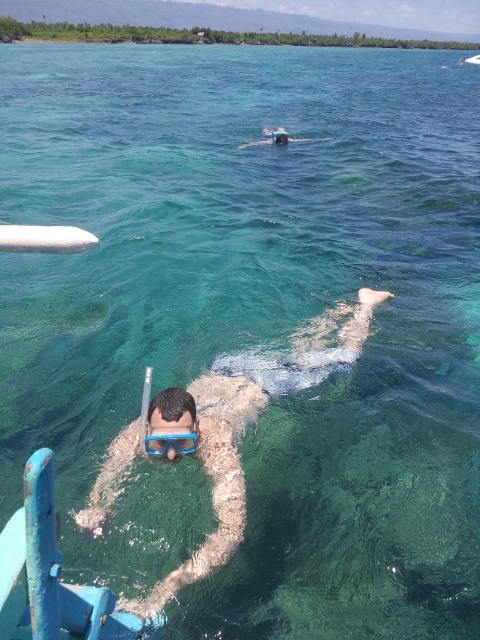
Moalboal is one of the best dive spots in Cebu and arguably in the Philippines itself. H not being a diver, we did a snorkel tour instead and were amazed at the breathtaking underwater world we discovered here.
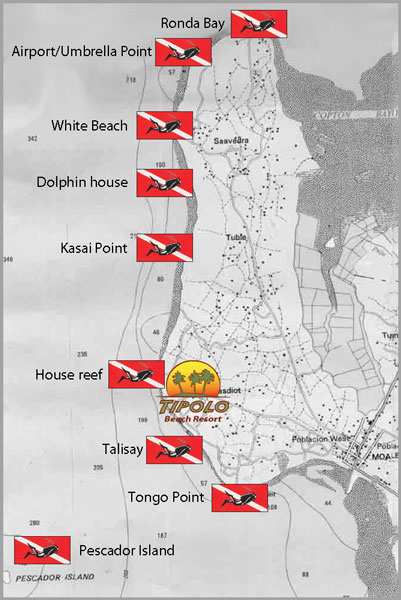
There are reefs that run from beyond White Beach all the way around the Moalboal ‘islet’. We snorkelled as Pescador island, near Talisay and in the fish sanctuary beyond Kasai Point. We saw sea kraits (large ones!), psychedelic schools of purple, orange, blue, yellow and green fish, stone fish, puffer fish, sea needles and also a whole lot of Green Turtles in various sizes, including one that was large enough for our boatman to sleep on!
We did an early snorkel tour 8am – 1pm to try and avoid the sun, wind and rain. It was a fantastic underwater experience with so much vibrant colour and life. The coral in the Talisay reef was stunning and we couldn’t believe how many interesting little sea creatures we saw.
Our boat skipper was very helpful and made sure that we were in an easy position to enjoy the snorkelling without having to fight strong currents. We tried to discourage him from touching the turtles (it seems some tourists enjoy when the turtles are brought to them to touch and take photographs) and eventually he realised that we frowned on him disturbing the creatures and left us to enjoy them in their natural environment.
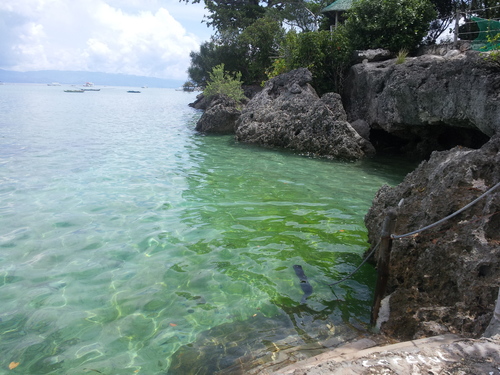
The ‘private swimming pool’ – step right out into the ocean.
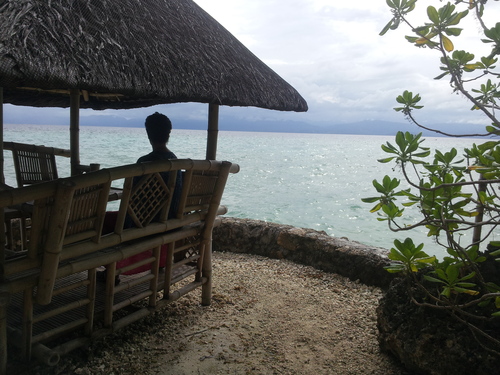
Sea Turtle House, or STH as it is affectionately known by its owners Stefan and Nenita, is a charming beach lodge right on the edge of White Beach, Moalboal. It is surrounded by tropical vegetation and gives panoramic views of the Tanon Strait between Negros and Cebu in central Philippines. The rustic atmosphere coupled with a fresh sea breeze makes for an ideal beach getaway and we had a wonderful week of complete relaxation.
Named for the Green Sea Turtles that frequent the coastline (we literally saw sea turtles popping up for air every day the water was flat enough), Sea Turtle House has to be our new favourite holiday destination; it’s reasonably priced, offers great home-cooked meals from Arlene, a beautiful location and a stunning reef to snorkel only 100m off shore. Check out more information at the Sea Turtle House Dive Adventure website. It is also only a short walk from the long, white, sandy beach.
Looking out over Moalboal reef.
What to expect:
Hammocks, bamboo cabanas, sun loungers, air-conditioned rooms, tropical garden, stunning coral reef that runs from white beach all the way out past Panagsama towards the acclaimed Pescador Island, a great dive spot, home-cooked meals, scrumptious bacon breakfasts and lots of sunshine. Also, massages, snorkel tours and tuk-tuk trips in to Panagsama (for other restaurants) or Moalboal for groceries, are available on request.
Getting here:
Situated on the west coast of Cebu, it is less than a 3 hour taxi ride from the Mactan-Cebu International Airport. We flew directly into Cebu (Cebu Pacific/Air Asia X are the best low cost airlines for this) and then jumped straight in to a (white) taxi in front of the ‘Departures’. It cost us 2,500 pesos (US$ 58) for a three hour taxi ride – well worth it for two to four passengers! STH can also arrange an airport transfer for you for around the same price.
Tips:
1.If you go in the rainy season (June to November), even though a little rain can be expected all year round, then it is much quieter but be prepared for some rainy days of reading a book on your bamboo porch. or under the cabana. We even had a typhoon pass by us during our stay here (July 2014), but the following day we had glorious sunshine and got thoroughly sunburnt on our (absolutely awesome) snorkel tour.
2. There are some basic rooms and others with kitchenettes. We upgraded when we arrived and it was great being able to prepare little snacks, tea or light meals for ourselves using our groceries from Moalboal town and the fruit market.
3. We requested massages, manicures and pedicures in our rooms on some of the rainy days and were sent an angel, named DaDa, who appeared to relieve all the stress and anxiety from our weary bodies. She was amazing, truly! And her rates were more than reasonable too – for an hour long full-body massage and also a great mani-pedi. She is a mother of four and a beauty school student so I’m sure your small financial contributions will be greatly appreciated in her life, especially for what you get out of the deal (a fantastic massage and the gift of giving back).
Read more…
About Panagsama (the neighbouring tourist area with hotels, restaurants and dive centers) here.
Turtles popping their heads out of the smooth turquoise water off Mataking Island.
The Mataking Island day trip was by far our favourite of the three days spent snorkelling off the coast of Semporna, Borneo.
With its long white beach and crystal clear turquoise water, it is just like something out of those romantic movies in tropical paradise. Just the two of us, on a white beach, under the shade of a tree, looking out over the cobalt water lapping on the shore…
We saw a large number of fish and other sea life, including barracuda, stone fish, colourful varieties of parrot fish, turtles and weird looking tiny things.
The colours here are truly spectacular and this is definitely one of Travelinds’ best places in the world to snorkel and to swim!
We spent time on the beach after lunch while the divers rested and could see the turtles popping their heads out of the water every few minutes (to breathe).
Timba-Timba Island
On the way back to Semporna, we went to the Diver’s Delight snorkelling spot off Timba-Timba island and saw so many turtles here!
It was really exciting for me as I had not had much experience in swimming with turtles, even while snorkelling in Philippines, Malaysia and Thailand!
It was a truly spectacular snorkelling day and we flaunted the sunburn to prove it!
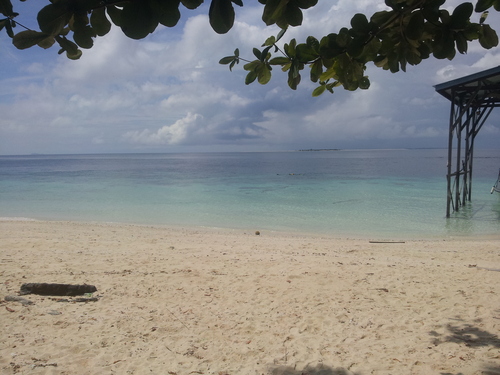
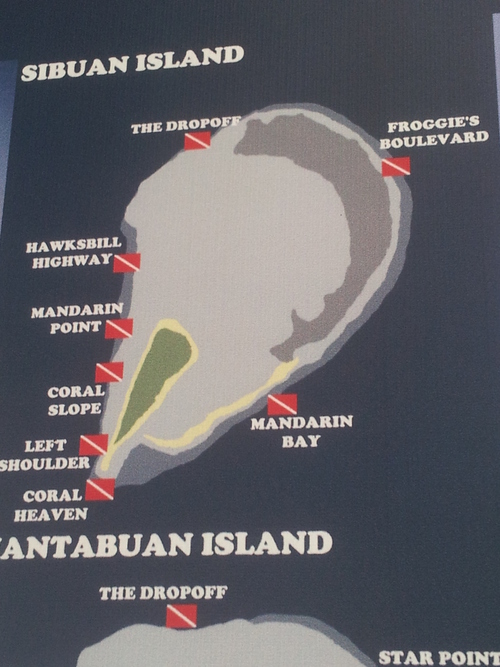
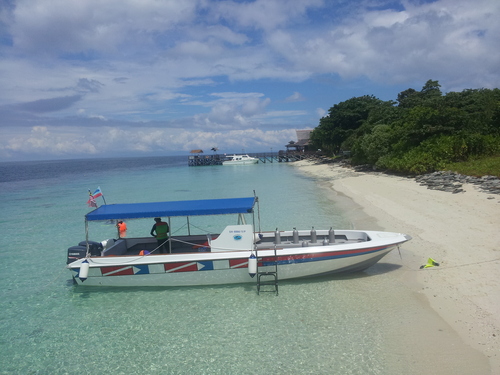
Nicknamed “Sunburn island”, Sibuan is like something out of a dreamy beach romance. White sandy beach, cobalt clear water, reefs right off the island and a couple of palm trees dotted here and there. The military base building is the only sign of life here and life seems to creep past at a suitably slow island pace.
The snorkelling here was fantastic, colourful coral, turtles, all kinds of colourful fish and other interesting sea creatures. It is close enough to swim back to the beach if you get tired and the visibility was good that day.
Favourite memory:
Due to the military presence of these islands (mostly for environmental protection and immigration law enforcement) it is common to see a couple of soldiers, with big guns, lying around on hammocks or patrolling the islands checking for illegal activity. One of the Swedish tourists was in his skimpy speedo (only) and demanded a photo shoot with the soldier and his large weapon, to which the soldier of course, happily complied. They were having a whale of a time doing a photo shoot of “the soldier and the speedo” – hilarious to watch!
Weird experience:
We were on our third snorkelling spot of the day around Sibuan when we heard two loud bangs in a row. It was enough to get us to lift our heads out of the water suddenly and look around expectantly. Apparently, this area has a problem with fisherman using dynamite for fishing purposes and unfortunately, these explosions occur pretty regularly. This particular one was apparently about two kilometres from us, but unbelievably loud for being that distance away. There is a system to report explosions (time,date, location) in the area so that officals can investigate and hopefully catch the offending parties.
TIP:
Take suncream with you. It sure is hot, with little to no shady spots on the island. As a result, we spent most of our downtime at Sibuan in the shade of the speedboat.
If you ask anyone in Sabah which dive operator they would recommend in the town of Semporna, Scuba Junkie is usually the first name on the tip of their tongues. Semporna is the gateway to the underwater beauty of Borneo and its beautiful islands – among them the world-famous Sipidan island, said to be one of the world’s top diving sites!
Although there are a wide range of other dive operators in Semporna, we only had a few days here and did not want to waste precious hours looking at other options. We went straight to Scuba Junkie when we arrived in Semporna and set up our next few days of snorkelling tours.
Upon arrival, we hadn’t done much research about which islands we wanted to see, but Kay at Scuba Junkie patiently took us through the options, cost and details of the trips so that we could decide on the best course of action.
We ended up choosing to do three day trips – to Mataking, Sibuan and then Mabul. Not being divers, we obviously couldn’t get in to Sipidan itself because this is a prime diving spot (only) and generally requires special permits, applied for ahead of your trip. The other islands, however, are more than enough to provide breath-taking underwater scenes and a vibrant mix of colours in the reefs that are teeming with beautiful and odd ocean creatures.
The full day snorkelling trip cost MYR120 (as at February 2014) and included tea, lunch, transport, environmental fee, wetsuit, snorkel, fins and your dive master. Snorkellers go on the boat with the divers and snorkel in the same spots as the dive group.
After three days of AMAZING snorkelling, turtles, rays, acute sunburn, happy memories and so much more, we definitely recommend Scuba Junkie if you only have a couple of days in Semporna. Our favourite island trip was to Mataking (a ‘northern’ island) as this was the most beautiful underwater scene of the three. Mabul Island was also wonderful for seeing many large turtles, including the rare hawkbills!


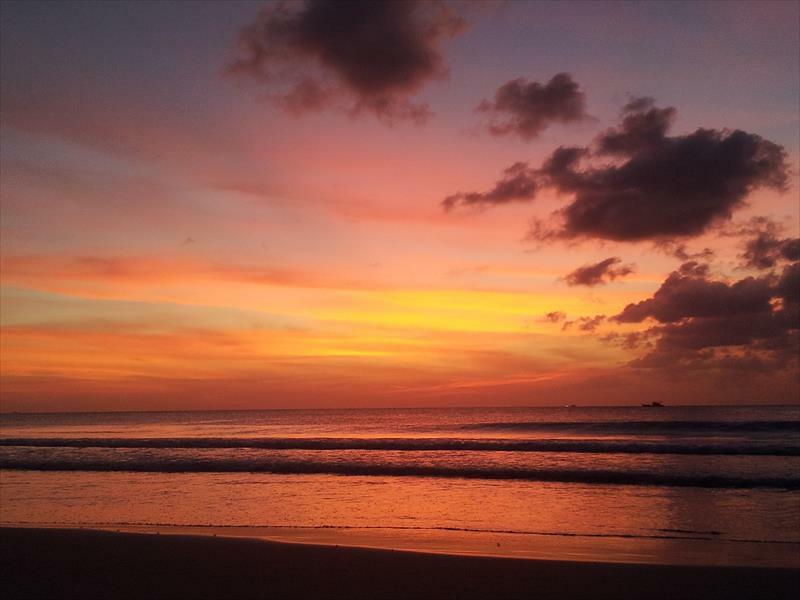 Sunset at the Tip of Borneo. PHOTO BY HEATHER LIND
 Oribi Mom at Mabibi in iSimangaliso Wetland Park.

















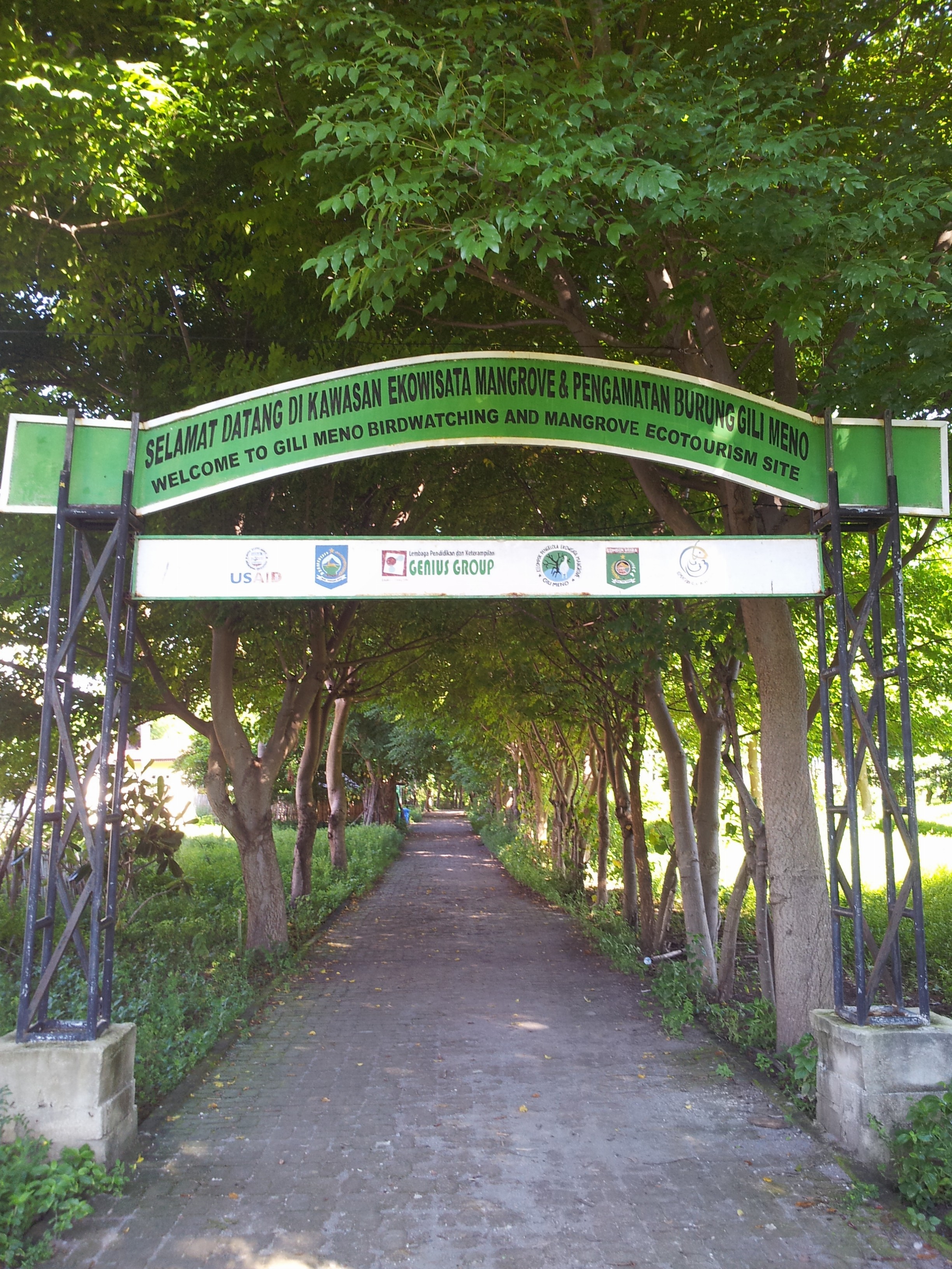 Focussed on preserving its natural assets, Gili Meno boasts a shallow lake (a mangrove conservation area teeming with birds, monitor lizards, Fiddler crabs and golden orb spiders), a turtle sanctuary, a tiny port and a handful of laid back locals and their horse carts. The few lodges, resorts, bungalows and homestays dotted around the island are far enough from each other to give some privacy, but close enough to take a quick walk to find meals. The beach is at most a 10-minute walk away, in any direction.
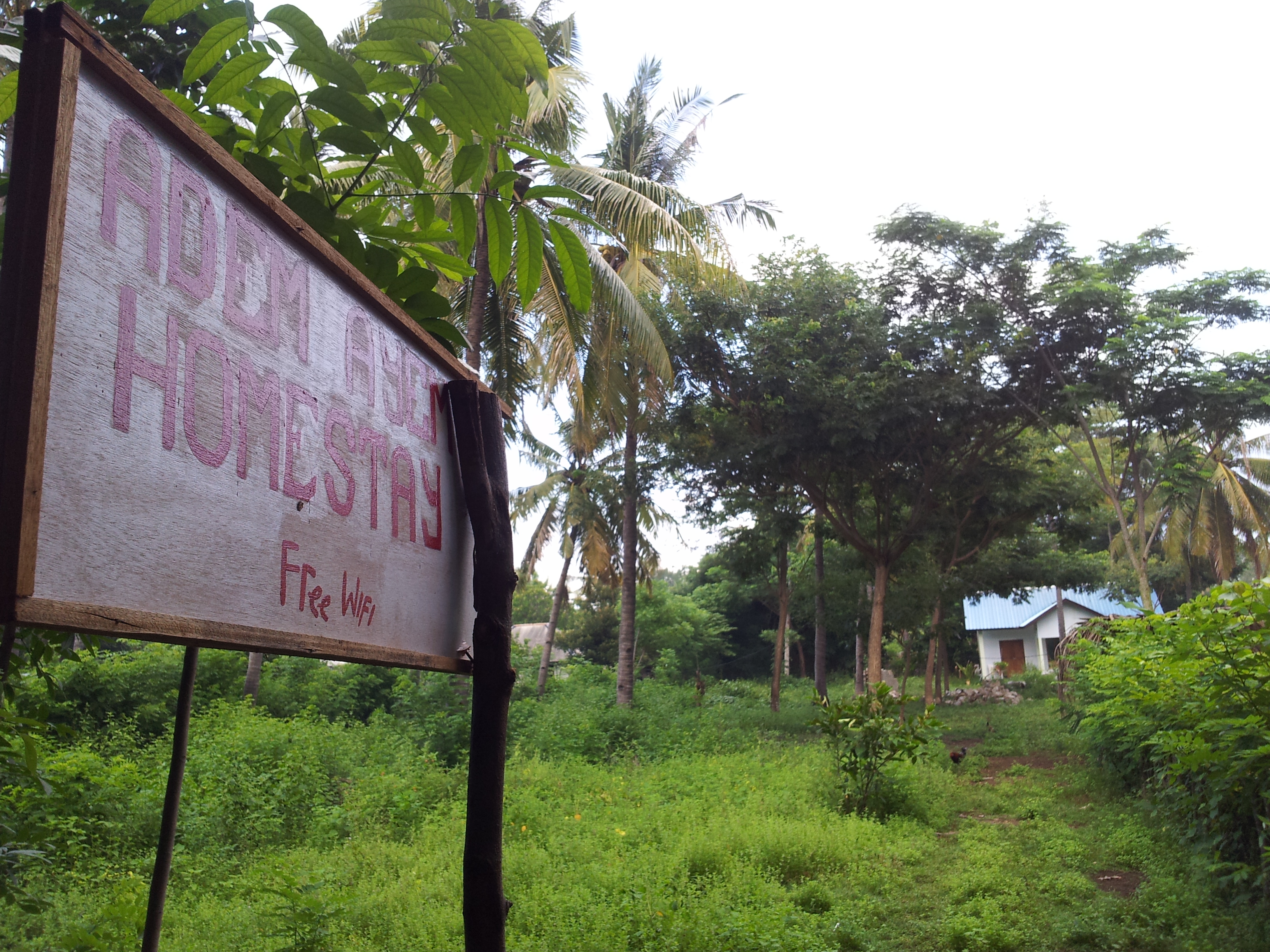 We had an awesome stay at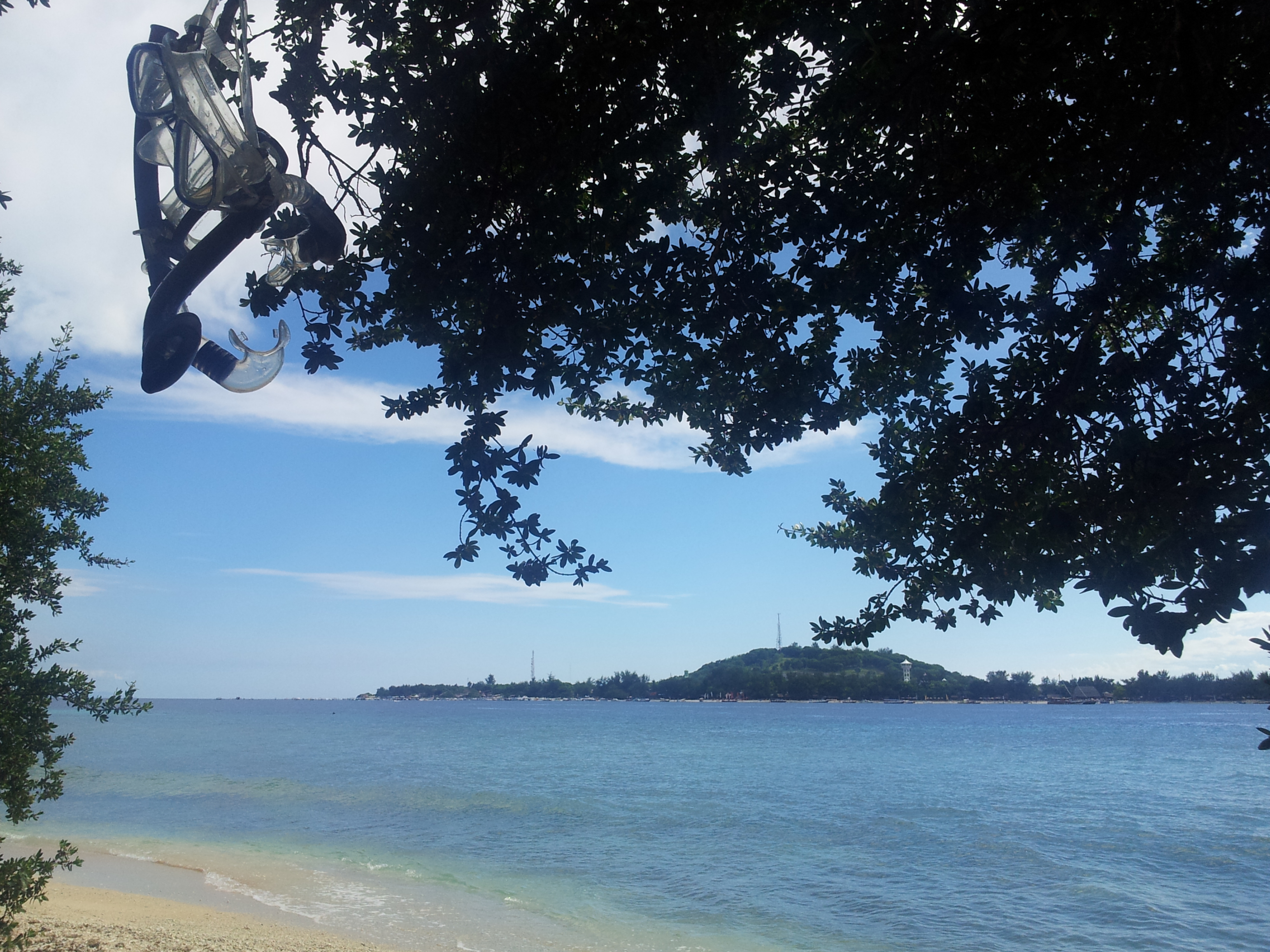


 1.If you go in the rainy season (June to November), even though a little rain can be expected all year round, then it is much quieter but be prepared for some rainy days of reading a book on your bamboo porch. or under the cabana. We even had a typhoon pass by us during our stay here (July 2014), but the following day we had glorious sunshine and got thoroughly sunburnt on our (absolutely awesome) snorkel tour.
 Mataking Island