Welcome to our blog! All the Lind’s travel blog posts and stories are right here to entertain you and get you excited about life. Are you amazed that we’re still alive out here? There’s more to come.
The Lind’s Travel Adventures Around the World
Start by reading our classic Travelinds travel blog of world adventures. This time largely informed how we’ve chosen to do life together, taking us to some of the most spectacular sights, muddiest jungles, whitest beaches, and intentionally out-of-the-way places (we hate crowds!). Those memories will be with us for a lifetime!
While we’ve taken a little hiatus from the fast and furious travelling, we’re navigating another big adventure – some serious parenting – and there’s never a dull moment. How could there be with three little curious and energetic people we’ve apparently given all of our adventurous genes to? We went back home and sunk our savings into creating a home. Still, while the wandering and flight itinerary takes a break, the soul continues its quest! There are always beautiful spaces and faces to see wherever we happen to touch down.
Now, The Family of Five’s Adventures
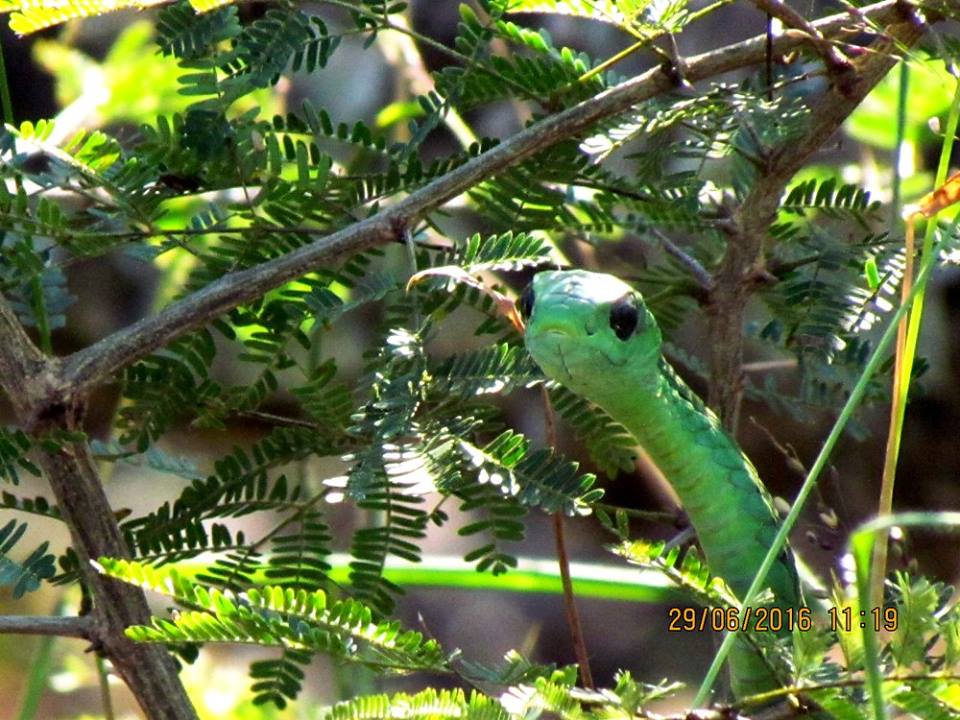
We’ve come through global pandemics, wars, and the U.S. election calendar still kicking. Now, there’s also the newer Oribi Mom posts, which cover more recent family stories in the local paper. After the daring international stuff, we came back to see if we could put down some roots. So far, so good! For the last few years, we’ve made the farm home. We’re raising three little people and taking lots of photos. We’re also keeping a sharp lookout for Black Mambas, Narina Trogons, and Trumpet-mouthed Hunter Snails.
The Linds Are Still Adventuring, So Keep Reading…
If you’d like to see where the next adventure goes for the Travelinds, the Farmlinds, or whatever you’re calling us now, you’re in exactly the right place. Keep reading!
“Mist-blanketed rivers with crocodiles have tales to tell, I’m sure.” – Heather Lind.
The mist in Oribi Gorge, just like in the rainforest. PHOTO BY: HEATHER LIND
October 16, 2024
More than a decade ago, we planted a tree in the rainforest. It was one of those last-minute decisions you make when you’re leaving a beautiful place and wonder how you can leave some sort of mark on it.
We’ve always been free souls who preferred to leave footprints and take only memories. I guess it was a sort of ‘ethical traveller’ decision. It’s the same reason we never rode an elephant or went on those boat tours to see the propeller-etched whale sharks they feed to keep nearby for tourists.
We don’t buy curios most of the time unless the mementoes on sale are directly helping a local person earn a living. In this case, planting the tree was the best of both worlds. We were supporting a local business and, at the same time, contributing to reforesting the badly depleted jungle.
That tree also contributes to the oxygen you and I are breathing at this very moment, 11 years down the line. Yes, we understand that this little side business of the place we stayed at was to make money.
Isn’t it okay to feed your family off the money tourists are willing to pay for a tree-planting exercise? You’re making a living and helping the jungle ecosystem. We even got a ‘plaque’ – a little wooden thing painted with ‘Linds’ on it. They stuck it in the thick mud next to our sapling. I guarantee that plaque is not there today. It was the kind you might recycle later for another tourist by painting over it. That’s okay. The tree, though? I often think about it.
I’ve planted many, many trees since then, particularly on our farm in Oribi Gorge. Hundreds of trees. But I still wonder what that tree looks like now. Is it towering over the little wooden huts with the rickety boardwalk? That boardwalk was really the only way to walk from your hut to the place they served food.
The ground was basically just thick mud up to the knee. Thousands of leeches were also just waiting for you to squelch over there so that they could feast.
I’d still go back to see that tree, but we’re older and wiser now, aren’t we? Imagine what else we would notice ten years on. Mist-blanketed rivers with crocodiles have tales to tell, I’m sure.
“Read wherever you can, even if it’s pouring with rain.”
The privilege of reading in a campsite next to Lake Navaisha, Kenya. Photo By: Heather Lind
November 2, 2023
There’s not much time to read these days. It used to be easy, grabbing a book in the evenings after a day of teaching or reading a quick few pages on the subway as we travelled up to Seoul or Pyeongtaek for various reasons. The ultimate relaxation was lying on a rickety lounger or a colourful towel with salt spray in my face. I’d fliick though an old, yellowed novel that I’d found on a resort’s shelf nearby or swapped with another traveller.
A Winter Escape With Piles of Books
There was one winter holiday where we had a few days off and couldn’t stand to be in -10 degrees for another second more than necessary. So, we hopped onto the cheapest flight we could find and headed south to The Philippines. In that case, it was to an island called Virac. The flights were cheap because it was the rainy season in that area, but who cares.
We took rain jackets, quick-drying shorts, and waterproof hand luggage. It absolutely poured when we arrived, and continued to do so for the whole week we were there. Since we needed rest more than adventure for those few days, we made full use of the hut on stilts we slept in with bamboo floors and a big mozzie net. And then we found the books.
Without much Wi-Fi around, even Oribi Dad got stuck into the whodunnits, corporate thrillers, and spies on offer. Days and days and days of reading, interspersed by meals of freshly caught crayfish… I mean who can really complain about a little bit of torrential rain?
Travelling To Tropical Islands Just To Read Books? Why Not
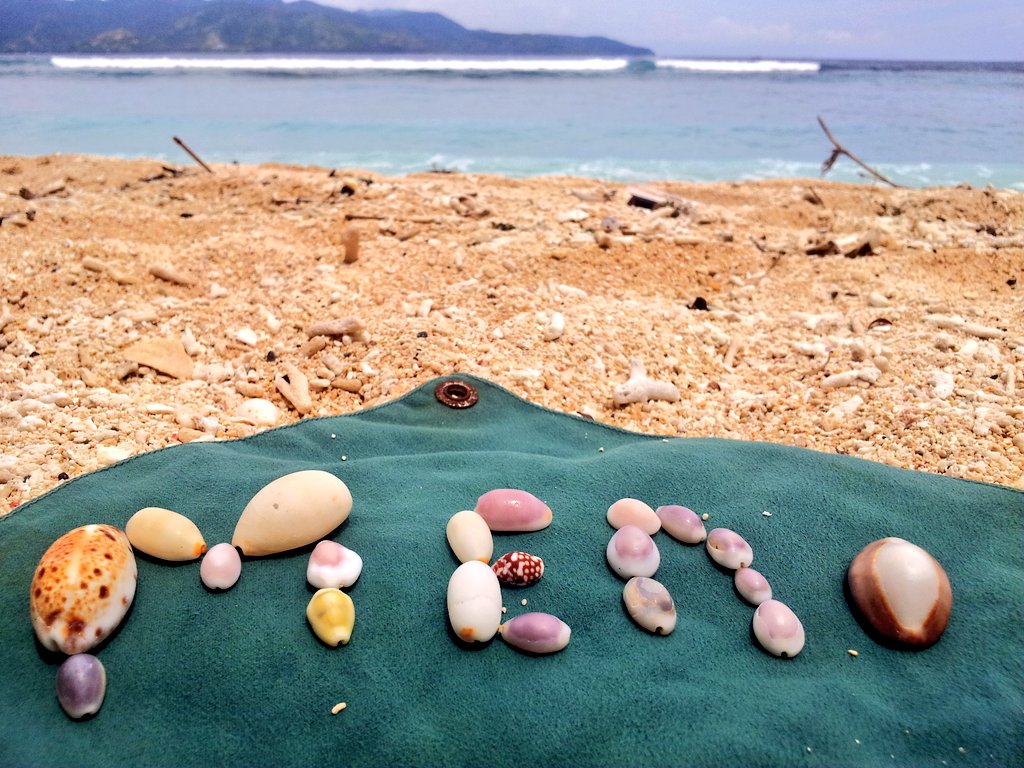
That happened to be a world-famous surfing beach with a festival of hundreds of people in July. But in January, we saw one other family arrive the entire time we were there.
The family who owned the five huts at our ‘resort’ seemed confused about why we were there. They kept apologising for the big box of books that were still wet from flooding before we arrived. We were glad that we could contribute to their income while getting a holiday out of it ourselves. And they made the most delicious crayfish and fresh fish meals for us every day.
When I pick up a book back at home, that’s the memory it triggers. Well, that, and the many other places I’ve been privileged enough to read books in. May there be many more in this lifetime!
“My expensive collectible 2012 Korean Grand Prix mug stared back at me.”
Heather and Robin Lind at the 2012 Korean Grand Prix.
April 15, 2021
I was washing my dishes in the outside sink (my kitchen renovation is three months overdue). The skittish lesser-striped swallow couple were feeding their cheeping babies above my head. Monkeys were starting to forage nearby. My fluffy, white bunnies were napping under the washing after a usual night of exploration and mayhem around the yard.
I reached past the terrifying earwig that appears on my sponge each morning, and picked up an item from the soapy water. Confused, I did a double take as my collector’s mug emerged with bubbles and coffee stains.
My expensive collectible 2012 Korean Grand Prix mug stared back at me.
The Mug Was a Genuine Collectible From Not So Long Ago
I could not believe this heirloom had been used for coffee. But I remembered that it had been a crazy week with too much work, too little sleep, and no energy for regular dishwashing in my scenic scullery. It had been sick babies juggled with looming deadlines. It has also been a month of several power outages, including a five-day streak after some lightning.
That mug represented all that came before this chaos, when we still contemplated having an adult display shelf instead of only toddler-friendly zones. It told tales of calm and adventurous years of travel, extended honeymoons, and lots of sleep. It was a different life stage; not better, just different.
That Time That Felt Like Another Lifetime Now
It was a time when it was the two of us taking a last-minute road trip in a foreign country to see a real Grand Prix, an event we only dreamed about attending during our lifetime. Vettel fans, we put the track into our Korean-speaking GPS – no small feat, I promise you.
In a comedy of errors that we laughed about afterwards, there was no room at the hotel. There was also no way to park at the track without a permit. Luckily, we chose a hotel that was full of press for the Grand Prix. Two kind French journalists overheard our predicament and shoved two press parking passes into my husband’s hand, saying, “Follow me,” just like that little shrimp in Finding Nemo.
Our borrowed Matiz kept up with their Mercedes as if its life depended on it. It was living up to its local reputation as the mosquito of the highway.
Follow the Adventure and Don’t Get Pushed Off the Road By a Celebrity
The journalists told us explicitly to zoom through the checkpoints as if we belonged there, so we did. Before one of these obstacles, we were almost shoved off the road by a pompous black sports car carrying none other than Heikki Kovalainen.
Still, we found our seats in time for the parade. Those F1 drivers waved right at us as the thunderous Korean air force formation zoomed overhead, more deafening than anything that raced around the track that day. Even when my broken collector’s mug is a mosaic on an old pot plant in fifty years’ time, it will still be true that we raced our Matiz against an F1 legend.
Great memories don’t need a shelf. Oh, and Vettel won.
We are certainly beach people, ever happy with sand between our toes. From Travelinds personal experiences, the following beaches are definitely in our top ten choices from around the world:
10. Blue Lagoon (Bali, Indonesia)
One of the little known Balinese beaches, this secret beach lies over the hill and around the corner from Padang Bai Harbour. Blue Lagoon boasts a fascinating reef just a few steps into the water. Walk to the beach from the harbour by heading up and over the steep hill on the eastern side of Padang Bai Beach Road, then grab a snorkel for a day of underwater relaxation. We even saw eels and turtles in the little reef. Be sure to support the local restaurants (there are two) as these owners keep the beach clean out of their own pockets.
9. Gili Meno (Lombok, Indonesia)
One of our Indonesian favourites, the Gili Meno beach actually runs around the whole island (which is only about 1 x 1.5 kilometres). At almost any point, you can swim out about 10 to 20 metres and hit the reef, so be sure to bring a snorkel and some fins and make the most of it. We swam with turtles, lion fish and schools of fluorescent beauties every single day. Wish we could have stayed longer!
8. Diani Beach (Mombasa, Kenya)
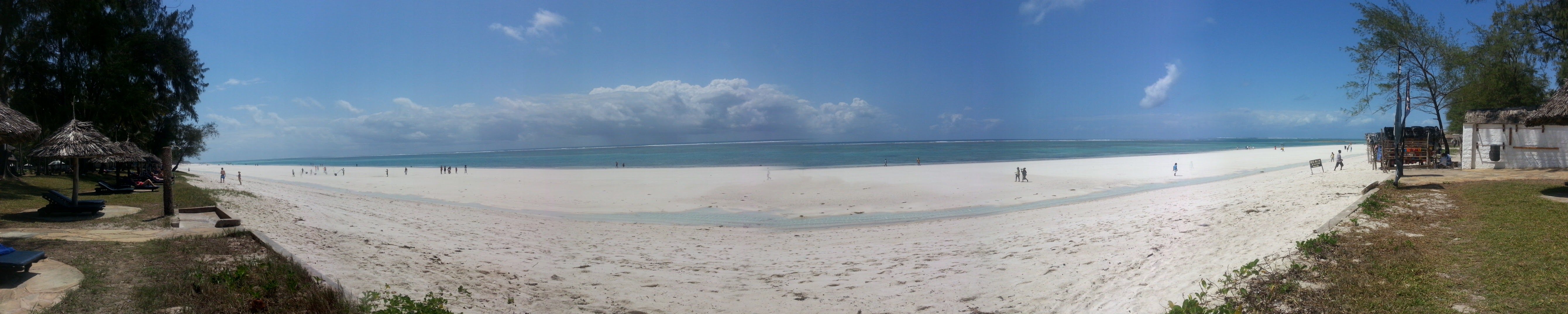
A ten kilometre stretch of fine white sand, gorgeous Diani Beach was definitely our favourite beach in Kenya, with neighbouring Tiwi Beach a close second.
7. Linapacan Islands (Linapacan, Palawan Province, The Philippines)
A whole archipelago of tiny islands somewhere between Coron and Palawan mainland, each island with wondrous beaches and its own reef right off the shore. How could we choose just one beach? Check out some of the names and descriptions from our fantastic four-day island hopping tour on the Brinze Kylene Expedition.
6. Barra Bay (Barra Peninsular, Mozambique)
A Northern beach of Mozambique, there is little about it we did not adore. Warm, flat ocean and stretches of Barra sand with smiling locals and coconuts for sale.
Photo credit: Barra Resorts
5. Anbang Beach (Hoi An, Vietnam)
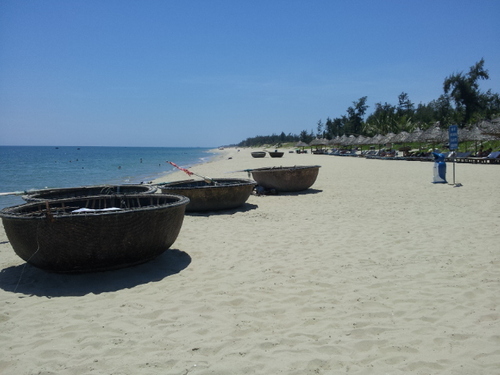
In Central Vietnam, Anbang is a distinctive beach, which is perfect for lazy swimming days and scrumptious lunches at the local chain of restaurants. We cycled over from Hoi An. Buy drinks from the restaurants and have access to lovely thatched umbrellas or wooden booths, especially helpful to escape the midday heat.
4. White Beach (Moalboal, Cebu, The Philippines)
On the western peninsular of Cebu, parallel to a long, beautiful reef, white beach is another gem in central Philippines. Truly, one of the most superb coral reefs in the Philippines, the Moalboal reef (stretching all the way off White Beach to Panagsama) is well worth taking your own snorkel to to swim out whenever you want.
Malapascua Island
3. Mawun Beach (Lombok, Indonesia)
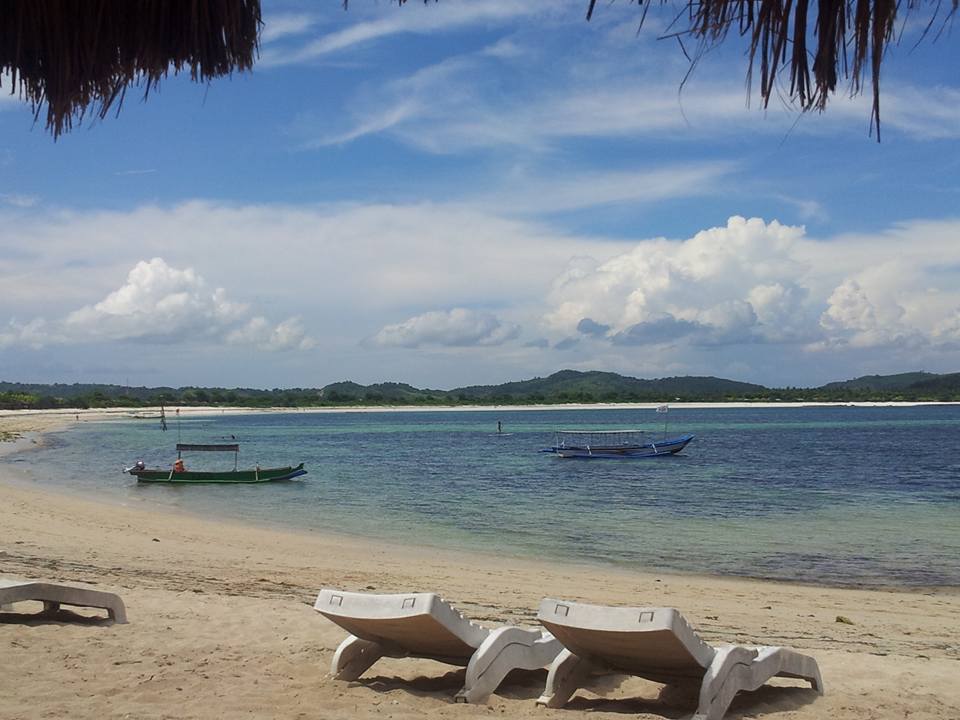
The long stretch of Mawun white sand that lines a peacock-blue bay, perfect for long morning swims. A fleet of tiny fishing boats floats upon sparkling, clear water sits to one side of the bay. Take a motorbike to get there from Kuta and be sure to take some cash to support the local vendors and family restaurants.
2. Sempang Mengayau – Tip of Borneo (Sabah, Malaysia Borneo)
Soft white sand borders the Sulu Sea of the Sabah Dog’s left ear. A secluded stretch of paradise all to ourselves is only one of the beautiful beaches in this area. It was 7 days of bliss.
1. Mabibi (Kwazulu-Natal, South Africa)
The place where Travelinds began their journey together on the Elephant Coast, part of the rugged Kwazulu-Natal coastline in South Africa. Look out for turtles laying their eggs along the dunes and whales passing by the north coast beaches. Walk for kilometres and breathe in pure African air. The Mabibi campsite is rustic, no electricity (except in the cabins) and hot water for showers in the communal ablution block. Nearby, Lake Sibaya is absolutely breathtaking. This is our number one favourite beach in the world – by far!
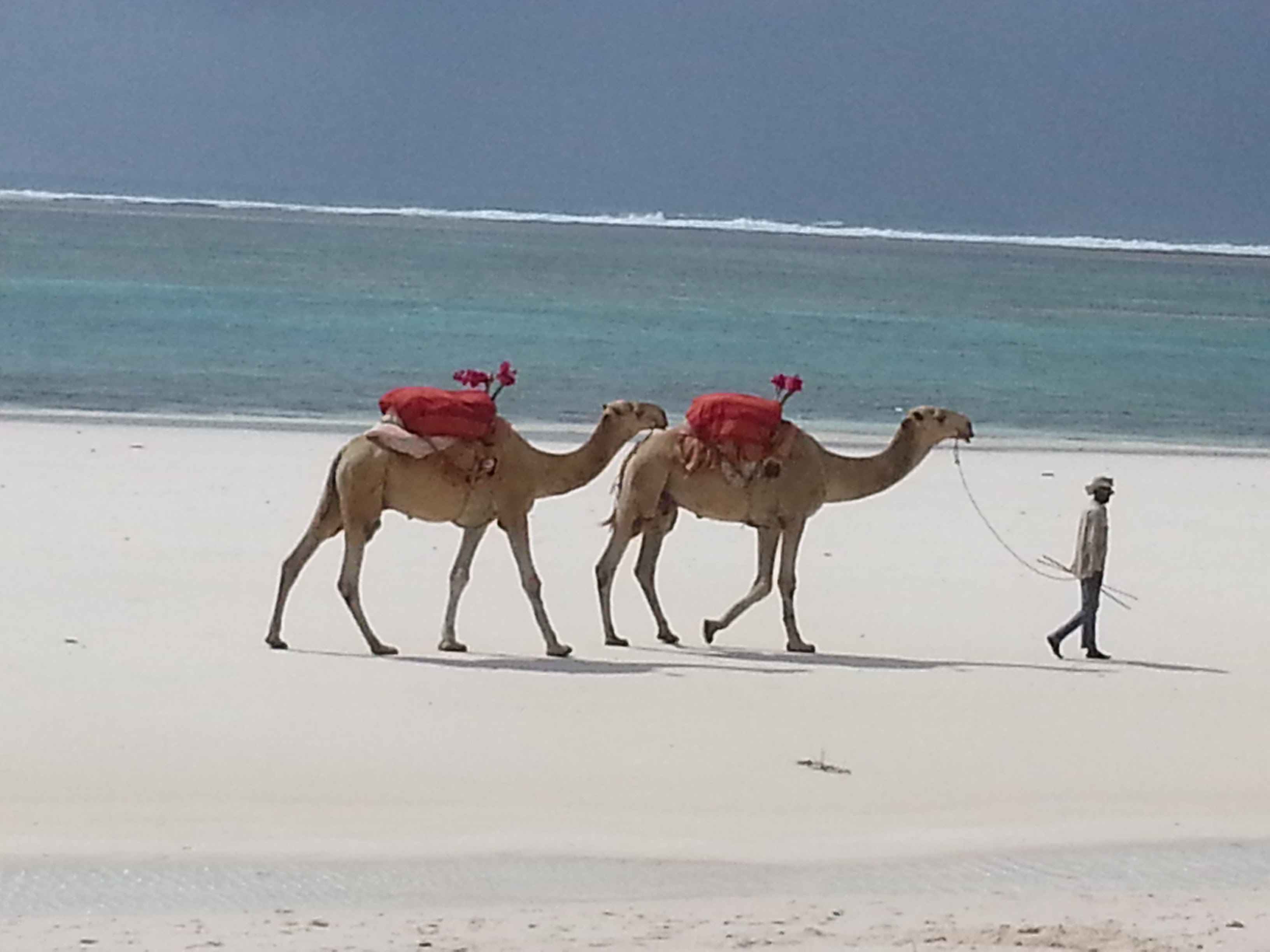
The waves pound on the soft shoreline, ten kilometres of turquoise ocean framed by black reef and fine white sand. When the tide is up everybody relaxes, but when the tide goes out, it’s party time! The wide beach opens right up allowing jogging, swimming, camel rides, kite-surfing, snorkelling, reef exploration, long walks and even a tiny microlight that zooms in and out using the beach as a runway – parachutes gently touching down on the sand were also a regular fixture of the low tide buzz that is Diani Beach.
Diani Beach Bound
Ukunda town is only about thirty kilometres south of Mombasa for a comfortable taxi ride (with Ukunda airport being a convenient touchdown point for those heading south to Diani Beach, Tiwi Beach or Wasini and Shimoni Island).
Living it up
The number of resorts and restaurants here were surprising, but it is not difficult to see why this is one of Kenya’s best beach tourism destinations – Diani Beach is absolutely stunning!
Since we were in Kenya having a bunch of ‘first’ experiences, like seeing the magical Masaai Mara and adopting baby elephants, it felt like a good time for our first time at an all-inclusive resort. Luxury living is almost impossible to come by on a perpetual traveller’s budget, but Kenya made it happen!
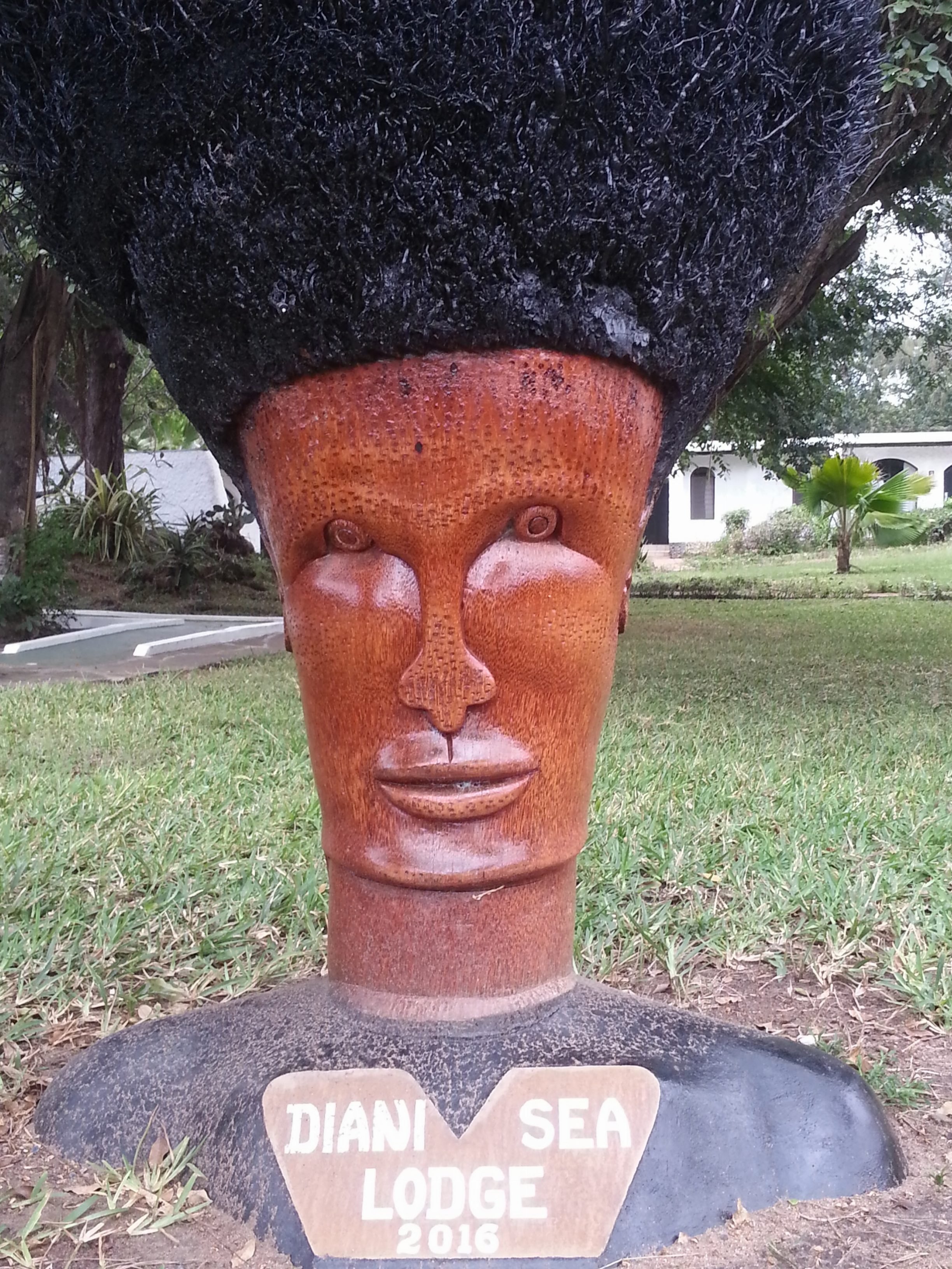
Having perused a few awesome resorts, we settled on a week at Diani Sea Lodge, about five minutes down the beach from the quirky Forty Thieves restaurant. The hotel is set among beautiful coastal forest, tall coconut palms and lush gardens. Whitewashed textured walls under the shady reach of enormous trees, where exquisite black Colobus monkeys shake their bushy white manes and call to each other like motorbikes starting up (as Daphne Sheldrick describes in An African Love Story).
Our days were spent on the beach, by the pool, reading books from the library, playing volleyball, darts and coconut shotput; and having an altogether relaxing holiday.
Curious Wildlife
One of the delightful things around Diani Sea Lodge are the birds and animals that call it home. Colobus, Sykes and Vervet monkeys roam the trees and gardens around, while camels and dogs enjoy their long walks along the beach. Hedgehogs and Bush Babies rule the night and you wake to the sound of twittering birds greeting the punctual equatorial sunrise.
The locals told us that the KiSwahili word for hedgehog is ‘Kidongo Maria’ because, like Mary the Mother of Jesus, they are thought to be humble and gentle.
Cultural Colour
Diani Beach is also home to amazingly diverse and talented people; musicians, artists, beach boys, shop keepers, sports enthusiasts and many others, too. The bargaining platform with persistent sellers seems wide open to interpretation and the banter is all part of the greater struggle against poverty. Tuk-tuks and bora-boras (motorbikes) crowd the market places in hopes of a good day.
Shawls and sarongs line the bamboo shelves and budding artists create against a backdrop of rhythmic dance and the lifesong of Kenya’s musical people.
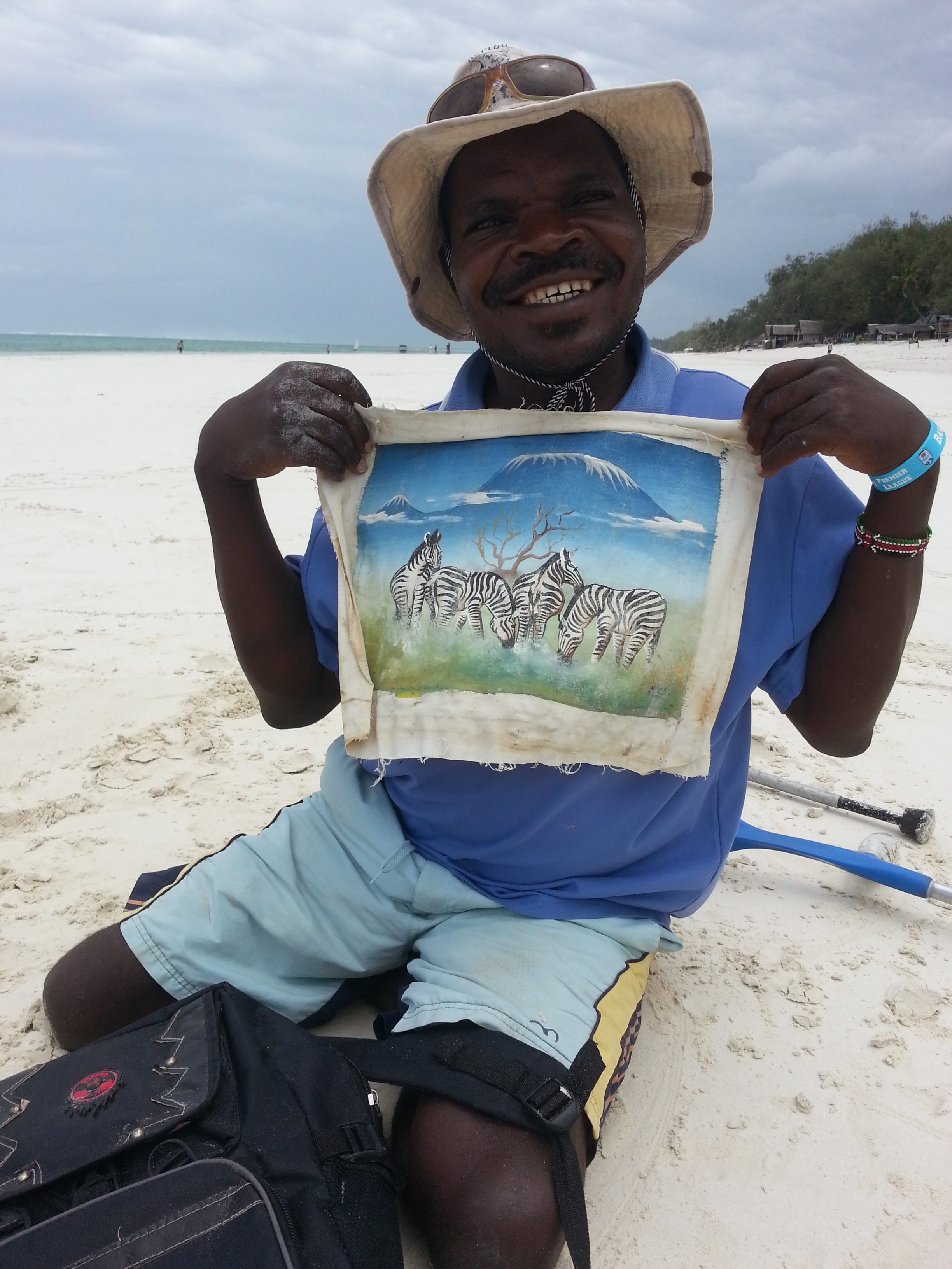
One such character was Mr. Christopher Odinga, a local artist and sculptor who makes his living through sand sculptures, tourist-commissioned artworks and if he is lucky, the occasional job sculpting concrete animals for new buildings.
A while ago, Travelinds told you about one of our favourite game reserves in Kwazulu-Natal – iMfolozi-Hluhluwe National Park. The few days spent at Nselweni Bush Lodge was a great family holiday and we couldn’t wait to go back again! This time we tried a new hideout – the Hlatikulu Bush Lodge!
Hlatikulu Bush Lodge
This was a good surprise as we had only booked Hlatikulu in a rush to secure accomodation in an already full reserve. However, as soon as we arrived, after navigating the jolting 4×4 route to get to the lodge, we realised that we had made yet another magnificent discovery!
The bush at your door
The camp is beautifully maintained by Siyabonga and New Year, both of whom have been there for ages and visibly love what they do. Right on the riverbend, with no fence, the animals and birds come and go as they please. All around the camp are tweets and chirps, grunts and growls, spoor and feathers and evidence of life.
The deal
The camp can accomodate eight people at most, in four lovely huts (each for two people), all of which boast views of either the river or the bush. The booking includes… (wait for it!)… TWO bush walks with Siyabonga and his gun (2-3hours, one morning, one afternoon) for every night that you stay. New Year will cook any food that you can bring (and he will insist on setting up AND cleaning up everything in the communal lounge and diningroom himself, too). These two wonderful humans keep the huts immaculately clean and look after you while you simply relax and enjoy the wildlife.
Nature up close
The resident bushpig, Georgina, can get a little persistent in the evening, but please, do not feed her even if she follows you down the boardwalk or begs. There are also hippos, crocodiles, lions, elephants, buck and other creatures that roam in and out of the camp at their leisure – look around when you are outside and do remember that you are living in the real African wild now!
We fell asleep each night to lions roaring, hippos grunting, hyenas laughing and melodious nightjars. Early mornings wake up to birds singing and nyalas crunching grass right outside our windows.
A different perspective
The bush walks were also well worth the effort and if you do what Siyabonga tells you, you’ll be in good hands. He’s an experienced game ranger and takes his job, and your safety, seriously. The animals are wild and unpredictable, especially where humans provoke and disrespect the natural order of things. It is our responsibility to preserve and care for nature and a bush walk is a great way to remind yourself of your roots.
Use your rhino card to receive discounts on day fees, accomodation and more. It was worth it for us to buy the card (for a couple) just to cover our day fees during the week here. Ezemvelo KZN wildlife is also a great cause to support!
Travelinds has experienced a range of different beach trips and the following are items that we really cannot go without aside from swimsuits and suncream (*cue drum roll…*):
1. Sarong
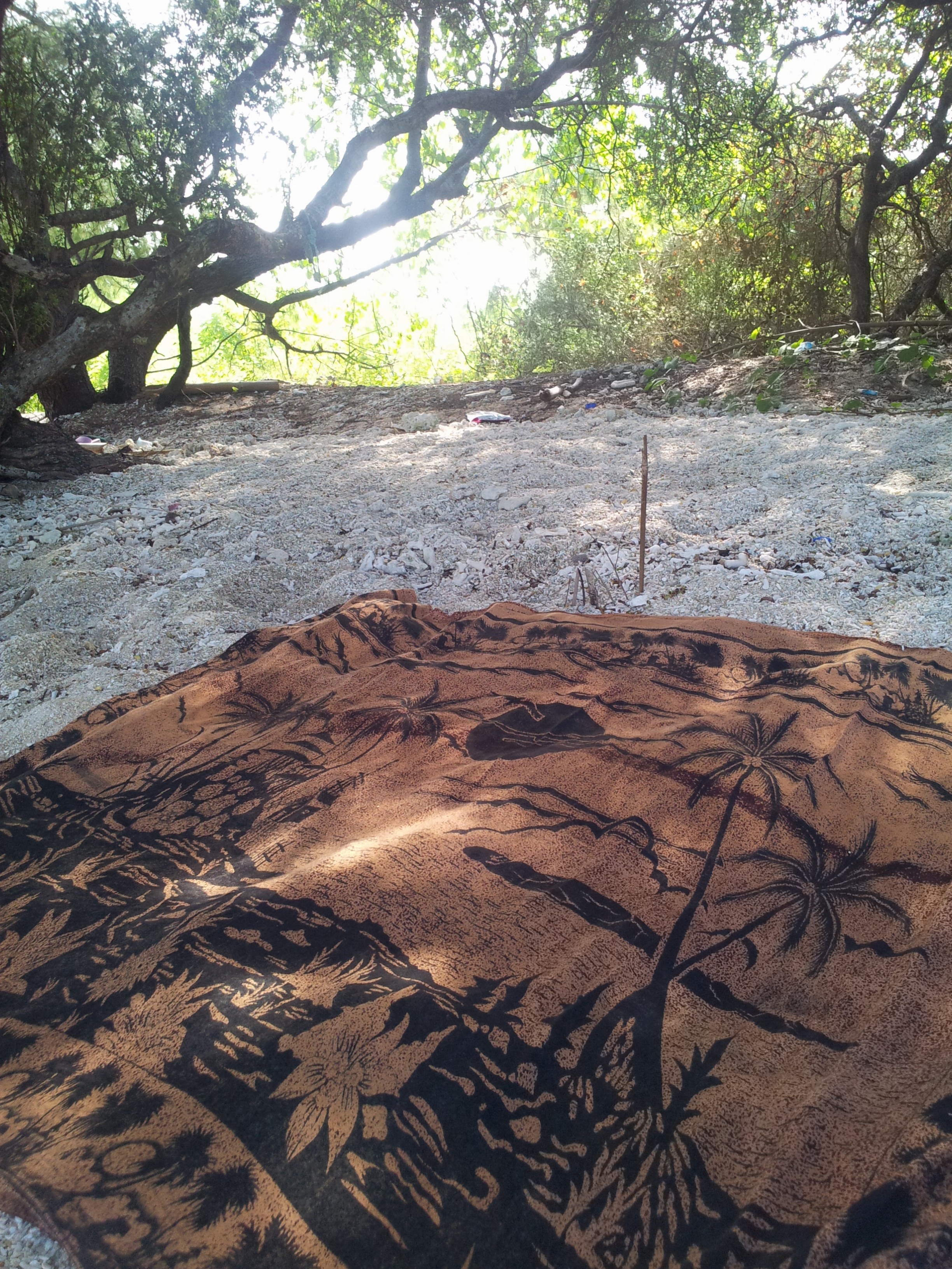
It’s versatile, light-weight and easy to pack into a small space. Sarongs are good as a towel, a sun cover, a beach blanket, clothing and a cover against mosquitoes in the evenings.
2 Hat
Hats are an obvious item, but also one that saves a face from a world of pain and long-term sun damage. Hats can generally be easily replaced if forgotten or lost, except on isolated tropical islands like we visited in the Philippines. Hats protect your face against the sun and rain (and cover a bad hair day, too!).
3. Sunglasses
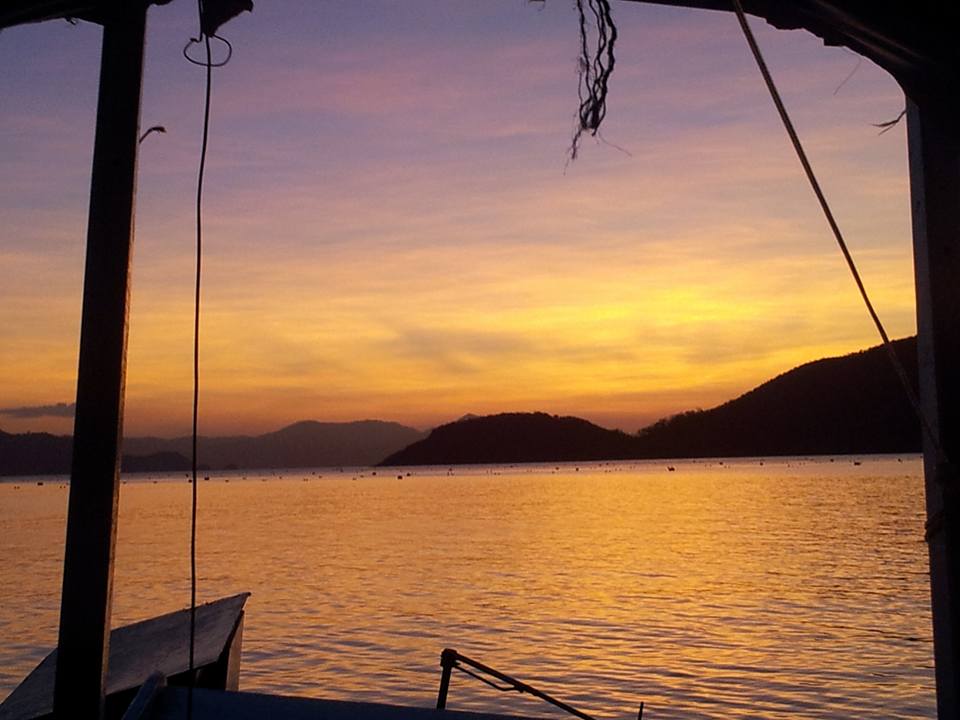
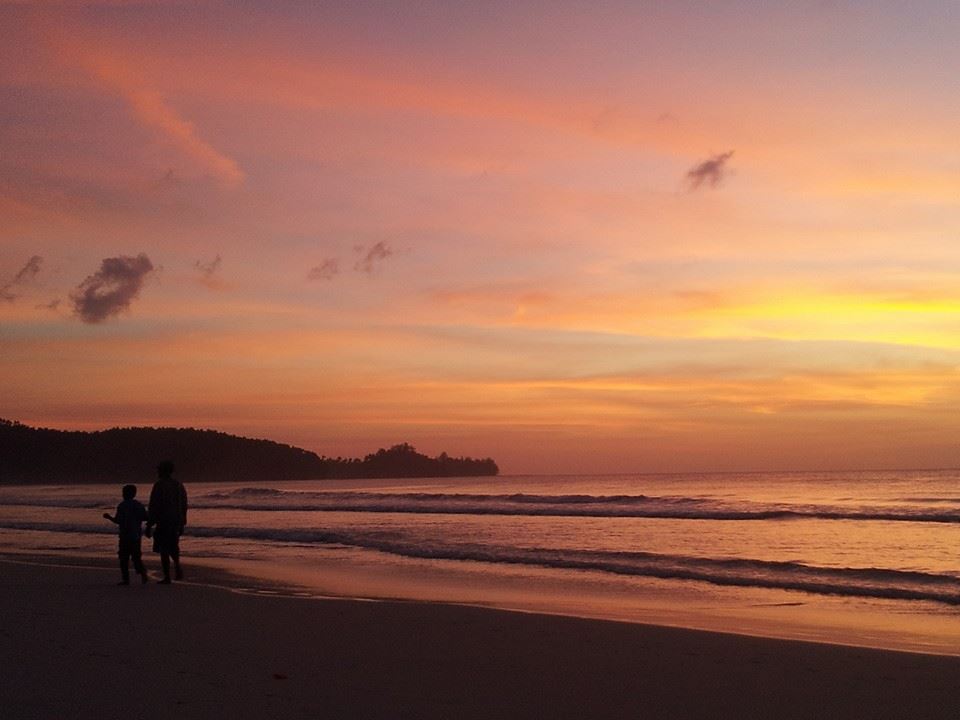
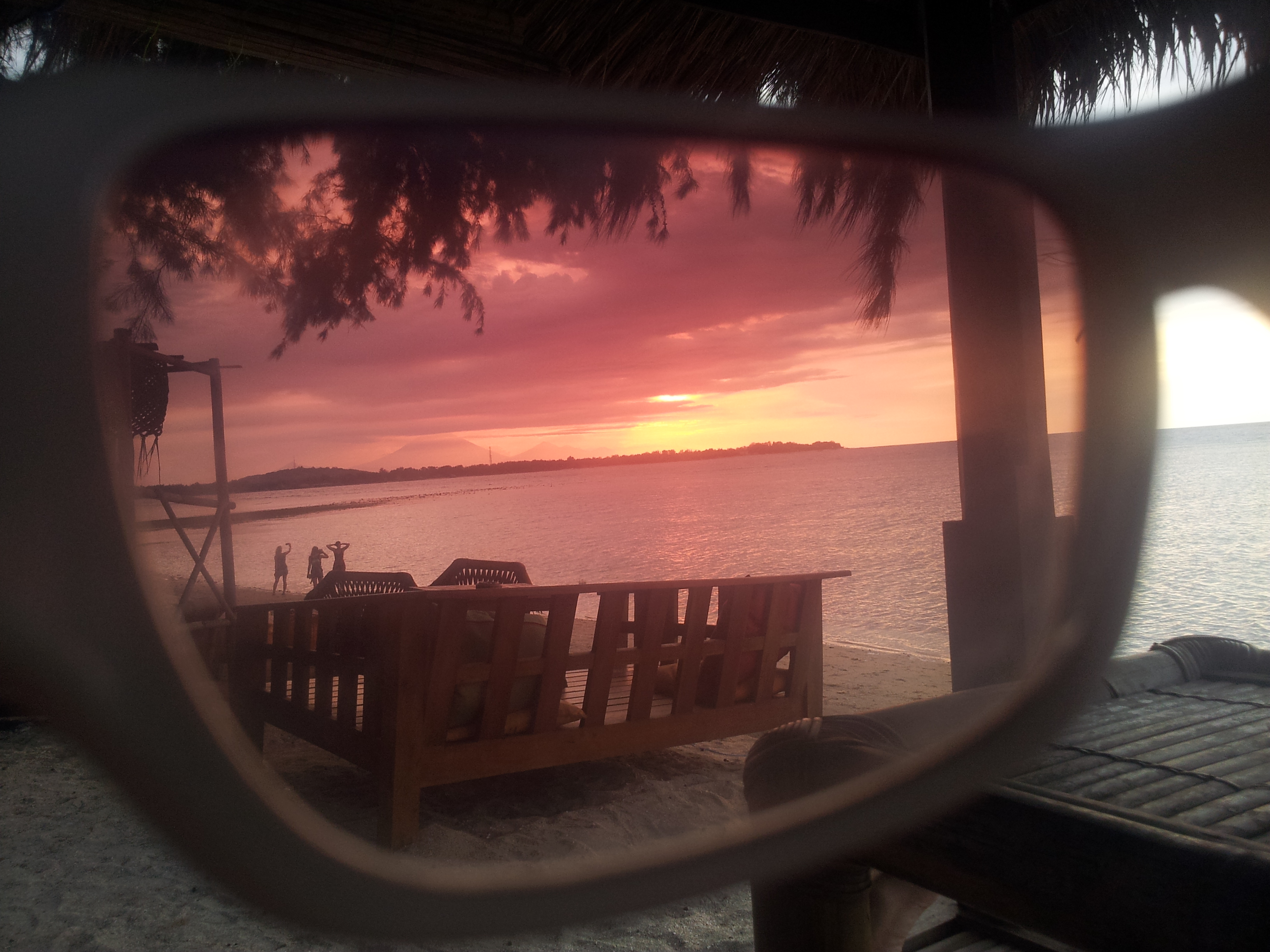
Light-coloured eyes will thank you for some extra protection from the harsh glare of the sun. They are also quite stylish, if you’re into that sort of thing, and, without sunglasses, you wouldn’t be able to take an amazing sunset photo like this one in Gili Air…
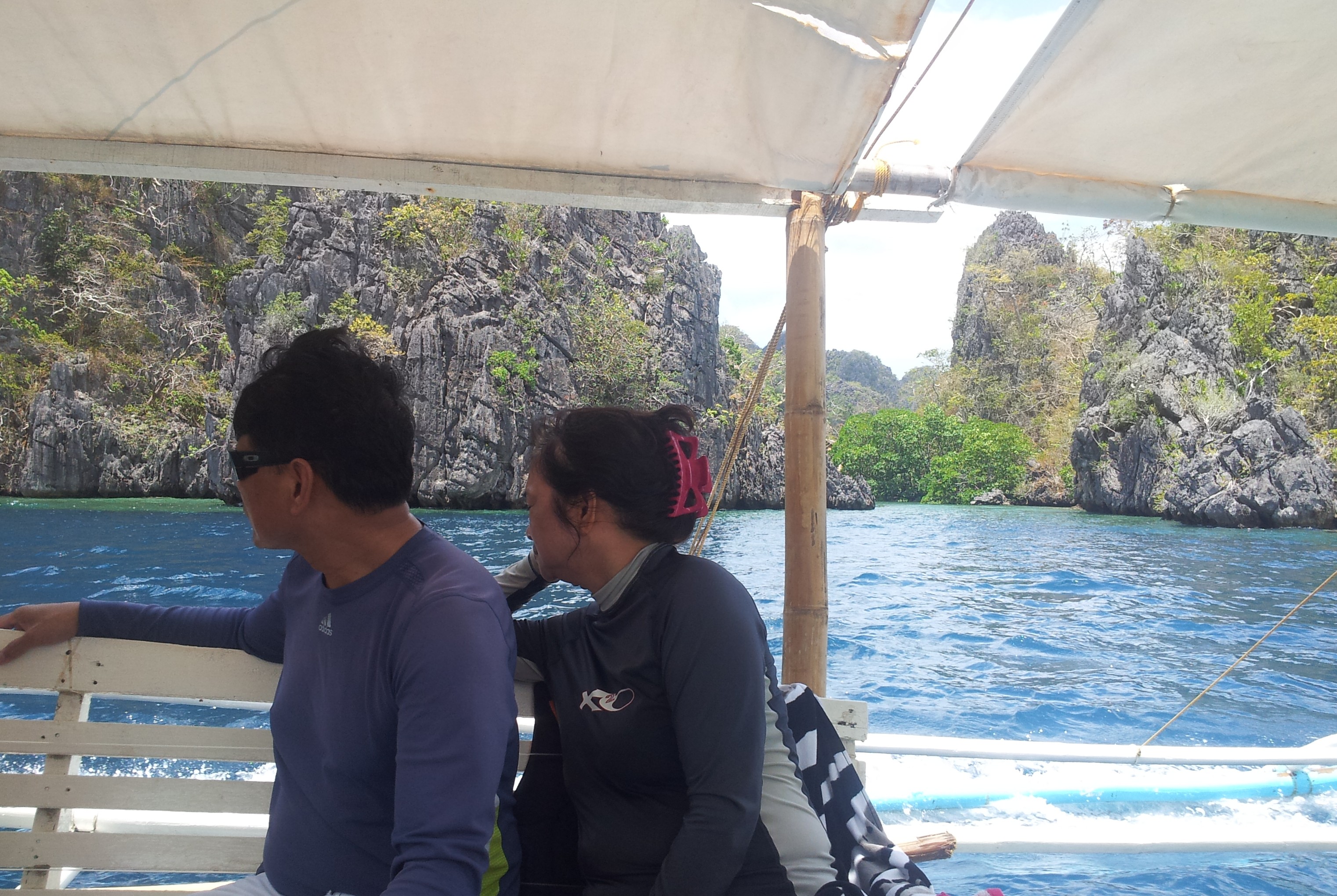
4. Rash vest
This is one of the best investments we’ve made for any water activities – good sun protection, as well as an extra guard against stinging water creatures and plants.
5. Hammock
You can sit down, lie down, swing, sleep, read and daydream. It keeps your feet clean, your books out of the sand and a breeze through your hair. You can string it up in the shade, anywhere, anytime. Also, your swimsuit can dry on both sides. What’s not to love?
6. Snorkel and Mask
Having our own snorkel and mask with us has been a great idea. It allows a lot more freedom to explore the underwater surroundings at each beach without having to rent it (or miss out completely). It is also helpful to have some goggles (like the kind you’d use in a pool) as a backup for long swims.
7. Dry Bag
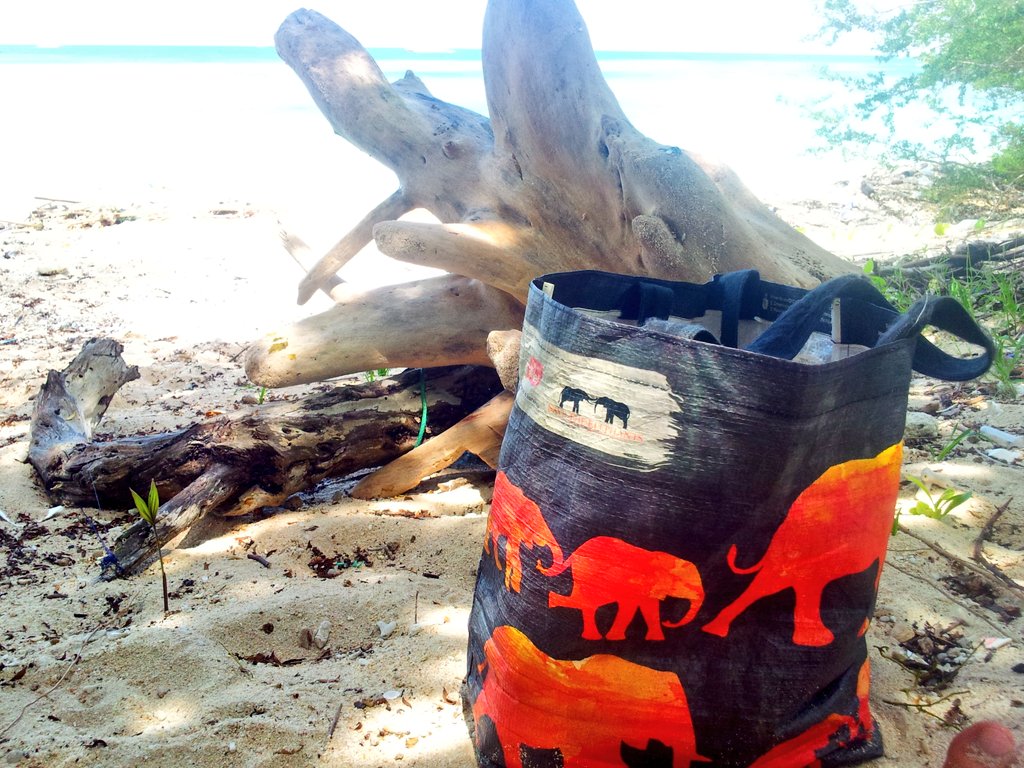
Whether for a boat tour, a water transfer, a ski trip or a dive, the dry bag is usually a good idea to avoid general spray and the odd freak wave soak. Cameras, cellphones, wallets and books will thank you later.
8. Refill water
The amount of plastic in our precious oceans is shocking and disgusting, and we can make a difference every single day. Take your muggy along rather than buying plastic bottles along the way. Being environmentally responsible tourists is a daily choice and one of these decisions is to use water refill stations (or decant from large recyclable refills for the duration of your trip) rather than buying more plastic waste. Incidentally, it will also save you money. For example, on Gili Meno (Indonesia), the price of a 1.5-litre plastic water bottle was 5,000 IRP and the price of a 19-litre (5 gallon) refill water tank was 22,000 IRP (excluding a deposit). That’s a 65% saving on the price per litre if you ditch the 1.5-litre bottles and choose the 19-litre refill instead (about 4 days worth for the two of us).
9. E-reader
This little device has truly changed the way that I read both at home and abroad. Travelling with it is easy and this means I read more wherever I am, at any time of the day or night. Books are still amazing, but an e-reader allows me to carry around my whole library, use it at night in places without electricity and read more than one book at a time without taking up more precious space in my small backpack. The world needs to read more – do your part!
10. Camera
Obviously, a camera is an essential item to capture the beauty of all your travel destinations, like this sunset at the Tip of Borneo. You can share it with others, and refresh your memories as the years go by. Together with a dry bag or sand-friendly cover, keep some extra batteries and a universal adapter so you can recharge it easily.
Armed with Travelinds Top 10: Beach Travel Items you are ready for any beach in the world – and there are some breathtaking beaches out there, no matter where on God’s beautiful green earth you go! Check you on the flip side.
What are you favourite beach travel items? Travelinds would love if you left us a comment below!
If you liked this post, check out Travelinds’ post
Linapacan is the small archipelego between Coron Busuanga and Palawan mainland. Coron Busuanga, Culion Island, Linapacan and Iloc Island are part of the Palawan province of the Philippines; and it is a truly stunning area.
Off the main drag, Linapacan is not a common tourist destination, especially for those with limited time to explore the more inaccessible parts of the 54 islands in its domain.
Getting to Linapacan
After much research and deliberation on our journey, we decided to try and take a cargo boat from Coron to Linapacan, and if we couldn’t find one at the harbour (because there aren’t always delivery boats every day), we would take the ferry the next day (buying the 800 peso ticket from the pier in the morning). Luckily for us, a friendly trike driver helped us locate a boat picking up goods. The cargo boat eventually left at noon (giving us a solid three hours to get to know fellow passengers as we all waited) and arrived at the island around 5pm. They charged us 500 pesos each. It was worth it not only for the little bit of money saved (no time saved) but also for the contacts we had made on the boat during the journey.
We hopped on to this cargo boat to get to Linapacan.
On the boat to Linapacan there were six passengers and four crew. One passenger turned out to be quite fluent in English and held the prestigious position of Barangay Counsellor (a local government official of San Miguel, Linapacan), which elevated his status greatly in the eyes of the Filipinos here. His name is Monmon (said “Mawn Moon”) and he convinced us to come to his island instead of going to San Miguel (the main city on Linapacan). He said that his friend “had a cottage” where we could stay (price unknown), that there was good snorkelling on their reef and that he would feed us.
Inapupuan Island
Why not? So, of course we agreed and we got off the boat with him at the tiny Inapupuan Island (15 minutes north of Linapacan by fishing boat). The low expectations of our detour served us well and made it more exciting to discover a whole village that was excited to have tourists in their midst. The ‘cottage’ was actually an open bamboo hut on the beach, with a only a roof, a table and a bench. There was also an outdoor ‘bathroom’ where we could wash (in buckets) and use the long-drop under the stars (with some draughty bamboo walls for privacy). The owner of the hut (a 19-year old smiling girl) cooked a huge portion of fish and rice for us and carefully watched us eat every last drop by solar lamp.
CULTURE TIP: It seems that in this part of the Philippines it was expected that we as guests eat first, while everyone watches us and prompts us to eat as much as we possibly can in one sitting. The elders then ate what we left, and then the others tucked in. It was quite something to get used to people literally staring at every mouthful we took and not being willing to let us eat an appropriate-sized portion but insisting on piling up our plates at every meal; sometimes filling our plates for us despite our pleas that we were full to the brim. [Thank goodness we swam for a few hours each day to keep those calories from sewing our clothes smaller during the night!]
This was our ‘cottage’ on Inapupuan island.
We slept on the table in our trusty duvet cover, fighting off only a few mosquitoes, but enjoying the breeze and the bright stars above. Like the birds, we woke up in true island style to the call of the confused roosters (sometimes all night), the dogs and villagers waking up with the sunrise; and the fishing boats returning from their morning expeditions. This area is known for its squid-fishing industry, which are collected between 5pm and 5am every night on boats with about eight lights shining on the water to attract the luminous-spotted ink-makers large and small.
Dried Squid
Inapupuan is apparently famous for dried mini squid (about a hand’s length) and we saw them laying out the squid at sunrise to dry for two days. After this, it is sold to traders in San Miguel (like BRC hotel), who send it on to the Manila markets about twice a week. A kilogram of mini dried squid sells at about 120 pesos, and the large dried squid at about 300 pesos per kilogram (much more than the measly 37 pesos per kilogram they get for the cashew nuts that come in from a few of the islands).
Inapupuan’s main source of income is from the dried squid that they ship to Manila once a week.
The next morning we jumped in for a snorkel (the reef is only 30 metres offshore) and unfortunately met with an array of sparkling jellyfish, which quickly redirected us back to our beach hut nursing a few little stings (nothing major). A great pity indeed as the reef looked amazing through the clear blue water off the boats. Inapupuan, we will have to come and see your reef again!
Patoyo Island
Patoyo Liao Beach
Monmon’s brother kindly ferried us to the next island on his (tiny) fishing boat, as we had read about staying on Patoyo Island (right opposite San Miguel – about 10 minutes on a boat). He dropped us on the beach with our bags and waved goodbye as he took Monmon back to his job across the bay in San Miguel. We followed our noses to a village (called Osun), asked a couple of people where we could stay and secured a spare bed at what we like to call, The Eagle Inn, with Berta and Lito.
Berta and Lito
The bamboo frame is in their front room and was available for 200 pesos per person per night and we gave them what we thought was fair for the generous meals they provided (fish, squid, rice, water and coffee). Two nights later we moved across to new friends on the neighbouring beach.
HIGHLIGHT: Lito has an eagle (that he seems to have rescued from a fishing net) perched on his tree, which eats two fish a day and takes a bath in the ocean every week. An amazing sight to see Lito (a small Filipino fisherman in baggy basketball shorts) lift the huge bird by its body, well away from its sharp hooked beak, dunk it and splash it a couple of times in the ocean, smooth down its feathers and then carry it back to its perch next to the pigs, chickens, cats and dogs.
Lito’s Eagle on Patoyo Island in the village of Osoon
Days on Patoyo were spent lazing on the beach, snorkelling in the awesome reef just off the shore, observing the local fisherman, sleeping in our hammocks and generally loving life in paradise.
The Gonzales and Castolo Families
The next two nights we spent with the Castolo family. Pastor Gonzales met us on the beach, introduced himself and then asked us to come and stay with his employers (he is the caretaker of the Castolo beach). This was another lovely introduction to the true Filipino hospitality and character. There was an abundance of food, laughter, company and an easy air of peace between friends. Since they were all Christians and Catholics, it was an added bonus to be in the company of brothers and sisters in Christ.
Pastor Gonzales shimmied up the coconut palm to bring us a drink.
Mrs Gonzales was particularly wonderful, the definition of ‘being clothed in strength and dignity’. Her five children reflect her noble work ethic and her boundless energy to serve put us to shame over and over again. We were so blessed to have met both the Gonzales and the Castolos on Patoyo Island.
Jayar and Mialyn’s Wedding
Jayar and Mialyn’s Wedding
The last day on Patoyo we met another family from San Miguel who were frantically making wedding preparations on the Liao beach (Note: You need to pay the caretaker 100 pesos per person to use this beach). Building, scraping, cutting, cleaning, burning, dusting and a whole lot more transformed this already beautiful beach into an exquisite wedding venue in preparation for the weekend. The bride and groom (and most of their family members, separately) invited us to attend their wedding on Saturday and also gave us lunches and a free ride over to San Miguel when we left Patoyo.
DID YOU KNOW? At a local island wedding in this area of the Philippines, the word gets out fairly quickly about the big celebration. The family expects (and complains about) all the uninvited guests whom they know will just sneak in (after dark) and therefore provides a mountain of food to ensure these strangers are also fed. Our wedding hosts slaughtered six pigs and sure enough after the sun had set and the reception party was under way, the boats started rolling in one by one; bringing crowds of strangers who also wanted some share the delicious food and dance!
The groom’s aunty, Maileen – of The Brinze Kylene boat – helped us find a place to stay in San Miguel (at the BRC hotel), offered us food and gave us boatloads of information about island hopping tours and getting to El Nido from here. Wow, we remember now why we just love the Philippines!
San Miguel
This sleepy little island town is the municipal capital of Linapacan and considered a bustling metropolis by the islanders of its ten barangays. We spent time here before our island hopping trip with the Escultors and used it as a base from which to do some island hopping (close to San Miguel) in small fishing boats. San Miguel contains an elementary school, a high school, two small bakeries, a handful of stores, a municipal office (where Monmon works), a basketball court, a few piers, lots of fishing boats, a big catholic church and bamboo, tin and brick houses. There were a couple of motorbikes, push carts and bicycles, but no larger vehicles that we could see.
A typical day in sleepy San MiguelThe Cabiguens own the BRC hotel and store
Island hopping
You can do an island hopping tour, for example, for 2 nights 3 days of camping (they set up, cook and clean up) with snorkelling for about 6000 pesos (total for the boat and experience for two people, or more). Travelinds did an absolutely fantastic 3 night 4 day island hopping tour with Maileen and Benji on the Brinze Kylene. Check out the details in our Brinze Kylene Expedition post.
GO LOCAL: To hire a fisherman and his little boat from San Miguel for one day costs between 1000 – 1500 pesos excluding lunch (no shade, slow and sometimes rickety) – and what an adventure it is! The cash goes to the fisherman, and by extension his family and community, so it is definitely a good cause and directly supports the local economy.
Robin and his dad took us out for a day to see the islands
There were two island hopping tours that we took from San Miguel – one for the day (with a local fisherman above) to some of the smaller islands in the area, and one with the Brinze Kylene for three nights. The Brinze Kylene dropped us off in Sibaltan for our final week on the Palawan mainland.
An amazing end to life on some Philippine islands, our Brinze Kylene expedition took us from San Miguel, Linapacan and ended at Sibaltan on the Palawan mainland. Read about how we came to meet them here.
The Hosts
Our hosts Benji and Maileen were entertaining and hospitable, looking after us throughout our stay in Linapacan, as well as on the island hopping tour. Their service was phenomenal and so much fun. Their crew, Midel and Guerrero, seemed to have limitless energy and kept the boat running smoothly through the whole trip. They cooked for us, put up and took down our tent, found us the most exquisite coral reefs along the way and entertained us each night around an impressively large bonfire.
The Boat
Since we spent most of our time on the boat, it serves that it was rather comfortable and well-equipped for such a simple carrier. Described as a catamaran-style with balancing beams on each side, it had benches, a small cabin, a tarpaulin covering, a ladder to get out of the ocean and a small boxed-in toilet and wash area. Downright luxurious in terms of the local fishing boats!
The Food
Every day in the Philippines is another chance for fish and rice. Different fish, mind you, but fish all the same and rice to fill in the gaps. We loved the fresh seafood and feasted on lapulapu, barracuda, squid, white fish and tuna – all barbecued over a fire and served with a decent portion of sticky white rice. Every now and again we ate the precious commodities called vegetables (cabbage, carrots, tomatoes, peppers and cucumbers) and this was a real treat for the locals and for us as availability is scarce.
The three kilogram barracuda we bought from another fisherman.Lapu Lapu fresh from the ocean.A peacock mantis shrimp that we caught and ate!
And Most Importantly, The Islands
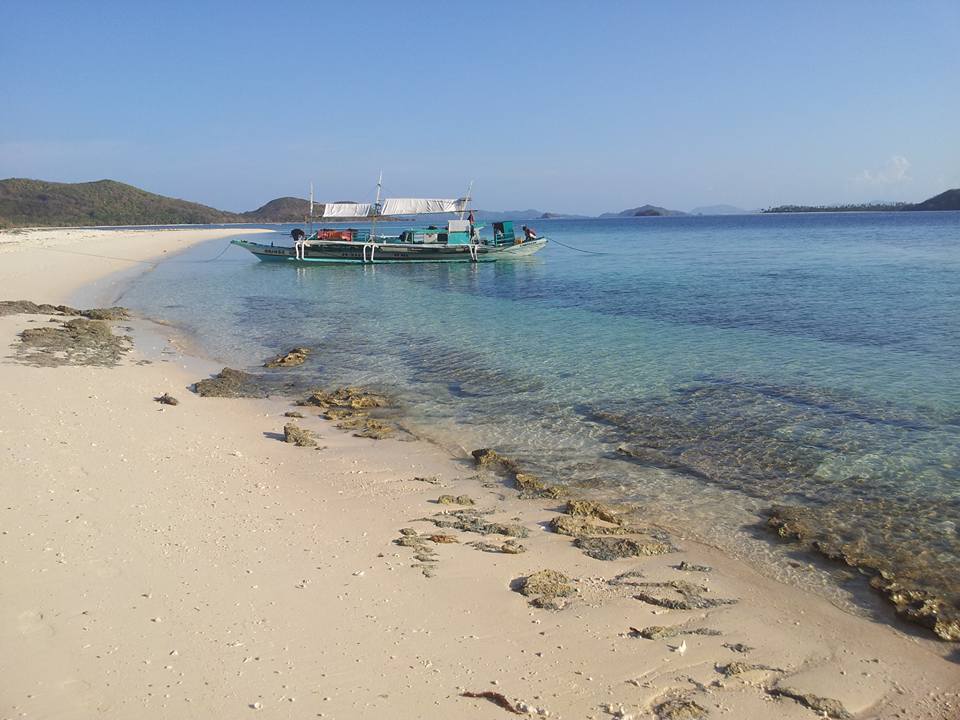
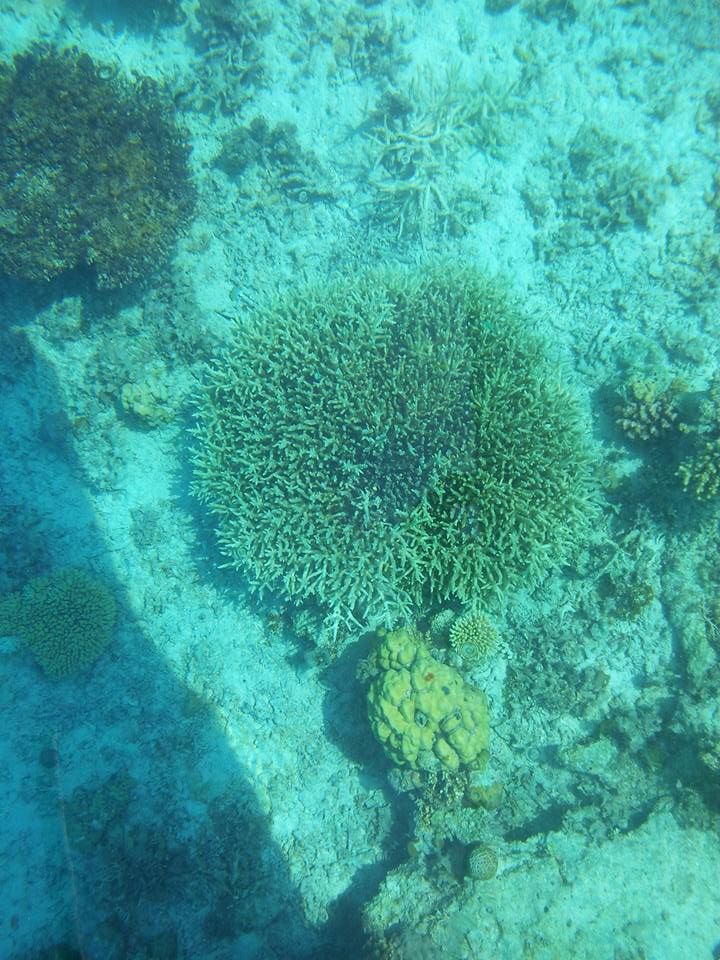
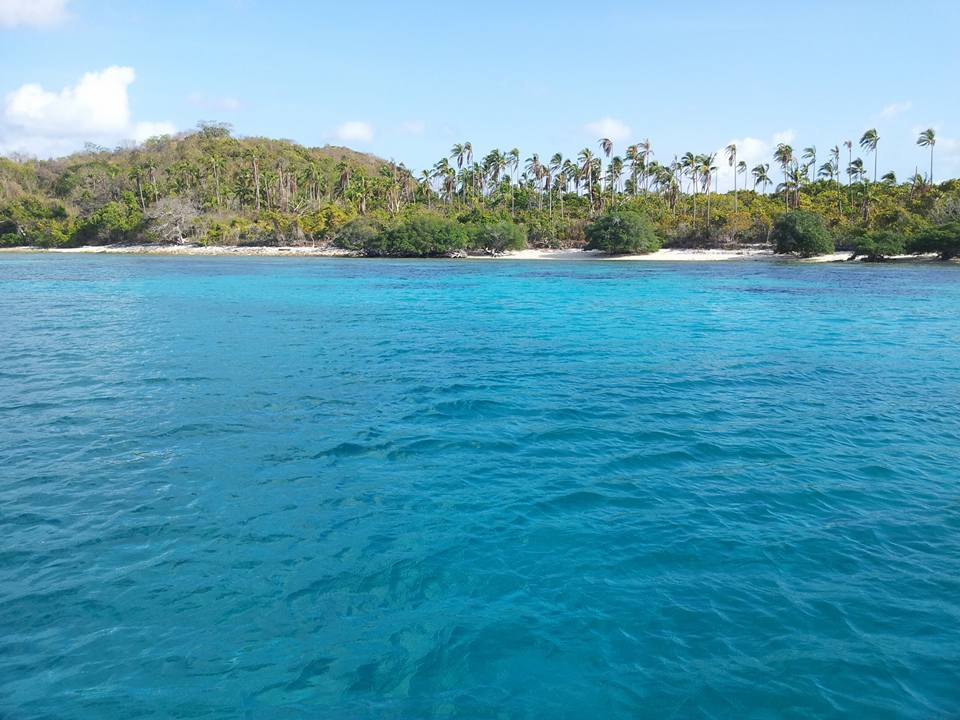
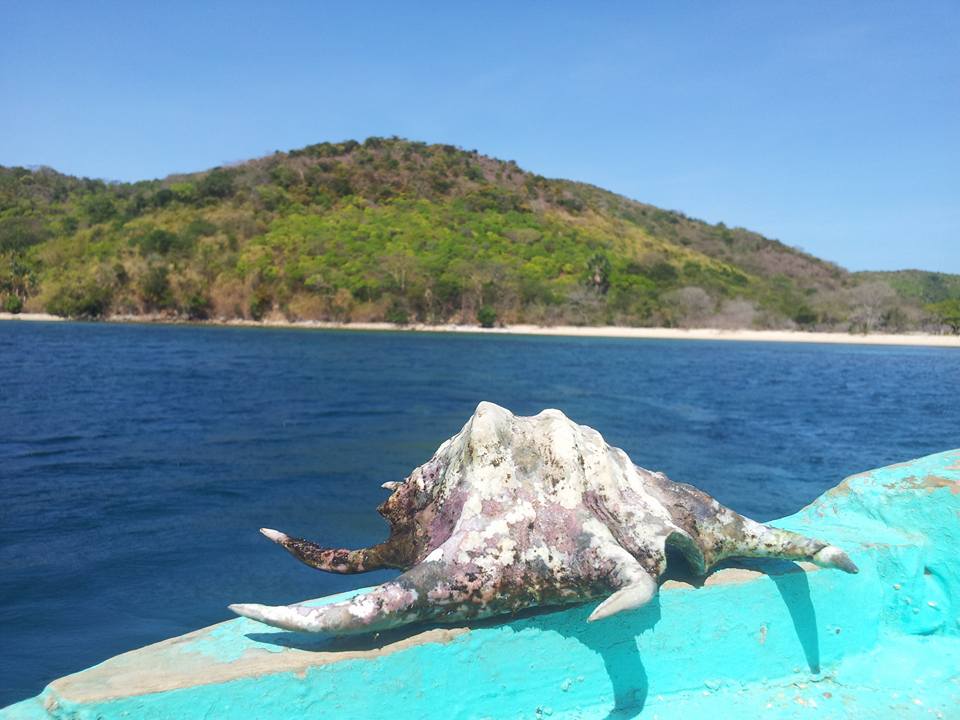
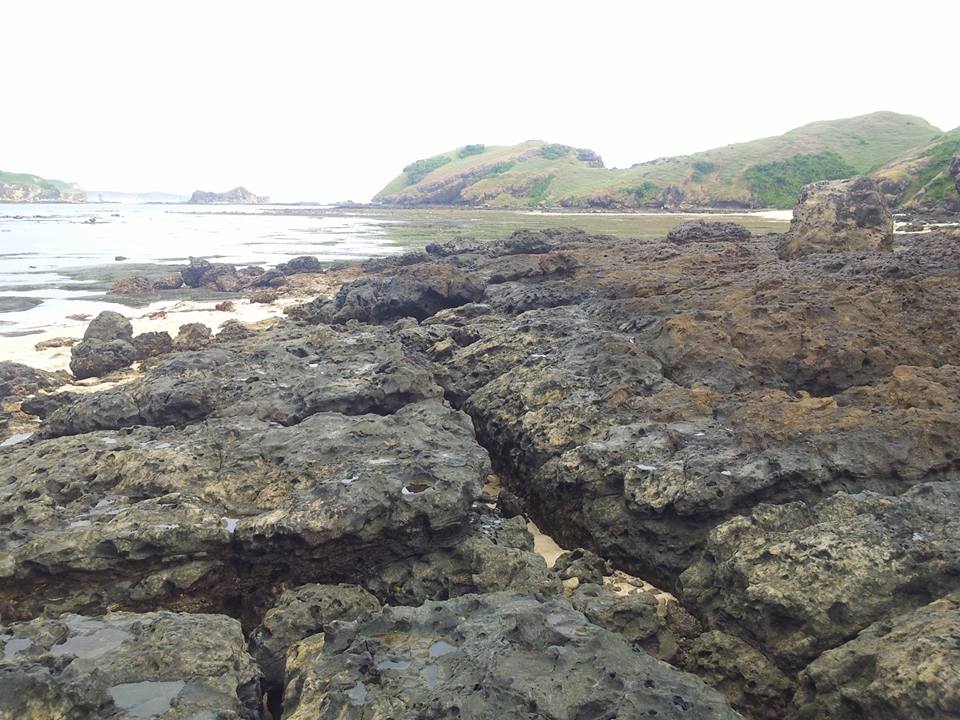
The archipelego of 54 islands is hard to describe because each one is slightly different to the next, sparkly, beautiful, rugged and unspoiled by industrialisation or development. We lost count of exactly how many islands we visited in the end, but managed to go at least 15 islands on during the 4-day trip.
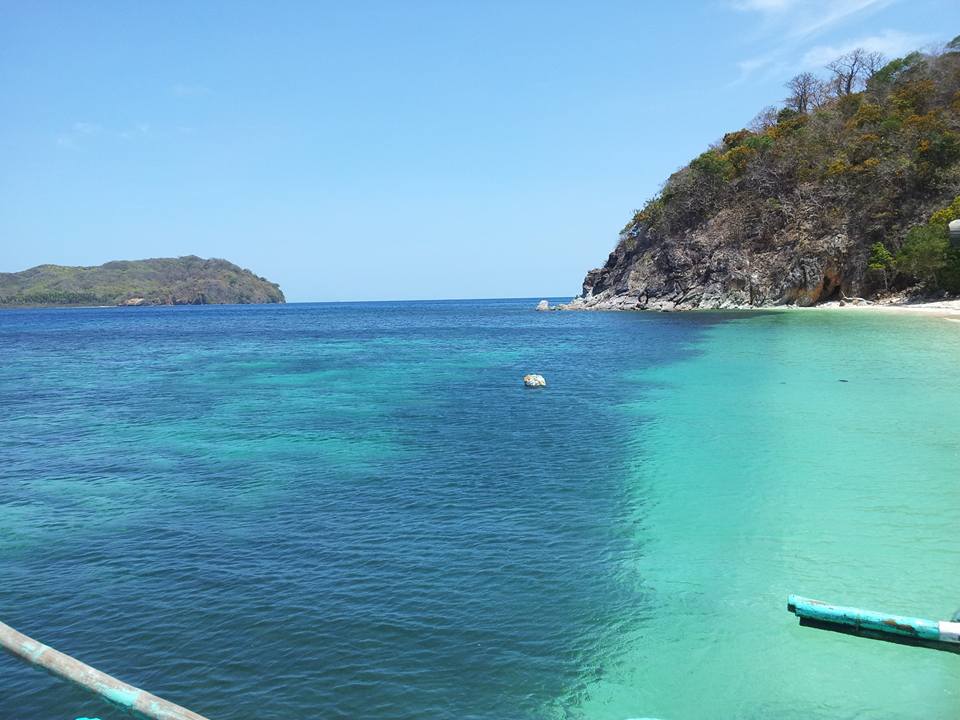
Linapacan is said to have some of “the clearest water in the world” – we believe it! Check it out.
Here was the itinerary:
Day 1: Leaving from San Miguel, to Dimancal (check out Karel’s tent resort here), Bolina, Manligad, Asis and Cagdanao (first island camp spot)
The island across the bay, Balenben, had island huts available for rent at 300 Pesos in a fantastic reef area.
Day 2: Manlihan, Cala-cala (spelt Lacalaca) and Takling (second island camp spot)
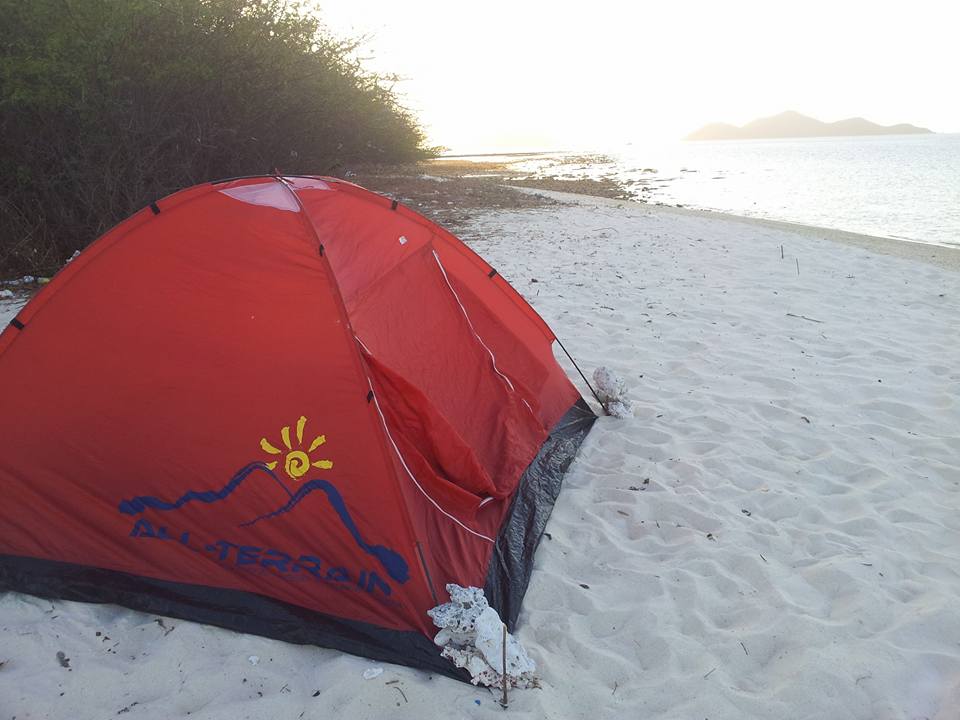
Day 3: Calibangbangan and Magransing (third island camp spot – the most beautiful place we have ever seen!)
Day 4: Pical, Mausunon and ending at Sibaltan (mainland Palawan)
Each had coral reefs right off its shores and were almost guaranteed to be completely deserted. Besides, don’t these pictures (from a humble camera phone) make you want to go there right now? Call Maileen and Benji for an adventure on the Brinze Kylene!
Linapacan is well worth your time – wow! What do you think about Palawan?
Greetings from Lombok – the lesser known neighbour to the east of Bali, Indonesia. It is best known for its variety of white sandy beaches and the tremendously imposing Mount Rinjani – Indonesia’s second highest volcano! After ten days in Bali, we spent five days exploring southern Lombok before heading north to the Gili islands.
Fly, fast boat or ferry?
After doing a bit of research, asking around, weighing up our time constraints (or lack thereof) and thinking about the perpetual “comfort versus cost” debate, we finally decided to fly from Bali to Lombok.
There were several reasons: it was the second cheapest option (the ferry is the cheapest), it was the most convenient for where we were going (to Kuta, South Lombok) and we didn’t really think a (minimum) 5-hour public ferry ride from Padang Bai (Bali) was warranted when we already had a lift back to the airport organised (in the opposite direction).
The flight with Lion Air cost 153,000 rupiah each and took 30 minutes. It was so short, the pilot only switched off the seat belt sign for about a minute before announcing that we were descending and had to put it back on again.
We took the fast boat when we returned to Bali airport from the Gili Islands – read more here.
Beach Paradise
The beaches in southern Lombok are awesome – long white stretches of soft sand along varying degrees of turquoise, cobalt and aquamarine oceans. The two main beaches we biked to were Tanjung A’an (10 minutes from Kuta) and Mawun (30 minutes from Kuta).
Tanjung A’an
Tanjung A’an beach was a lovely two-day spot. The beach swings right around to the other side of the stunning blue bay that sparkles in the sunlight; a great reminder that Lombok is really beautiful and almost untouched compared to its touristy neighbour, Bali.
Mawun
The favourite destination of our five day Lombok exploration was Mawun Beach – about a thirty minute drive west of Kuta. Taking the motorbiking up, up, up the steep hills towards amazing views of palm groves and endless white beaches below, we sailed through heat and rain alternately, got soaked to the bone and tried our best to miss the muddy potholes; and then flew down the other side of the hills down into valleys of stone-cutters, red quarry sand and rice paddies. Once we’d almost missed the Mawun turnoff, we hit the beach and knew it had definitely been worth the numb behinds and gravelly roads.
An exquisite bay of blue green water shone all around us, rimmed by a wide sandy beach and framed by palms and shady trees to keep the scorching sun from grilling us too badly. Small fishing boats dotted one side of the bay near the village, only enough to make it picturesque while still having the beach to ourselves.
Mawun Talent
Jacky, an enterprising fourteen-year-old Sasak Indonesian boy, kept us entertained for a while as he tried his best to sell us a fresh, juicy, sweet coconut for 15,000 IRP. His family owns the small restaurant where we parked our bike and ate lunch. He spoke to us for about an hour about life and Indonesia, wiling away the hours of his school holidays and hoping to make some pocket money from us as two of only six tourists on the whole of the beach. Eventually, Jacky tricked us and we relented by playing rock-paper-scissors (his brilliant proposal that we couldn’t refuse was that if we won, we paid 10,000 IRP and if he won, we paid 20,000 IRP, an exorbitant price for a beach coconut in his eyes). We lost. Jacky won. The coconut was delicious.
Homey Homestays
Talim and Fathima of T&T Homestay looked after us for the time spent in Lombok. Pancakes for breakfast, free tea and coffee, friendly conversation and free advice about travelling around Lombok itself. The rustic home stays in Lombok are clean and comfortable; and even as a tourist visiting this close-knit community one can observe and participate in the daily life of the hospitable Sasak people of Lombok.
The family showed us how they chop down the palm trees (by hand) to make way for the extensions on their home. They eat the top of the palm tree (a thin white bark in the centre that tastes sweet) and rescue any baby birds they find up there, too (whether this is to eat or to raise was not specified…)
Rescued baby birds from the top of a palm tree.
Roy Homestay, a slightly bigger place with air-conditioned rooms available, was good for the night that T&T Homestay was full and we would have stayed longer if there was time. Both home stays served a delicious pancake for breakfast and assisted us with booking vans, motorbikes or taxis where needed. There were also laundry services available at a reasonable price per kilogram.
Moto Power
A forlorn Dutch couple staying nextdoor told us their tale of woe with much forboding about hiring motorbikes in Lombok (we had read all the stories about it, just like they had). They hired a bike (without paperwork, as everyone does), drove it around on a wonderful roadtrip, went to a couple nice beaches and restaurants and then decided to stop for a 20-minute smoke on the beach in the evening. They parked, smoked, came back and it was gone.
After a huge blow up with the owner, little support from the police (because legally, they can only really file a case and give statements), pressure from several men in the community (who would not let them leave Lombok!) and phone calls home to helpless lawyers and family, they eventually had to fork out 12 million rupiah to the demanding owner (who they maintain could have had it stolen for just this reason). Poor Dutchies.
We commiserated and then the next morning we hired a bike because that really is the only way to see Lombok if you want to do it on your own time and budget. We followed strict guidelines and parked in the official parking lots (getting a ticket and paying 5,000-10,000 rupiah for a day), restaurants and where there were people around to watch and help. No incidents for us Saffers.
Bangsal Harbour (to the Gilis)
The van from Kuta dropped us at Bunga Bunga Cafe (five minutes walk down the road from Bangsal Harbour). Talim suggested that we get tickets here for our fast boat from the “Gilis” to Bali (and getting from Bangsal Harbour over to Gili Meno). Since we trusted Talim, we decided to go with the offer and even though Bunga overcharged a little (not much!), the boat from Gili Air to Bali was the best of the lot in terms of comfort and facilities (Marina Srikanda).
Basic costs of this trip:
100,000 IRP for a shared private van (4 of us shared for 400,000 IRP total) from Kuta to Bangsal.
325,000 IRP for a trip from Bangsal to Gili Meno and then Gili Air to Bali (ticket from Bunga Cafe).
This should have been about 275,000 for the fast boat and 25,000 for the ferry to Gili Meno if we’d done it through a cheaper agent.
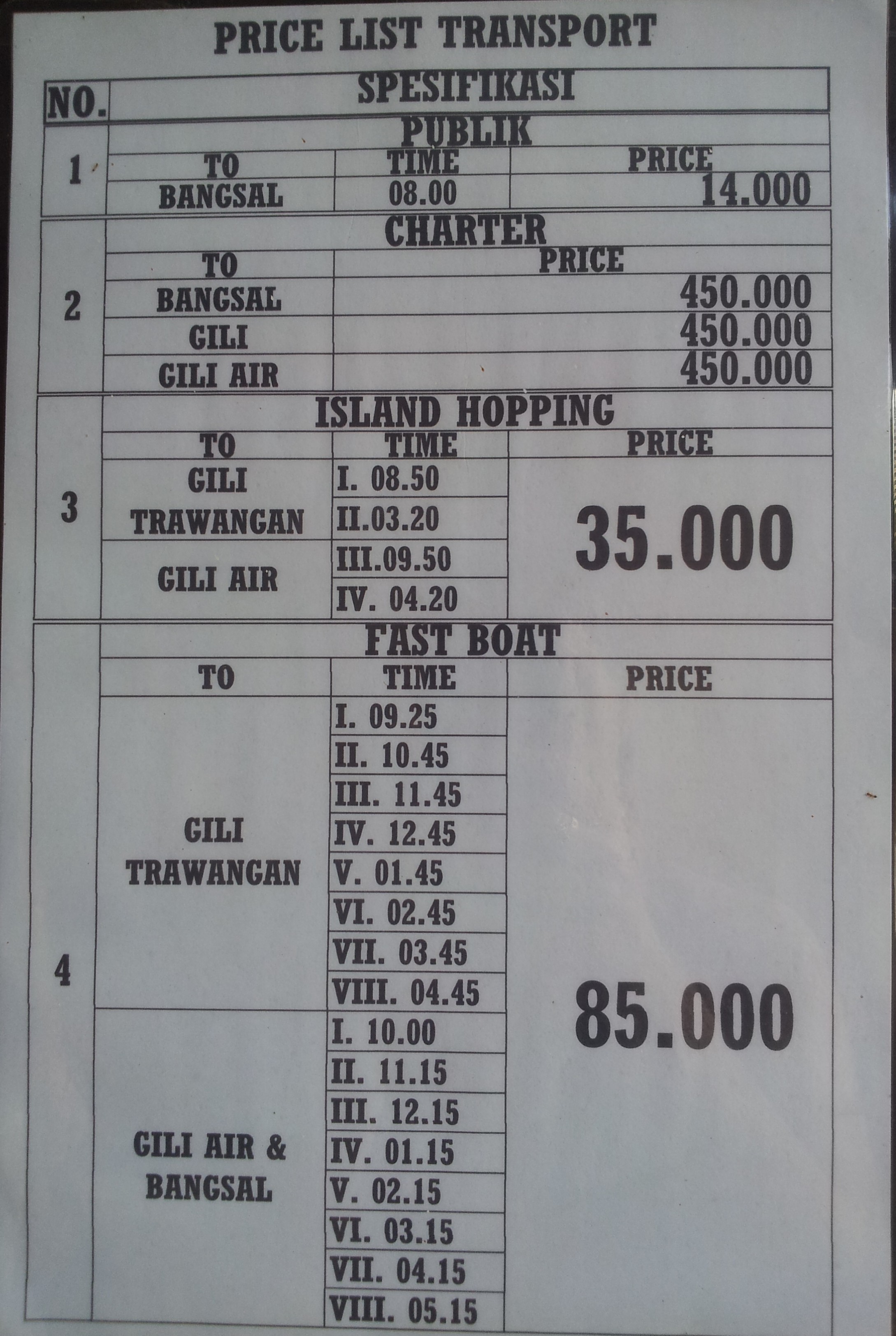
35,000 IRP for the standard ‘island hopping’ trip from Gili Meno to Gili Air (ticket from harbour office on Gili Meno).
Gili Meno boat schedule at the harbour office
Tips from other travellers
Mount Rinjani
The Mt. Rinjani hike, up Indonesia’s second-highest volcano, is a popular activity for energetic tourists. The three day hike promises extreme weather, tough ascents and fantastic views. The travellers we spoke to who had done this hike ensured us that it required fitness and endurance (and waterproof, warm hiking jackets) but that it was well worth the effort! This volcano is part of the Mount Rinjani National Park.
Warung Turtle
If you are visiting Tanjung A’an beach, it is a good idea to park your bike with either the official parking under the tree (paying the guys there and receiving a ticket), or we spent time mostly hanging out at Warung Turtle (because there was shade, beach chairs, food and beverages and friendly locals). Note: You drive to Warung Turtle through the small dirt road that runs behind the beach entrance. At high tide, the water often covers parts of this road near the river bed so watch out for big bumps and pools!



 The mist in Oribi Gorge, just like in the rainforest. PHOTO BY: HEATHER LIND
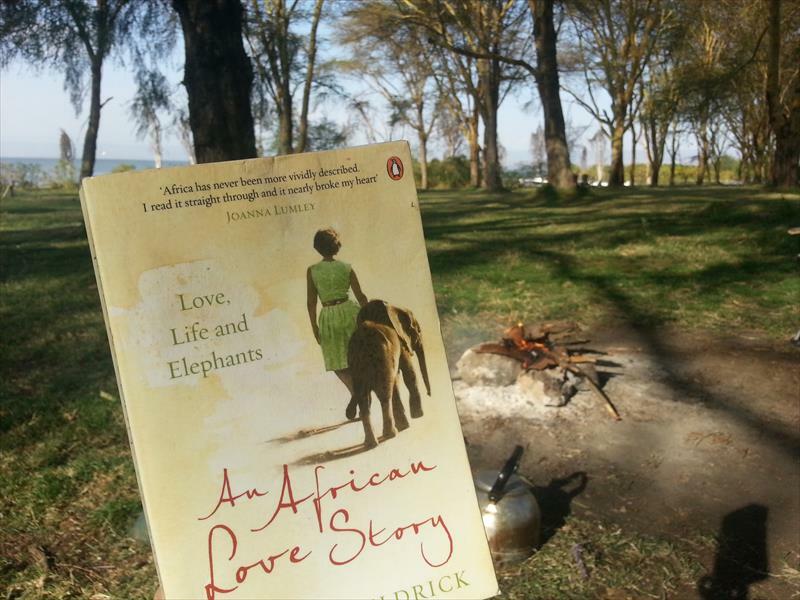 The privilege of reading in a campsite next to Lake Navaisha, Kenya. Photo By: Heather Lind
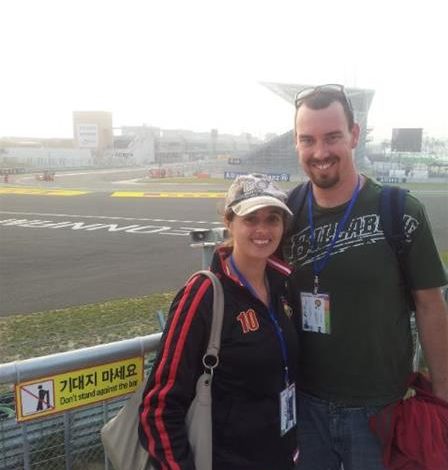 Heather and Robin Lind at the 2012 Korean Grand Prix.






 Since we were in Kenya having a bunch of ‘first’ experiences, like seeing the magical
  Whitewashed textured walls under the shady reach of enormous trees, where exquisite black Colobus monkeys shake their bushy white manes and call to each other like motorbikes starting up (as Daphne Sheldrick describes in

 Tuk-tuks and bora-boras (motorbikes) crowd the market places in hopes of a good day.


 Nature up close











 Talim and Fathima of