Tag Archives: bush

Oribi Mom: Flushing Fan-Tailed Grassbirds in the Proteas and Penny Gums

There’s something special about bird watching.

PHOTO BY PIXABAYFebruary 15, 2025

I’m back in the bird challenge for 2025. I bombed out in the early 30s – in August, maybe – of 2024’s 52-week challenge. That felt like good going for being at home for all except two of those weeks.

I learned a lot about birds right under my nose here, including rarities. Two of these amazing finds were the wintering spotted ground thrush and orange ground thrush, which both just happened to appear in my little slice of forest.

If I hadn’t walked down into the dark gorge below the house in winter, I wouldn’t have found them at all. Now that I know they’re there, that’s two more birds I can potentially list this year when the time comes.

Mostly, it’s just exciting to know that I’m preserving some habitat they can shelter in for the next few decades (let’s hope!).

A Little Trail Running Turned Out To Be a Big Birding Win

While exploring, I also found a wonderful fan-tailed grassbird. It was in the middle of some penny gums when I took a little detour on my usual route.

It’s quite hard to describe that moment. The penny gums are beautiful and smell so good. The king proteas nearby were in full flower on one lonely tree.

In front of this, in the penny gums, the bright yellow Cape longclaws were trying to hide in the longish tufts of grass.

I was sneaking up on them to see how close I could get to those skittish birds that are all along the road in Oribi Gorge. As I came around the bend, I flushed the fan-tailed grassbird instead.

It took me a little while to click.

The gorgeous little bird was in its full spring plumage. Bright and clean, it perched on top of a young penny gum tree and looked quite indignant about my disturbance.

Behind it, there was the view of the brown farm slopes dropping down to the Mzimkhulu.

At that point, everything else was just sprouting tiny, almost transparent leaves. I knew they would grow and darken into full green foliage in a few weeks, but right then, the freshness – new life – was palpable. The ocean further beyond that shone in the sun.

Was I in some lost world? As I heard the nearby quarry machines whirring up, the grassbird flew off. I guess not. But it was still so beautiful.

Published here.

Oribi Mom: Well-watered Gardens Don’t Wither

“The boys are growing faster than the trees, but nothing is ever stagnant in this life.”

September 26, 2024

It’s been a bit of a dry season for us these last few months. While dry, almost hot weather is excellent for my outdoor exercise routine, it’s less desirable for my little macadamia trees, garden, and precious scarp forest.

The birds have been coming daily to ask for more water in the bird bath. The weavers, toppies, and drongos like to splash around in it, chasing any intruders away from their bath time. They cause quite a ruckus sometimes.

The bees have also been manic at the hottest part of the day. For a few weeks, I’ve had to close up the windows at noon to avoid a whole lot of desperate bees buzzing into the lounge or office.

A Not-So-Dry Adventure With Oribi Dad

The boys went down the trail with their cousins (and Dad) to see the waterfall last week. It’s still trickling, but you can now sit under the roots and in the cave behind the waterfall. You don’t even see those when the water levels are higher.

On the way, my seven-year-old had his first brush with a “wag ‘n bietjie” bush. The thorns caught him on the back, and he couldn’t escape until the adults carefully unhooked each barb, trying not to tear his jersey to shreds in the process. They’re nasty thorns when they take over these spaces.

Luckily, that huge storm we had a while back cleared a lot of debris and the annoying weeds from the streambed for us. The wind also relieved us of three smaller garden trees and some huge branches off the bigger ones. We didn’t lose macadamias, but some of that cane up the road is still lying on its side a few months later.

One waterfall jaunt at lunchtime involved skirting around hundreds of bees gathered at a rock pool. I wasn’t on that walk, but I got the lowdown from wide-eyed children who seemed to have grasped the potential danger of disturbing the drinking bees.

All of our children have been stung by bees, wasps, and hornets in their early years, and so far, it’s been okay. I was still glad to hear that they made a wide pass around the stinging honey producers, wisely heeding their father’s warning to leave the thirsty hive alone.

It’s Almost Time For Spring in Oribi Gorge Again

Once-a-week watering is all I could justify for my baby trees in this dry period. They seem to have come through the winter. Hopefully, spring shows up with lots of rain to take over.

The boys are growing faster than the trees, but nothing is ever stagnant in this life.

We only have to do what each day demands, whether that’s closing windows at lunchtime to save disoriented bees from getting trapped or learning how to identify and avoid thorny situations.

Published here.

Oribi Mom: Rose Bush Is Free of Triumphant Vine

“The vine branches are the same colour and thickness as the rose branches, minus the spiny thorns that go right into tender fingers or arms.”

PHOTO BY PIXABAY

March 2, 2024 

That vine has come up again. The one with big leaves that grow right over my rambling rose. It twists and clings, dropping new roots as it goes. If I leave it any longer, it’s going to get those seed pods again, which is the reason it came up again this year, I’m sure.

Today, when I looked out of the kitchen window for the umpteenth time to admire my little pink roses, I couldn’t even see the bush! The vine looked triumphant. So, I left the housework, the children, the paid work, and the tea and marched outside to collect my boots, slasher and gloves. I’d had enough of that old vine.

Don the Gloves and Go For It

The gloves are an essential feature for me in this thorny, hand-slicing garden of mine. There are all sorts of stinging things, too. One day I felt something tickle my leg and swiped a bit. As I looked down there was just blood. I thought I’d squashed the fly, but it was my own blood that the nasty fly was apparently having for lunch [insert horrified emoji here]. The scar stuck around for two weeks.

The boots look ridiculous, but they’re for the night adders. Rather, I like to think of them for the night adders and not think about all the other, much worse, slithery things my feet might step on while I’m knee-deep in grass or blackjacks.

Watch Out For the Spikes and Fangs

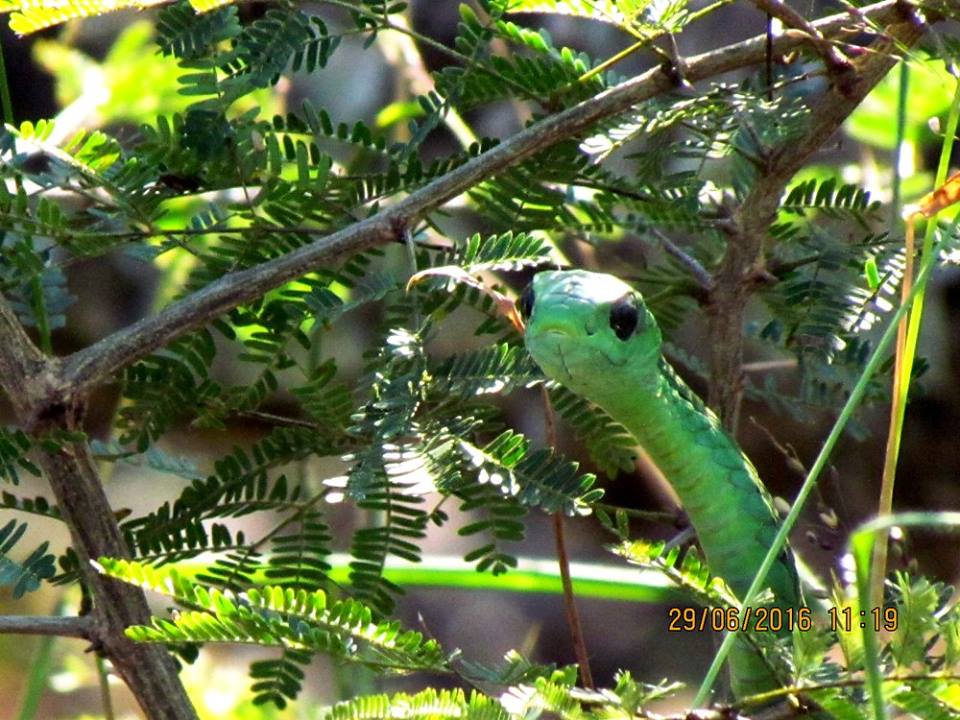
Careful of what you grab onto. Vine snakes look like branches, and so do female boomslangs. Actually, a lot of snakes look just like branches, or leaves, or the pesky weeds that grow long tendrils over everything and push my poor plants flat down on the ground. I’m constantly pulling those out. They get little white flowers with a purple centre that are actually quite pretty, but don’t let them fool you; they take over in a matter of weeks.

With my trusty boots and gloves on, I dealt with the vine. My rose is free, though it didn’t thank me. The vine branches are the same colour and thickness as the rose branches, minus the spiny thorns that go right into tender fingers or arms. Talk about biting the hand that feeds you. At least I can see the pink blooms again.

Summer is almost over already, and the green beauty will soon disappear for a few months. Next season, hopefully, I’ll be a little more proactive about that vine earlier in the season so that I don’t have to spend an hour in the rain getting eaten by horseflies. Or maybe I’ll just have tea on the porch instead.

Published here.

Oribi Mom: Not so secret visitors feasting in the macadamias

They’re fighting against crazy odds to survive as their natural habitat gets smaller.

July 15, 2023

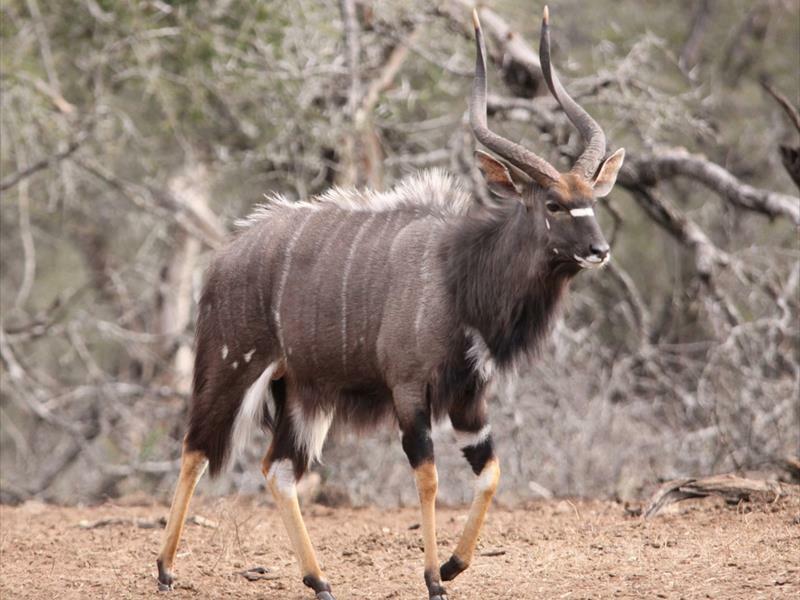
It’s the third day in a row I’ve seen them. Three shining hazel-coloured coats with white stripes dazzling in the morning sun. They stand there in the macadamia grove, hoping we won’t see them.

Maybe if they stand dead still, we’ll pass by quickly. But they forget that their flopsy, large ears flick away the bugs all the time. And the shape of them stands out very clearly against the backdrop of natural forest that drops off sharply below them.

Somehow, they find their way up through the cliffs and forest and steep gorge slopes. They follow paths the rest of us might not even recognise as throughways, pushing past thick bush and sharp prickles and over loose rocks to get to where they’re going. They’re brazen about chomping baby mac trees, but how can they pass on such succulent treats? They’re planted neatly in rows and cleared of long grass. It’s like a smorgas board as winter dries up the natural vegetation a little in the valley below.

Longtime Residents of Oribi Gorge and Other Wild Places

Nyalas are, by far, our most beautiful natural antelope here. The bulls have the most impressive curling horns with bright orange legs sticking out beneath the dark, hairy coats.

The males are called bulls because their impressive size competes with eland and kudu and all these much larger animals. But the dainty females are called ewes, not cows. They’re not big enough to classify in the upper category like their male counterparts. At least, that’s what the game rangers have told me on trips up to Hluhluwe.

Lessons From Antelope? I’ll Take Them

Even if that’s a tall tale, I’m entranced to have these beautiful nyalas right here at home. They’re just a stone’s throw away from me, a human female who needs regular reminders that how others classify me is no concern of mine. It shouldn’t be, anyway.

These ewes-not-cows are still incredibly beautiful. They’re good mommies to the baby nyalas we see every season. And they’re fighting against crazy odds to survive as their natural habitat gets smaller and smaller thanks to development, mines, and yes, farming.

So, they can nibble our mac trees (Sssh, don’t tell the farmers!) if it means I can still watch them. Let them shining in the sunshine in fifty years’ time with the oribis, duikers, warthogs, reedbuck, and everything else.

Published here.

Oribi Mom: Hearing the Roar of the Waterfall

Apparently there is some special limestone-evolved skink here that researchers are trying to pin down.

It’s quite a struggle leaving home in the dark. Winter school runs require some otherworldly resolve to crawl out from under the covers. You must will yourself to get the small children dressed, fed, and half-decent for the day.

It’s also ridiculous how much colder we are in Oribi Gorge and Paddock than in town. Oribi Dad often leaves home in the dark with a fleece top and beanie and returns an hour later with a T-shirt and sunglasses. Why bother?

This weather is confusing, too. One minute it’s so dry we’re irrigating the baby macadamia trees and the next there’s giant thunderstorms ripping through our echoing gorge. They strike Eskom poles to leave the whole place off the grid, and not in that idealistic sort of way.

The Waterfall Roars After a Good Storm in Oribi Gorge

The waterfall below our house really pounds after that rain as the water drains from all the surrounding slopes and gathers in the streambed. It roars, much louder than the cane trucks. It’s louder than the UGU bus putting its accelerator flat on the floor to try and get up our winding gorge road without stalling. The waterfall is even louder than the tractors sometimes, and those whizz right past the house.

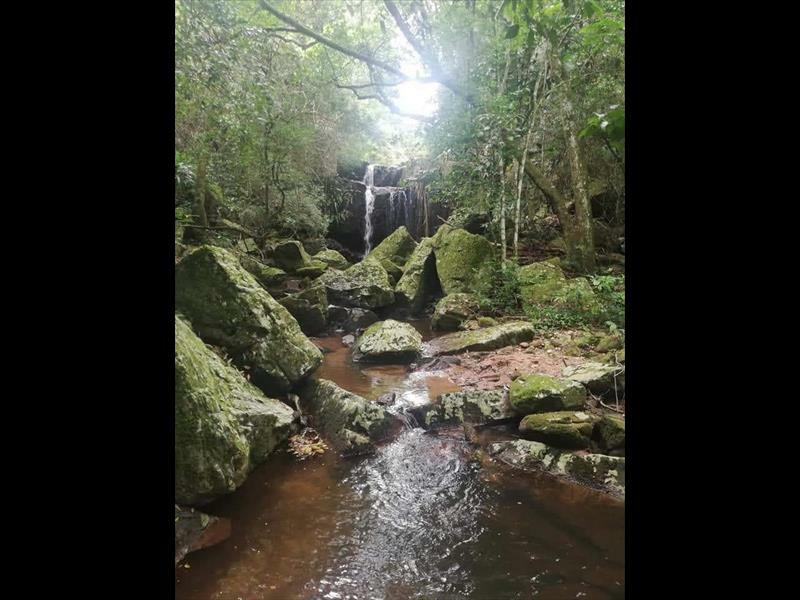
You can get to the bottom of the waterfall with some careful balancing and boulder-hopping off the rough trail. And once you do, it’s hard to describe the transformation. The cane, macadamias, and tea tree are far above you. The sounds stop, except for the birds. The bright sunlight doesn’t even make it down there into the moss-covered rocks and twisty skyscraper trees.

Down Into a Magical World Out of Sound and Time

I imagine that’s how Middle Earth’s elven forests must have been in the mind of its maker. It’s like you’ve stepped into a world of fantasy. But you still have to look out for the area’s rather impressive selection of dangerous creatures.

Even grumpy bushbuck aren’t the safest, though seeing them gracefully walking down the narrow bush trails is still spectacular. Apparently there is some special limestone-evolved skink here that researchers are trying to pin down. I’m yet to find it. But there’s still time.

Maybe the dark, cold winter mornings aren’t the most enjoyable part of family life on the farm. But the beauty and diversity of this place makes up for it in a big way. And the aloes, now those are always a great reason to look forward to June on the South Coast, aren’t they?

Published here.

Hlatikulu Bush Lodge, iMfolozi-Hluhluwe

JULY 2016

Photo Credits:  Wendy Buchanan (thanks, mom!)

A while ago, Travelinds told you about one of our favourite game reserves in Kwazulu-Natal – iMfolozi-Hluhluwe National Park.  The few days spent at Nselweni Bush Lodge was a great family holiday and we couldn’t wait to go back again!  This time we tried a new hideout – the Hlatikulu Bush Lodge!

13769451_10157119262840291_8995990913587496907_n

Hlatikulu Bush Lodge

This was a good surprise as we had only booked Hlatikulu in a rush to secure accomodation in an already full reserve.  However, as soon as we arrived, after navigating the jolting 4×4 route to get to the lodge, we realised that we had made yet another magnificent discovery!
The bush at your door
The camp is beautifully maintained by Siyabonga and New Year, both of whom have been there for ages and visibly love what they do. Right on the riverbend, with no fence, the animals and birds come and go as they please.  All around the camp are tweets and chirps, grunts and growls, spoor and feathers and evidence of life.
The deal

The camp can accomodate eight people at most, in four lovely huts (each for two people), all of which boast views of either the river or the bush.  The booking includes… (wait for it!)… TWO bush walks with Siyabonga and his gun (2-3hours, one morning, one afternoon) for every night that you stay.  New Year will cook any food that you can bring (and he will insist on setting up AND cleaning up everything in the communal lounge and diningroom himself, too). These two wonderful humans keep the huts immaculately clean and look after you while you simply relax and enjoy the wildlife.

13697057_10157119315235291_4857569789511689644_nNature up close

The resident bushpig, Georgina, can get a little persistent in the evening, but please, do not feed her even if she follows you down the boardwalk or begs.  There are also hippos, crocodiles, lions, elephants, buck and other creatures that roam in and out of the camp at their leisure – look around when you are outside and do remember that you are living in the real African wild now!

We fell asleep each night to lions roaring, hippos grunting, hyenas laughing and melodious nightjars. Early mornings wake up to birds singing and nyalas crunching grass right outside our windows.
A different perspective

The bush walks were also well worth the effort and if you do what Siyabonga tells you, you’ll be in good hands. He’s an experienced game ranger and takes his job, and your safety, seriously.  The animals are wild and unpredictable, especially where humans provoke and disrespect the natural order of things.  It is our responsibility to preserve and care for nature and a bush walk is a great way to remind yourself of your roots.13699980_10157123764390291_2516487894411405346_n

Hlatikulu, we’ll be back!

Read more reviews here.13690805_10157119327665291_1327660552813445550_n

Rhino Card

Use your rhino card to receive discounts on day fees, accomodation and more.  It was worth it for us to buy the card (for a couple) just to cover our day fees during the week here.  Ezemvelo KZN wildlife is also a great cause to support!