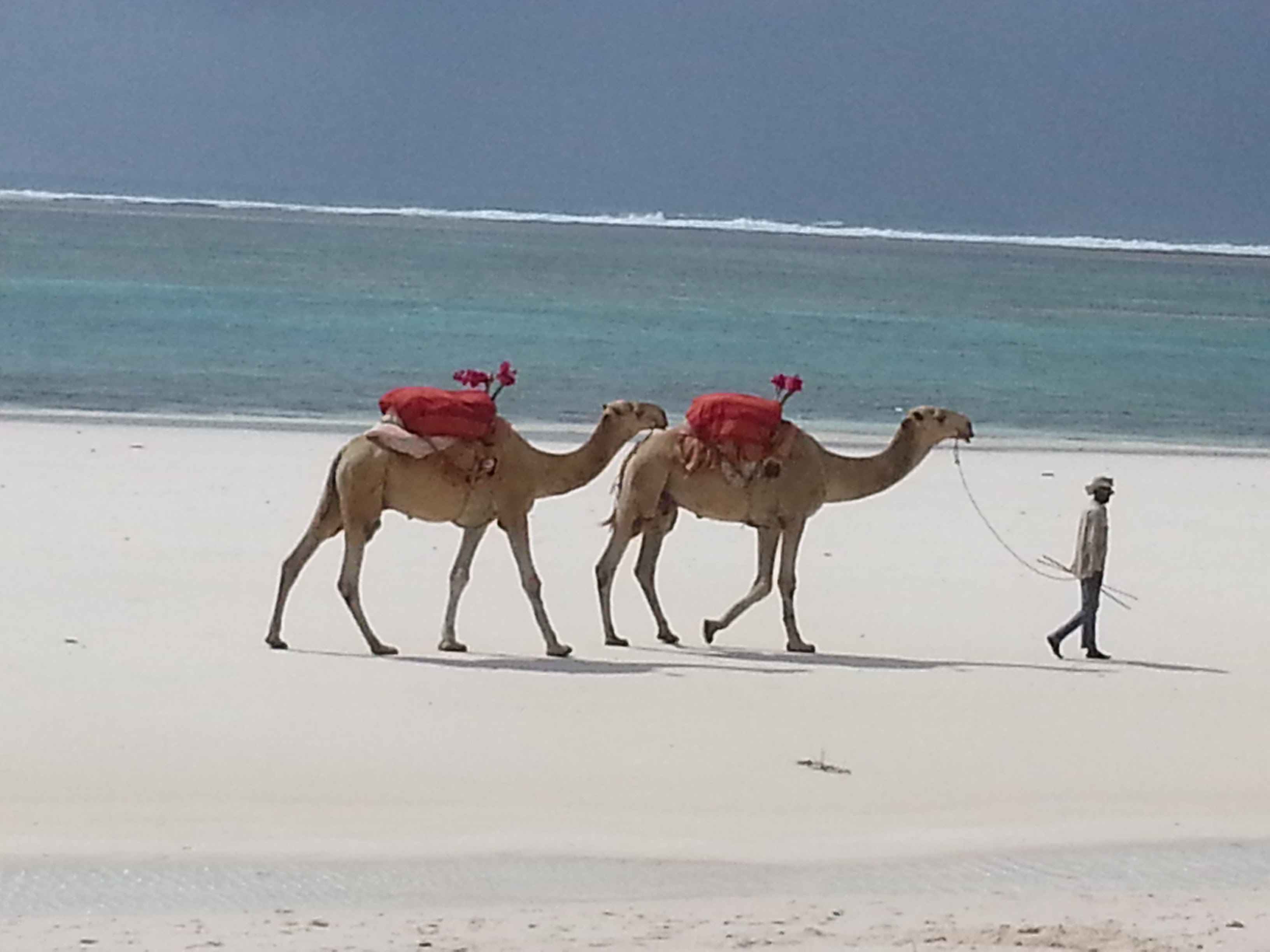
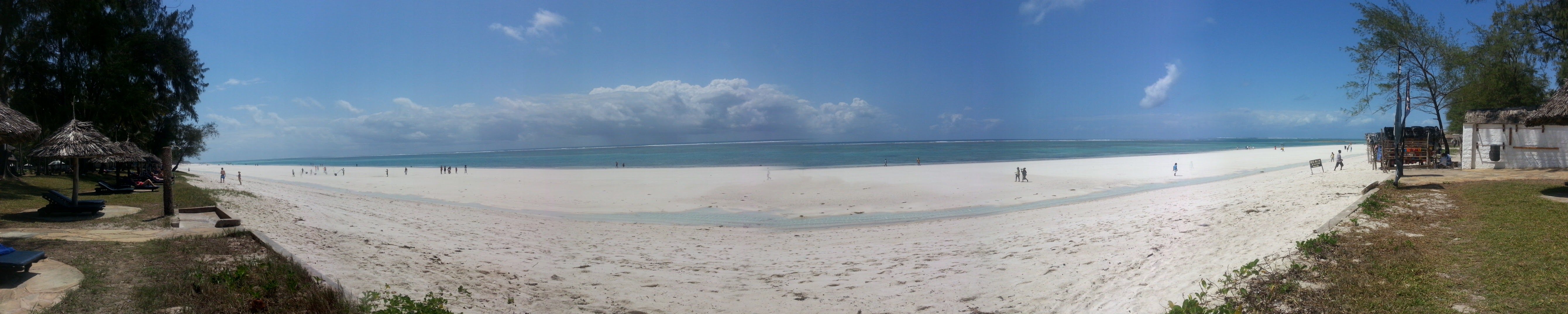
The waves pound on the soft shoreline, ten kilometres of turquoise ocean framed by black reef and fine white sand. When the tide is up everybody relaxes, but when the tide goes out, it’s party time! The wide beach opens right up allowing jogging, swimming, camel rides, kite-surfing, snorkelling, reef exploration, long walks and even a tiny microlight that zooms in and out using the beach as a runway – parachutes gently touching down on the sand were also a regular fixture of the low tide buzz that is Diani Beach.
Diani Beach Bound
Ukunda town is only about thirty kilometres south of Mombasa for a comfortable taxi ride (with Ukunda airport being a convenient touchdown point for those heading south to Diani Beach, Tiwi Beach or Wasini and Shimoni Island).
Living it up
The number of resorts and restaurants here were surprising, but it is not difficult to see why this is one of Kenya’s best beach tourism destinations – Diani Beach is absolutely stunning!
Since we were in Kenya having a bunch of ‘first’ experiences, like seeing the magical Masaai Mara and adopting baby elephants, it felt like a good time for our first time at an all-inclusive resort. Luxury living is almost impossible to come by on a perpetual traveller’s budget, but Kenya made it happen!
Having perused a few awesome resorts, we settled on a week at Diani Sea Lodge, about five minutes down the beach from the quirky Forty Thieves restaurant. The hotel is set among beautiful coastal forest, tall coconut palms and lush gardens. Whitewashed textured walls under the shady reach of enormous trees, where exquisite black Colobus monkeys shake their bushy white manes and call to each other like motorbikes starting up (as Daphne Sheldrick describes in An African Love Story).
Our days were spent on the beach, by the pool, reading books from the library, playing volleyball, darts and coconut shotput; and having an altogether relaxing holiday.
Curious Wildlife
One of the delightful things around Diani Sea Lodge are the birds and animals that call it home. Colobus, Sykes and Vervet monkeys roam the trees and gardens around, while camels and dogs enjoy their long walks along the beach. Hedgehogs and Bush Babies rule the night and you wake to the sound of twittering birds greeting the punctual equatorial sunrise.
The locals told us that the KiSwahili word for hedgehog is ‘Kidongo Maria’ because, like Mary the Mother of Jesus, they are thought to be humble and gentle.
Cultural Colour
Diani Beach is also home to amazingly diverse and talented people; musicians, artists, beach boys, shop keepers, sports enthusiasts and many others, too. The bargaining platform with persistent sellers seems wide open to interpretation and the banter is all part of the greater struggle against poverty. Tuk-tuks and bora-boras (motorbikes) crowd the market places in hopes of a good day.
Shawls and sarongs line the bamboo shelves and budding artists create against a backdrop of rhythmic dance and the lifesong of Kenya’s musical people.
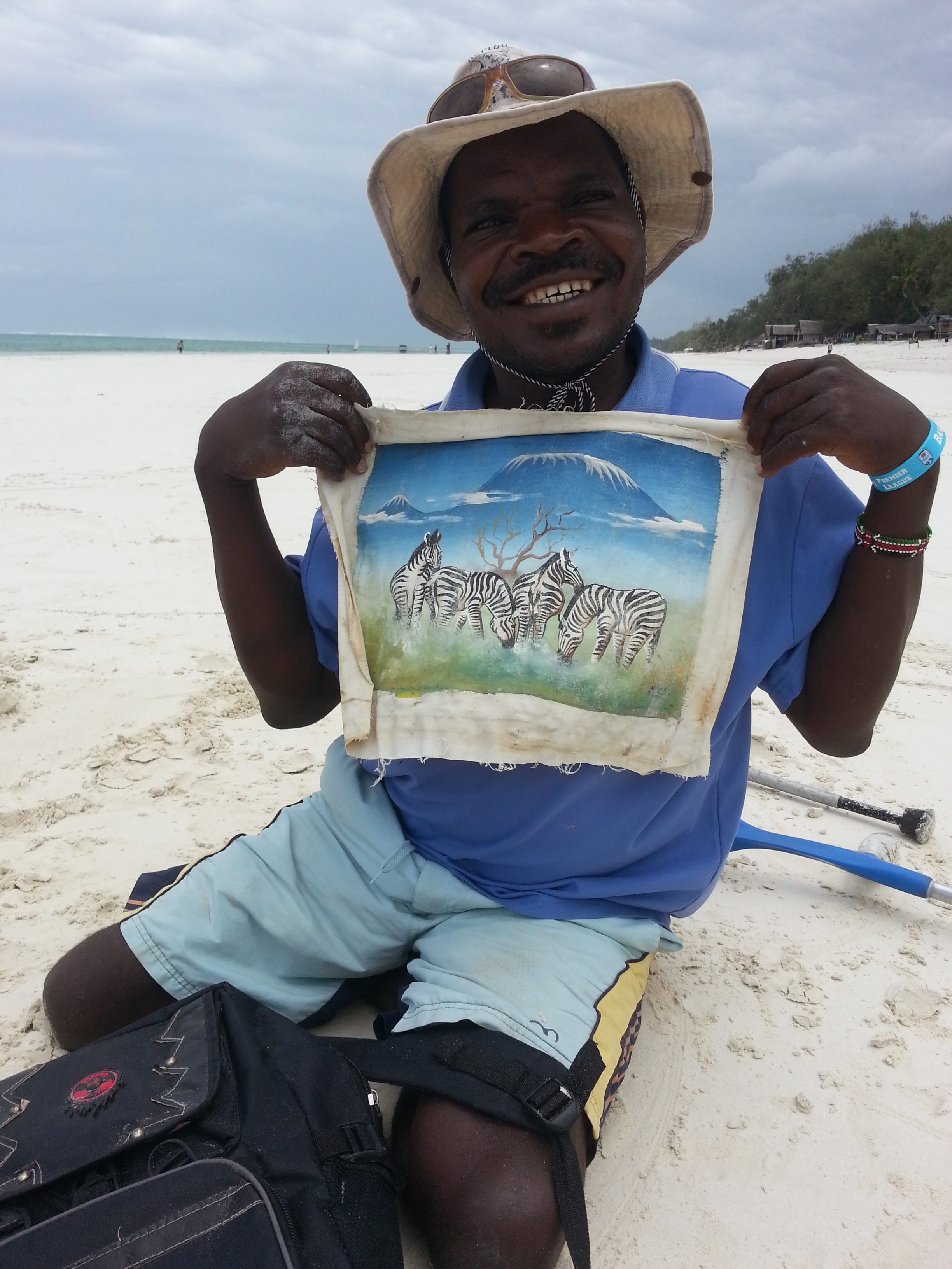
One such character was Mr. Christopher Odinga, a local artist and sculptor who makes his living through sand sculptures, tourist-commissioned artworks and if he is lucky, the occasional job sculpting concrete animals for new buildings.
Travelinds has experienced a range of different beach trips and the following are items that we really cannot go without aside from swimsuits and suncream (*cue drum roll…*):
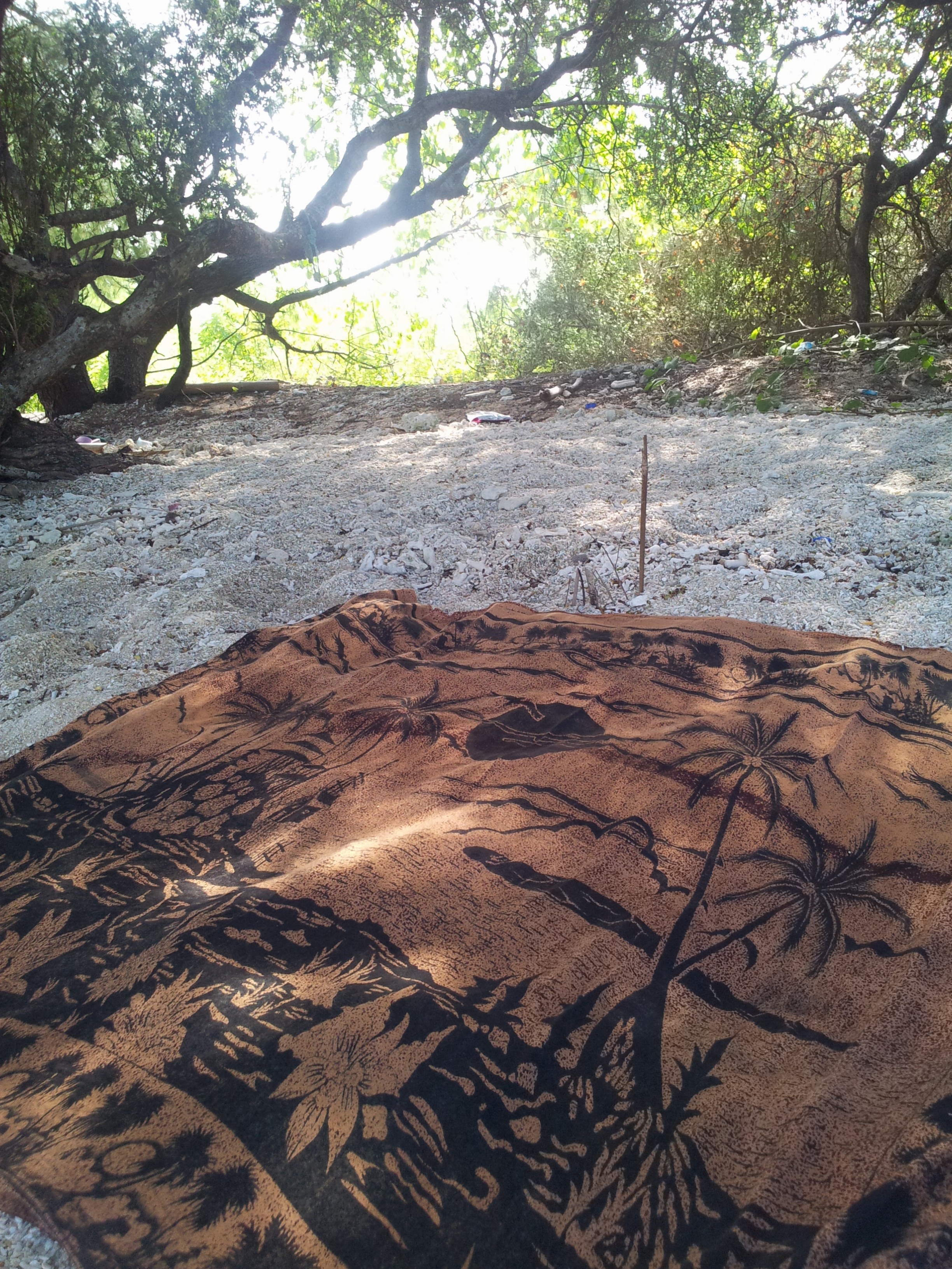
1. Sarong
It’s versatile, light-weight and easy to pack into a small space. Sarongs are good as a towel, a sun cover, a beach blanket, clothing and a cover against mosquitoes in the evenings.
2 Hat
Hats are an obvious item, but also one that saves a face from a world of pain and long-term sun damage. Hats can generally be easily replaced if forgotten or lost, except on isolated tropical islands like we visited in the Philippines. Hats protect your face against the sun and rain (and cover a bad hair day, too!).
3. Sunglasses
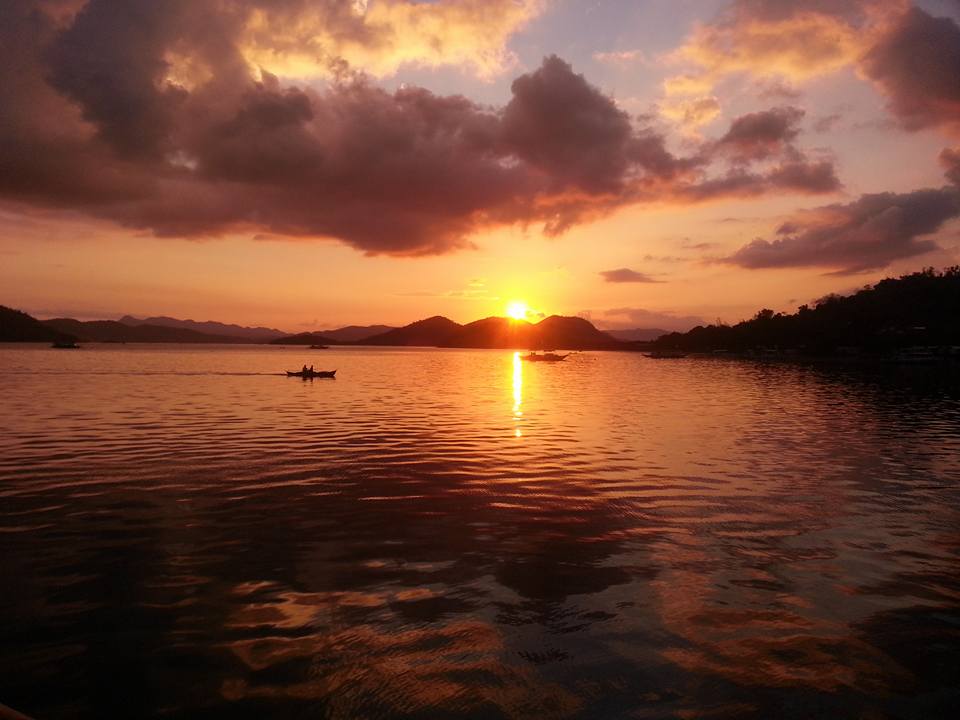
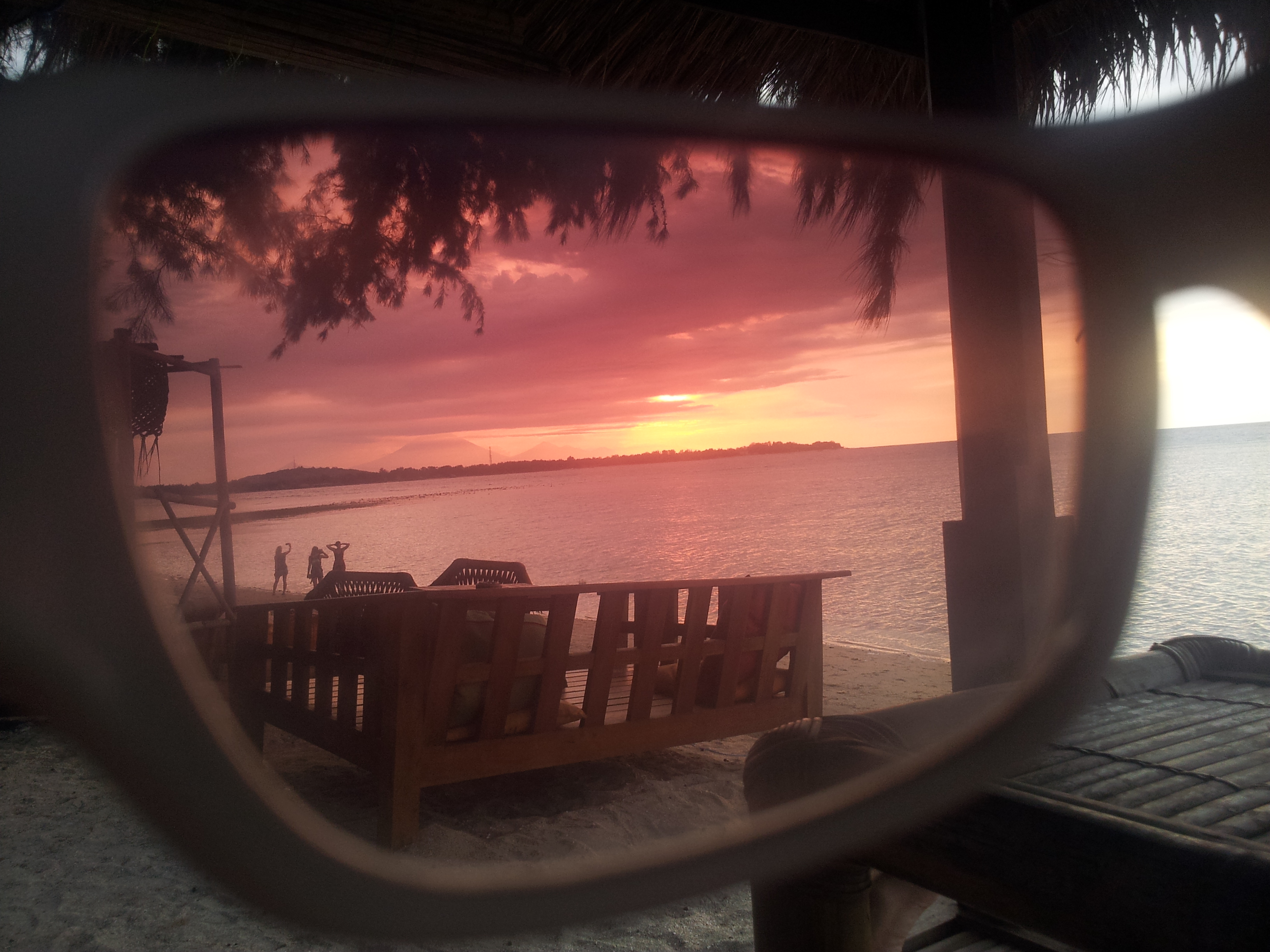
Light-coloured eyes will thank you for some extra protection from the harsh glare of the sun. They are also quite stylish, if you’re into that sort of thing, and, without sunglasses, you wouldn’t be able to take an amazing sunset photo like this one in Gili Air…
4. Rash vest
This is one of the best investments we’ve made for any water activities – good sun protection, as well as an extra guard against stinging water creatures and plants.
5. Hammock
You can sit down, lie down, swing, sleep, read and daydream. It keeps your feet clean, your books out of the sand and a breeze through your hair. You can string it up in the shade, anywhere, anytime. Also, your swimsuit can dry on both sides. What’s not to love?
6. Snorkel and Mask
Having our own snorkel and mask with us has been a great idea. It allows a lot more freedom to explore the underwater surroundings at each beach without having to rent it (or miss out completely). It is also helpful to have some goggles (like the kind you’d use in a pool) as a backup for long swims.
7. Dry Bag
Whether for a boat tour, a water transfer, a ski trip or a dive, the dry bag is usually a good idea to avoid general spray and the odd freak wave soak. Cameras, cellphones, wallets and books will thank you later.
8. Refill water
The amount of plastic in our precious oceans is shocking and disgusting, and we can make a difference every single day. Take your muggy along rather than buying plastic bottles along the way. Being environmentally responsible tourists is a daily choice and one of these decisions is to use water refill stations (or decant from large recyclable refills for the duration of your trip) rather than buying more plastic waste. Incidentally, it will also save you money. For example, on Gili Meno (Indonesia), the price of a 1.5-litre plastic water bottle was 5,000 IRP and the price of a 19-litre (5 gallon) refill water tank was 22,000 IRP (excluding a deposit). That’s a 65% saving on the price per litre if you ditch the 1.5-litre bottles and choose the 19-litre refill instead (about 4 days worth for the two of us).
9. E-reader
This little device has truly changed the way that I read both at home and abroad. Travelling with it is easy and this means I read more wherever I am, at any time of the day or night. Books are still amazing, but an e-reader allows me to carry around my whole library, use it at night in places without electricity and read more than one book at a time without taking up more precious space in my small backpack. The world needs to read more – do your part!
10. Camera
Obviously, a camera is an essential item to capture the beauty of all your travel destinations, like this sunset at the Tip of Borneo. You can share it with others, and refresh your memories as the years go by. Together with a dry bag or sand-friendly cover, keep some extra batteries and a universal adapter so you can recharge it easily.
Armed with Travelinds Top 10: Beach Travel Items you are ready for any beach in the world – and there are some breathtaking beaches out there, no matter where on God’s beautiful green earth you go! Check you on the flip side.
What are you favourite beach travel items? Travelinds would love if you left us a comment below!
If you liked this post, check out Travelinds’ post
Arrival in Coron Busuanga, Palawan awakened a ripple of excitement through the eighty or so passengers on the small twin-propellor plane, as we shuddered over aquamarine bays with beach-lined islands towards the only flat land on Coron Busuanga; the airstrip that opens a gateway to the Caliamanes islands.
Upon arrival the smiling young airhostess kindly requested that we walk around the plane’s wings, collect our baggage and enjoy our stay in Coron. She looked quite relieved to have finished her duties because we had left an hour late due to delays from the Manila air traffic control tower and she had done a lucky draw of some CebGo souvenirs to keep the mood light and the passengers entertained.
What to expect
The first impression of Coron Busuanga was of a desert island; brown, bare mountains all around with dusty roads and a couple of herds of livestock scattered around the shade of the few unburnt trees (even a few Brahmans, Dad!). Where are the islands and the lush green coastal vegetation? Well, it turns out that we picked the hottest time of the year to visit this tropical paradise. Everything is brown, there is enough breeze to keep you from keeling over, but an airconditioned room is a precious commodity and a highly appreciated respite from sweaty streets.
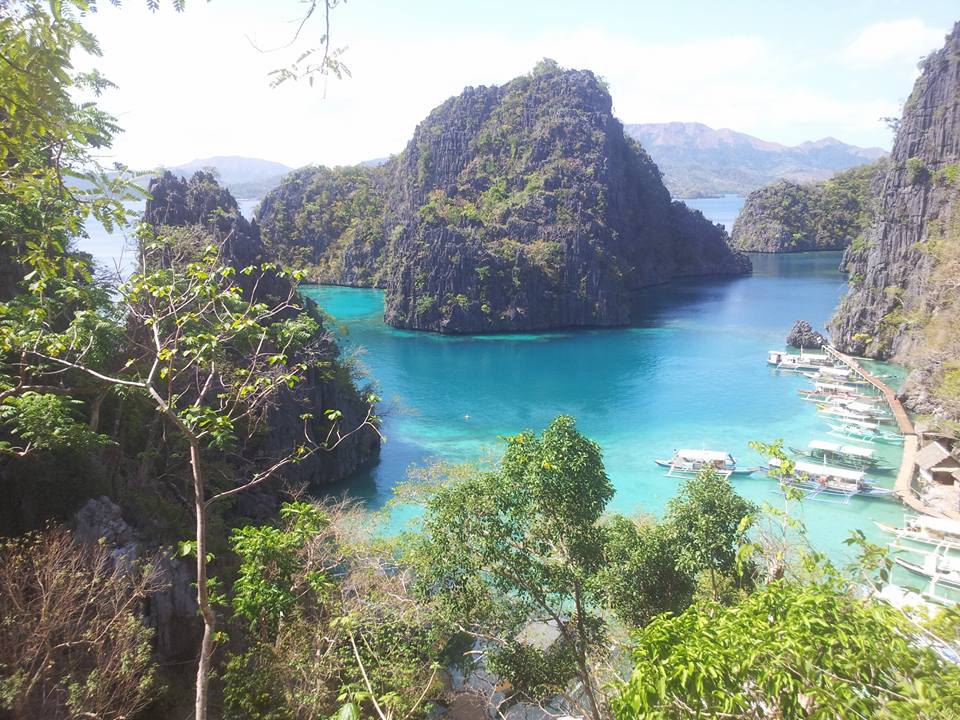
That’s one of the Travelinds pair in the bay below Kayangan Lake viewpoint!
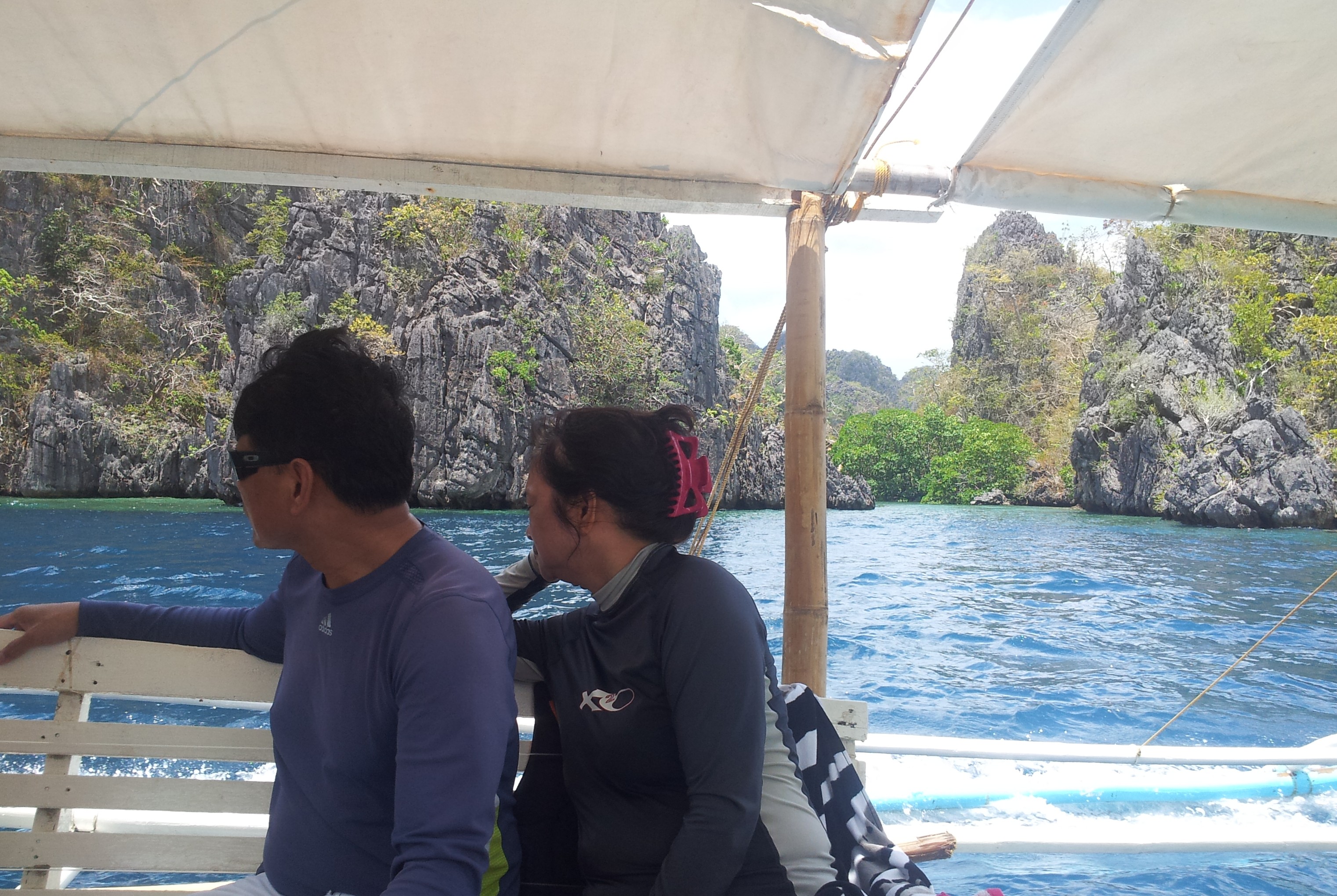
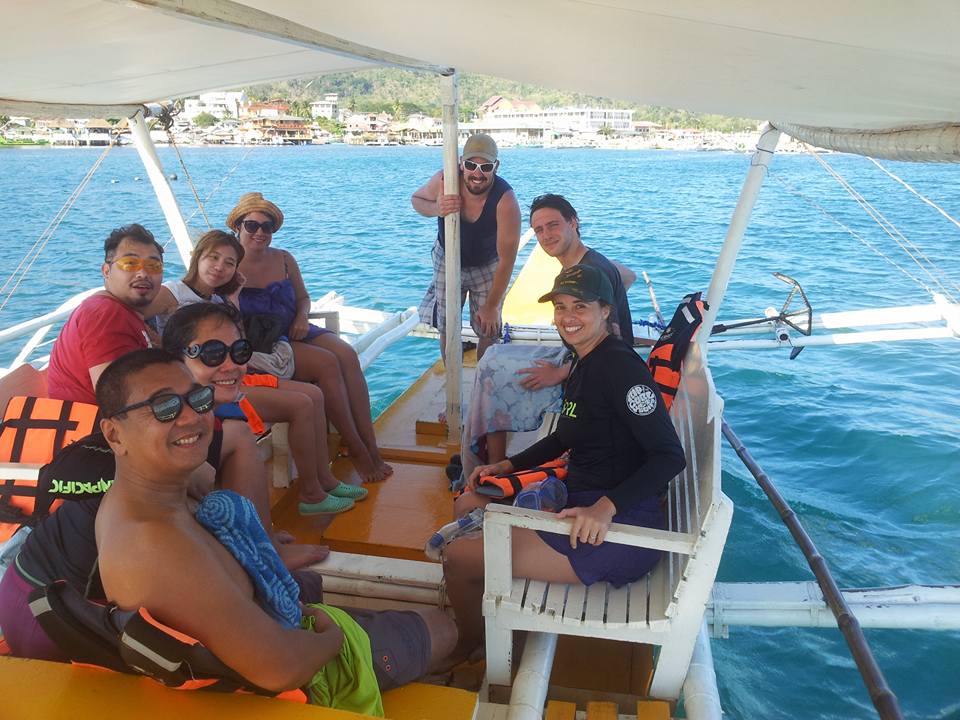
It’s also the most beautiful time of the year for sea conditions (snorkelling in the calm blue ocean!) although in some areas we met with some scary and abundant jellyfish (but were able to swim around the few big box jellyfish easily). As far as island hopping goes, the weather is absolutely perfect under a shaded boat – the breeze keeps you cool along with frequent swims and snorkelling throughout the day. Like a technicolour kaleidoscope that draws the eyes from one amazing sight to the next, the sunlight filters down through the pristine waters and illuminates the beautiful reefs and all therein.
Highlights of Coron Busuanga (the town)
Favourite taxi driver: Erwin was phenomenal. We called him all the time, he found us accommodation on the last night, a boat, contacts and cellphone assistance. Call him on
Favourite snacks: Julie’s bakeshop (around the corner from Xpeditions office) serves fresh bread of all varieties daily. It is possible to buy whole bags of deliciousness for under 100 pesos.
The Coron Public Market where we bought most of our fresh produce.
Xpeditions in Coron
Having done some research online and looking at flyers in town, we decided to go on a tour with Caliamanes Expeditions Ecotours. It seemed like an organised, eco-friendly company that was as careful to preserve the environment as to show off Coron’s best assets. We did Tour E and Tour B and were very happy with both of these tours – despite the slightly commercial nature of the tours (where you quite a few other tourist boats and most do the same routes from day to day).
Xpedition Tour B group for Coron Island
Tuktuk Adventures
Erwin and Ricardo were two extremely helpful tuk-tuk operators during our time here but represented the two extremes of Coron’s (and Philippines) service levels. Erwin picked us up and tried to charge us more than double the amount that our hotel mentioned, then dropped us at a ‘delicious local food’ restaurant (after our request for cheap local food), which had prices three times the amount of the real local hangouts. Needless to say, we ditched him the next day.
Ricardo, on the other hand, was a polite, soft-spoken driver who gave us free commentary, great advice, honest information, and standard prices. He showed us real local restaurants, helped us sort out our Globe/Smart SIM card problems, found us another place to stay when we needed to rebook and also came early in the morning to help us look for a cargo boat to Linapacan.
Coron to El Nido
After four days in Coron, we decided to head towards a new (unplanned) destination on our way to El Nido. Having read up about Linapacan (with its 54 islands), we tried for two days to find out how to get there and what to expect. Tao travel agency in Coron (near the bus terminal) was helpful and found out about the shuttle boats (for mostly tourists) for us at 900 pesos per person, leaving at 7.30am on Wednesday. This was for only one company though, which had limited day schedules (but we didn’t know this until later).
Other blogs had mentioned finding a cargo boat (doing deliveries) to catch a lift for a much cheaper fare (anything from 300 pesos up). We tried to find one on the one day, couldn’t and went to speak to the main pier personnel for more information. They informed us that there were boats most days to El Nido (different tour companies) for 800 pesos (purchase the ticket at the terminal at 7 am on the day).
These trips are not guaranteed, as the weather and other factors can cause delays or even cancellations. As always, one needs a flexible schedule and a positive attitude about setbacks when travelling in the Philippines.
All in all, we managed to catch a boat, explore the islands, meet fabulous islanders, attend a local wedding, snorkel on deserted coral reefs and make a lifetime’s worth of cherished memories. Check out the details in Exploring the Islands of Linapacan.
Palawan Mainland
From Linapacan, we took an island-hopping tour boat to Sibaltan to spend our last five days exploring Palawan island. Arriving on the mainland after four days on an island-hopping boat was like travelling to a different planet.
Sibaltan
At Sibaltan there were buildings, shops, basketball courts, hotels and lots of smiling locals. Since we only had five days left in the Philippines, we made our way from here to El Nido and then to Sabang before catching a flight home from Puerto Princesa.
Spending only one night in Sibaltan, we stayed at the new Bayog Beach Campsite in a tent. The museum also had a cheap room open and there were two other lodges along the palm-lined beach, too. Bayog’s friendly owners organised a van for us to El Nido for early the following morning.
On a bamboo platform, the tent had a comfortable double mattress, a place for luggage, a bug sheet, and good ventilation. We looked right out on to the beach a few steps away. The bathroom (shared) was clean and well maintained. The staff was friendly, polite and professional. The tents are placed for privacy from others and a view – with two hammocks, a table, and chairs.
El Nido
El Nido was a totally different place from any we had visited before. It has the beauty of the islands, with the tourism of Boracay and the rugged landscape of Borneo – and a touch of fairyland. An interesting place to keep you occupied, or rested, depending on you. The limestone islands made us think of Krabi, but, it has far more beautiful water colours on the dazzling bays.
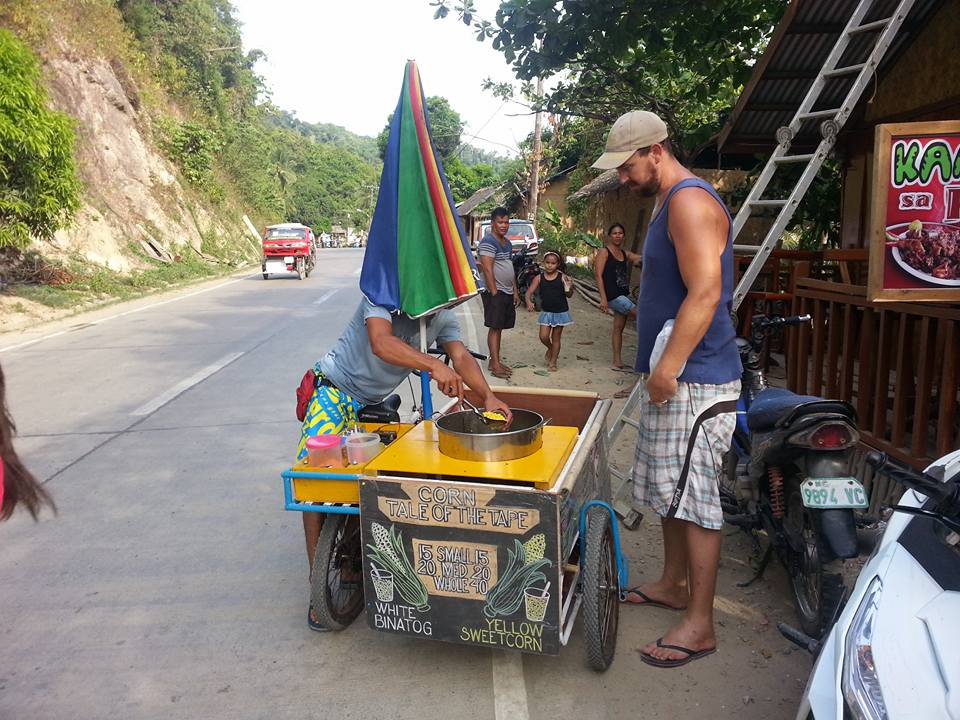
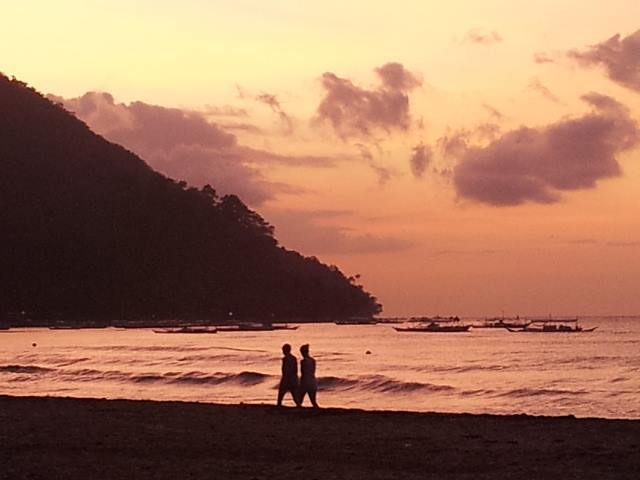
We arrived, found a hotel (Tres Verde), explored the town, met a flamboyant Italian with a zest for life called Fabio, joined up with Fabio for a tour (with a local fisherman that we found on Corong-Corong beach), bought corn from a corn guy, bought pork from a pork barbecue on the side of the road (just pieces of pork), walked the town ragged looking for an ATM (and didn’t find ANY WORKING ones), marvelled at the sunsets and then unfortunately, had to leave to see Sabang on the way to catch our plane home!
Sabang
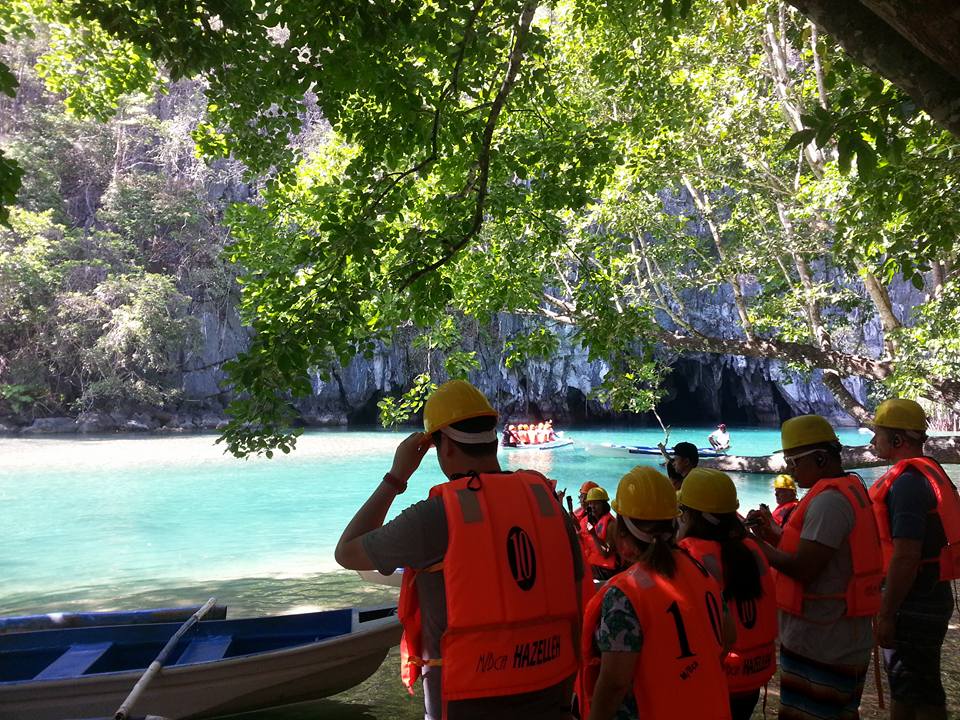
The last stop on the impromptu itinerary was Sabang – most famous for its location alongside the Palawan Underground River – a subterranean river featured on the New Seven Wonders of Nature list. We had already seen Halong Bay (Vietnam), Jeju Island (South Korea) and Table Mountain (South Africa); so it was high up on our list of must-sees while in Palawan.
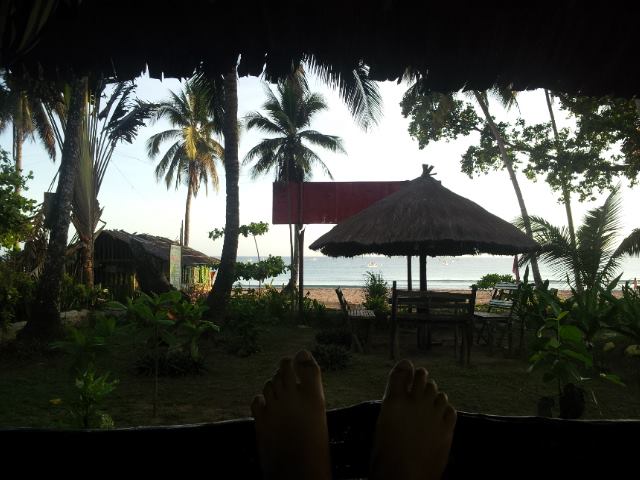
Sabang is a tiny village whose economy basically revolves around the tourists going in and out of the underground river each day. There is one fancy hotel, a couple of lodges and a few backpackers, small stores, one or two restaurants and a long, sandy beach lined with palm trees and hammocks. As a destination, we would have stayed here even without the subterranean attractions.
Manila Airport
As an aside, this is the first time we’d used Manila airport (April 2016) in eighteen months and we were nervous about our short changeover time between Terminal 3 and 4. Previously it took us a good two hours as we had to exit Terminal 3, catch a taxi (or wait for the 20 pesos unairconditioned shuttle van to fill up) across Manila’s rightly infamous traffic and then rush in to Terminal 4 to do the next three security checks (and that was only if we had our boarding passes already printed). This time was a completely different experience.
We walked through immigration in about three minutes, found the signs (still inside the terminal) for the inter-terminal transfer, picked up a free Globe sim card and drew money at one of the handful of ATMs on the way, signed up at the desk (where she also printed our boarding pass), went through one security gate and waited about fifteen minutes for the shuttle bus. The shuttle bus then took us over the runways to Terminal 4 in about ten minutes and we simply walked in to the domestic terminal. What a breeze!


 Since we were in Kenya having a bunch of ‘first’ experiences, like seeing the magical Masaai Mara and adopting baby elephants, it felt like a good time for our first time at an all-inclusive resort. Luxury living is almost impossible to come by on a perpetual traveller’s budget, but Kenya made it happen!
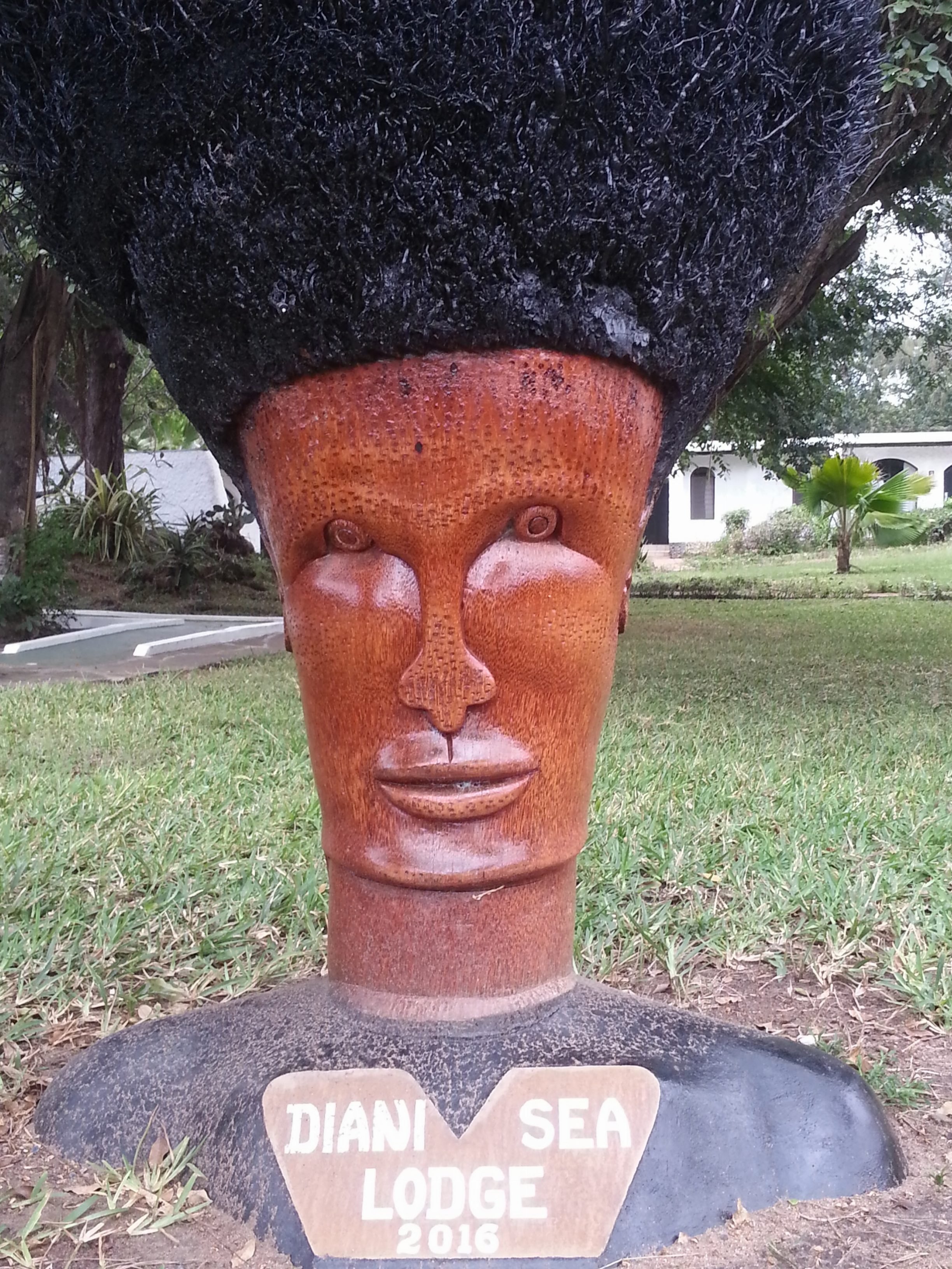 Whitewashed textured walls under the shady reach of enormous trees, where exquisite black Colobus monkeys shake their bushy white manes and call to each other like motorbikes starting up (as Daphne Sheldrick describes in An African Love Story).

 Tuk-tuks and bora-boras (motorbikes) crowd the market places in hopes of a good day.






 Upon arrival the smiling young airhostess kindly requested that we walk around the plane’s wings, collect our baggage and enjoy our stay in Coron. She looked quite relieved to have finished her duties because we had left an hour late due to delays from the Manila air traffic control tower and she had done a lucky draw of some CebGo souvenirs to keep the mood light and the passengers entertained.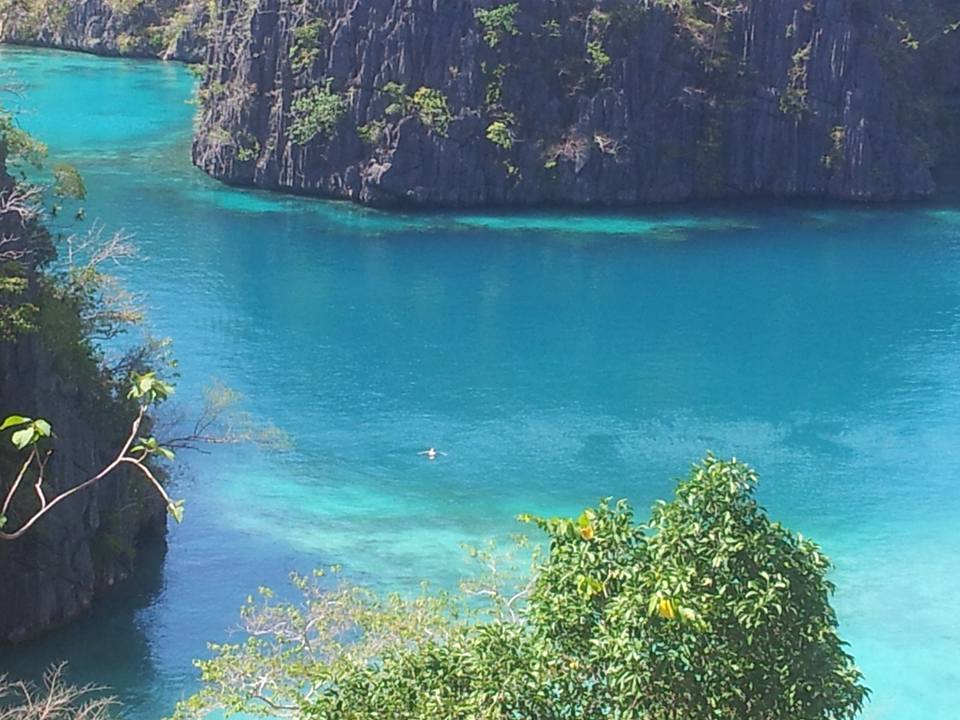
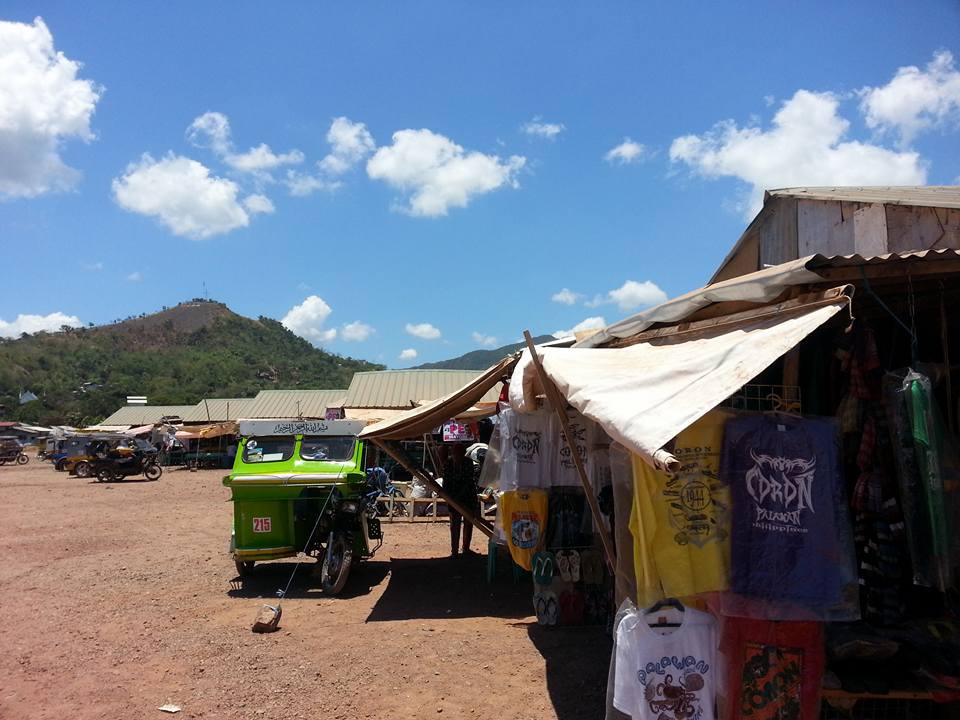
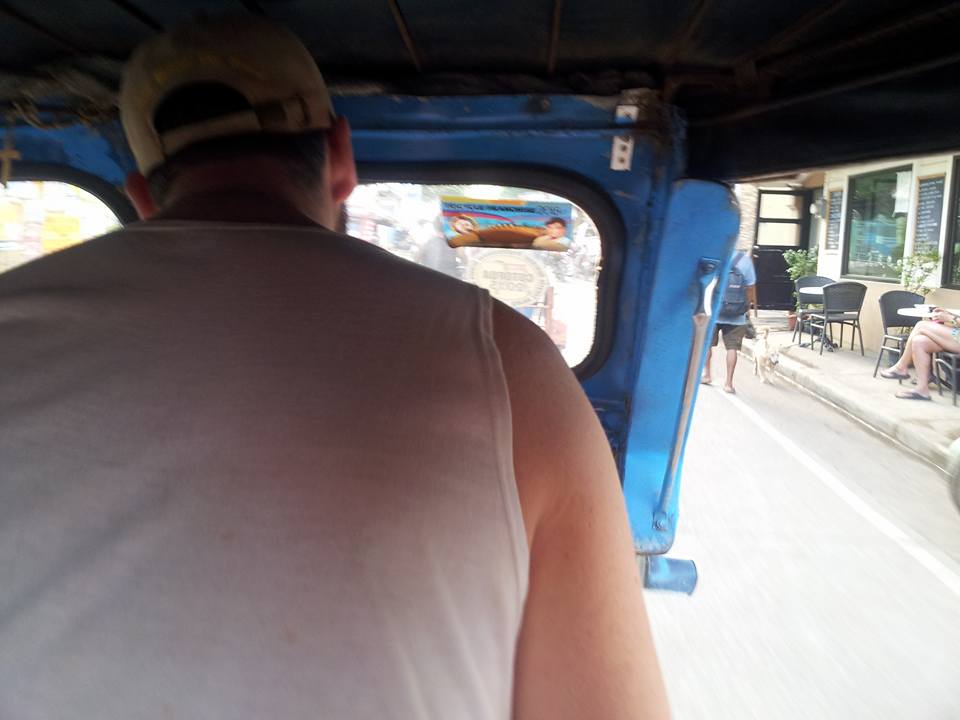 Erwin picked us up and tried to charge us more than double the amount that our hotel mentioned, then dropped us at a ‘delicious local food’ restaurant (after our request for cheap local food), which had prices three times the amount of the real local hangouts. Needless to say, we ditched him the next day.
 From Linapacan, we took an island-hopping tour boat to Sibaltan to spend our last five days exploring Palawan island. Arriving on the mainland after four days on an island-hopping boat was like travelling to a different planet.