Tag Archives: SouthKorea

The Nutcracker

26 December 2015

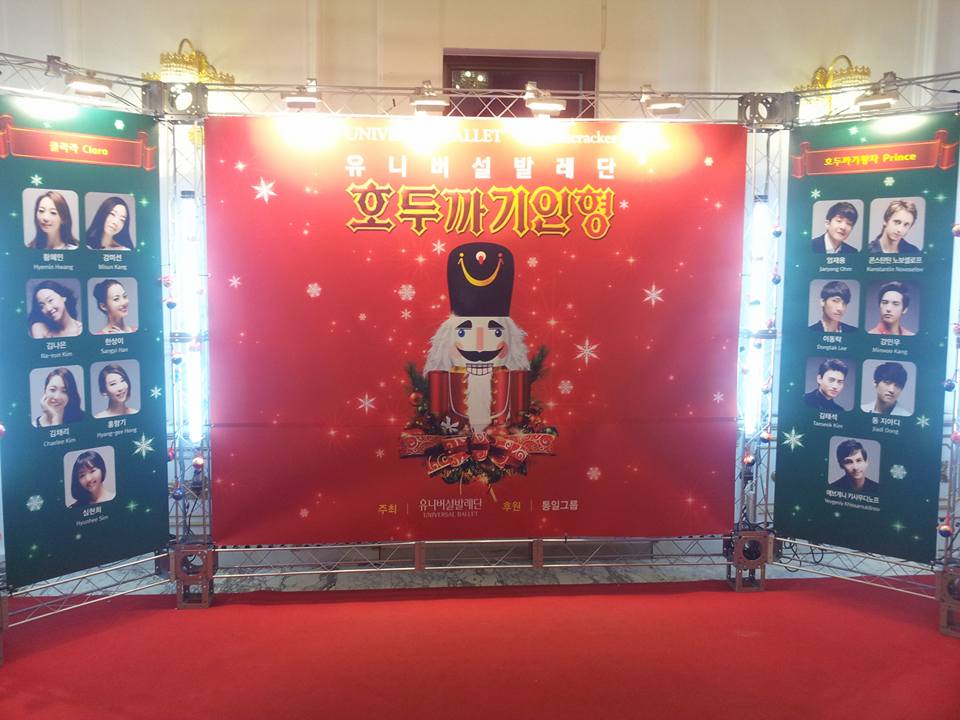
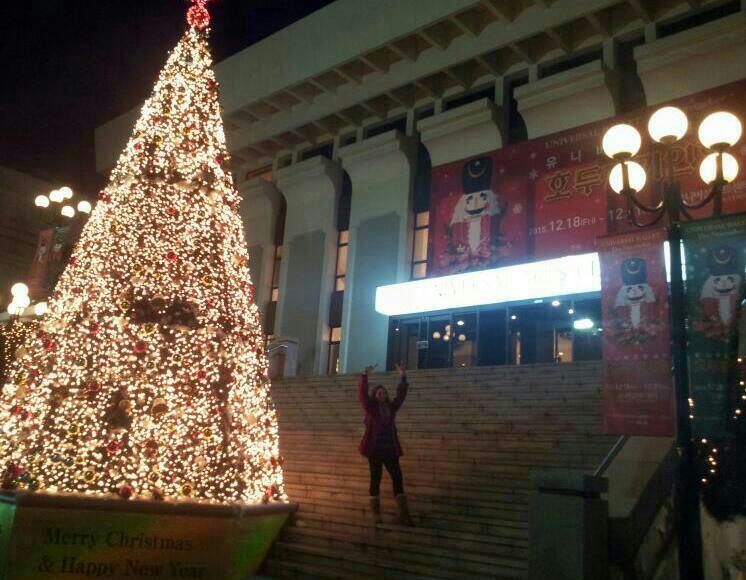
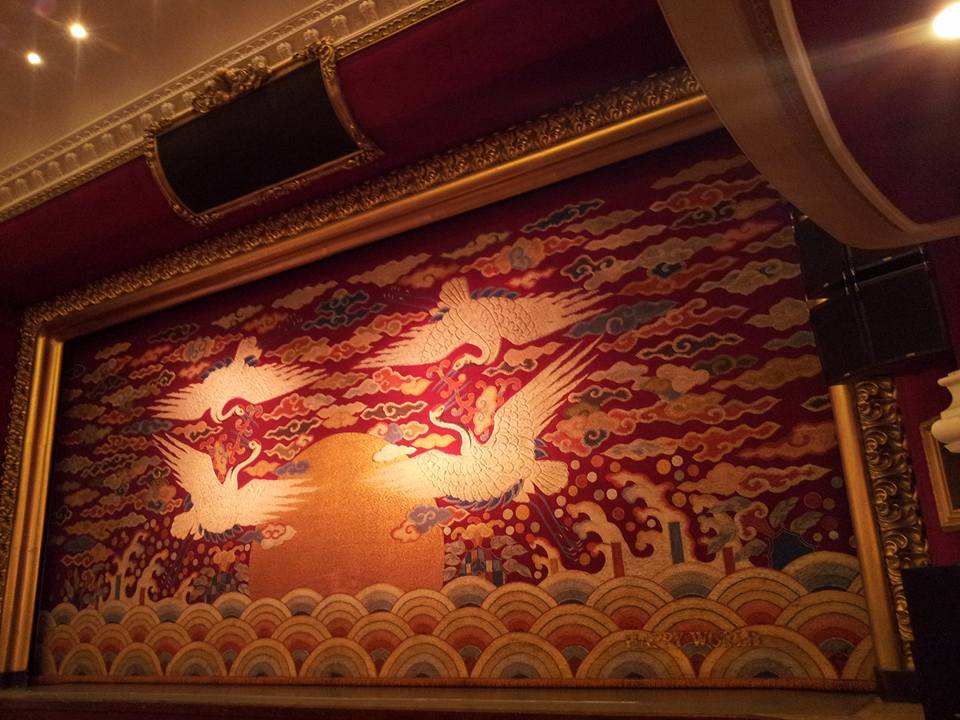
Travelinds enjoyed a festive evening out at the ballet on Boxing Day.  The Nutcracker Suite is an old favourite and the Universal Arts Centre in Seoul did not disappoint.  There are shows here all year round so book your tickets next time you’re coming to Seoul.

12376563_10154125303401992_4992607233019955976_n 1919111_10154125303431992_2436939148213621967_n

Bukhansan National Park

04 October 2015

Chuseok weekend is usually a great time of the year for outdoor activities and we headed off the Bukhansan National Park to hike. Cooler weather, clear skies, changing colours and a slight breeze made the hike all that much sweeter.

The mountain borders Seoul to the north and was used as a natural defence in ancient Korean dynasties. It is a large mountain area (visible from almost anywhere in Seoul if you look north) with a few main peaks, multiple entrances and varied levels of hiking difficulty.  It was amazing to go straight from the bustling city to the shady paths of the silent mountain.  Once we were on the mountain, in the stillness and sounds of nature, we completely forgot about the city behind us until the magnificent view points reminded us how close we really were.

As amateurs just hiking for the views, we didn’t really look at the difficulty levels, times or correct entrances and just headed to one on this directions list from Visit Korea. (Our choice was Bukhansan National Park – Gireum Station (Line 4), Exit 3. Take Bus 110B or 143, and get off at the last bus stop).

With these instructions, we took the subway to Gireum Station, then the 10-minute bus and ended up at the Bukhansan Jeongneung Information Centre (start of Recommended course #4 on the Dulle-gil trail). This is where we started hiking.  Being on the unfit side, we decided to head to Daeseongmun gate (on the board it was described as a medium-to-advanced hike, 3.4km, 2 hours 45 minutes).  From there we would see how we were feeling before deciding the next leg of the hike.  As it turns out, Daeseongmun gate was quite enough challenge for one day (we did it in less than 2 hours) and, since we had already found some beautiful views on the way up, we headed from there across to Daennammun gate and then down towards Bukhansan Gugi Ticket Office.

A rather beautiful adventure and a memorable day.

Yeonginsan, South Korea

01 October 2015

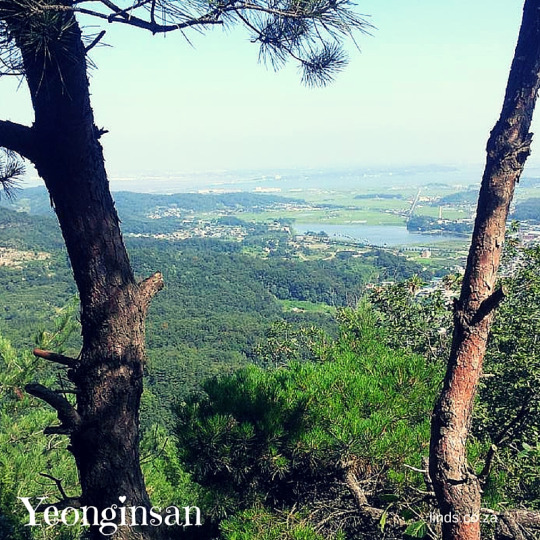
Yeonginsan Natural Forest ( 영인산자연휴양림) is about twenty minutes from Asan.  It is a reserve for hiking, picnics, camping and outdoor activities, popular for school outings, families with young children and hikers.  It is stunning in spring and autumn and has lush green scenery in the summer.  We’d imagine winter would be very pretty in the snow, but hiking in the cold and snow is not our idea of fun!

A ten minute drive from our apartment in Dunpo, it’s an easy morning out if we feel like some exercise with a view.  It is a course that lends itself well to all levels of hikers.  It is possible to walk to all the major points from the central area and back to the middle again, or from point-to-point in a circuit if you’re a more serious hiker and require more of a challenge.

  • Cost:

    • 1,000 KRW pp for Asan or Cheonan residents
    • 2,000 KRW for others
  • Parking:

    There are parking lots below the mountain, at the entrance to the reserve (where the swimming pool and chalets are) and further up near the education centre and cable car.

    • [We usually park (for free) at the bottom entrance to the hiking trail and walk up the 2 km to the central picnic area, passing the ticket booth on the way.]
  • Bus:

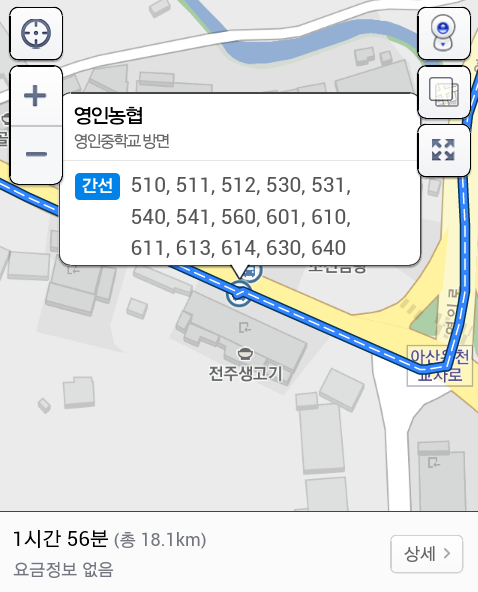
    There are two bus stops in Yeongin-myeon, the Middle School stop (영인중학교 1979(아산)) is closest to the hiking trails, but the Nonghyup stop (영인농협 637(아산)) is just a few minutes further.

    • From both bus stops both, if you carry on walking up the main road towards the mountain, you will come to the beginning of the trail on your right. (It’s opposite the dirt parking lot)
Yeonginsan
The bus stop in Yeonginsasn.
Next up:
The following weekend, Travelinds ventured out to Bukhansan National Park in Seoul – a more challenging hike than Yeonginsan.

Jeju-do Roadtrip – Part 1

25 July 2014

Jeju Island, South Korea

Art House
Art House

This summer, Travelinds did a roadtrip to Jeju Island – South Korea’s ‘Maldives’ and a popular honeymoon destination for Koreans. There were four days (Monday to Thursday) to explore and decided it would be more fun to go over on the car ferry with our dear old Kia Sephia.

We stayed three nights and chose the hotels as we went along. From Jeju City, we drove around the whole island going east first and driving along the 1132 Coastal Highway.

We stopped the first night at Woljeong-ri and stayed at “The Art House”, a charming bed and breakfast with pension rooms also available.

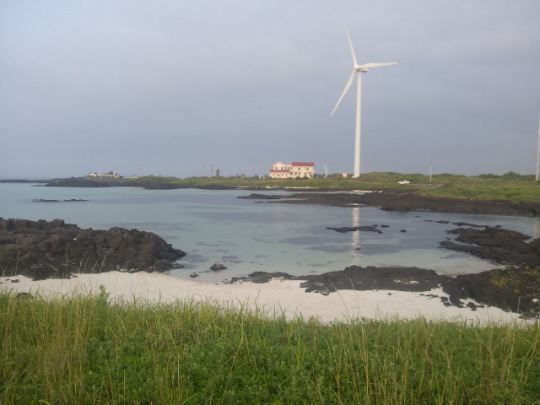
It was only a short drive from Woljeong Beach with its beautiful turquoise sea, sandy beach, giant energy windmills and only a handful of tourists. The Art House is on Agoda.com – see the reviews on TripAvisor here.

Woljeong
Evening swim at Woljeong Beach

At Art House, we met up with a couple from Spain who were touring Jeju without a car and more importantly without any knowledge of Korean. We offered to drop them off along the way to our next destination so that they could explore before heading back on the local 700 bus.

Woljeong-ri
The drive along Woljeong-ri (on Jeju’s north coast)
Seongsan Ilchulbong Peak

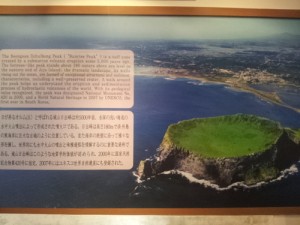
We dropped them off at the UNESCO Natural Heritage site called Sunrise Peak (Seongsan Ilchulbong Peak) to hike the volcanic peak with the hoards of tourists spilling from tour busses. With a sore ankle and suffocating heat (or was is crowds?) as an excuse, we declined the hike, took some sneaky pictures at the museum that made it look like we had touched the mountain and headed off down the coast in our air-conditioned car.

Pyoseon Haevich beach, low tide.

Next stop was the south-eastern corner of Jeju at Pyoseon Haevich Beach and Jeju Folk Village. The beach was lovely for swimming, but not so lovely for tanning as the whole bay is covered in water during high tide resulting in permanently wet beach sand, even at low tide. Most people hire those silver picnic mats and umbrellas (Korean style) and sit on these for a bit before retreating from the sun.

The only bikinis were H and a couple of other Russian tourists that were frolicking in the shallow bay – full body wet suits, long sleeve rash vests, big hats, fully clothed swimmers, tubes, umbrellas and loads of whitening suncream reminded us that we were still very much in Asia.

Jeongbang waterfall.

We looked in at the Jeju Folk Village but decided against going in as we had run out of time and it was time to drive on to our next hotel on the west of the island.  On the way, we managed to stop at the Jeongbang waterfall for a quick snack of Hallabong (a famous Jeju tangerine with protruding stem, sweet and delicious) and a mini photo session.

TIP: The GIANT Mosquitoes at Jeongbang are permanently hungry and really dig in when they find a weak spot; like feet, legs, arms or even faces.
Jeongbang waterfall.

Guardians of Gyeongbok Palace

24 December 2013

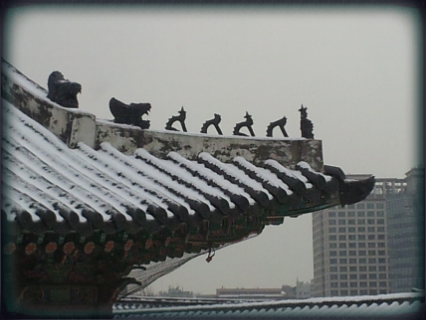
On visiting the Gyeongbok Palace (Gyeongbokgung) in Seoul, I happened to notice some mysterious figurines on the corners of the roof, especially for the larger buildings.  Intrigued, I investigated a little further and found that these are traditional Korean figures called Japsang (잡상).

The figures depict the grandeur of the building (more Japsang means the building is of higher importance), as well as the shamanistic beliefs that these figurines work to ward off evil spirits. This notion was apparently derived from the characters of a traditional Chinese story called “Journey To The West”, which follows the adventures of Monk Xanzang, a Bhuddist monk who went to India in search of sacred writings.

There are about ten guardians, which are placed in a specific order on the sloping roof and always arranged in odd numbers.

Some of the most important characters are:

  • Monk Xanzang, the main character
  • Sonojeong, The Monkey King
  • Jeopalgye, the Pig Monster
  • Saojeong, the Half-Water Demon
  • Iguryong, Double-mouthed Dragon.
  • Mahwasang, Horse
  • Cheonsangap, Pangolin

Another example of just how much the Korean culture has been influenced by the Chinese nation, even though most are loathe to admit it.

National Folk Museum of Korea

14 December 2013

The National Folk Museum of Korea houses quite a few interesting exhibits about life and culture in South Korea.  The museum is next to the Gyeongbok Palace in central Seoul and admission is free (remember, it is closed on Tuesdays).

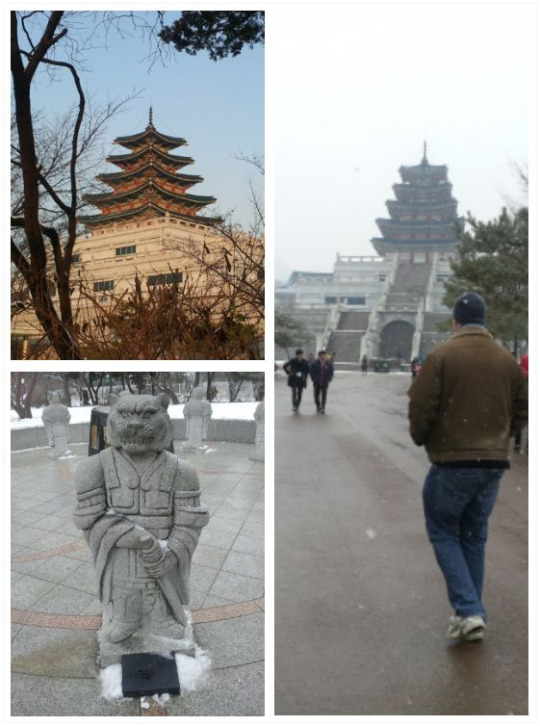
It is quite an eye-catching building with the traditional Korean architecture towering above the pretty park (which, when we went, was also covered in a thick layer of white snow).

We chose to do a guided English tour (at 14.30) with a Korean guide and to watch a (free) traditional music performance that was being hosted at the museum auditorium.  It is definitely worth a visit, especially with its convenient proximity to the Gyeongbok palace and Insadong for touristy sightseers.

Our guide at the museum was wonderful and we thoroughly enjoyed her quirky take on the Korean life and culture!  Her English name was Hillary and she chatted away to us about the museum where she has been a volunteer English guide since she was a university student. She loves the gig so much that she still continues her volunteering every Saturday, because she now works during the week.   Her hope is that this guide work will help her to improve her English even more and also allow her to meet foreigners (waegooks) from all countries of the world.

Outside the museum are the twelve Chinese Zodiac animals with birth years engraved so you can find your own.  Not that we are superstitious at all, but it was fun to see the details.  I’m a Tiger (ferocious and stubborn) and he’s a Rat (highly intelligent and sneaky) – sounds about right!

Be sure to check out the little street of restaurants across the road from the museum, we found such a cute one in a little alleyway.  The lunch cafe is situated inside an old Korean house converted into a little eating spot called ‘Rice’ (밥).

Rice

14 December 2013

This cute little restaurant called ‘밥’ (said ‘bap’, it means rice) was hidden in one of the alleyways opposite the National Folk Museum of Korea in Seoul.  It is an old Korean house, with traditional low ceilings, sliding doors and floor seating, which was turned into a little eatery.

You leave your shoes at the door, duck through the entrance and sit down on the floor in front of the low tables.  The menu is simple and consists of Kimchi Jikae (spicy kimchi soup), fish kimchi jikae (with small fish in the soup) and other very traditional Korean dishes (considered as ‘light lunches’).  If you can’t read Korean, the menu on the wall might be difficult to decipher without any pictures available.  As in any traditional Korean restaurant, a bowl of steamed rice and a range of side dishes (Banchan) are usually included.

We walked across the road from the museum, up the street where there are restaurants, coffee shops and the modern art museum.  The ‘Bap’ restaurant is down one of the little alleyways opposite a Greek art gallery.

Machika jusaeyo “맛있게주세요” – bon appetit!

Seoul Forest

6 December 2013

tumblr_mxc1f1OH1A1s64282o4_250

This weekend, we went to Seoul Forest (서울 숲 pronounced “soh-ool soop”) for a picnic with some Korean friends.  It is a large green area set along the northern side of the Han River (한강) and surprisingly, right in the center of the bustling metropolis of Seoul; although surrounded by trees and twittering birds, it certainly doesn’t feel like you are in the middle of this massive city.

History

tumblr_mxc1f1OH1A1s64282o2_400Seoul Forest was opened in 2005 by Korea’s controversial tenth president, Lee Myung-bak, while he was still the Mayor of Seoul.  The Seoul Forest consists of five “themed” parks (sculpture, ecological etc) and it covers over approximately 1.16 million square metres.  Lee Myung-bak also created the beautiful Cheonggyecheon stream (one of my favourite places in Seoul!) and he is also accredited with having introduced the rapid transit buses to the city’s transportation system.

Our Visit

It was truly amazing to find this little piece of heaven in the middle of the craziness that is Seoul and we thoroughly enjoyed exploring the park and forest during the peaceful afternoon.

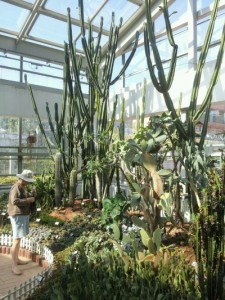
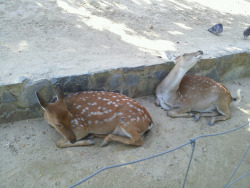
We managed to get to the sculpture park, a couple of open grassy patches, an educational greenhouse, a butterfly farm, a deer enclosure, waterfalls and quiet benches; as well as plenty of place to picnic, ride bikes, walk and enjoy the sunshine.  There is is also a bridge near the deer enclosure, which leads over the wide Han River to the other side.  The south side of the Han River is mainly sports parks, walking areas and bicycle tracks.tumblr_mxc1f1OH1A1s64282o6_400tumblr_mxc1f1OH1A1s64282o5_250
Armed with our silver picnic mat and gimbap (as the Koreans do), we found a shady spot near the grassy patch that was also hosting a children’s festival that day called “Treasure Island”; near the convenience store and coffee shop, which are also, obviously, available in the middle of the forest (because, it would be unacceptable to escape to a forest if there wasn’t a convenience store and a coffee shop available).  Only in Korea I tell you!

Getting there

As with anywhere is Seoul, you can get easily get to the park in several different ways.

Car: We drove here using the GPS and paid about 8,000won for (outside) parking for the afternoon.tumblr_mxc1f1OH1A1s64282o7_400
Bus: Front entrance (2014, 2412, 2413 or 2224, and get off at Seoul Forest), or Back entrance (141, 145, 148 or 410, and get off at the back gate of Seoul Forest).

Subway: Seoul Forest Station (Subway Bundang Line), Exit 3.  or
Ttukseom Station (Seoul Subway Line 2), Exit 8.tumblr_mxc1f1OH1A1s64282o3_250
Make the trip

It was certainly worth the trip and we hope to visit here again soon.  What a lovely retreat for Seoulites who need to escape the madness of the city for while!

First Snow

18 November 2013

Today was the “First Snow” or, 첫눈 in South Korea.  Pronounced similar to “choh noon” this magically captivating event is viewed with awe and admiration by the Korean people.  It is even believed by some of a more superstitious nature, that if you make a wish during the first snow, it will most certainly come true.

Although today’s snowfall was fleeting and the snowflakes only lasted a few moments on the ground before disappearing, it was a wonderful feeling to watch the snow falling slowly through the air and hearing the absolute delight in the voices of excited school children all around us.

I’m sure we won’t have to wait too long now until the real snow starts to transform the Korean landscape.

tumblr_mxc0dx5Uys1s64282o3_400tumblr_mxc0dx5Uys1s64282o4_400tumblr_mxc0dx5Uys1s64282o1_400

Hangeul Day Adventure

Hangeul Day – 09 October 2013

To celebrate the origins of the Korean language (Hangeul), Korea celebrates a national holiday on 09 October each year, known as “Hangeul” day. Since it was a day off from school, we ventured out with friends.

We drove into Dangjin for brunch and ended up at Lunar Rich (loo-nah-lee-chee), an Italian style restaurant opposite from the Art and Culture Centre. A delicious meal (we had the lunch set) with salad, pizza, pasta and coffee or cola.  A lovely ‘authentic’ Italian meal was a nice surprise from the usual ‘Kor-talian’ options that are usually available at these “Italian” restaurants.

We then headed off to the seaside village of Sapgyoho (only 20 minutes from Dangjin), to find the new circus being advertised.  The new building (which can be seen from the expressway) resembles a circus tent both on the outside and the inside.  It is not the ‘travelling’ circus concept we were used to from South Africa, but in fact, a troupe of Chinese acrobats that have apparently committed to performing at this venue for the foreseeable future.  It opened on 03 October 2013.

After the first act, we were both thinking this was more of an amateur show. However, by the end of the 90 minute performance we were absolutely stunned by the talent and professional, jaw-dropping routines of the young acrobats. Truly, the most amazing performance of acrobatic feats and fearless commitment to excellence I’ve ever seen.  Contortionists, swan dance acrobatics and so many other fascinating routines kept us rivetted throughout the show.

Head on over to the show (13.30, 16.30, 19.30 – every day) – it’s easy to get to Sapgyoho (by bus) from Dangjin.

Korean Formula 1 Grand Prix 2013

Sunday, 06 October 2013

F1 GP 2013Today marked the annual Korean Formula 1 Grand Prix.  The race began at 15.00pm with a colourful opening cermony kicking off at 2 p.m.  The opening parade, with participants dressed to the nines in traditional Korean ‘hanbok’ and ‘Samulnori’ clothing, showcased true Korean drama and legendary story-telling, through Korean dance.

The crowd was then treated to a daring display of fighter jet formations by the Korean Black Eagles flying squad.  Death-defying manouvers and colourful smoke creations (even a red heart with a blue arrow through it) kept everybody entertained.  F1 GP 2013 JetsThe sound of the jet flying over us at close proximity was enough to give everybody a huge fright and a taste of the noisy car engines to come (although the fighter jet engine felt about a hundred times louder than the cars!)
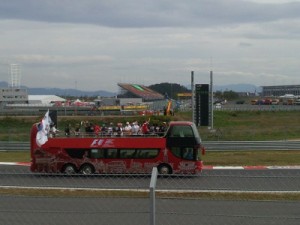
The weather was surprisingly good, if just a little windy, despite ominous predictions earlier in the week of a typhoon touching down on Sunday.  Our seats were in Grandstand G this time, with a good view of the cars coming out of the first straight and then a view of turns 7,8,9 and 10, which is luckily where some of the action happened during the Formula 1 race.F1 GP 2013 Drivers

We support Sebastian Vettel (Red Bull) and Kimi Raikkonen (Lotus) and this is the second year we have enjoyed great performances from both of these drivers at the Korean circuit.  Vettel came first (again), led every lap and also got the fastest lap of the race, much to the
disgust of some of the Italian Ferrari fans sitting nearby us; a
nd Raikkonen came in at second position by overtaking his teammate (Grosjean) late in the race.

The race was pretty exciting with blown out tyres, appreciative crowds drowned out by the deafening drone of the powerful Formula 1 car engines and even a dramatic fire, caused by a bump earlier in the race that must have ignited something.
Mark Webber was the unlucky driver whose car caught fire and he had to escape before flames engulfed it in a cloud of black smoke.
Incidentally, this happened right at the end of the straight where we could watch all the action live from our seats, with a little help from the big screen for the details.

A great outing as usual!

F1 GP 2013 Track