Tag Archives: wild

Oribi Mom: Falcon Power From the Wild, Wild, Wild Boys

It’s always a good thing to learn about our country’s wildlife.
 

February 21, 2025

The third small boy in our house has now hit the stage of tall stories, potty training, and screaming not to be restrained in the car seat.

He’s also got the advantage of superpowers much earlier than his older siblings who didn’t get to watch such advanced programming – nothing much beyond Peppa Pig, Bing, and Winnie the Pooh.

Now, It’s Wild Kratts, a highly educational wildlife programme that also happens to have baddies trying to steal or eat rare animals that need saving.

The Kratt brothers use their power suits with various animal powers to do that saving. By the end of the episode, you know all about the species, so I’ve shrugged off the superpower stuff mostly.

The Wild, Wild, Wild Linds

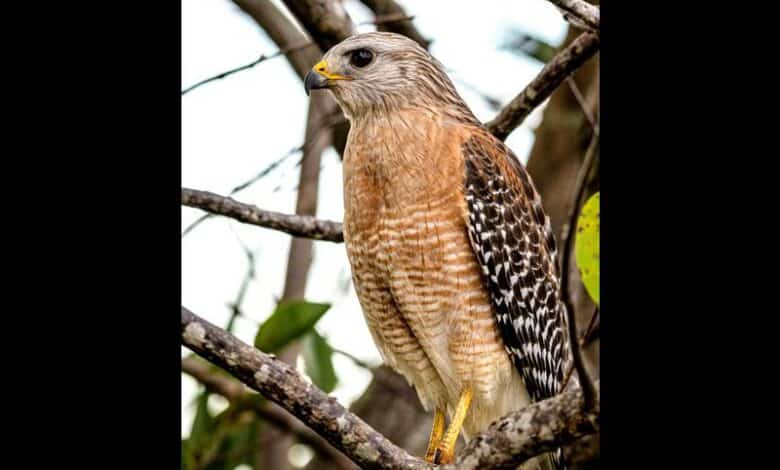
As a result, the littlest person in our family is now hitting his chest (the button on the power suit). He shouts, ‘Falcon power,’ and zooms from one end of the house to the other. And back again. Sometimes, it’s cheetah power, grasshopper power, salamander power, or any other of the number of species the Kratt brothers showcase on their show.

He’s learning about quite a wide variety of animals, I guess. I don’t know many other two-year-olds who can talk about falcons and actually know what they are and what they do. I could be wrong on that.

Anyway, if you hear me calling the boys, ‘Wild, wild, wild Linds’ you’ll know why. They’re basically Kratts.

I wonder if there will come a day when my sons are roaming the earth doing conservation work with rare species and developing their own power suits. It seems like that would be a great way to spend a life.
Meet the Kratt brothers and their wildlife show.

Published here.

Oribi Mom: Nice Neighbourhood for Nature’s Best

“Hopefully, I’ll still be running when my boys are big enough to join me in our beautiful part of the world here in Oribi Gorge.”

PHOTO BY PIXABAY 

October 11, 2023

I finally got back to managing a 10-kilometre jog the other day. My last one was about four years ago. That’s two babies ago, depending on how you look at it.

It’s amazing being able to run in my home neighbourhood with almost nothing but farmland, birds, and wildlife.
The occasional tractor and friendly farm worker pops up, too. But mostly, it’s just me and the sky, dotted with cane fire ash and gliding vultures.

The clouds sometimes blow way over my head faster than I’m jogging, which isn’t very fast. I even saw flying guineafowls this time after a taxi scared them out of the grass. Like the hadeda, they like to scratch around by the water catchments on the side of the road. I love their distinctive sounds and comical waddling.

Lots To See in This Wild Kind of Neighborhood

On a previous run, I’d seen about six hadeda ibises fly down from a pole and chase away a water mongoose. It ran off into the cane before I could get closer. They’re really huge, at least a metre long.

My quiet runs on the tar are quite different to the crunchy farm roads I usually use. You can actually feel the vehicles coming before you see them. There are vibrations, then a kind of whining sound, and then a whoosh as it zooms past.

The UGU bus is the scariest vehicle to have coming up behind you. It’s very loud. Though, the huge cane trucks can be, too. I always hope for the best as I try to jump to the side, praying that me stepping into the long grass isn’t going to be me stepping onto a puff adder. You never know, even in winter.

Jogging Alone? That’s Perfect for Now

My baby son is not at all interested in spending time with me out there in his pram. I’ve tried a few times. All I got as a thank you for the adventure was a screaming child.

At least running alone means not having to push the big pram up the steep parts. Maybe, when he’s big, he will run with me and try to catch the water mongoose and laugh at the doves giving the jackal buzzard the beady eye.

I’ll show him the monkeys stealing cane and the pairs of stone chats guarding their perches every few metres. Hopefully, I’ll still be running when my boys are big enough to join me in our beautiful part of the world here in Oribi Gorge.

Published here.

Oribi Mom: Not so secret visitors feasting in the macadamias

They’re fighting against crazy odds to survive as their natural habitat gets smaller.

July 15, 2023

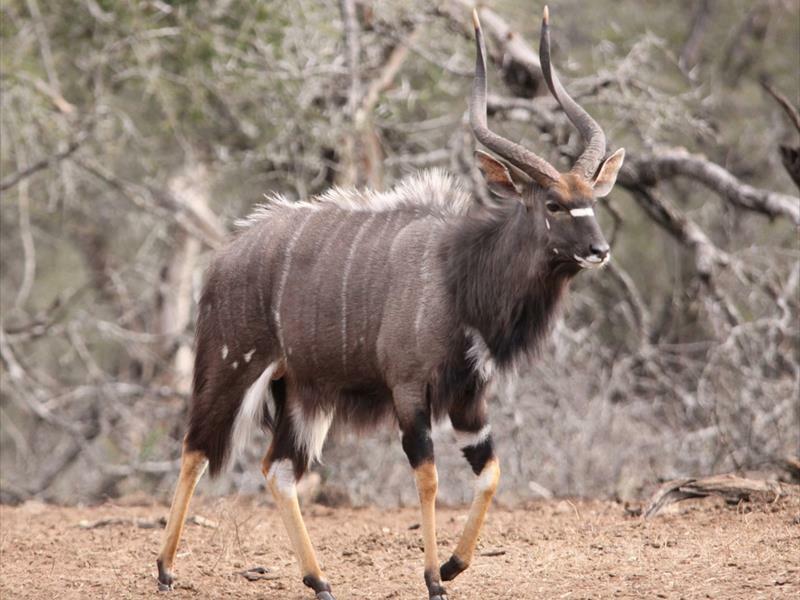
It’s the third day in a row I’ve seen them. Three shining hazel-coloured coats with white stripes dazzling in the morning sun. They stand there in the macadamia grove, hoping we won’t see them.

Maybe if they stand dead still, we’ll pass by quickly. But they forget that their flopsy, large ears flick away the bugs all the time. And the shape of them stands out very clearly against the backdrop of natural forest that drops off sharply below them.

Somehow, they find their way up through the cliffs and forest and steep gorge slopes. They follow paths the rest of us might not even recognise as throughways, pushing past thick bush and sharp prickles and over loose rocks to get to where they’re going. They’re brazen about chomping baby mac trees, but how can they pass on such succulent treats? They’re planted neatly in rows and cleared of long grass. It’s like a smorgas board as winter dries up the natural vegetation a little in the valley below.

Longtime Residents of Oribi Gorge and Other Wild Places

Nyalas are, by far, our most beautiful natural antelope here. The bulls have the most impressive curling horns with bright orange legs sticking out beneath the dark, hairy coats.

The males are called bulls because their impressive size competes with eland and kudu and all these much larger animals. But the dainty females are called ewes, not cows. They’re not big enough to classify in the upper category like their male counterparts. At least, that’s what the game rangers have told me on trips up to Hluhluwe.

Lessons From Antelope? I’ll Take Them

Even if that’s a tall tale, I’m entranced to have these beautiful nyalas right here at home. They’re just a stone’s throw away from me, a human female who needs regular reminders that how others classify me is no concern of mine. It shouldn’t be, anyway.

These ewes-not-cows are still incredibly beautiful. They’re good mommies to the baby nyalas we see every season. And they’re fighting against crazy odds to survive as their natural habitat gets smaller and smaller thanks to development, mines, and yes, farming.

So, they can nibble our mac trees (Sssh, don’t tell the farmers!) if it means I can still watch them. Let them shining in the sunshine in fifty years’ time with the oribis, duikers, warthogs, reedbuck, and everything else.

Published here.

Oribi Mom: Shifting Seasons (South Coast Herald Lifestyle Column)

What a gift it is to be able to pass the winters in such rich company.

July 4, 2023

There’s a definite shift as autumn fades on the South Coast. The grass starts turning brown, even with these strange storms every now and then that give it a boost of green for a few extra days.

When we look out over the valley to the opposite slope, the brown is obvious between the evergreen pines. But when you look at the canopy of the indigenous forest just below the house, it still looks as green as mid-summer.

Different Seasons, Different Visitors

But the stickiness in the air is gone now. And there are very different sorts of birds around the garden. The scarlet firefinches come out to hop over the short grass and through the thickets.

The toppies pair off and make a racket in the berry trees, competing with the clumsy mousebirds for the fruit. Even the Crowned Hornbills fly up from the bottom of the valley daily now.

The hornbills’ orange beaks glimmer in the sunshine as they noisily flit from tree to tree. They always look like they’re going to fall out of the sky and then pump their wings to lift their bodies again and again. It’s a very awkward flying style, and easy to identify if you can only see a silhouette against the glare. They’ve got quite a melodic sound compared to the screeching Trumpeter Hornbills, too.

So Much Colour and Life in Oribi Gorge in Winter

The Greater Double-collared Sunbirds are also fluttering about chasing off rivals so that they can sample the aloes in peace. The orioles are wonderfully vocal, too. They flash bright yellow with black heads, zipping right over our house as they disappear back to the safety of the forest in the late afternoon.

The kingfisher’s turquoise, the Amethyst Sunbird’s black, and the tinkerbird’s red dot are also daily gems. With all the colours, we rarely notice the brown grass or the dusty roads. What a gift it is to be able to pass the winters in such rich company.

Published here.

Oribi Mom: Hearing the Roar of the Waterfall

Apparently there is some special limestone-evolved skink here that researchers are trying to pin down.

It’s quite a struggle leaving home in the dark. Winter school runs require some otherworldly resolve to crawl out from under the covers. You must will yourself to get the small children dressed, fed, and half-decent for the day.

It’s also ridiculous how much colder we are in Oribi Gorge and Paddock than in town. Oribi Dad often leaves home in the dark with a fleece top and beanie and returns an hour later with a T-shirt and sunglasses. Why bother?

This weather is confusing, too. One minute it’s so dry we’re irrigating the baby macadamia trees and the next there’s giant thunderstorms ripping through our echoing gorge. They strike Eskom poles to leave the whole place off the grid, and not in that idealistic sort of way.

The Waterfall Roars After a Good Storm in Oribi Gorge

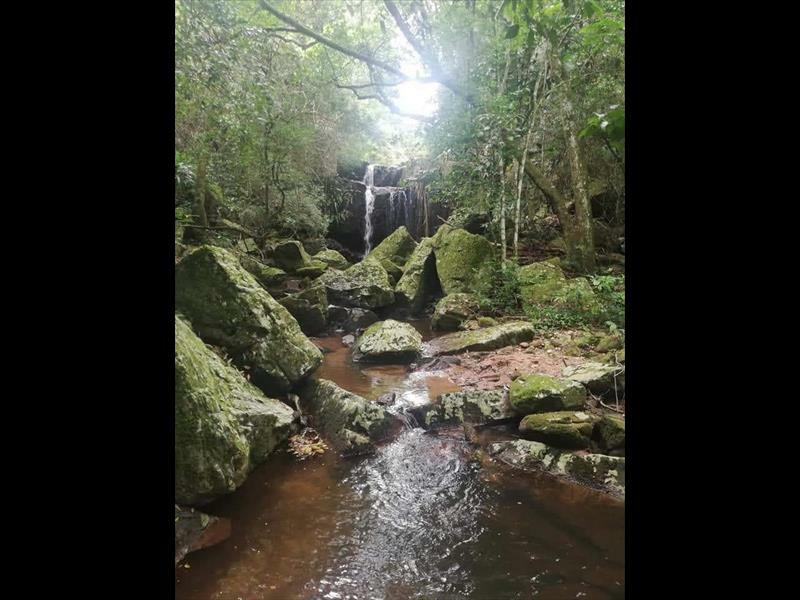
The waterfall below our house really pounds after that rain as the water drains from all the surrounding slopes and gathers in the streambed. It roars, much louder than the cane trucks. It’s louder than the UGU bus putting its accelerator flat on the floor to try and get up our winding gorge road without stalling. The waterfall is even louder than the tractors sometimes, and those whizz right past the house.

You can get to the bottom of the waterfall with some careful balancing and boulder-hopping off the rough trail. And once you do, it’s hard to describe the transformation. The cane, macadamias, and tea tree are far above you. The sounds stop, except for the birds. The bright sunlight doesn’t even make it down there into the moss-covered rocks and twisty skyscraper trees.

Down Into a Magical World Out of Sound and Time

I imagine that’s how Middle Earth’s elven forests must have been in the mind of its maker. It’s like you’ve stepped into a world of fantasy. But you still have to look out for the area’s rather impressive selection of dangerous creatures.

Even grumpy bushbuck aren’t the safest, though seeing them gracefully walking down the narrow bush trails is still spectacular. Apparently there is some special limestone-evolved skink here that researchers are trying to pin down. I’m yet to find it. But there’s still time.

Maybe the dark, cold winter mornings aren’t the most enjoyable part of family life on the farm. But the beauty and diversity of this place makes up for it in a big way. And the aloes, now those are always a great reason to look forward to June on the South Coast, aren’t they?

Published here.

Oribi Mom: Rainy Nights Where the Wild Things Are

“The owls were there before lockdown, and they are still eating insects on the lawn all these years later.”


November 15, 2022

It’s been a rough week. The boys aren’t sleeping through and the baby is up every two hours still. Loadshedding isn’t helping me find my groove, especially when the geyser switch keeps tripping. Rain is keeping us inside but helping our tiny macadamia trees grow.

Last night, I went to bed at 6pm with the children and fell fast asleep. At 7pm, the lights came back on and two spotted eagle owls started making a racket on the lawn. They make a sort of screeching growling sound right outside my window. Why? They’re chasing crickets!

One sits on the top of the garage playing lookout and the other one screeches and screeches while hopping awkwardly on the grass. They are hilarious to watch, running as though they had brand new shoes that were too big to go fast and waddling like they have a full nappy. They hop and bow and watch me watching them through the window. It’s too dark to video but the spotlight lets us see them in full view.

These huge birds are very impressive. And, them waking me up was a grand piece of luck. I forgot it was Wednesday and almost didn’t send in our grocery order for the weekly Thursday delivery. It’s a remnant of COVID lockdown that’s still going, and it is a lifeline to us fresh milk and bread lovers.

The owls were there before lockdown, and they are still eating insects on the lawn all these years later. I hope some things don’t change too quickly. Our little one is almost four months old already and changes every day. He’s started to giggle, and his two-year-old brother has started playschool.

Time is marching on. But hopefully the owls and all the other beautiful creatures at the farm will be unchanged when we look back on our lives here one day. They make me smile on the bad days. The farmhouse wouldn’t be the same without their summer shenanigans. And, at least they’re controlling the thriving cricket population making holes all over our lawn.

Published here.