August 2016
Waking dream!
Stirring from a night of solid sleep to the sounds of a thousand different birds, I focused lazily on the rays of orange sunshine streaming through the tent and wondering on which alien planet I had landed. I remembered the crazy rush to book a last minute flight with an hour to get to the far-off King Shaka airport, paying our entrance fees online on the way to the airport, the flight from cold South Africa to rainy Ethiopia to sleeping Kenya in the dead of night, the two hours of sleep before the alarm jolted us from our beds and the mad rush to pack nine of us into two cars, heading out of Nairobi at a prompt 6.30 a.m. sunrise.
With delight I recalled that we had made it through the six-hour journey, the Great Rift Valley opening up below us with its geothermal steam vents and slow trucks between Uganda and Mombasa, the wheat fields and pockets of livestock mixed with random antelope as we climbed out of the valley of volcanic rocks and trundled on through the dusty bushveld – its acacia trees and euphorbias astoundingly huge and beautiful – and the shocking corrugations on the pothole-infested dirt roads that claimed our entire exhaust fixture on the way home (it survived its trip back to Nairobi tied to the roof racks, but normal conversation pitch during the journey was next to impossible and we roared on home lost in thought and memory of the captivating experience).
I was finally here, somewhere I had dreamed of since childhood, unbelievably happy in an unfenced campsite along the Mara River, in a little tent, in the world-famous Mara Triangle, part of the Masaai Mara National Reserve – and hundreds of thousands of animals were here with us, too.
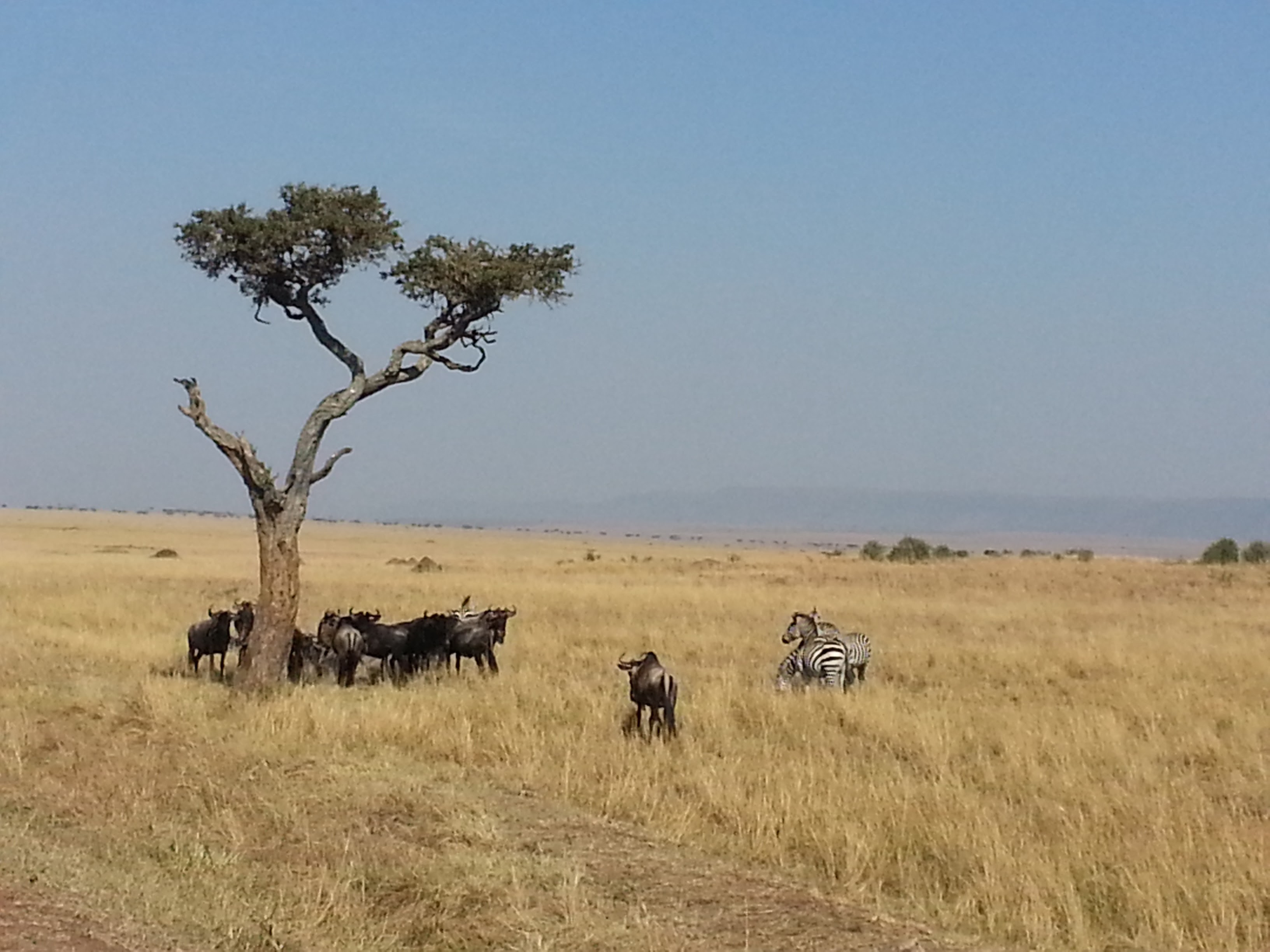
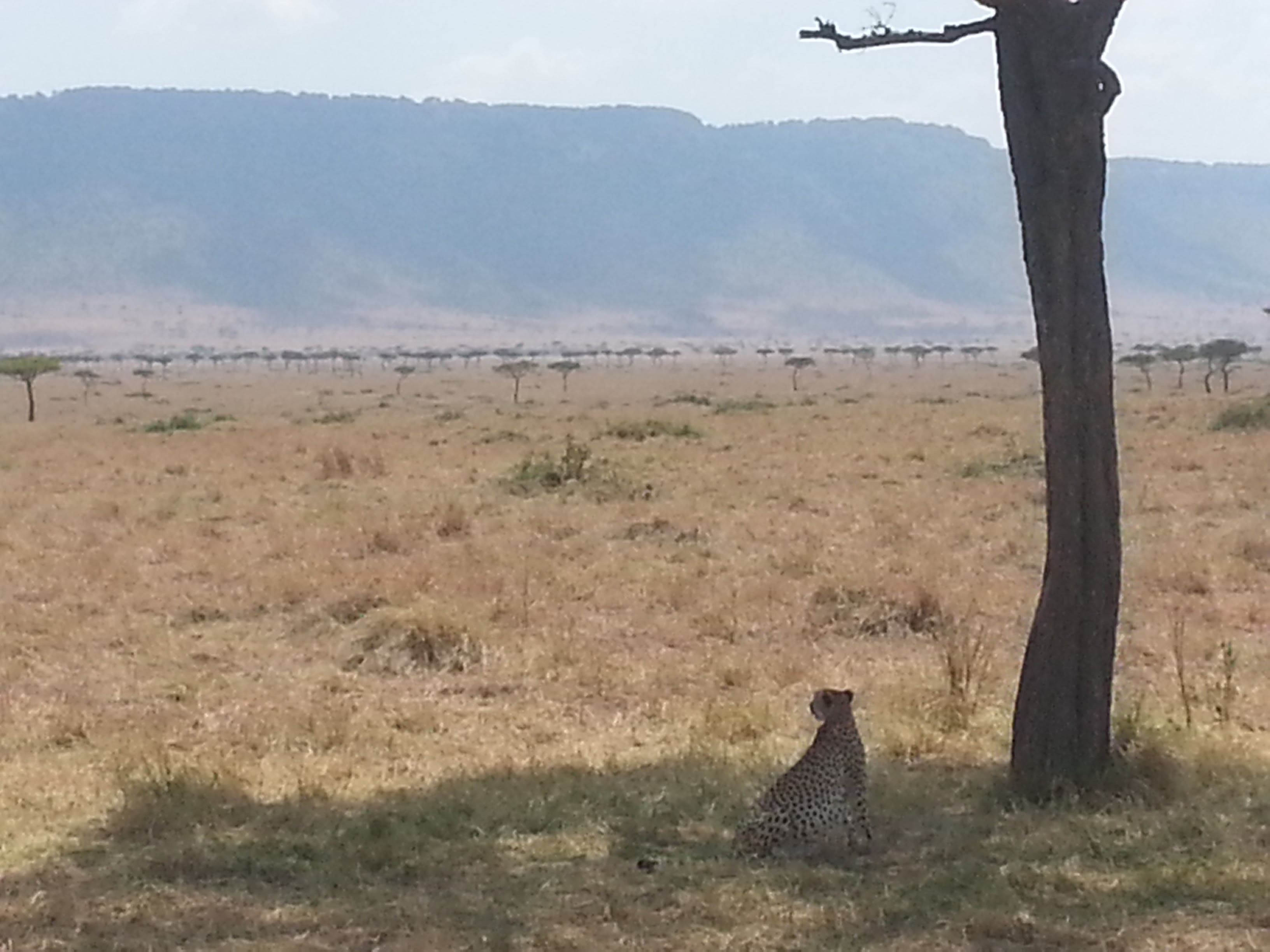
The Great Migration
The herds arrived in the Mara Triangle the day before we did and it really is something you need to see with your own eyes to believe it. Beautiful and fascinating!
“Follow-the-leader” took on a new meaning as we watched the blue wildebeest lines stretching all along the base of the majestic Oloololo Escarpment, winding their way towards the Mara River to see if the oat grass really is greener (redder?) on the other side. Apparently following the rain, the wildebeest spend their whole lives moving, an epic circular journey that starts down in the Serengeti of Tanzania and ends on the vast plains of the Masaai Mara in Kenya, where it starts all over again.
The wildebeest are joined by zebra and tommies (Thompson’s Gazelle) and solemnly face the predators at every step of the journey – an inevitable game of roulette as each night brings certain death, and each dawn a sense of victory at having beaten the odds. Carcasses litter the savanna with evidence of the nocturnal carnage and the rotund lions we saw were too stuffed to bother with anything, eating only the choicest rumps and leaving the rest of it for the scavenger feast. Even the scavengers turn up their noses at the drowned carcasses that fill the rapids of the Mara River after the senseless ‘crossings’, already filled to capacity from the pickings of abundant meat left from the kills.
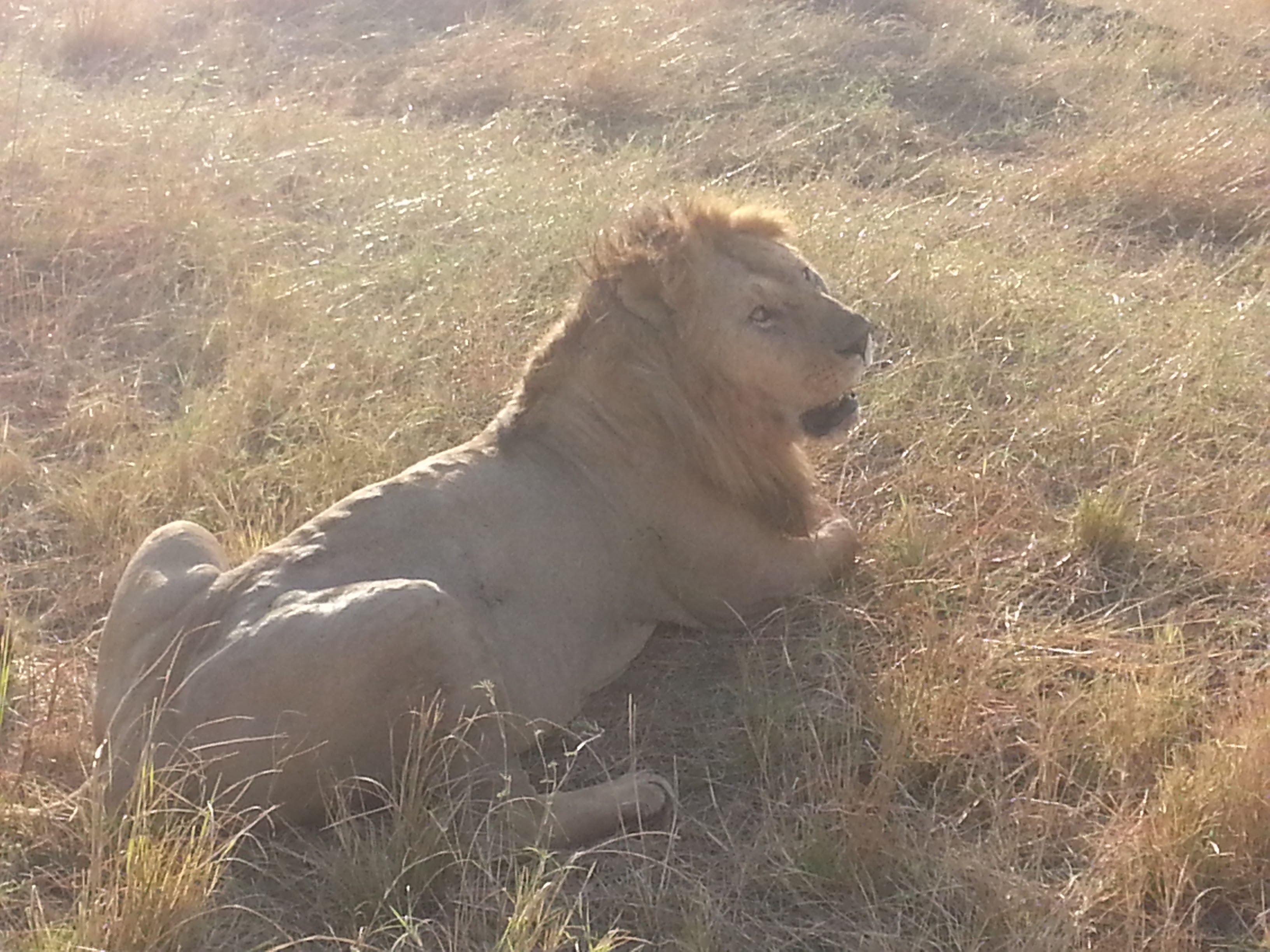
The animals converge on the river to drink, egging each other on to be the first to brave the threat of crunching jaws of the enormous Nile crocodiles. Twice we watched as a wildebeest fell in, swam wildly to the nearest bank and was assisted by the curious hippos with a nudge towards the relative safety of dry land.
Wild and Free
The zebras with their exquisite black and white (a much cleaner contrast than the brown-smudged South African zebras) gather together to graze, some rolling in the dust, some playing catch; and even a naughty zebra male that suffered a thumping hoof kick (a ‘snotklap’ for you South African readers) from an irate female who had had enough (followed by whoops and giggles from the inhabitants of our vehicle as we cheered her on).
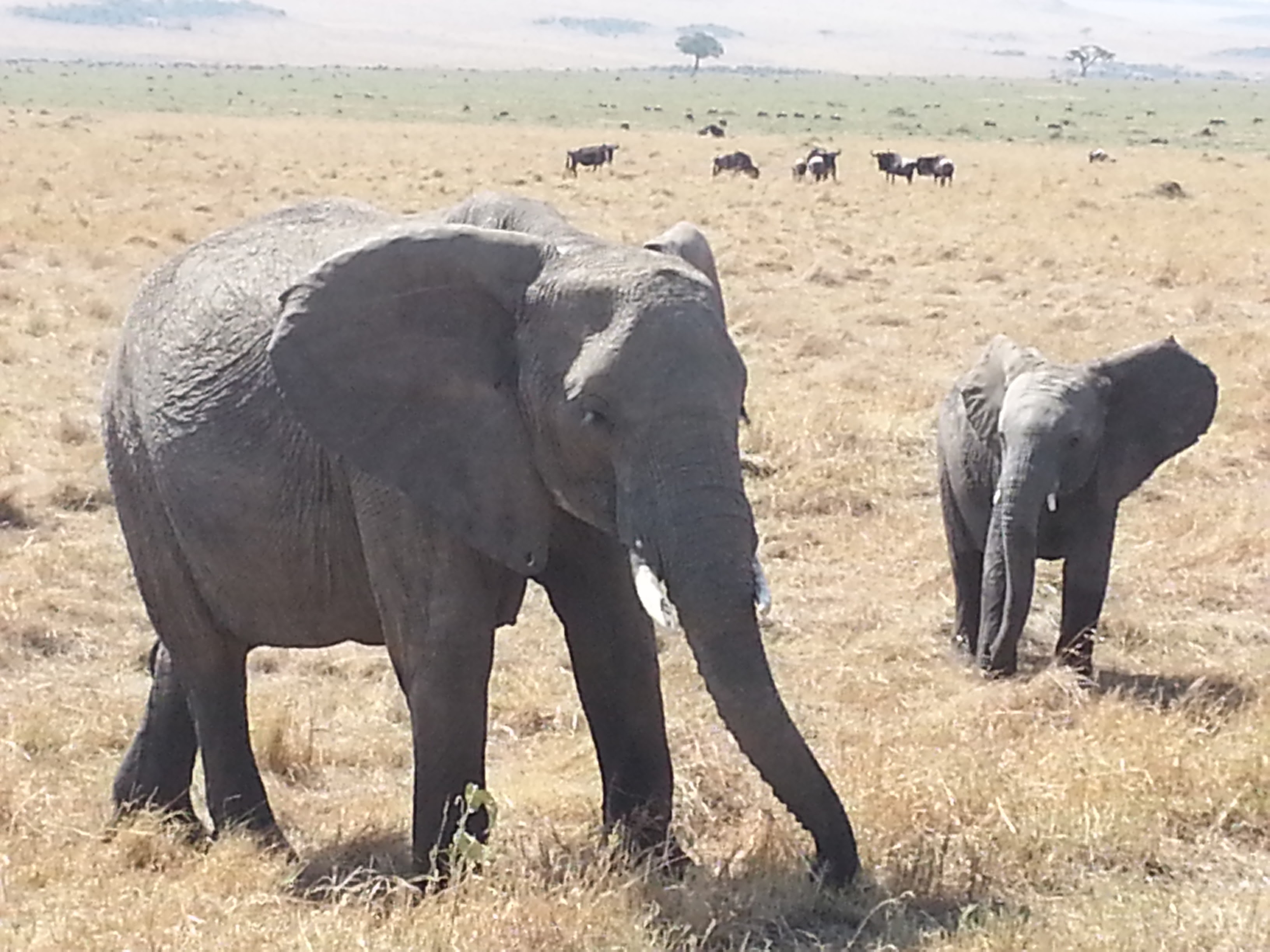
We camped at the private campsite, Dirisha, alongside the Mara River. Leopard, hippo, buffalo and elephant came into our campsite each night (the tent walls seemed thinner then) and the birdlife was amazing, too (including a rare Bar-tailed Trogan right outside our tent). It was a proper bush experience with no ‘facilities’ to speak of, emphasising the fact that we were in the real African bush, humbled by our defenselessness and respectful of the ruthless ferocity in the daily life of wild creatures.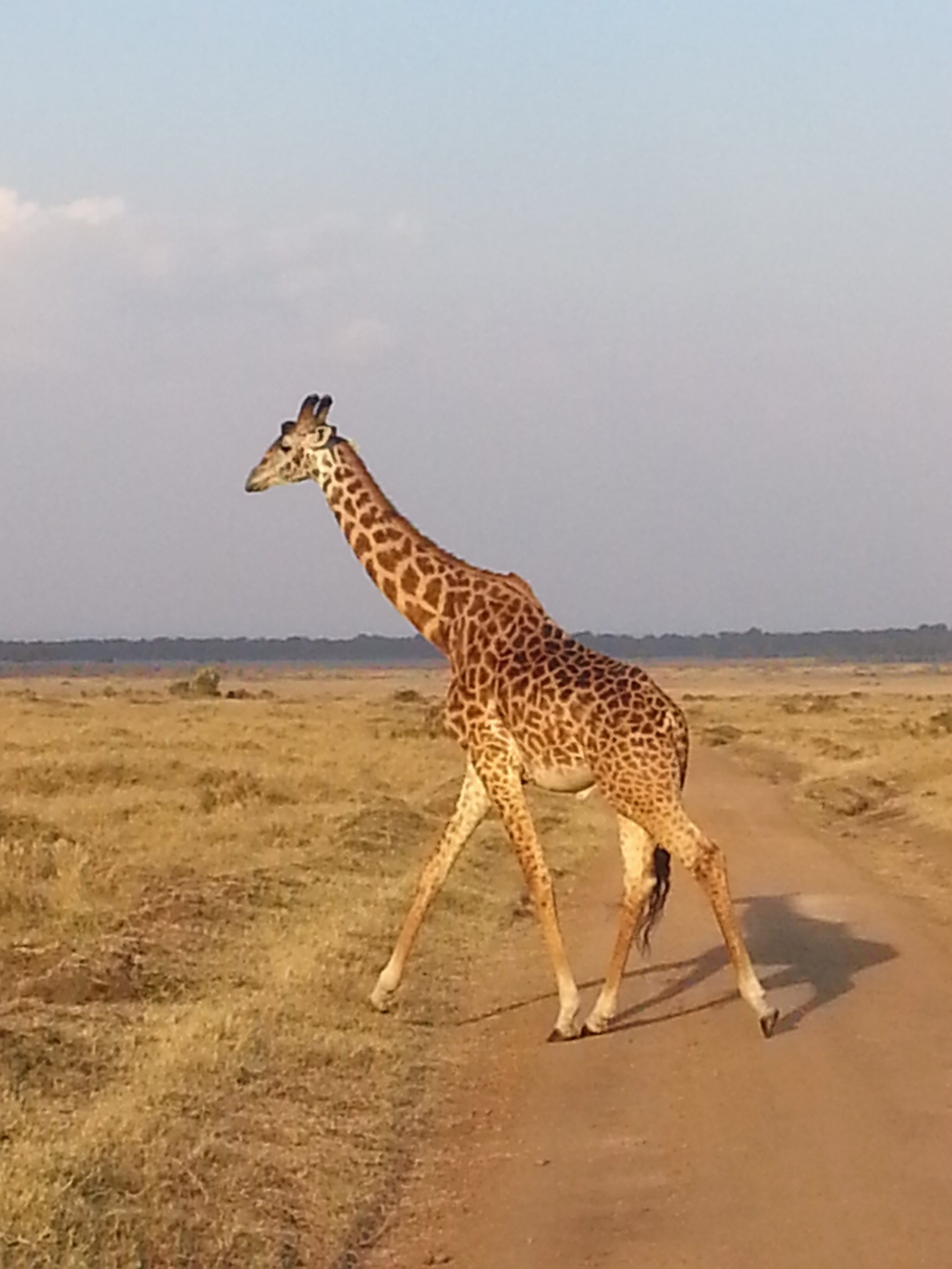
The week’s sightings also included herds as far as the eye could see (estimated between 750,000 and a million wildebeest alone), fat cats and scavengers feasting on carcasses lying everywhere, river crossings galore and even three black rhino fending off a pack of brazen hyenas. One hyena also tried to catch a comical Ground Hornbill, who casually walked away knowing its fearsome beak was enough to deter its attacker.
Little Governor’s
Most evenings we headed to Little Governor’s for sun-downers and water refills (campers cannot afford to be shy about essential needs like drinking water, even if the lodge was as posh as could be). Looking out over a small water catchment, the luxury tents are set in the cool of the forest and can see all the surrounding beauty from their beds. More than once, we were delayed in returning to our campsite by the 7 p.m. curfew because of the elephants that roam about the lodge within hand reach of the restaurant patrons, who are swiftly ushered away to the other side by the staff and have to wait patiently until the giants have moved off.
Once in a lifetime
At the tip of the Mara Triangle map, Little Governor’s is one of many lodges that does hot air balloon rides across the Mara – a spectacular sight as the multicoloured behemoths transport mesmerised passengers silently across the plains, often just a few metres above the herds on the ground below. A future bucket list item for sure!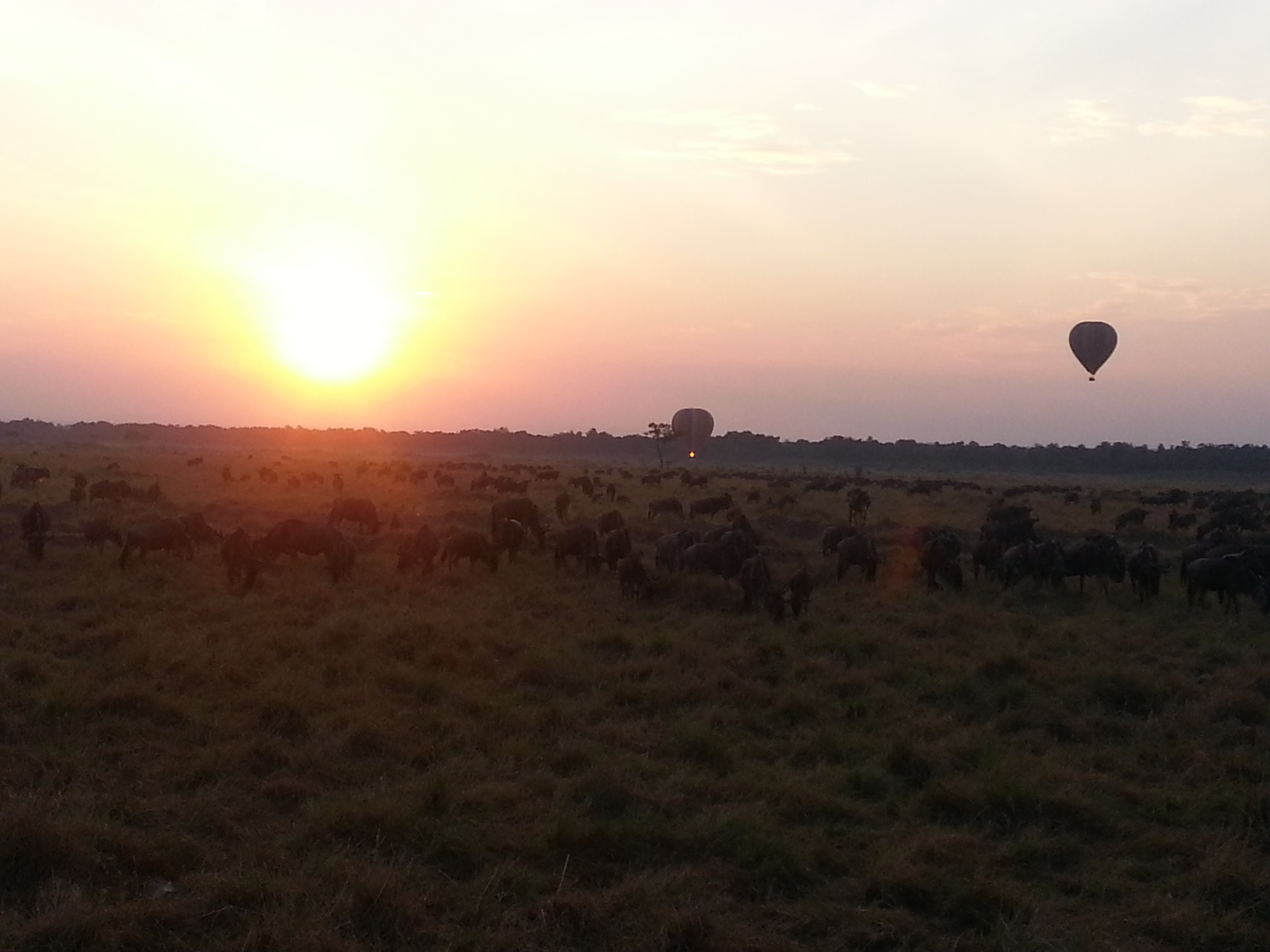
Honestly, this was one of the best weeks of our lives. To be able to have seen this phenomenon firsthand was an awesome privilege and an unforgettable experience – even for Travelinds who have grown up in the beautiful wild places of South Africa, travelled in tiny boats through the jungles of Borneo and swam with ocean giants.
 Masaai Mara – just wow!


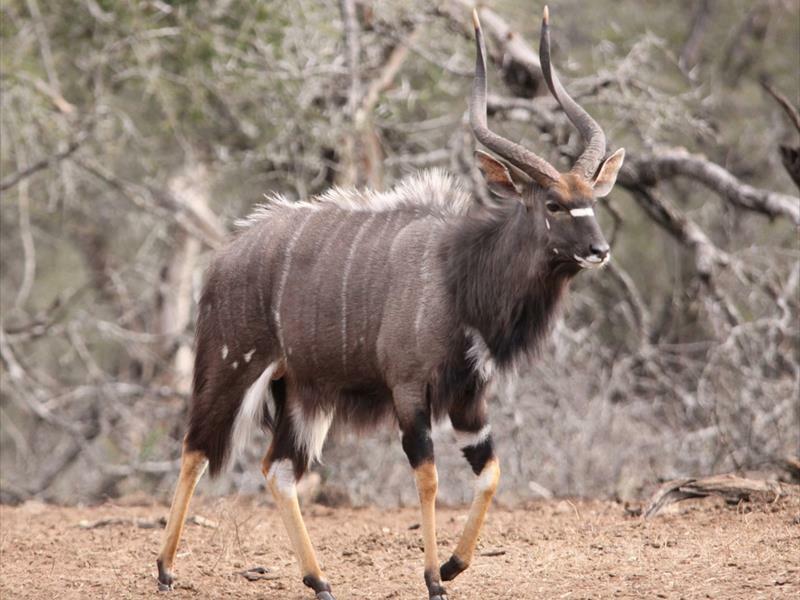 Nyala bull. PHOTO WIKIPEDIA
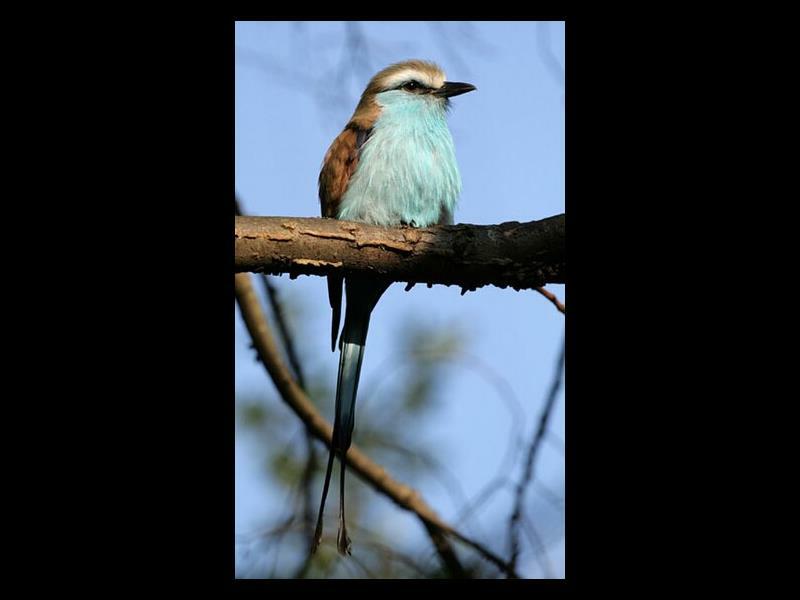 An example of a racket-tailed roller. PHOTO WIKIPEDIA