Tag Archives: aloes

Oribi Mom: Shifting Seasons (South Coast Herald Lifestyle Column)

What a gift it is to be able to pass the winters in such rich company.

July 4, 2023

There’s a definite shift as autumn fades on the South Coast. The grass starts turning brown, even with these strange storms every now and then that give it a boost of green for a few extra days.

When we look out over the valley to the opposite slope, the brown is obvious between the evergreen pines. But when you look at the canopy of the indigenous forest just below the house, it still looks as green as mid-summer.

Different Seasons, Different Visitors

But the stickiness in the air is gone now. And there are very different sorts of birds around the garden. The scarlet firefinches come out to hop over the short grass and through the thickets.

The toppies pair off and make a racket in the berry trees, competing with the clumsy mousebirds for the fruit. Even the Crowned Hornbills fly up from the bottom of the valley daily now.

The hornbills’ orange beaks glimmer in the sunshine as they noisily flit from tree to tree. They always look like they’re going to fall out of the sky and then pump their wings to lift their bodies again and again. It’s a very awkward flying style, and easy to identify if you can only see a silhouette against the glare. They’ve got quite a melodic sound compared to the screeching Trumpeter Hornbills, too.

So Much Colour and Life in Oribi Gorge in Winter

The Greater Double-collared Sunbirds are also fluttering about chasing off rivals so that they can sample the aloes in peace. The orioles are wonderfully vocal, too. They flash bright yellow with black heads, zipping right over our house as they disappear back to the safety of the forest in the late afternoon.

The kingfisher’s turquoise, the Amethyst Sunbird’s black, and the tinkerbird’s red dot are also daily gems. With all the colours, we rarely notice the brown grass or the dusty roads. What a gift it is to be able to pass the winters in such rich company.

Published here.

Oribi Mom: Hearing the Roar of the Waterfall

Apparently there is some special limestone-evolved skink here that researchers are trying to pin down.

It’s quite a struggle leaving home in the dark. Winter school runs require some otherworldly resolve to crawl out from under the covers. You must will yourself to get the small children dressed, fed, and half-decent for the day.

It’s also ridiculous how much colder we are in Oribi Gorge and Paddock than in town. Oribi Dad often leaves home in the dark with a fleece top and beanie and returns an hour later with a T-shirt and sunglasses. Why bother?

This weather is confusing, too. One minute it’s so dry we’re irrigating the baby macadamia trees and the next there’s giant thunderstorms ripping through our echoing gorge. They strike Eskom poles to leave the whole place off the grid, and not in that idealistic sort of way.

The Waterfall Roars After a Good Storm in Oribi Gorge

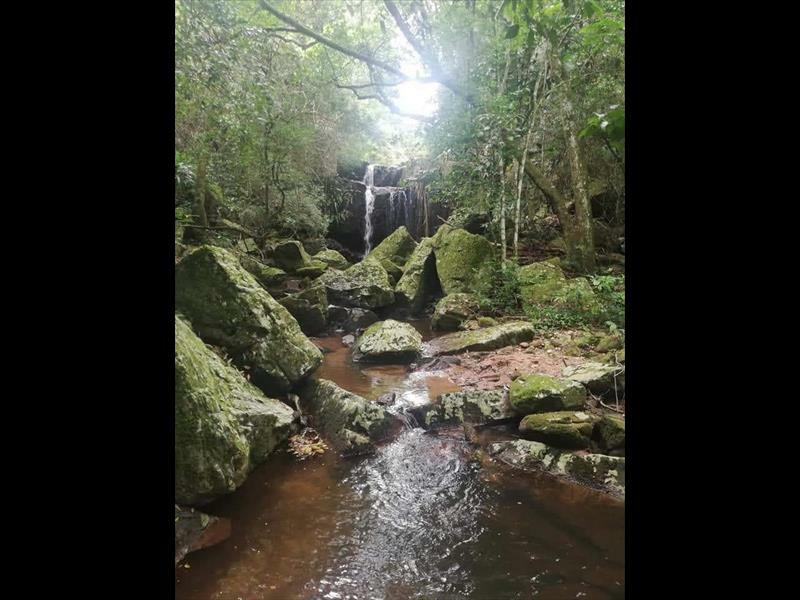
The waterfall below our house really pounds after that rain as the water drains from all the surrounding slopes and gathers in the streambed. It roars, much louder than the cane trucks. It’s louder than the UGU bus putting its accelerator flat on the floor to try and get up our winding gorge road without stalling. The waterfall is even louder than the tractors sometimes, and those whizz right past the house.

You can get to the bottom of the waterfall with some careful balancing and boulder-hopping off the rough trail. And once you do, it’s hard to describe the transformation. The cane, macadamias, and tea tree are far above you. The sounds stop, except for the birds. The bright sunlight doesn’t even make it down there into the moss-covered rocks and twisty skyscraper trees.

Down Into a Magical World Out of Sound and Time

I imagine that’s how Middle Earth’s elven forests must have been in the mind of its maker. It’s like you’ve stepped into a world of fantasy. But you still have to look out for the area’s rather impressive selection of dangerous creatures.

Even grumpy bushbuck aren’t the safest, though seeing them gracefully walking down the narrow bush trails is still spectacular. Apparently there is some special limestone-evolved skink here that researchers are trying to pin down. I’m yet to find it. But there’s still time.

Maybe the dark, cold winter mornings aren’t the most enjoyable part of family life on the farm. But the beauty and diversity of this place makes up for it in a big way. And the aloes, now those are always a great reason to look forward to June on the South Coast, aren’t they?

Published here.