South East Asia has given us so many fantastic experiences and an abundance of special memories that we will always cherish. The travelling is not always easy, but it is always worth it; especially when the rewards are life-changing realisations about the world in which we live. Here are our first 10 tips for travelling in South East Asia (Part One):
- Prepare for rain all year round. Always take a small fold-up poncho wherever you go,
- Prepare for sun, even when it’s cloudy. Wear sunscreen all the time, even on cloudy, rainy or cool days.
- Hydrate. Stick with bottled water or refill your bottles at a local filter machine (usually coin-operated). Hydration also helps to keep you healthy and energetic during your vacation; this is especially important on long-haul flights.
- Everybody loves American money. Take some US dollars with you for emergencies.
- Put on your poker face. NEVER take the first price. BARGAIN EVERYTHING to at least half, or even a third of the starting price (except for restaurants).
- Yes doesn’t mean yes. Don’t assume that you have been understood if people say ‘yes’ – check the details and insist on written agreements for financial transactions (unless you don’t care).
- Understand the cultural differences between east and west. Don’t get upset if things don’t turn out exactly as you requested, due to some miscommunication. Asian culture often dictates that problems (like missing ingredients from the menu, or the room cannot be cleaned because nobody is on duty) are to be avoided or denied, but never confronted . The end result often being that things just aren’t done or delivered as ‘agreed’ (you WILL have an omelette, because there are only eggs in and there is no bread today in the kitchen; and the room will not be cleaned today) and the tourist is left confused, angry or irritated. Let it go. There are more important things in life.
- Remember – you are the foreigner. Watch where you put your feet in the ocean (or better, just don’t put them down), there are urchins and jellyfish and other things in the sand (I usually wear a rash vest if I’m going to be swimming a while).
- Learn from previous experience. Use the TripAdvisor app (with WiFi) to check for reputable restaurants, hotels and attractions in the area. Contribute honest reviews to TripAdvisor when you’re done. More reviews = more information = better decisions for future travellers too! NOTE: On the rare occasion, the reviews don’t do a place justice but, for the most part, the overall consensus of 98+ reviewers for a particular setting can’t be that far off the mark. It’s still only a guideline.
- Fly AirAsia – a low-cost Malaysian airline that has some great deals on flights all over South East Asia. Use the app for easy reference. For most budget airlines, do remember to pay for the checked luggage when you complete your booking online (not when you arrive at the airport, as this works out to be way more expensive). Cebu Pacific has also been a great airline for us around the Philippines.

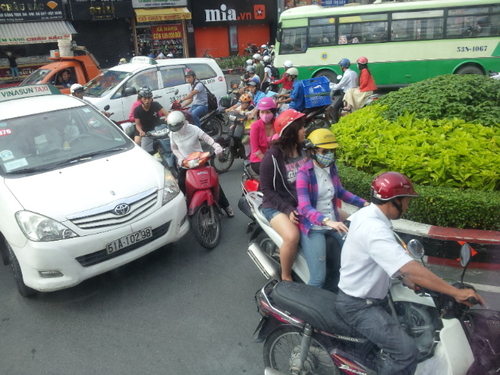 We stayed in the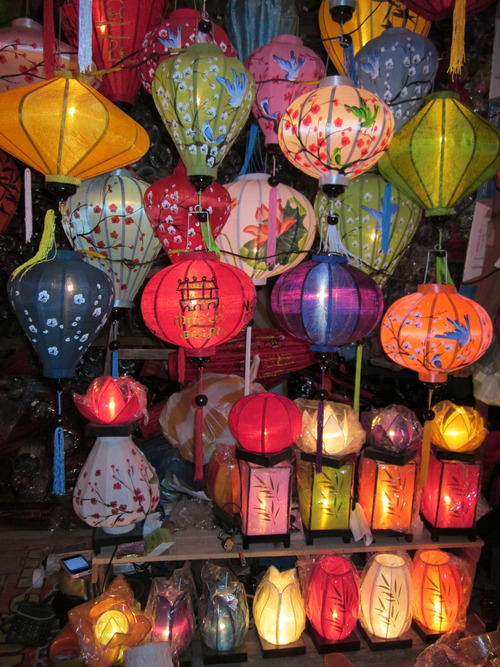
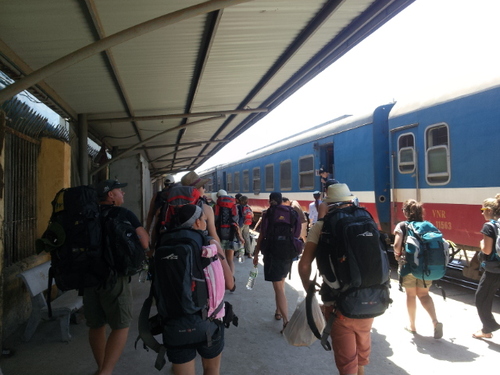
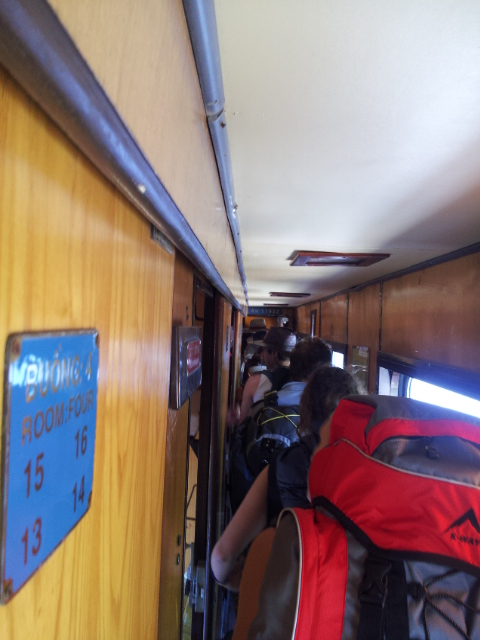 Like the curious travellers we are, Travelinds had read all about the train travel in Vietnam and figured this would be a great way to see the country.


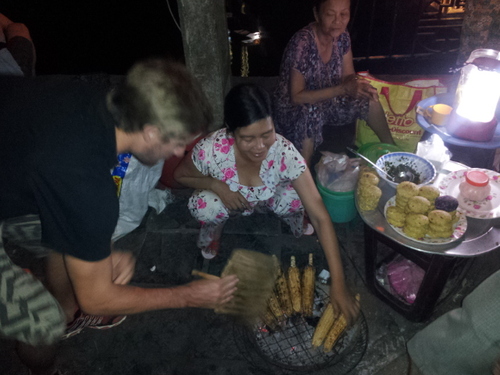
 The whole appeal of Vietnam lies not only in the sandy beaches or the vibrant culture, but also in the delicious and varied cuisine.
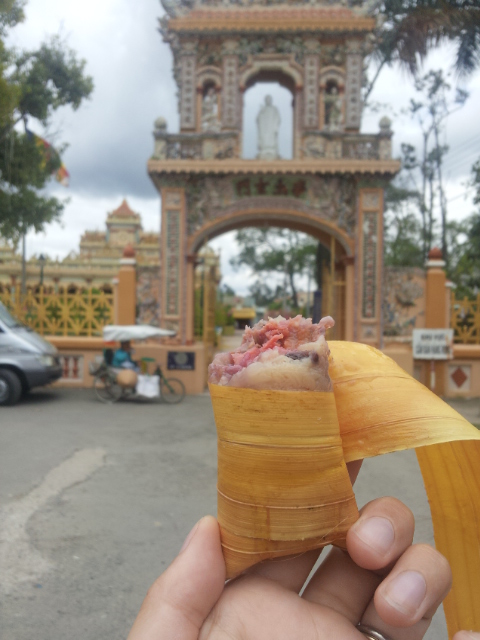 Vietnam is also infamous for its dishes bordering on weird and disgusting (to the unaccustomed palette only, of course) like Balut (19-21day old whole birds still in eggs, including quails), all kinds of animal blood, entire pigs (including ALL parts), snake-scorpion rice wine, dog and snake.
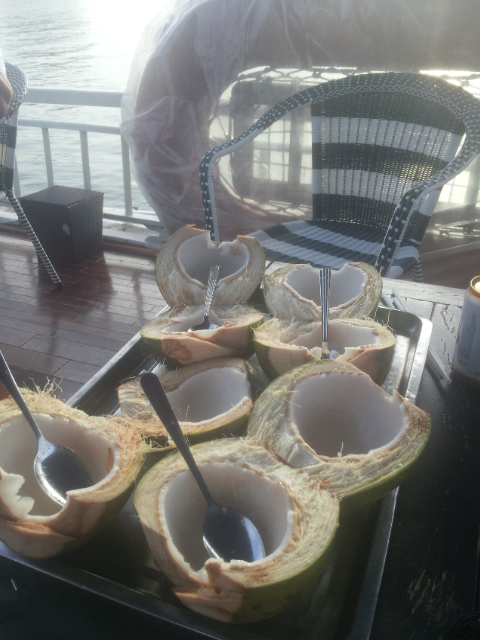 According to
  While on our day tour to the Mekong Delta, we were privileged to watch the preparation, cooking and wrapping of special coconut candy (like soft toffees wrapped in rice paper), which was specific to that region in Ben Tre. It was made very much like fudge (or toffee) by first grinding the coconut (flesh and outer coating) to a fine powder, then boiling the mixture of malt, sugar and coconut powder in a large skillet over the fire.