The Brinze Kylene Expedition

May 2016

An amazing end to life on some Philippine islands, our Brinze Kylene expedition took us from San Miguel, Linapacan and ended at Sibaltan on the Palawan mainland.  Read about how we came to meet them here.

The Hosts

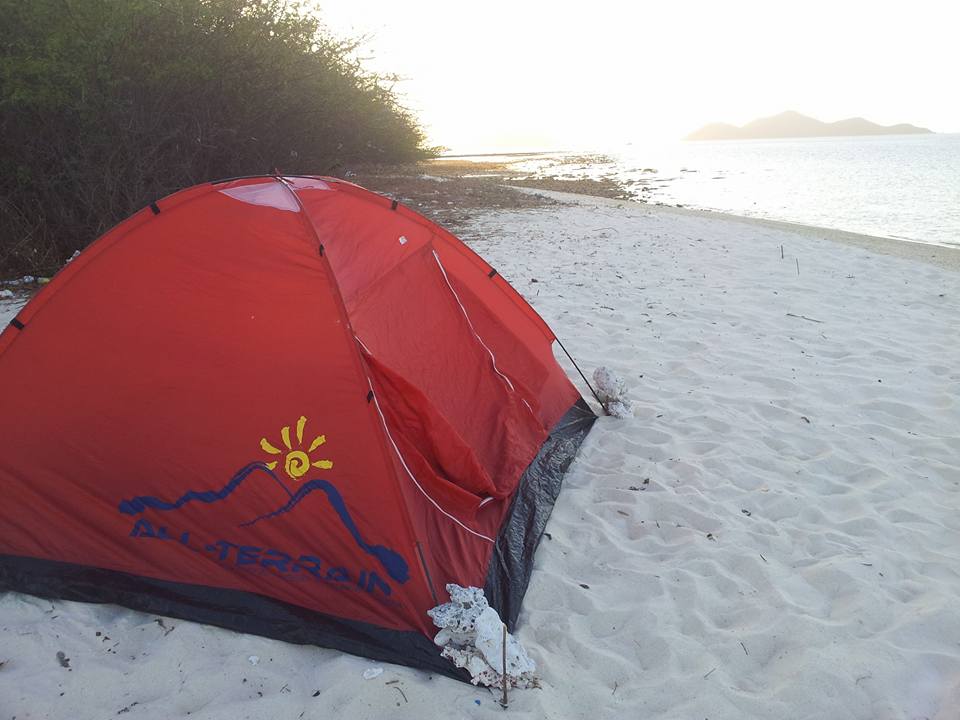
Our hosts Benji and Maileen were entertaining and hospitable, looking after us throughout our stay in Linapacan, as well as on the island hopping tour.  Their service was phenomenal and so much fun. Their crew, Midel and Guerrero, seemed to have limitless energy and kept the boat running smoothly through the whole trip.  They cooked for us, put up and took down our tent, found us the most exquisite coral reefs along the way and entertained us each night around an impressively large bonfire.

The Boat
13233135_10154430961021992_3579010132289694508_n

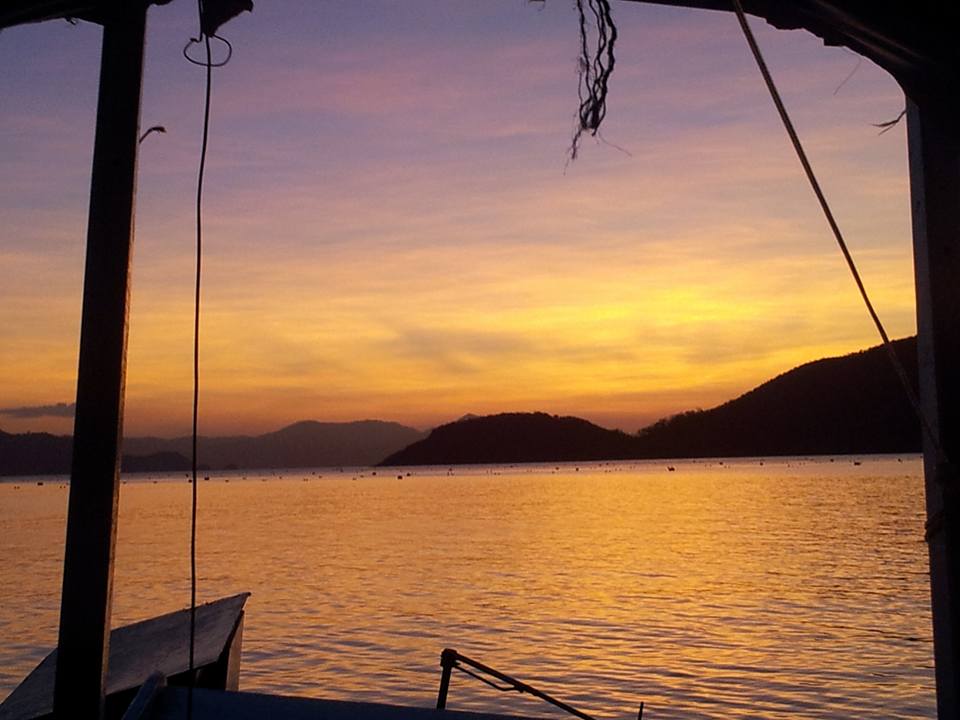
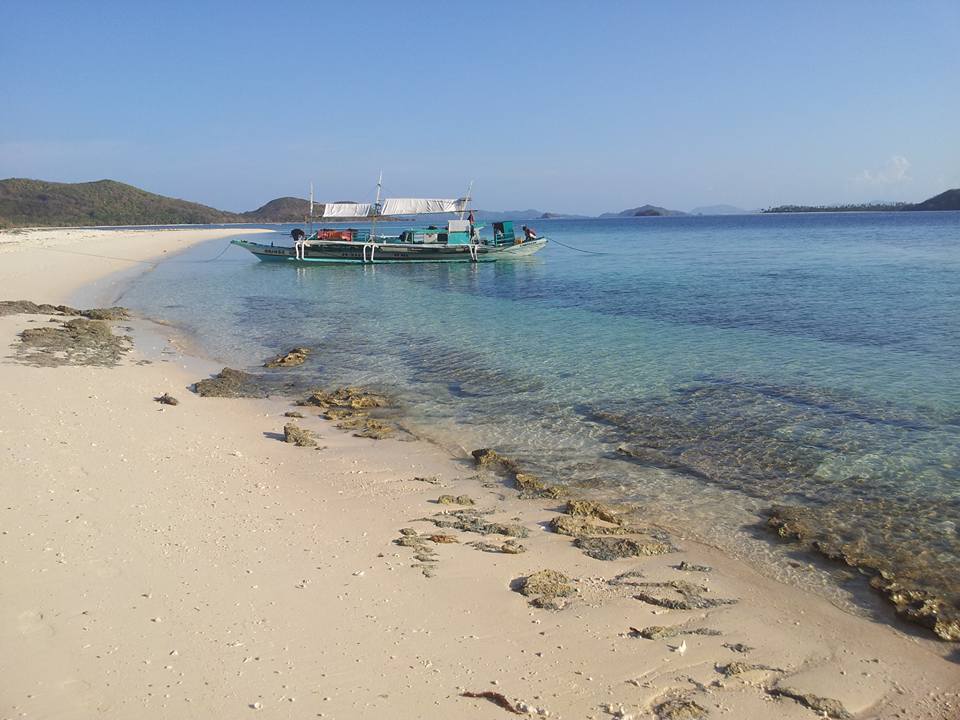
Since we spent most of our time on the boat, it serves that it was rather comfortable and well-equipped for such a simple carrier.  Described as a catamaran-style with balancing beams on each side, it had benches, a small cabin, a tarpaulin covering, a ladder to get out of the ocean and a small boxed-in toilet and wash area.  Downright luxurious in terms of the local fishing boats!

The Food

Every day in the Philippines is another chance for fish and rice.  Different fish, mind you, but fish all the same and rice to fill in the gaps.  We loved the fresh seafood and feasted on lapulapu, barracuda, squid, white fish and tuna – all barbecued over a fire and served with a decent portion of sticky white rice.  Every now and again we ate the precious commodities called vegetables (cabbage, carrots, tomatoes, peppers and cucumbers) and this was a real treat for the locals and for us as availability is scarce.

13230172_10154430943261992_8846434460380865170_n
The three kilogram barracuda we bought from another fisherman.
Fish
Lapu Lapu fresh from the ocean.
13239469_10154430943306992_2662602046951273251_n
A peacock mantis shrimp that we caught and ate!

And Most Importantly, The Islands

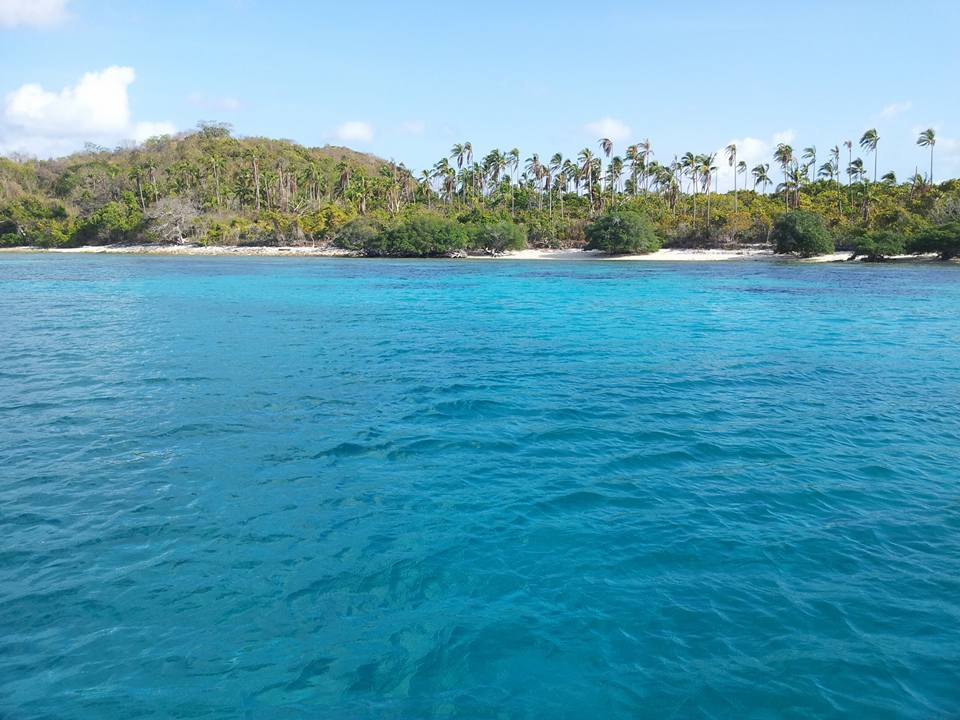
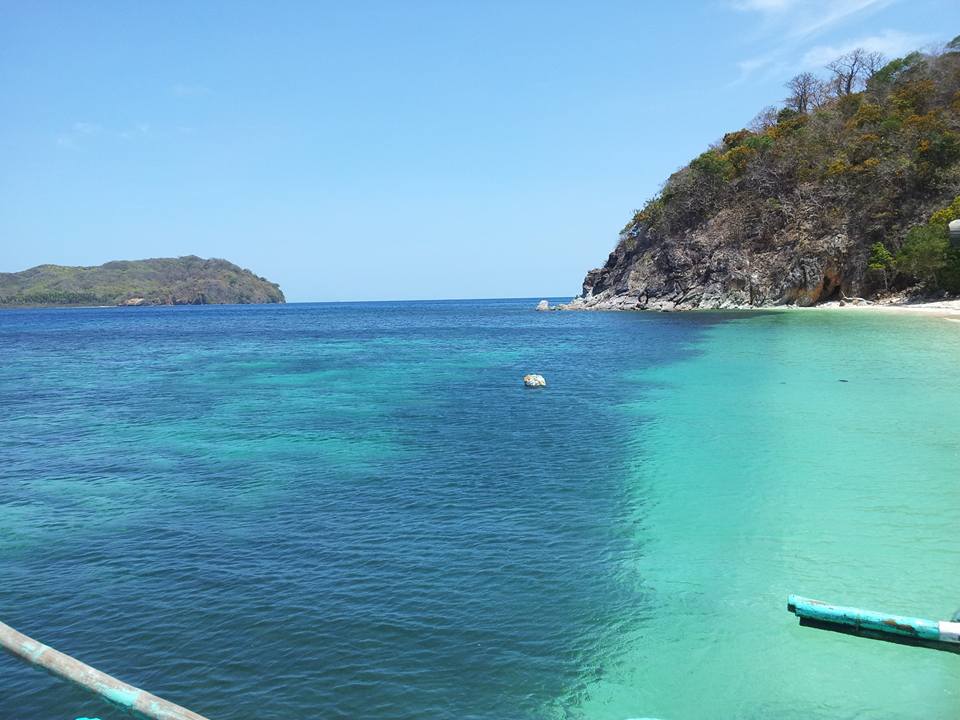
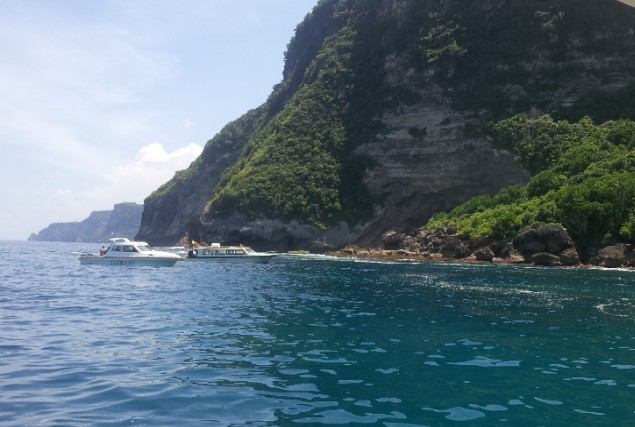
The archipelego of 54 islands is hard to describe because each one is slightly different to the next, sparkly, beautiful, rugged and unspoiled by industrialisation or development.  We lost count of exactly how many islands we visited in the end, but managed to go at least 15 islands on during the 4-day trip.

Linapacan is said to have some of “the clearest water in the world” – we believe it! Check it out.

Here was the itinerary:

  • Day 1: Leaving from San Miguel, to Dimancal (check out Karel’s tent resort here),  Bolina, Manligad, Asis and Cagdanao (first island camp spot)
    • The island across the bay, Balenben, had island huts available for rent at 300 Pesos in a fantastic reef area.
  • Day 2: Manlihan, Cala-cala (spelt Lacalaca) and Takling (second island camp spot)
  • Day 3: Calibangbangan and Magransing (third island camp spot – the most beautiful place we have ever seen!)
  • Day 4: Pical, Mausunon and ending at Sibaltan (mainland Palawan)

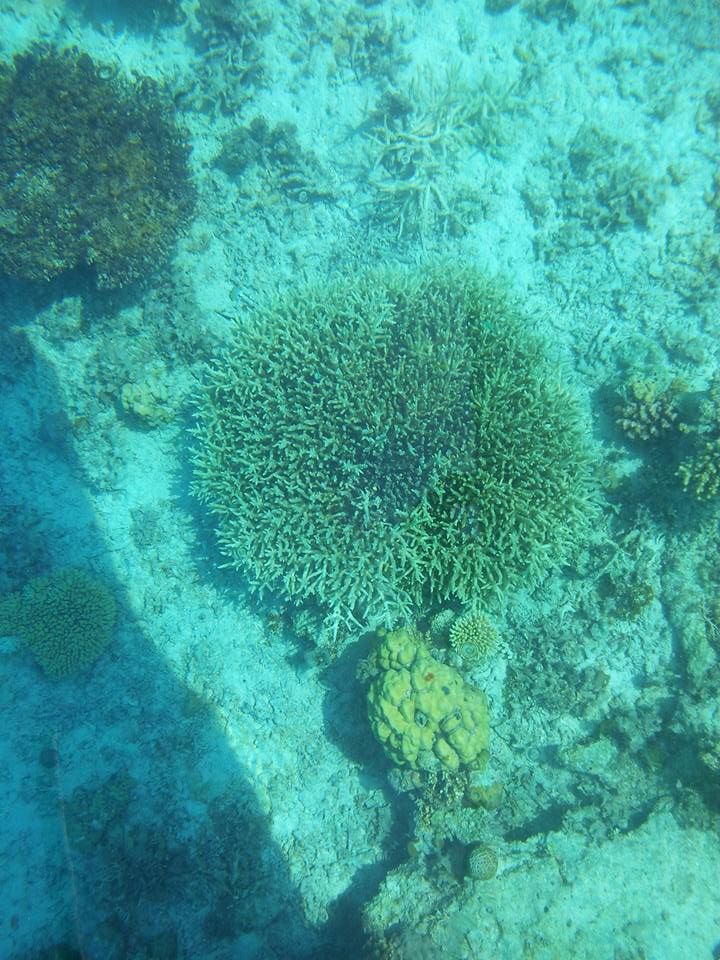
Each had coral reefs right off its shores and were almost guaranteed to be completely deserted.  Besides, don’t these pictures (from a humble camera phone) make you want to go there right now?  Call Maileen and Benji for an adventure on the Brinze Kylene!
13256446_10154430964386992_864560569200618743_n 13233134_10154430963356992_5743393770436027982_n 13226857_10154430942941992_6455827766503536829_n 13226657_10154430942141992_3771460138809989361_n 13263772_10154430935351992_2028392100685053319_n 13254277_10154430933981992_5199705393310428547_n 13256455_10154430934231992_8859874114631069839_n 13254162_10154430963466992_2960169019087778134_n

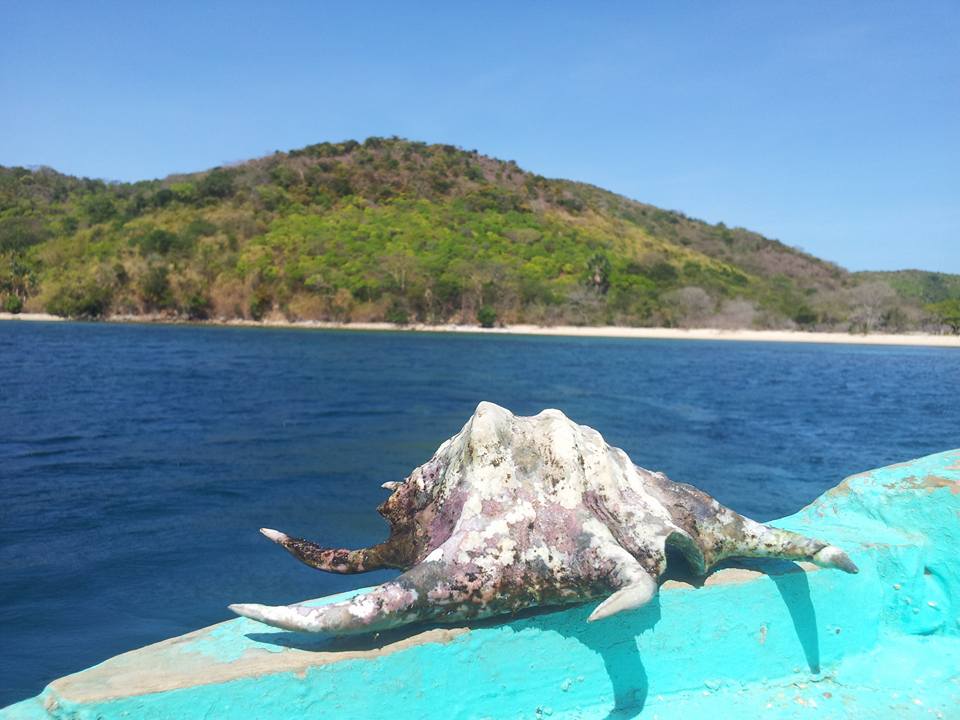
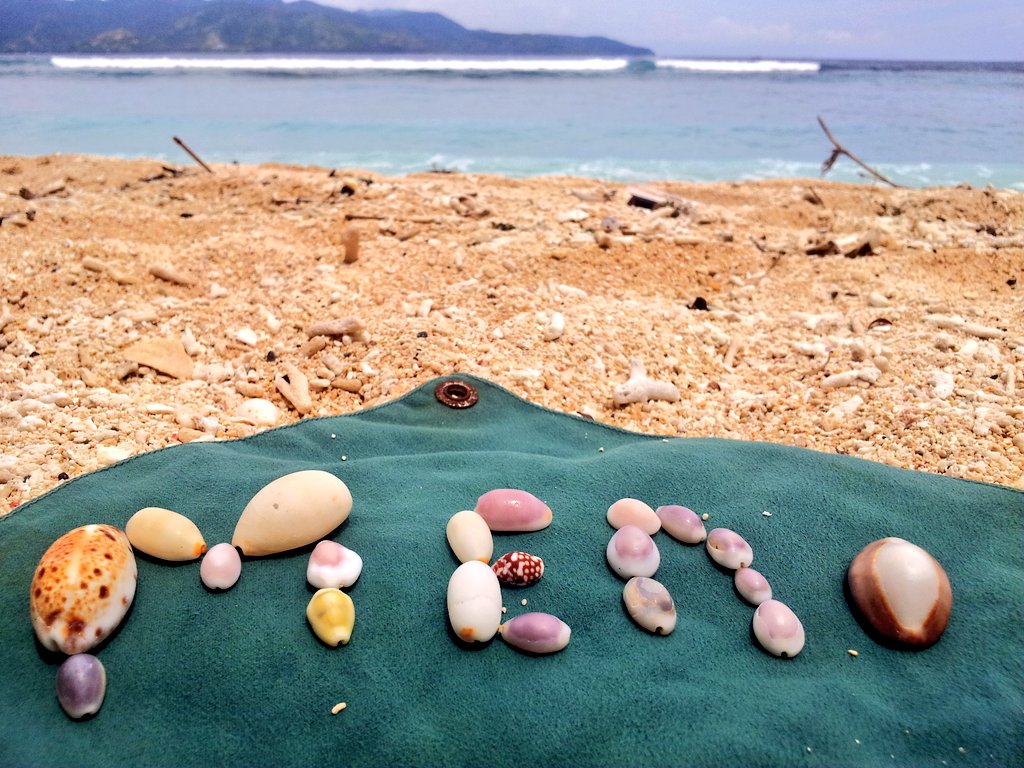
Philippine Shell

Linapacan is well worth your time – wow!  What do you think about Palawan?
 

Gili Meno Bliss

April 2016

Gili Meno – 10 days of bliss.

“…a series of swims, naps, novels, games, walks, talks and snorkels with turtles…”

We could end it there, but hopefully some elaboration will convince you that Gili Meno is really worth the effort.

The Gili Islands

When people talk about ‘The Gilis’ they are generally referring to the three tiny Gili islands off Lombok’s northwestern shores (between Bali and Lombok).  Gili Trawangan, Gili Meno and Gili Air have become a tourist hub for those searching for a slightly different experience than what mainstream Bali has to offer.

2016-04-11 12.26.42

Gili Trawangan (furtherest from Lombok) is the main destination for those party-seeking young backpackers looking to get lost in the endless sounds of deep bass reverberating off the gentle waves.  Being the gentle travellers that we are, looking to enjoy natural beauty and soak up God’s amazing creation, Gili Trawangan was the only one of these three that we did not spend time exploring.

Two night on Gili Air, a mini-version of Trawangan (closest to Lombok), was definitely still relaxing and the snorkelling was lovely off the north shore.  The Matahari Bungalows did not have a sea view, but were still beautifully finished and well worth 300,000 IRP (including breakfast).  Turtles, eels, a ray and a living cowrie were just some of the spots snorkelling off the northern beach (near the Gili Air Wall).

Please note: The management photo on TripAdvisor does not reflect the Matahari bungalows (it shows the beachfront Gili Air Hotel pool with umbrellas which is on the northeastern side of the island).

There are also countless other Gili islands all around Lombok, some inhabited by local Sasak tribes and others not.  We did not have enough time to explore these other Gilis or find ways to get there, but it certainly would be off the beaten track from regular tourists.

2016-04-19 06.25.00

Meno is awesome

Gili Meno is the middle island, the quietest and the smallest of the three Gili islands. It is difficult to describe how much we loved Gili Meno – so much so that we decided to spend a full ten days here right off the bat.  Tranquil island life surrounded by natural beauty and the most stunning coral reef almost right around the island, easily within reach from the beach on every side.

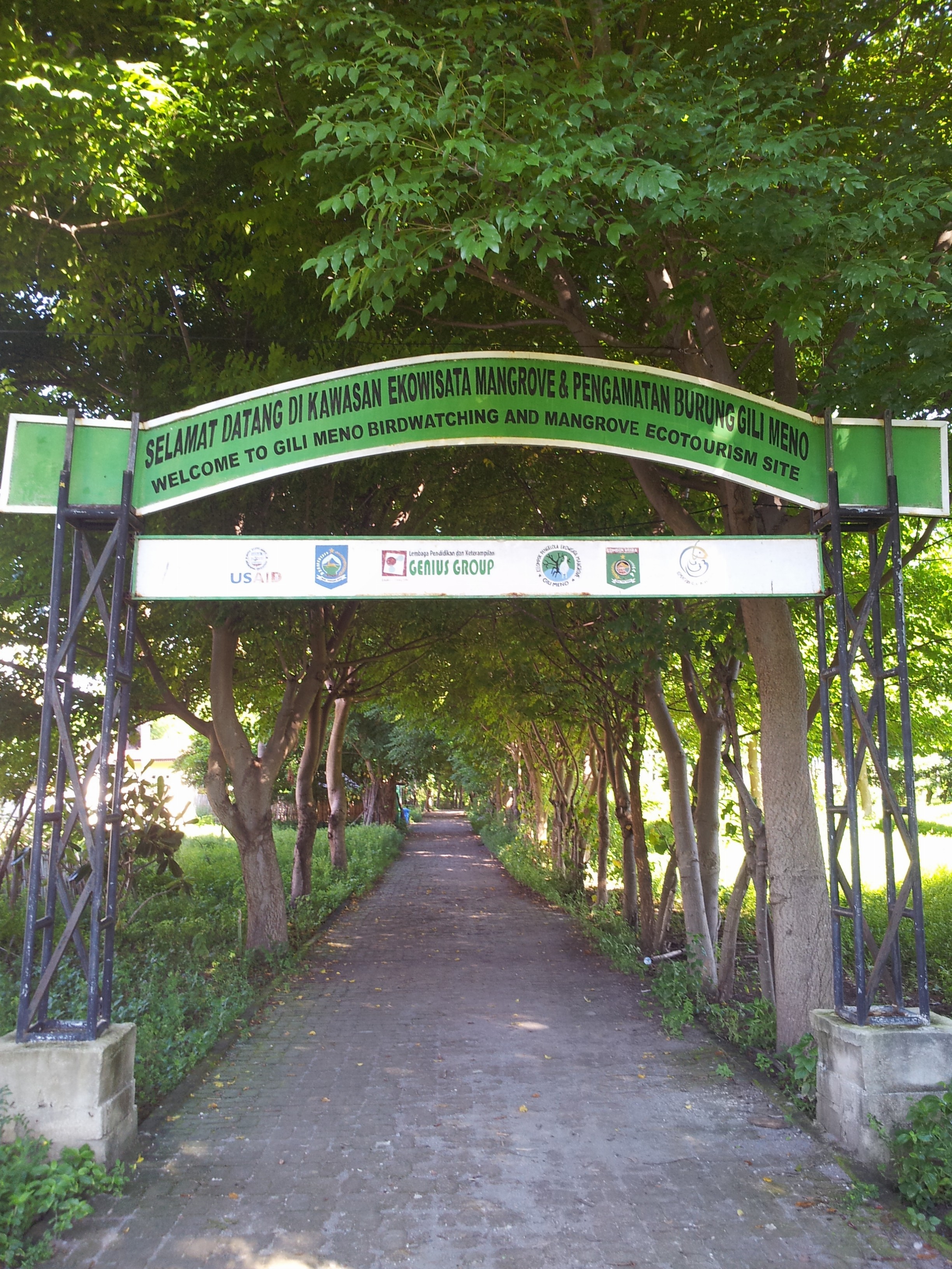
2016-04-18 08.59.19Focussed on preserving its natural assets, Gili Meno boasts a shallow lake (a mangrove conservation area teeming with birds, monitor lizards, Fiddler crabs and golden orb spiders), a turtle sanctuary, a tiny port and a handful of laid back locals and their horse carts.  The few lodges, resorts, bungalows and homestays dotted around the island are far enough from each other to give some privacy, but close enough to take a quick walk to find meals.  The beach is at most a 10-minute walk away, in any direction.
As on the other islands, and mainland Lombok, the mosque leads prayers five times a day (if there’s electricity); and most times on Gili Meno it’s the island’s children that take turns at the microphone to practice their chants.  The islanders are friendly, hospitable, hard-working and always ready for a chat about life in Indonesia.  Enterprising and proud of their island, the people are invested in protecting the environment and using tourism in a responsible way (always great to see).  It was also interesting to hear mention of an aquaponics documentary that was filmed at the Gili fish farm (somewhere out in the ocean) that the locals go to about once a month on rotation.

Life on Gili Meno is also slightly cheaper for tourists than the other two islands.  We were spending about 175,000 IRP per day (for two of us) including accomodation (with breakfast), one other meal and activities (which were free, because we snorkelled right off the beach).

Adem Ayem Homestay

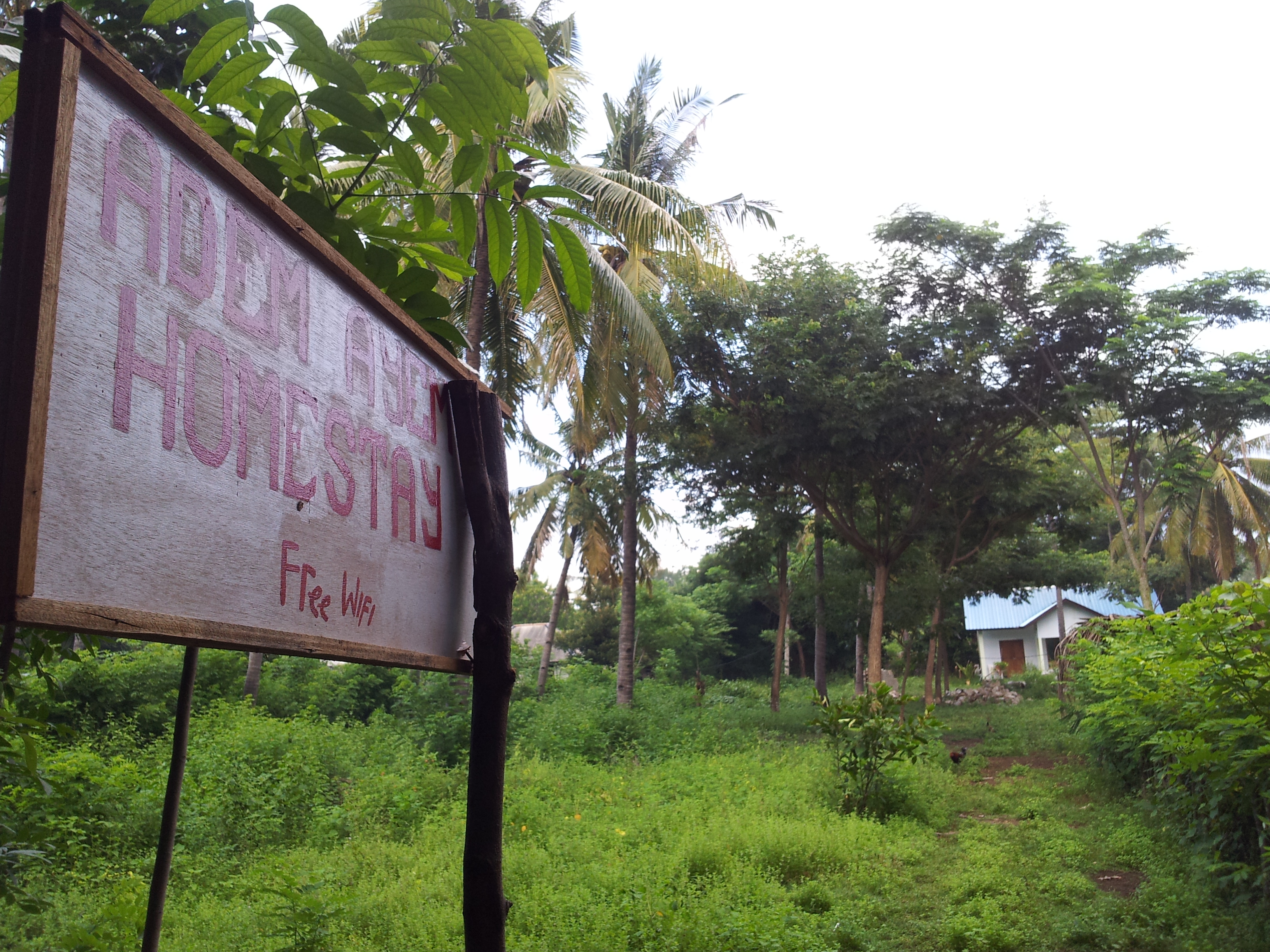
2016-04-19 07.31.17We had an awesome stay at Adem Ayem Homestay (the neighbouring plot to Nura Homestay) in the middle of the island.  For only 150,000 IRP a night (low season) there is a wonderful air-conditioned room with en-suite bathroom, free WiFi and porch (and this includes a delicious breakfast from Mama Nura, too).

Nura Homestay is right next to the Mosque, so you’re up at sunrise, however, being a quiet island, we were in bed early too so our days in the sunshine were longer and fuller to enjoy.

Restaurants and Resorts

Gili Meno has quite a large range of restaurants for such a small place and we ate like kings.  Indonesian fare is common but there are also a few other types of cuisines on offer.  For both cost and authenticity, we stayed with Indonesian dishes and enjoyed curries, nasi goreng, mie ayam and other tasty food – read about Indonesian cuisine here.  Our favourite restaurants for the week were Pojok No.5 Star, Two Brother’s, Warung Gratis and Warung Be Family, none of which are on TripAdvisor (these are mostly in the middle of the island as the beach restaurants cost slightly more). On average, we paid about 25,000 IRP per meal per person.

Secret Spot

Each day we went out to explore the island and find a perfect spot for the day.  Armed with some of the Travelinds Top 10: Beach Travel Items we found a few fantastic places to plonk down and delve into our books, naps and snorkelling hours each day.  Life on the island was a series of swims, naps, novels, games, walks, talks and snorkels with turtles – as it should be. Fantastic!

The one spot is a bit of a secret, but we’ll happily share it so you too can enjoy the peace and quiet of Gili Meno under a shady spot, at the perfect entry point for the stunning coral reef, where we saw turtles every single day! Head along the beach towards the Mahamaya Boutique Resort from Diana Cafe.

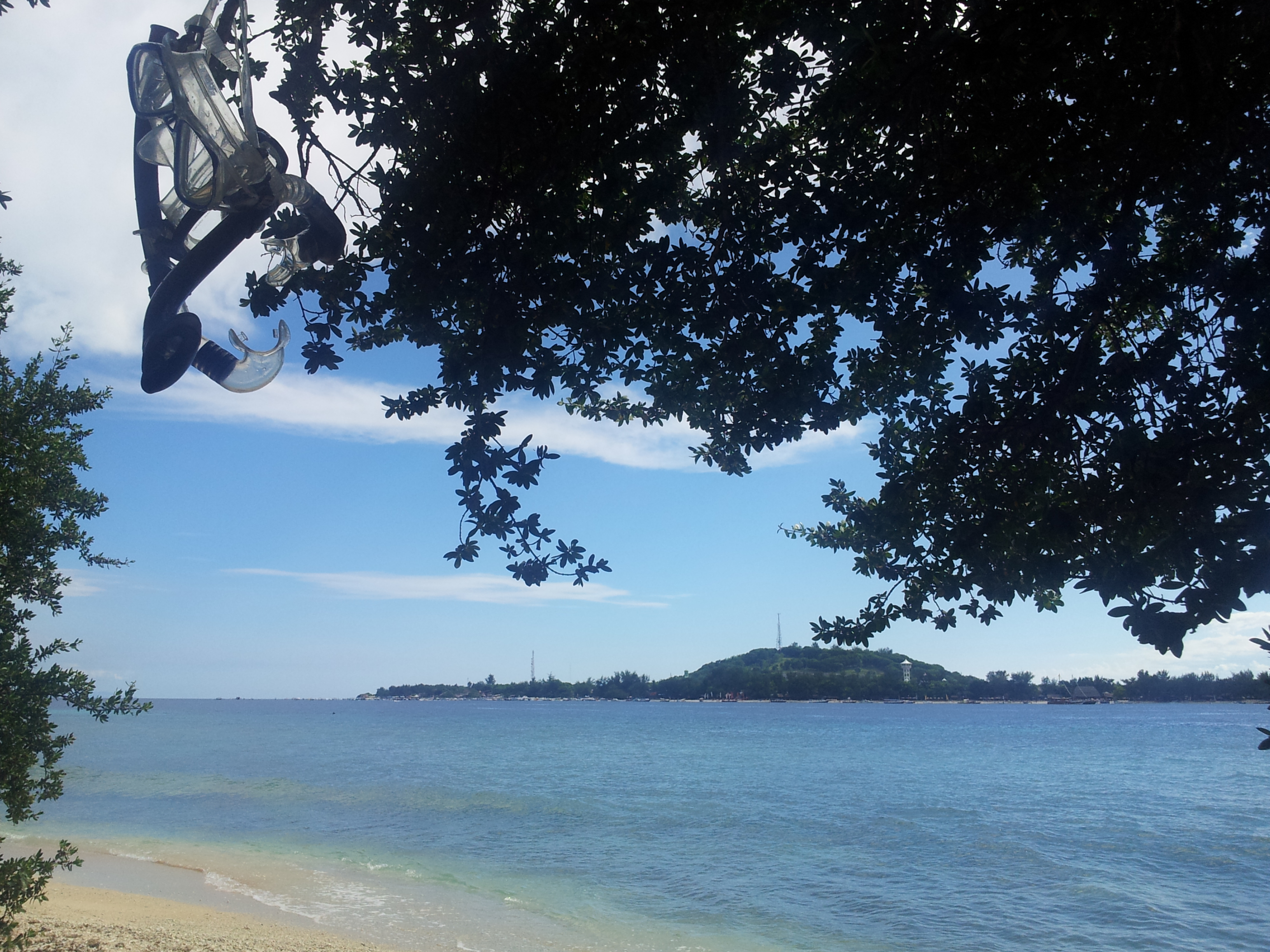
Just before Mahamaya, you’ll see a huge bush on the beach with a shady spot inside it.  Tucked away from the sun and the tide line here, it is possible to spend hours and hours reading, sleeping, relaxing and swimming – and hang up your snorkels and sarongs on one of the tree branches when you’re done.

You’re welcome!

2016-04-16 15.25.58
Secret Spot view of Gili Trawangan. This reef (30 metres out) is where we swam with turtles everyday.

Getting to the Gili Islands

The Gili Islands are relatively easy to reach from Bali or Lombok, but you will need to set aside some extra time if you are not taking the fast boats.  The options are:

  1. Fly to Bali. Take a shuttle with fast boat (a shuttle to Padang Bai and then a fast boat) to the Gili Island of your choice.  Book this at any travel agent or online.  We paid around 300,000 IRP for this service from Gili Air to the Bali airport.
  2. Fly to Bali. Take a public ferry from Padang Bai (to Lombok – about 5 hours). Take a van/bus to Bangsal Harbour (2 hours). Take a ferry to Gili Islands (half an hour).
  3. Fly to Lombok (from Bali – we paid 150,000 IRP with Lion Air). Take taxi/bus to Bangsal Harbour. Take a ferry to Gili Islands.
    • We used Option 3 since we spent a few days on Lombok before heading to the Gili Islands.Snowflake Moray Eel washed up on beach

Have you been to the Gili Islands? What was your favourite thing about the islands?

Lombok

April 2016

Greetings from Lombok – the lesser known neighbour to the east of Bali, Indonesia. It is best known for its variety of white sandy beaches and the tremendously imposing Mount Rinjani – Indonesia’s second highest volcano!  After ten days in Bali, we spent five days exploring southern Lombok before heading north to the Gili islands.

Fly, fast boat or ferry?

After doing a bit of research, asking around, weighing up our time constraints (or lack thereof) and thinking about the perpetual “comfort versus cost” debate, we finally decided to fly from Bali to Lombok.

There were several reasons: it was the second cheapest option (the ferry is the cheapest), it was the most convenient for where we were going (to Kuta, South Lombok) and we didn’t really think a (minimum) 5-hour public ferry ride from Padang Bai (Bali) was warranted when we already had a lift back to the airport organised (in the opposite direction).

The flight with Lion Air cost 153,000 rupiah each and took 30 minutes. It was so short, the pilot only switched off the seat belt sign for about a minute before announcing that we were descending and had to put it back on again.

We took the fast boat when we returned to Bali airport from the Gili Islands – read more here.

13173647_10154402560556992_4218943018923564598_nBeach Paradise

The beaches in southern Lombok are awesome – long white stretches of soft sand along varying degrees of turquoise, cobalt and aquamarine oceans.  The two main beaches we biked to were Tanjung A’an (10 minutes from Kuta) and Mawun (30 minutes from Kuta).

Tanjung A’an

Tanjung A’an beach was a lovely two-day spot. The beach swings right around to the other side of the stunning blue bay that sparkles in the sunlight; a great reminder that Lombok is really beautiful and almost untouched compared to its touristy neighbour, Bali.

Mawun

The favourite destination of our five day Lombok exploration was Mawun Beach – about a thirty minute drive west of Kuta.  Taking the motorbiking up, up, up the steep hills towards amazing views of palm groves and endless white beaches below, we sailed through heat and rain alternately, got soaked to the bone and tried our best to miss the muddy potholes; and then flew down the other side of the hills down into valleys of stone-cutters, red quarry sand and rice paddies.  Once we’d almost missed the Mawun turnoff, we hit the beach and knew it had definitely been worth the numb behinds and gravelly roads.

An exquisite bay of blue green water shone all around us, rimmed by a wide sandy beach and framed by palms and shady trees to keep the scorching sun from grilling us too badly.  Small fishing boats dotted one side of the bay near the village, only enough to make it picturesque while still having the beach to ourselves.13179406_10154402558806992_431716156711418826_n

Mawun Talent

Jacky, an enterprising fourteen-year-old Sasak Indonesian boy, kept us entertained for a while as he tried his best to sell us a fresh, juicy, sweet coconut for 15,000 IRP.  His family owns the small restaurant where we parked our bike and ate lunch.  He spoke to us for about an hour about life and Indonesia, wiling away the hours of his school holidays and hoping to make some pocket money from us as two of only six tourists on the whole of the beach.  Eventually, Jacky tricked us and we relented by playing rock-paper-scissors (his brilliant proposal that we couldn’t refuse was that if we won, we paid 10,000 IRP and if he won, we paid 20,000 IRP, an exorbitant price for a beach coconut in his eyes). We lost. Jacky won.  The coconut was delicious.

Homey Homestays

13006683_10154364264076992_5415122837205001112_nTalim and Fathima of T&T Homestay looked after us for the time spent in Lombok.  Pancakes for breakfast, free tea and coffee, friendly conversation and free advice about travelling around Lombok itself.    The rustic home stays in Lombok are clean and comfortable; and even as a tourist visiting this close-knit community one can observe and participate in the daily life of the hospitable Sasak people of Lombok.

The family showed us how they chop down the palm trees (by hand) to make way for the extensions on their home.  They eat the top of the palm tree (a thin white bark in the centre that tastes sweet) and rescue any baby birds they find up there, too (whether this is to eat or to raise was not specified…)

Rescued baby birds from the top of a palm tree.

Roy Homestay, a slightly bigger place with air-conditioned rooms available, was good for the night that T&T Homestay was full and we would have stayed longer if there was time.  Both home stays served a delicious pancake for breakfast and assisted us with booking vans, motorbikes or taxis where needed.  There were also laundry services available at a reasonable price per kilogram.

Moto Power

A forlorn Dutch couple staying nextdoor told us their tale of woe with much forboding about hiring motorbikes in Lombok (we had read all the stories about it, just like they had). They hired a bike (without paperwork, as everyone does), drove it around on a wonderful roadtrip, went to a couple nice beaches and restaurants and then decided to stop for a 20-minute smoke on the beach in the evening. They parked, smoked, came back and it was gone.

After a huge blow up with the owner, little support from the police (because legally, they can only really file a case and give statements), pressure from several men in the community (who would not let them leave Lombok!) and phone calls home to helpless lawyers and family, they eventually had to fork out 12 million rupiah to the demanding owner (who they maintain could have had it stolen for just this reason). Poor Dutchies.

We commiserated and then the next morning we hired a bike because that really is the only way to see Lombok if you want to do it on your own time and budget. We followed strict guidelines and parked in the official parking lots (getting a ticket and paying 5,000-10,000 rupiah for a day), restaurants and where there were people around to watch and help. No incidents for us Saffers.

Lombok Homestay

Bangsal Harbour (to the Gilis)

The van from Kuta dropped us at Bunga Bunga Cafe (five minutes walk down the road from Bangsal Harbour).  Talim suggested that we get tickets here for our fast boat from the “Gilis” to Bali (and getting from Bangsal Harbour over to Gili Meno).  Since we trusted Talim, we decided to go with the offer and even though Bunga overcharged a little (not much!), the boat from Gili Air to Bali was the best of the lot in terms of comfort and facilities (Marina Srikanda).

Basic costs of this trip:
  • 100,000 IRP for a shared private van (4 of us shared for 400,000 IRP total) from Kuta to Bangsal.
  • 325,000 IRP for a trip from Bangsal to Gili Meno and then Gili Air to Bali (ticket from Bunga Cafe).
    • This should have been about 275,000 for the fast boat and 25,000 for the ferry to Gili Meno if we’d done it through a cheaper agent.
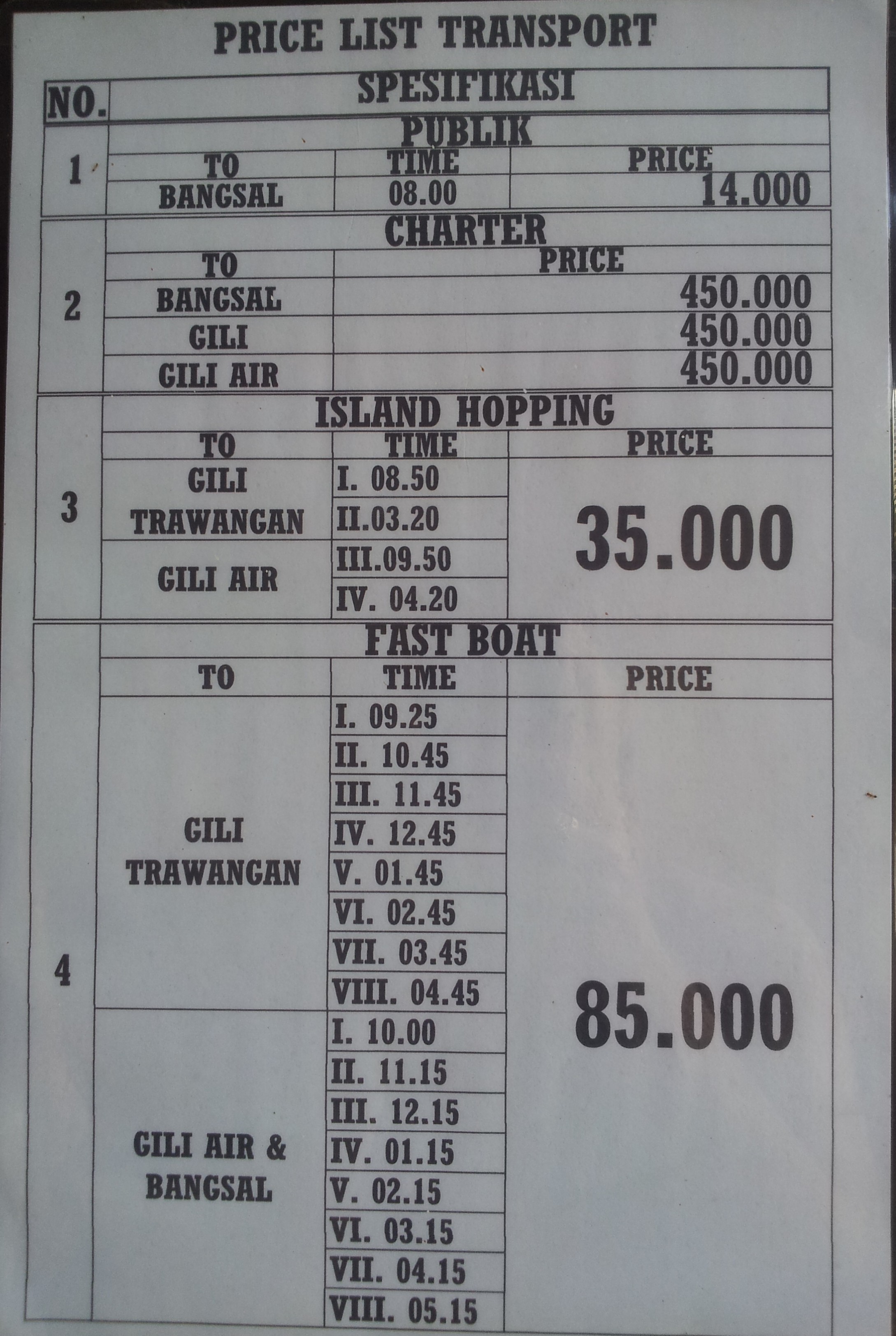
  • 35,000 IRP for the standard ‘island hopping’ trip from Gili Meno to Gili Air (ticket from harbour office on Gili Meno).

    Gili Meno boat schedule at the harbour office
    Gili Meno boat schedule at the harbour office

Tips from other travellers

Mount Rinjani

The Mt. Rinjani hike, up Indonesia’s second-highest volcano, is a popular activity for energetic tourists.  The three day hike promises extreme weather, tough ascents and fantastic views.  The travellers we spoke to who had done this hike ensured us that it required fitness and endurance (and waterproof, warm hiking jackets) but that it was well worth the effort! This volcano is part of the Mount Rinjani National Park.

Warung Turtle

If you are visiting Tanjung A’an beach, it is a good idea to park your bike with either the official parking under the tree (paying the guys there and receiving a ticket), or we spent time mostly hanging out at Warung Turtle (because there was shade, beach chairs, food and beverages and friendly locals).  Note: You drive to Warung Turtle through the small dirt road that runs behind the beach entrance.  At high tide, the water often covers parts of this road near the river bed so watch out for big bumps and pools!13133092_10154402549571992_3978765172649120097_n

Bali, Indonesia

April 2016

For the last ten days, Travelinds has been living the high life with our folks (higher than normal, anyway) and staying in a charming Balinese villa in Gianyar. The colourful buzz of life in Bali is a great cultural experience and we have loved the time exploring this part of the world together.

Bali statue

Thriller Villas

Situated beside the eastern black sand beaches, our villa complex stands in stark contrast to the rice paddies and fisherman huts around it. The imposing Mount Agung is visible on a clear day, soaring above the clouds to the east; and the stars shine brightly our here during the warm (rather hot!) nights.

IMG_clfffuIn Bali, luxury villas are now all the rage for travellers seeking comfort and privacy.  These cosy, stylish holiday homes abound, especially in the busier tourist areas.
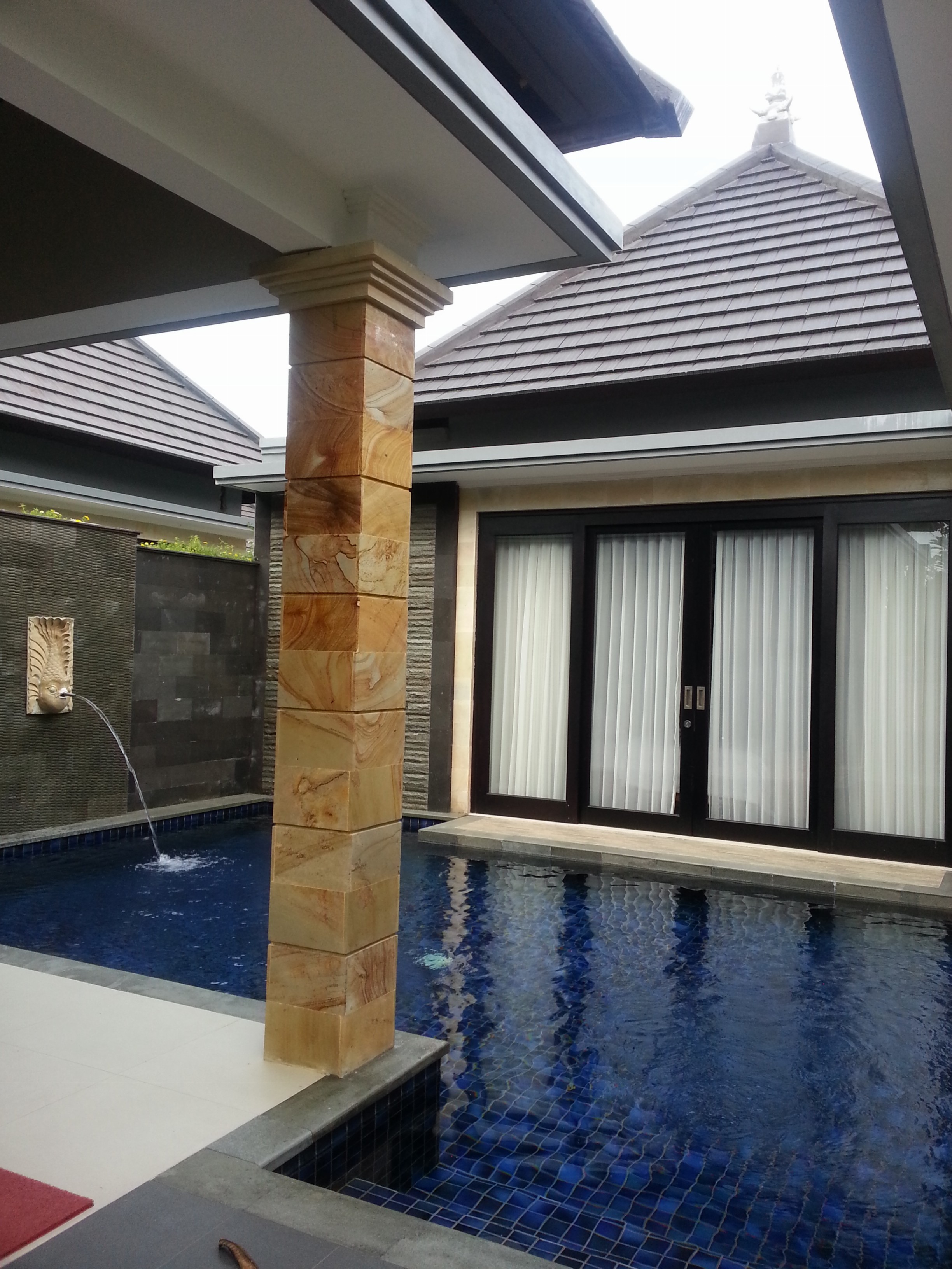
Usually situated within a complex of similar units, the villas have high walls, private pools, beautifully finished interiors and crisp white linen.

A villa stay also usually includes a cooked breakfast (brought to you at your requested time and place) by the friendly staff in the mornings.  As an honoured guest one is treated to the famous Balinese hospitality with utmost respect.  The beautiful home seemed to clean itself everyday, in a silence and serenity, as we lounged in the pool.

It’s a pricey way to travel, but it sure was luxurious.  If you are looking for a quiet and isolated vacation to unwind, we stayed at Villa Kori Maharani.

Tours and Taxis

Since we chose a location as far out of the madness of the main tourist area as possible, we needed to take a taxi to get anywhere (other than the beach).  There were three taxi days and one tour day during the week, enough to keep us busy and wanting more.20160330_172737

Day 1: Taxi to Amed (Snorkelling and Beach)

After reading up on a few places where we could snorkel right off the beach, we hired a taxi for the day (at 400,000 IRP) to Amed.  A minimum two-and-a-half hour drive from Gianyar, there are three main beaches at Amed to swim and snorkel, but we only had time to try one of them as the drive had taken longer than anticipated.  The scenic drive winds through juxtaposed greens, blues and black as the jungles and rice paddies rise between sparkling ocean and volcanic rock faces.

Jemeluk was all we’d hoped for, enough to keep us there for two hours, and the coral was colourful, too.  After a scrumptious (and cheap) lunch at Warung Made, the drive home took us back through the hills.  A bustling crowd delayed the trip with cows, motorbikes, cars and people as we passed at least two festivals along the way – the men in their turbans and traditional linens, the woman in lacey outfits with colourful skirts and jewelry.

TIP: Look out for the East Bali Cashews and buy some to support this great local initiative.

Day 2: Taxi to Ubud, Mount Batur and Tegalalang (Countryside)

IMG_-lrlran

Another day we wanted to follow a tourist route without being packed like sheep in a bus or van, so we hired a day taxi again and set our own route.
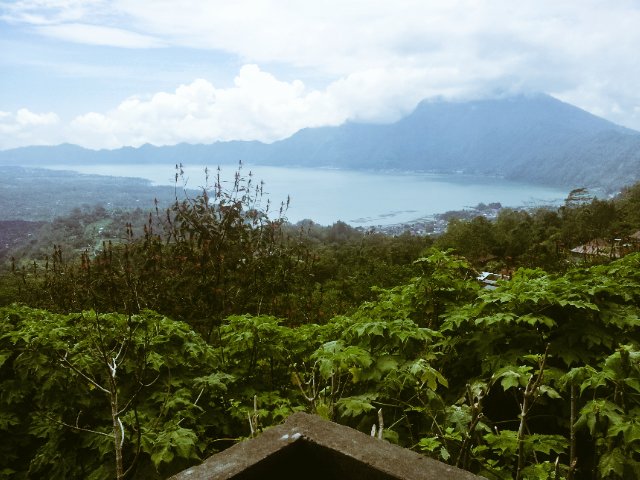
First on the list was Mount Batur, the impressive (active) volcano that boasts a beautiful crater lake on one side and black lava slides down the other.

The viewpoint for this volcano gives a wonderful panorama of contrasts and the cloud cover lifted enough for us to capture a few shots for the memory bank.IMG_20160402_182142

From the volcano, we headed down to Ubud through Tegalalang, famous for its tiered rice paddies and quaint cafe lunch spots.

Also in the area is the popular Luwak coffee plantations (literally civet dung coffee – yes, dung!) that produces some of the most expensive (and sought-after) coffee in the world.  Somehow, it didn’t appeal to us once we had read up on its origins.
Ubud is full of arts and crafts, cafes, temples, shrines, curio stores, yoga and tourists.  A picturesque little village making full use of its appeal and setting, it is a perfect place to gain insight into the cultural and spiritual side of the Balinese people.

Day 3: Snorkel Tour to Nusa Penida

The only official tour we took was to Nusa Penida.  All4Diving did a fantastic job keeping us safe and happy, and of course, providing the highlight of our trip as promised – we snorkelled with Manta rays! Amazing! The Nusa Penida tour to Crystal Bay and Manta Point was a truly wonderful experience.

20160403_115946Crystal Bay was beautiful in both coral and creatures with amazing visibility.  Manta Point is a cleaning station (where the Mantas come to the surface for fish cleaning) and as snorkellers this was a once-in-a-lifetime sighting.

Swimming just above the 4 to 6 metre wide mantas, watching them glide majestically within touching distance, looking into their wide open mouths all the way down their empty bodies (like whale sharks) as they feed – all of it was unforgettable!

Bucket list item – check.

Day 4: Taxi to Blue Lagoon (Snorkelling)

20160405_123028The last outing was to Blue Lagoon Beach, the well-hidden eastern neighbour to a bustling Padang Bai beach (Bali’s main ferry port).

A fantastic little cove, protected on both sides by forest and cliff, the vibrant coral reef in the small bay was full of life.

Turtles, eels, puffers, large schools of reef fish and trumpet fish are only some of the residents here.  Before ten o’clock we had the beach to ourselves and there are two restaurants side-by-side with a range of Indonesian food, desserts and drinks.

It’s possible to walk from Padang Bai to Blue Lagoon – head east along Padang Bai beach road up a steep hill that winds between a few houses and down the other side.  At the parking lot head down a flight of steps on to Blue Lagoon beach (don’t forget to take a photograph on the way down to capture the sparkling aquamarine bay through the tops of the palm trees).

Taxi and Airport Transfer

During the week we used Waylan’s Taxi (private) and were impressed with his professional service, clean van and informative, friendly tour guide skills.  Give him a call on (+62)85737010230

The airport transfer from Gianyar was around 250,000 IRP (before bargaining it down a bit).

IMG_ndv8jg

Cape Town

March 2016

Hello Cape Town!

2016-03-09 16.33.28Travelinds spent a sunny March week in the beautiful city of Cape Town, South Africa.

Coming to the Mother City from up north as a child, one definitely does not appreciate the spectacular beauty of the Western Cape peninsula in all its fullness.

This was a visit to family rather than tourism, however, we still managed to see a good deal of the sights on offer.

The enormous group of German tourists that followed us out of the airport was a reminder of just how desirable Cape Town is as a tourist destination for international travellers. It wasn’t difficult to see why this is once we started looking around the city.


Muizenberg

Muizenberg was the home base, with its quaint beach village vibe, mixed with a little surf, turf and creativity.
The small colourful houses that line the streets of the village are interspersed with cafes and galleries and decorated with the individual flair of the ecclectic residents.

The iconic wooden changing rooms along the beach create a multicoloured background for fun family holidays; for South Africans and tourists alike.

The black shark spotting flag beckons swimmers and surfers into the False Bay waves, while the wary-eyed shark spotters sit high up on the side of the mountain watching the bay for shadows and fins that would change the flag status.2016-03-08 16.37.38

A late afternoon walk along the promenade towards St.James proved a wet choice as the high tide crashed over the rocks and soaked us through (a few times). The experienced railway maintenance team sat up on their elevated perch and laughed at us, again and again. So, technically, we dipped more than our toes in the waters of False Bay.

Simon’s Town and Boulders Beach

2016-03-09 16.25.58Since we were staying in the southern suburbs, we took an afternoon to go and explore the area around Simon’s Town (which is between Muizenberg and Cape Point).

Fish Hoek, Kalk Bay and St. James are a few places on the way worth a look, and maybe a beach or tidal pool swim.
The little fishing village of Simon’s Town is another perfect postcard destination – and the fish and chips were as amazing as promised by the guide books.

We grabbed the orders to go and headed out to find Boulder’s Beach a few kilometres down the road.

Lunch with the penguins seemed like a unique way to spend a day in Africa – even as a South African I forget that penguins are indeed one of the fascniating creatures on our wildlife list.

As soon as we caught a glimpse of the penguins waddling through the dense coastal shrubbery, we knew that this would be one for the memory bank.  The black-and-white suited African Penguin colony lives comfortably at Boulder’s Bay (which, incidentally, has enormous boulders that shelter the bay and create great nesting and resting sites).

It is a national park that you can enter if you want to swim, however, there is a wooden walkway (where you can go for free) if you just want to view the penguins from above.

This walkway also has a few nesting sites where you can see eggs, and penguins lazing in the shade of the bushes alongside dassies and birds.

Please be a responsible visitor and do not feed or disturb these cute little penguins (who do bite by the way!).

Chapman’s Peak and Constantia

2016-03-10 14.15.47
Another fun day was spent on a road trip from Muizenberg, over the mountain past Noordhoek, up Chapman’s Peak drive, down to Hout Bay, around to Constantia and out to Rondebosch.

We saw panoramic views like no other – Noordhoek beach from Chapman’s drive is breathtaking! Truly!
Where else in the world can you see beautiful mountains, sapphire oceans, white beaches, vineyards, plantations, fynbos and forests all in one place?

Chapman’s Peak is a scenic but nerve-wracking drive along the sheer cliffs, especially as the huge tour busses wind their way around the tight corners on both sides, bringing the cars on the opposite side to a hasty pause.

Hout Bay

Seagulls of Hout BayAs you descend into Hout Bay from Chapman’s Drive, remember to look out on the left for the green Hout Bay leopard statue that looks out across the bay.

Hout Bay boasts a beautiful sandy beach and an interesting harbour, with delicious seafood and exciting cruises to Seal Island and around the bay.

2016-03-12 12.54.16Our Seal Island cruise was an hour of gentle waves (despite the wind), an entertaining seal colony and views of Chapman’s Peak from the bottom of the cliffs and across the blue bay.


The Hout Bay harbour has fishing boats, yachts, awesome seafood cafes and of course, sleek hungry seals!
Remember to try a gatsby from one of the cafes.

This classic local favourite comes in delicious varieties such as steak, egg, ham, chips or fish and chips (you might want to share or take a lunch box).

Saturdays are also a great day to visit Hout Bay as this is where the market opens for local creatives to showcase their wares.  Sinnful ice-cream store across the road from the market might just keep you there longer than planned, too!

Kirstenbosch

On our last day, we extended an invitation to family and friends to join us at the famous Kirstenbosch gardens for a Sunday afternoon picnic.

At the base of Table Mountain, the gardens beckon with colourful fynbos, ancient cycads and majestic towering trees.

Table Mountain is one of the natural world wonders that Travelinds has seen. The others are Jeju Island, Puerto Princesa Underground River and Halong Bay

The Egyptian geese and the franklins spend leisurely days foraging for insects, drinking from the water fountain puddles and sleeping in the sunny grassbanks that lead up to the mountain (again, please don’t feed them).
That Sunday evening was one of the renowned summer concerts and the happy crowds started streaming in as the sun started to set.2016-03-13 17.20.35

The Nutcracker

26 December 2015

Travelinds enjoyed a festive evening out at the ballet on Boxing Day.  The Nutcracker Suite is an old favourite and the Universal Arts Centre in Seoul did not disappoint.  There are shows here all year round so book your tickets next time you’re coming to Seoul.

12376563_10154125303401992_4992607233019955976_n 1919111_10154125303431992_2436939148213621967_n

Bukhansan National Park

04 October 2015

Chuseok weekend is usually a great time of the year for outdoor activities and we headed off the Bukhansan National Park to hike. Cooler weather, clear skies, changing colours and a slight breeze made the hike all that much sweeter.

The mountain borders Seoul to the north and was used as a natural defence in ancient Korean dynasties. It is a large mountain area (visible from almost anywhere in Seoul if you look north) with a few main peaks, multiple entrances and varied levels of hiking difficulty.  It was amazing to go straight from the bustling city to the shady paths of the silent mountain.  Once we were on the mountain, in the stillness and sounds of nature, we completely forgot about the city behind us until the magnificent view points reminded us how close we really were.

As amateurs just hiking for the views, we didn’t really look at the difficulty levels, times or correct entrances and just headed to one on this directions list from Visit Korea. (Our choice was Bukhansan National Park – Gireum Station (Line 4), Exit 3. Take Bus 110B or 143, and get off at the last bus stop).

With these instructions, we took the subway to Gireum Station, then the 10-minute bus and ended up at the Bukhansan Jeongneung Information Centre (start of Recommended course #4 on the Dulle-gil trail). This is where we started hiking.  Being on the unfit side, we decided to head to Daeseongmun gate (on the board it was described as a medium-to-advanced hike, 3.4km, 2 hours 45 minutes).  From there we would see how we were feeling before deciding the next leg of the hike.  As it turns out, Daeseongmun gate was quite enough challenge for one day (we did it in less than 2 hours) and, since we had already found some beautiful views on the way up, we headed from there across to Daennammun gate and then down towards Bukhansan Gugi Ticket Office.

A rather beautiful adventure and a memorable day.

Yeonginsan, South Korea

01 October 2015

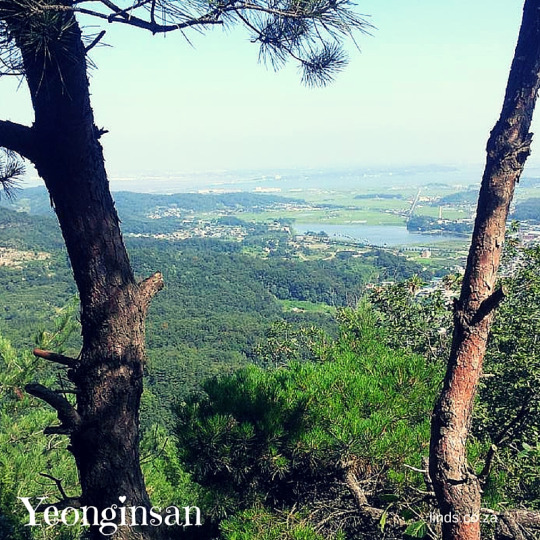
Yeonginsan Natural Forest ( 영인산자연휴양림) is about twenty minutes from Asan.  It is a reserve for hiking, picnics, camping and outdoor activities, popular for school outings, families with young children and hikers.  It is stunning in spring and autumn and has lush green scenery in the summer.  We’d imagine winter would be very pretty in the snow, but hiking in the cold and snow is not our idea of fun!

A ten minute drive from our apartment in Dunpo, it’s an easy morning out if we feel like some exercise with a view.  It is a course that lends itself well to all levels of hikers.  It is possible to walk to all the major points from the central area and back to the middle again, or from point-to-point in a circuit if you’re a more serious hiker and require more of a challenge.

  • Cost:

    • 1,000 KRW pp for Asan or Cheonan residents
    • 2,000 KRW for others
  • Parking:

    There are parking lots below the mountain, at the entrance to the reserve (where the swimming pool and chalets are) and further up near the education centre and cable car.

    • [We usually park (for free) at the bottom entrance to the hiking trail and walk up the 2 km to the central picnic area, passing the ticket booth on the way.]
  • Bus:

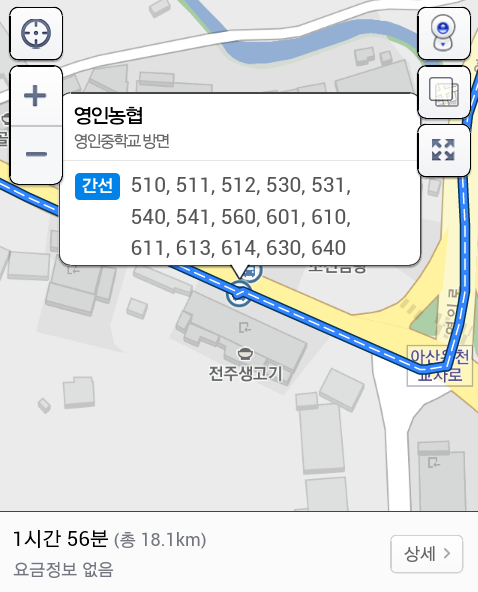
    There are two bus stops in Yeongin-myeon, the Middle School stop (영인중학교 1979(아산)) is closest to the hiking trails, but the Nonghyup stop (영인농협 637(아산)) is just a few minutes further.

    • From both bus stops both, if you carry on walking up the main road towards the mountain, you will come to the beginning of the trail on your right. (It’s opposite the dirt parking lot)
Yeonginsan
The bus stop in Yeonginsasn.
Next up:
The following weekend, Travelinds ventured out to Bukhansan National Park in Seoul – a more challenging hike than Yeonginsan.

Koh Lanta

15 August 2015

A tropical island off the west coast of Thailand, Ko Lanta offered us long stretches of beach, exquisite scenery and lots of sunshine. A week here felt like a month-long holiday and we returned home sun-tanned, refreshed and little fatter from all the delicious Thai food.  Surprisingly easily accessible from the Krabi main land, it’s a fantastic option for a hidden getaway and also gives you easy access to the remote southern islands like Koh Mook.

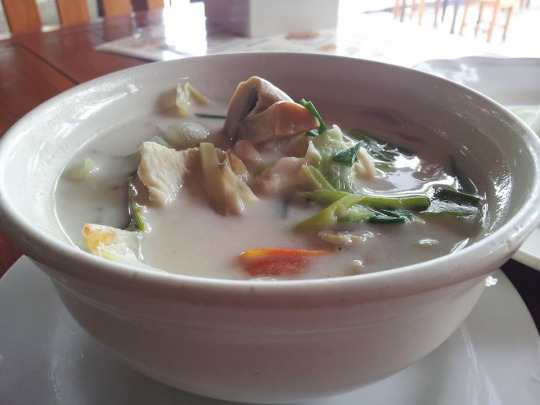
Thai Green Curry
Thai Green Curry

Accommodation

We stayed at Lanta Palace Resort and Beach Club, an amazing spot halfway down the west coast of Lanta Yai (the bigger of two Lanta islands). Google maps clocks the journey from Krabi Airport to our hotel at under two and a half hours, which is accurate. This includes two (short) car ferries – we took a taxi from the airport (2500 Baht).

Activities

The week was spent relaxing, swimming, eating, resting and exploring. Motorbikes were easily available for hire and provided a great way to explore the island from end to end.  There are a few places to shop, like the market, restaurants to try along the way and Thai massages, too!

Since it was rainy season, we did not take any snorkelling tours out into the Andaman Sea.  The visibility at this time of year is poor and the sea conditions can be rougher than usual, especially when you’re on a long-tail boat.  One rainy day, one of the families staying near us took a long-tail to Phi Phi and back, in the rain.  They said it took them days to find their land-legs again after the bumpy ride which liberated them from both their breakfast and then their lunch on the way back; but they still thoroughly enjoyed themselves.

Rented motorbikes took us to the nature reserve on the southern point with it’s iconic lighthouse, Old Lanta Town and the market.    The Mu Koh Lanta National Park was beautiful!  It’s a 400 baht entrance fee.  There’s a circular walk, an isolated and beautiful beach for swimming and of course, the lighthouse.  Walking shoes are recommended.  Also, take heed of the TripAdvisor reviewers who warn against the monkeys and safeguard your bags – it seems that bags are targets for inquisitive and relentless monkeys, especially if they contain food items!

Kayaking Day Tour

We booked a day trip (8:00-15:00) with one of the many travel companies (Lanta Eco Tour) to kayak and swim off the east coast of Koh Lanta – the islands are Ko Bubu, Ko Talabeng and Ko Por.  The van picks up everyone from the hotel, takes them to the pier in the mangrove swamps, with millions of colourful crabs, hands you over to a guide who leads you over a rickety boardwalk to the pier, then shows you some huge fish in the “fish farm” before loading you into the longtail boat.

The trip out to the islands is about 45 minutes long and the tourists kayak first, get back on the boat, go to the next island, swim and have lunch and then head back towards the mangroves. We didn’t realise that there was only one kayaking opportunity and were disappointed that we had only taken a few pictures of the kayak experience. Other than that, it was a most enjoyable day and a beautiful place.

Restaurants

There’s an array of restaurants around Koh Lanta. In Koh Tob beach, where we stayed, there were at least 20 along the road. We enjoyed Bobby Big Boy Seafood & Bar. Bobby is a dynamic host with a big personality, his menu is great, his prices are competitive and his restaurant is spacious and relaxed.  We went back every day.  And then carried on down the road to the massage parlour before heading back to the hotel each night.

Beaches

Our stay was on the smaller Klong Tob beach (at the northern end of Klong Nin beach). It was clean, almost private and amazingly different at high tides and low tides.  One day of high winds brought jellyfish, but the rest of the week was lovely for swimming, especially at high tide.  The main beach, Klong Nin, is the next long stretch of sand, which would be stunningly beautiful if it weren’t so littered with rubbish and debris after heavy rains and high tides.

The beach at the Mu Koh Lanta National Park is also stunning, and great for swimming.

Low Season

Since this is during the low season, the rates for hotels and activities are lower and we were especially happy with the value for money we received at Lanta Palace Resort and Beach Club, at less than $15 per night.  The rain was intermittent (as it has been the last few times we’ve been in rainy season) and we only had one afternoon that was pouring.

Koh Lanta Sunsets were truly remarkable!

Recommendations

Stay beautiful, Koh Lanta.  We miss you already.

More Information

A bus from Johannesburg to Gaborone

16 February 2015

Johannesburg has treated us to a fine stay with the family we love.  Today we took a trip up to Gaborone, Botswana for a night, to see the old folks and catch up with a beloved aunty. Since we were short on time and had been living out of suitcases for a month already, we decided to try a ‘luxury bus’ instead of the InterCape as we had heard about this option.

We found the Flight Connect bus on the internet and decided to try it. It claimed a 6 hour trip, with on-board WiFi, directly from the bus station at O.R.Tambo International Airport to Gaborone, Botswana.  To us this seemed a reasonable package for the price offered and we booked our tickets through email.

The office (in Botswana) was very prompt in replying to us with a booking number and indicating methods of payment (cash or credit card) and ensuring that we knew where to go. We got to the airport and then headed to the bus terminal, which is directly behind the Intercontinental Hotel, outside arrivals.  The bus was on time and our names were on the list. We made the payment for our return ticket when we arrived in Gaborone.

Tips:

  • There is a bathroom on board and it is clean, but rather bumpy.
  • The bus stops at the border, you jump out and go through immigration and then WALK THROUGH no-mans land (not too far) to the next border post and jump back on to the bus on the other side of the border. Don’t be alarmed when the bus is not there as you come out of the first immigration building.
  • There is WiFi on-board but no charging stations so take a fully charged battery with you.

Midmar Dam

14 February 2015

This Valentine’s weekend we stayed at Midmar Dam with our siblings and a new addition, our 6-month-old niece.  It was the week after the world-famous open water race – the Midmar Mile (which R has completed 10 times!). We invited friends and family to join us so that we could catch up with everyone while we were in KZN.

As usual, Midmar did not disappoint to wow us with its February thunderstorms and high winds, but it was worth it for the clear, glassy water in the early mornings. It was an awesome weekend of quality time with the family around the braai, laughing, making memories, enjoying the fruits of South Africa (Amarula – yum!) and remembering why we love our crazy siblings so much!

It was a happy Valentine’s day indeed!

TIP: If you will be travelling around Kwa-Zulu Natal quite a lot in a period of a year, then it is well worth it to get yourself (or your family) a Rhino Card. It gives you discounts on bookings (if you have the card before you make the booking) and on entrance fees and daily levies at the reserves and environmental sites.  We bought one and it paid for itself in just the month we were in South Africa – what a bargain!

TIPEzemvelo gave us a few grey hairs as we arrived because they didn’t have our booking confirmed, but after much discussion (calm?) and compromise, they accommodated our party of ten people and a baby with gracious hospitality in the awesome chalets – book here.

[Lesson learnt: When you book and pay online, it is not enough to have the pro-forma invoice and receipt number. Phone ahead and make sure that you receive the actual booking confirmation sheet along with other documentation to support your booking and avoid disappointment.]

Onwards and upwards