Tag Archives: tourist

Cape Town

March 2016

Hello Cape Town!
2016-03-09 16.33.28Travelinds spent a sunny March week in the beautiful city of Cape Town, South Africa.

Coming to the Mother City from up north as a child, one definitely does not appreciate the spectacular beauty of the Western Cape peninsula in all its fullness.

This was a visit to family rather than tourism, however, we still managed to see a good deal of the sights on offer.

The enormous group of German tourists that followed us out of the airport was a reminder of just how desirable Cape Town is as a tourist destination for international travellers. It wasn’t difficult to see why this is once we started looking around the city.


Muizenberg

Muizenberg was the home base, with its quaint beach village vibe, mixed with a little surf, turf and creativity.
The small colourful houses that line the streets of the village are interspersed with cafes and galleries and decorated with the individual flair of the ecclectic residents.

The iconic wooden changing rooms along the beach create a multicoloured background for fun family holidays; for South Africans and tourists alike.

The black shark spotting flag beckons swimmers and surfers into the False Bay waves, while the wary-eyed shark spotters sit high up on the side of the mountain watching the bay for shadows and fins that would change the flag status.2016-03-08 16.37.38

A late afternoon walk along the promenade towards St.James proved a wet choice as the high tide crashed over the rocks and soaked us through (a few times). The experienced railway maintenance team sat up on their elevated perch and laughed at us, again and again. So, technically, we dipped more than our toes in the waters of False Bay.

Simon’s Town and Boulders Beach

2016-03-09 16.25.58Since we were staying in the southern suburbs, we took an afternoon to go and explore the area around Simon’s Town (which is between Muizenberg and Cape Point).

Fish Hoek, Kalk Bay and St. James are a few places on the way worth a look, and maybe a beach or tidal pool swim.
The little fishing village of Simon’s Town is another perfect postcard destination – and the fish and chips were as amazing as promised by the guide books.

We grabbed the orders to go and headed out to find Boulder’s Beach a few kilometres down the road.

Lunch with the penguins seemed like a unique way to spend a day in Africa – even as a South African I forget that penguins are indeed one of the fascniating creatures on our wildlife list.

As soon as we caught a glimpse of the penguins waddling through the dense coastal shrubbery, we knew that this would be one for the memory bank.  The black-and-white suited African Penguin colony lives comfortably at Boulder’s Bay (which, incidentally, has enormous boulders that shelter the bay and create great nesting and resting sites).

It is a national park that you can enter if you want to swim, however, there is a wooden walkway (where you can go for free) if you just want to view the penguins from above.

This walkway also has a few nesting sites where you can see eggs, and penguins lazing in the shade of the bushes alongside dassies and birds.

Please be a responsible visitor and do not feed or disturb these cute little penguins (who do bite by the way!).

Chapman’s Peak and Constantia

2016-03-10 14.15.47
Another fun day was spent on a road trip from Muizenberg, over the mountain past Noordhoek, up Chapman’s Peak drive, down to Hout Bay, around to Constantia and out to Rondebosch.

We saw panoramic views like no other – Noordhoek beach from Chapman’s drive is breathtaking! Truly!
Where else in the world can you see beautiful mountains, sapphire oceans, white beaches, vineyards, plantations, fynbos and forests all in one place?

Chapman’s Peak is a scenic but nerve-wracking drive along the sheer cliffs, especially as the huge tour busses wind their way around the tight corners on both sides, bringing the cars on the opposite side to a hasty pause.

Hout Bay

Seagulls of Hout BayAs you descend into Hout Bay from Chapman’s Drive, remember to look out on the left for the green Hout Bay leopard statue that looks out across the bay.

Hout Bay boasts a beautiful sandy beach and an interesting harbour, with delicious seafood and exciting cruises to Seal Island and around the bay.

2016-03-12 12.54.16Our Seal Island cruise was an hour of gentle waves (despite the wind), an entertaining seal colony and views of Chapman’s Peak from the bottom of the cliffs and across the blue bay.

The Hout Bay harbour has fishing boats, yachts, awesome seafood cafes and of course, sleek hungry seals!
Remember to try a gatsby from one of the cafes.

This classic local favourite comes in delicious varieties such as steak, egg, ham, chips or fish and chips (you might want to share or take a lunch box).

Saturdays are also a great day to visit Hout Bay as this is where the market opens for local creatives to showcase their wares.  Sinnful ice-cream store across the road from the market might just keep you there longer than planned, too!

Kirstenbosch

On our last day, we extended an invitation to family and friends to join us at the famous Kirstenbosch gardens for a Sunday afternoon picnic.

At the base of Table Mountain, the gardens beckon with colourful fynbos, ancient cycads and majestic towering trees.

Table Mountain is one of the natural world wonders that Travelinds has seen. The others are Jeju Island, Puerto Princesa Underground River and Halong Bay

The Egyptian geese and the franklins spend leisurely days foraging for insects, drinking from the water fountain puddles and sleeping in the sunny grassbanks that lead up to the mountain (again, please don’t feed them).
That Sunday evening was one of the renowned summer concerts and the happy crowds started streaming in as the sun started to set.2016-03-13 17.20.35

The Nutcracker

26 December 2015

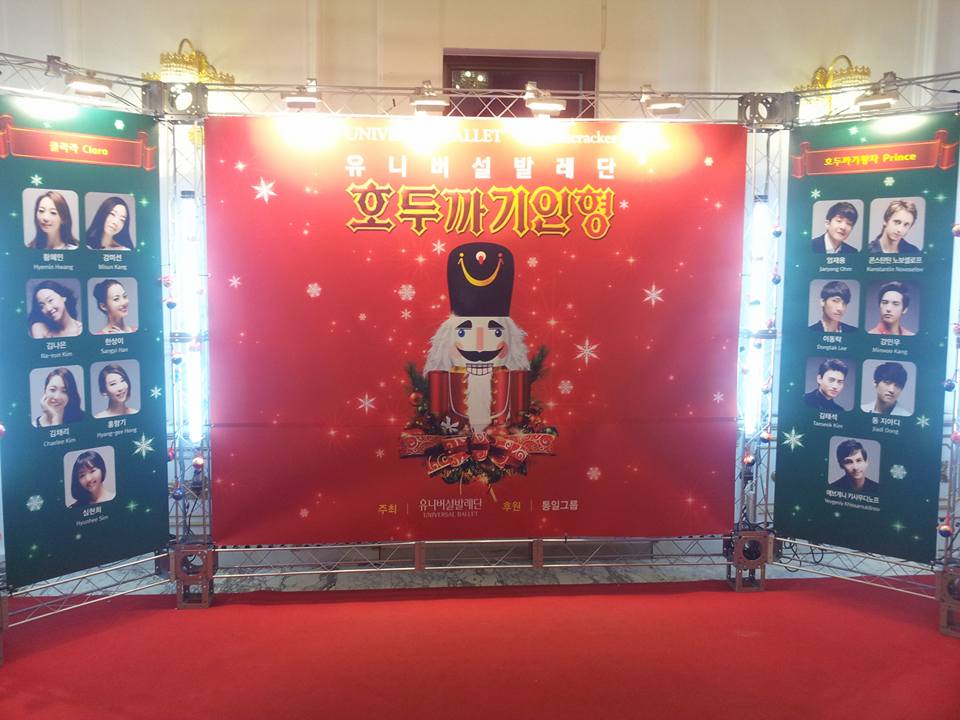
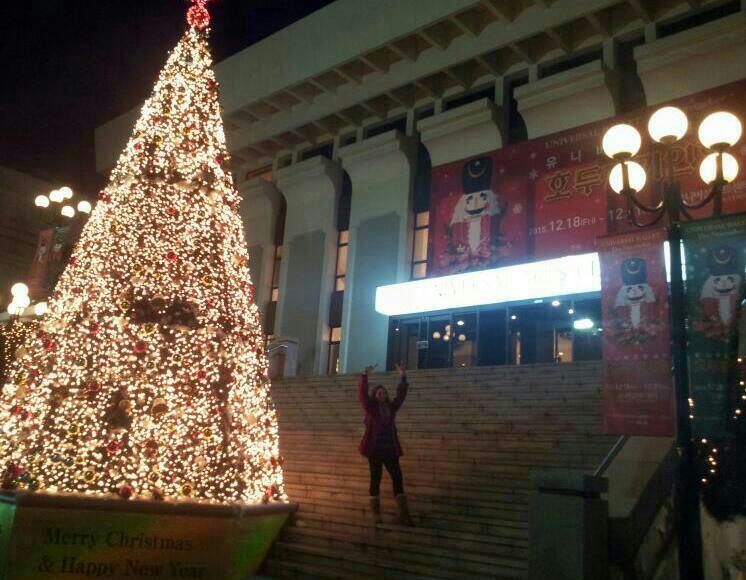
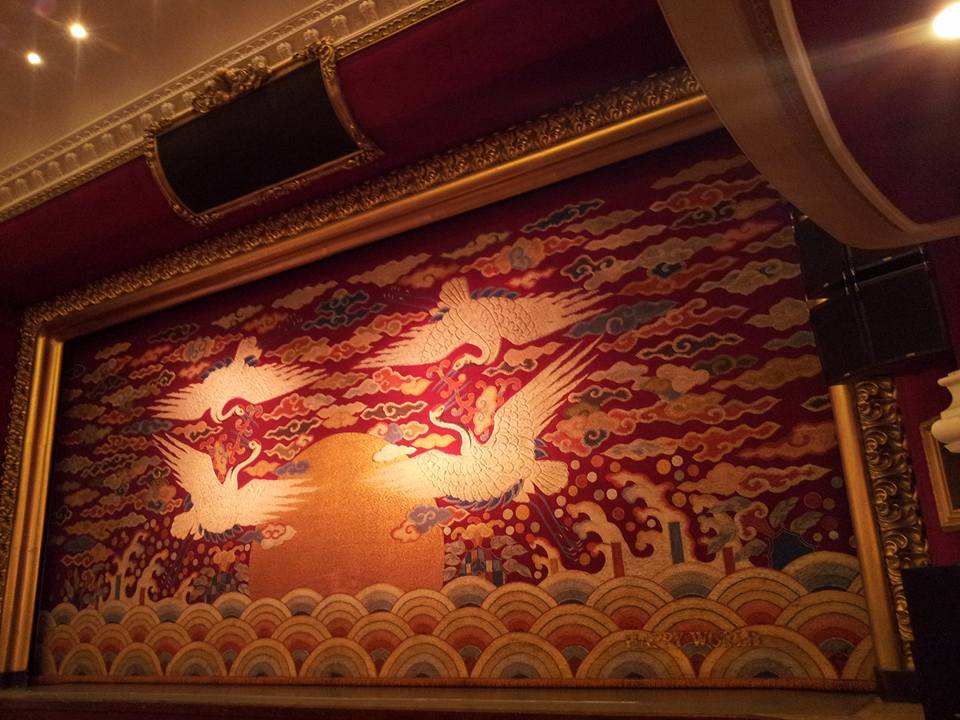
Travelinds enjoyed a festive evening out at the ballet on Boxing Day.  The Nutcracker Suite is an old favourite and the Universal Arts Centre in Seoul did not disappoint.  There are shows here all year round so book your tickets next time you’re coming to Seoul.

12376563_10154125303401992_4992607233019955976_n 1919111_10154125303431992_2436939148213621967_n

Bukhansan National Park

04 October 2015

Chuseok weekend is usually a great time of the year for outdoor activities and we headed off the Bukhansan National Park to hike. Cooler weather, clear skies, changing colours and a slight breeze made the hike all that much sweeter.

The mountain borders Seoul to the north and was used as a natural defence in ancient Korean dynasties. It is a large mountain area (visible from almost anywhere in Seoul if you look north) with a few main peaks, multiple entrances and varied levels of hiking difficulty.  It was amazing to go straight from the bustling city to the shady paths of the silent mountain.  Once we were on the mountain, in the stillness and sounds of nature, we completely forgot about the city behind us until the magnificent view points reminded us how close we really were.

As amateurs just hiking for the views, we didn’t really look at the difficulty levels, times or correct entrances and just headed to one on this directions list from Visit Korea. (Our choice was Bukhansan National Park – Gireum Station (Line 4), Exit 3. Take Bus 110B or 143, and get off at the last bus stop).

With these instructions, we took the subway to Gireum Station, then the 10-minute bus and ended up at the Bukhansan Jeongneung Information Centre (start of Recommended course #4 on the Dulle-gil trail). This is where we started hiking.  Being on the unfit side, we decided to head to Daeseongmun gate (on the board it was described as a medium-to-advanced hike, 3.4km, 2 hours 45 minutes).  From there we would see how we were feeling before deciding the next leg of the hike.  As it turns out, Daeseongmun gate was quite enough challenge for one day (we did it in less than 2 hours) and, since we had already found some beautiful views on the way up, we headed from there across to Daennammun gate and then down towards Bukhansan Gugi Ticket Office.

A rather beautiful adventure and a memorable day.

Yeonginsan, South Korea

01 October 2015

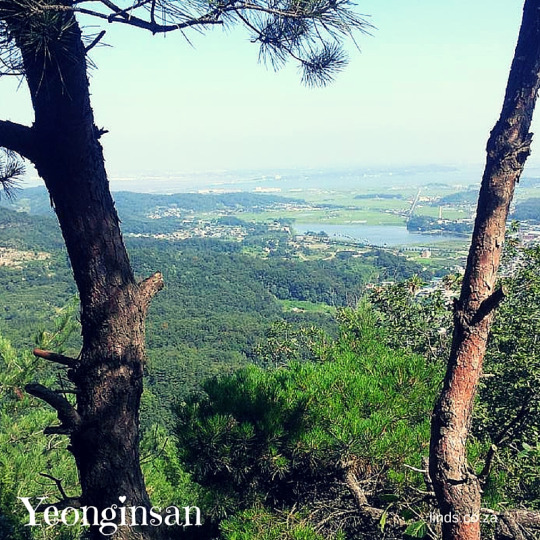
Yeonginsan Natural Forest ( 영인산자연휴양림) is about twenty minutes from Asan.  It is a reserve for hiking, picnics, camping and outdoor activities, popular for school outings, families with young children and hikers.  It is stunning in spring and autumn and has lush green scenery in the summer.  We’d imagine winter would be very pretty in the snow, but hiking in the cold and snow is not our idea of fun!

A ten minute drive from our apartment in Dunpo, it’s an easy morning out if we feel like some exercise with a view.  It is a course that lends itself well to all levels of hikers.  It is possible to walk to all the major points from the central area and back to the middle again, or from point-to-point in a circuit if you’re a more serious hiker and require more of a challenge.

  • Cost:

    • 1,000 KRW pp for Asan or Cheonan residents
    • 2,000 KRW for others
  • Parking:

    There are parking lots below the mountain, at the entrance to the reserve (where the swimming pool and chalets are) and further up near the education centre and cable car.

    • [We usually park (for free) at the bottom entrance to the hiking trail and walk up the 2 km to the central picnic area, passing the ticket booth on the way.]
  • Bus:

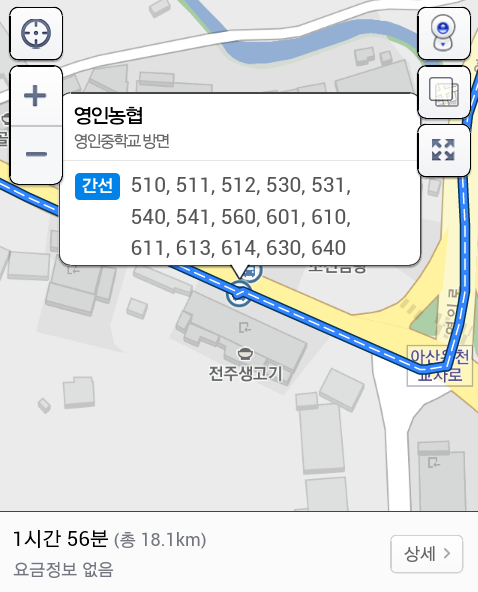
    There are two bus stops in Yeongin-myeon, the Middle School stop (영인중학교 1979(아산)) is closest to the hiking trails, but the Nonghyup stop (영인농협 637(아산)) is just a few minutes further.

    • From both bus stops both, if you carry on walking up the main road towards the mountain, you will come to the beginning of the trail on your right. (It’s opposite the dirt parking lot)
Yeonginsan
The bus stop in Yeonginsasn.
Next up:
The following weekend, Travelinds ventured out to Bukhansan National Park in Seoul – a more challenging hike than Yeonginsan.

Koh Lanta

15 August 2015

A tropical island off the west coast of Thailand, Ko Lanta offered us long stretches of beach, exquisite scenery and lots of sunshine. A week here felt like a month-long holiday and we returned home sun-tanned, refreshed and little fatter from all the delicious Thai food.  Surprisingly easily accessible from the Krabi main land, it’s a fantastic option for a hidden getaway and also gives you easy access to the remote southern islands like Koh Mook.

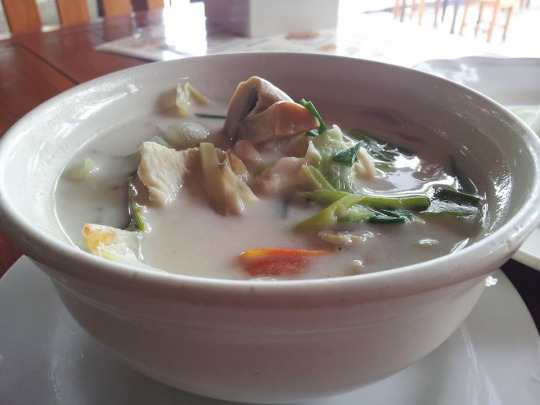
Thai Green Curry
Thai Green Curry

Accommodation

We stayed at Lanta Palace Resort and Beach Club, an amazing spot halfway down the west coast of Lanta Yai (the bigger of two Lanta islands). Google maps clocks the journey from Krabi Airport to our hotel at under two and a half hours, which is accurate. This includes two (short) car ferries – we took a taxi from the airport (2500 Baht).

Activities

The week was spent relaxing, swimming, eating, resting and exploring. Motorbikes were easily available for hire and provided a great way to explore the island from end to end.  There are a few places to shop, like the market, restaurants to try along the way and Thai massages, too!

Since it was rainy season, we did not take any snorkelling tours out into the Andaman Sea.  The visibility at this time of year is poor and the sea conditions can be rougher than usual, especially when you’re on a long-tail boat.  One rainy day, one of the families staying near us took a long-tail to Phi Phi and back, in the rain.  They said it took them days to find their land-legs again after the bumpy ride which liberated them from both their breakfast and then their lunch on the way back; but they still thoroughly enjoyed themselves.

Rented motorbikes took us to the nature reserve on the southern point with it’s iconic lighthouse, Old Lanta Town and the market.    The Mu Koh Lanta National Park was beautiful!  It’s a 400 baht entrance fee.  There’s a circular walk, an isolated and beautiful beach for swimming and of course, the lighthouse.  Walking shoes are recommended.  Also, take heed of the TripAdvisor reviewers who warn against the monkeys and safeguard your bags – it seems that bags are targets for inquisitive and relentless monkeys, especially if they contain food items!

Kayaking Day Tour

We booked a day trip (8:00-15:00) with one of the many travel companies (Lanta Eco Tour) to kayak and swim off the east coast of Koh Lanta – the islands are Ko Bubu, Ko Talabeng and Ko Por.  The van picks up everyone from the hotel, takes them to the pier in the mangrove swamps, with millions of colourful crabs, hands you over to a guide who leads you over a rickety boardwalk to the pier, then shows you some huge fish in the “fish farm” before loading you into the longtail boat.

The trip out to the islands is about 45 minutes long and the tourists kayak first, get back on the boat, go to the next island, swim and have lunch and then head back towards the mangroves. We didn’t realise that there was only one kayaking opportunity and were disappointed that we had only taken a few pictures of the kayak experience. Other than that, it was a most enjoyable day and a beautiful place.

Restaurants

There’s an array of restaurants around Koh Lanta. In Koh Tob beach, where we stayed, there were at least 20 along the road. We enjoyed Bobby Big Boy Seafood & Bar. Bobby is a dynamic host with a big personality, his menu is great, his prices are competitive and his restaurant is spacious and relaxed.  We went back every day.  And then carried on down the road to the massage parlour before heading back to the hotel each night.

Beaches

Our stay was on the smaller Klong Tob beach (at the northern end of Klong Nin beach). It was clean, almost private and amazingly different at high tides and low tides.  One day of high winds brought jellyfish, but the rest of the week was lovely for swimming, especially at high tide.  The main beach, Klong Nin, is the next long stretch of sand, which would be stunningly beautiful if it weren’t so littered with rubbish and debris after heavy rains and high tides.

The beach at the Mu Koh Lanta National Park is also stunning, and great for swimming.

Low Season

Since this is during the low season, the rates for hotels and activities are lower and we were especially happy with the value for money we received at Lanta Palace Resort and Beach Club, at less than $15 per night.  The rain was intermittent (as it has been the last few times we’ve been in rainy season) and we only had one afternoon that was pouring.

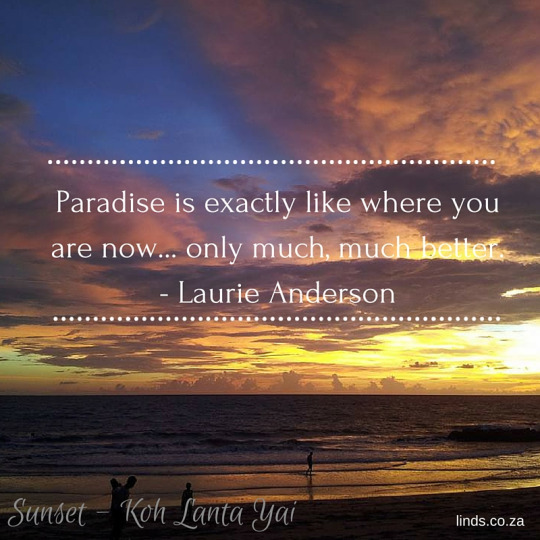
Koh Lanta Sunsets were truly remarkable!

Recommendations

Stay beautiful, Koh Lanta.  We miss you already.

More Information

A bus from Johannesburg to Gaborone

16 February 2015

Johannesburg has treated us to a fine stay with the family we love.  Today we took a trip up to Gaborone, Botswana for a night, to see the old folks and catch up with a beloved aunty. Since we were short on time and had been living out of suitcases for a month already, we decided to try a ‘luxury bus’ instead of the InterCape as we had heard about this option.

We found the Flight Connect bus on the internet and decided to try it. It claimed a 6 hour trip, with on-board WiFi, directly from the bus station at O.R.Tambo International Airport to Gaborone, Botswana.  To us this seemed a reasonable package for the price offered and we booked our tickets through email.

The office (in Botswana) was very prompt in replying to us with a booking number and indicating methods of payment (cash or credit card) and ensuring that we knew where to go. We got to the airport and then headed to the bus terminal, which is directly behind the Intercontinental Hotel, outside arrivals.  The bus was on time and our names were on the list. We made the payment for our return ticket when we arrived in Gaborone.

Tips:

  • There is a bathroom on board and it is clean, but rather bumpy.
  • The bus stops at the border, you jump out and go through immigration and then WALK THROUGH no-mans land (not too far) to the next border post and jump back on to the bus on the other side of the border. Don’t be alarmed when the bus is not there as you come out of the first immigration building.
  • There is WiFi on-board but no charging stations so take a fully charged battery with you.

Midmar Dam

14 February 2015

This Valentine’s weekend we stayed at Midmar Dam with our siblings and a new addition, our 6-month-old niece.  It was the week after the world-famous open water race – the Midmar Mile (which R has completed 10 times!). We invited friends and family to join us so that we could catch up with everyone while we were in KZN.

As usual, Midmar did not disappoint to wow us with its February thunderstorms and high winds, but it was worth it for the clear, glassy water in the early mornings. It was an awesome weekend of quality time with the family around the braai, laughing, making memories, enjoying the fruits of South Africa (Amarula – yum!) and remembering why we love our crazy siblings so much!

It was a happy Valentine’s day indeed!

TIP: If you will be travelling around Kwa-Zulu Natal quite a lot in a period of a year, then it is well worth it to get yourself (or your family) a Rhino Card. It gives you discounts on bookings (if you have the card before you make the booking) and on entrance fees and daily levies at the reserves and environmental sites.  We bought one and it paid for itself in just the month we were in South Africa – what a bargain!

TIPEzemvelo gave us a few grey hairs as we arrived because they didn’t have our booking confirmed, but after much discussion (calm?) and compromise, they accommodated our party of ten people and a baby with gracious hospitality in the awesome chalets – book here.

[Lesson learnt: When you book and pay online, it is not enough to have the pro-forma invoice and receipt number. Phone ahead and make sure that you receive the actual booking confirmation sheet along with other documentation to support your booking and avoid disappointment.]

Jungle Road

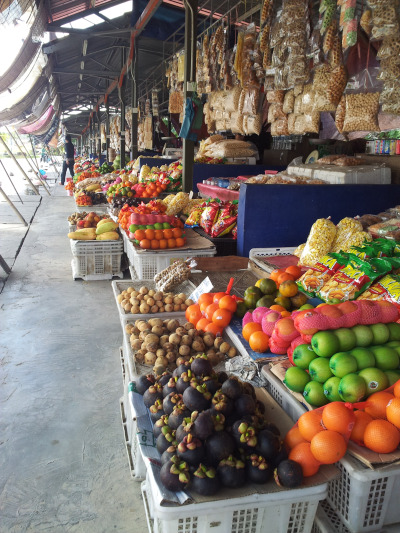
Colourful markets along the main Kinabatangan highway.
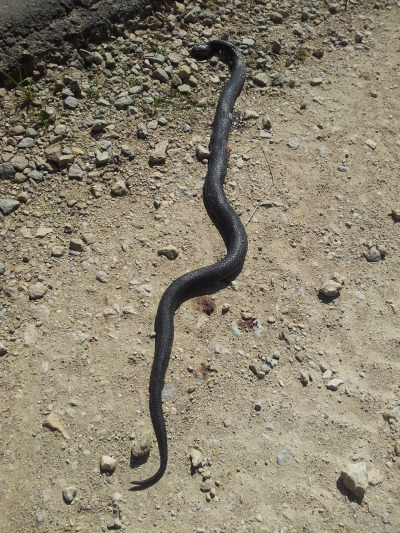
An (unfortunately) dead Forest Cobra - these snakes can grow to terrifying lengths and are fierce predators.
An (unfortunately) dead Forest Cobra – these snakes can grow to terrifying lengths and are fierce predators.
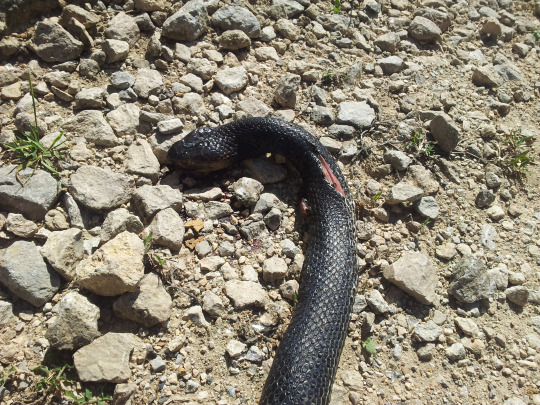
As close as we dared to photograph the dead cobra (what if it was faking?)
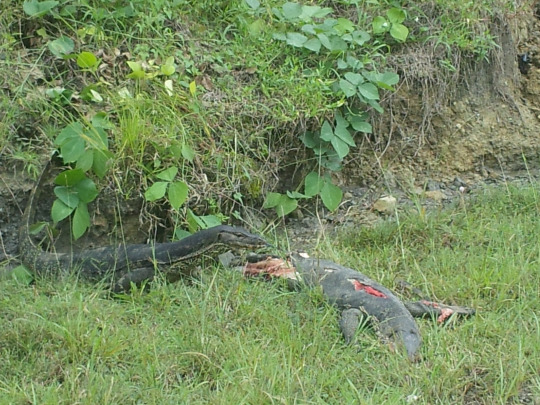
Travelinds' first sight of a monitor lizard eating it's own kind (who had been roadkill just a few hours before).
Travelinds’ first sighting of a monitor lizard eating it’s own kind (who had been roadkill just a few hours before).

Tips for Travelling in South East Asia – Part One

South East Asia has given us so many fantastic experiences and an abundance of special memories that we will always cherish.  The travelling is not always easy, but it is always worth it; especially when the rewards are life-changing realisations about the world in which we live. Here are our first 10 tips for travelling in South East Asia (Part One):

  1. Prepare for rain all year round. Always take a small fold-up poncho wherever you go,
  2. Prepare for sun, even when it’s cloudy. Wear sunscreen all the time, even on cloudy, rainy or cool days.
  3. Hydrate. Stick with bottled water or refill your bottles at a local filter machine (usually coin-operated).  Hydration also helps to keep you healthy and energetic during your vacation; this is especially important on long-haul flights.
  4. Everybody loves American money. Take some US dollars with you for emergencies.
  5. Put on your poker face. NEVER take the first price. BARGAIN EVERYTHING to at least half, or even a third of the starting price (except for restaurants).
  6. Yes doesn’t mean yes. Don’t assume that you have been understood if people say ‘yes’ – check the details and insist on written agreements for financial transactions (unless you don’t care).
  7. Understand the cultural differences between east and west. Don’t get upset if things don’t turn out exactly as you requested, due to some miscommunication. Asian culture often dictates that problems (like missing ingredients from the menu, or the room cannot be cleaned because nobody is on duty) are to be avoided or denied, but never confronted .  The end result often being that things just aren’t done or delivered as ‘agreed’ (you WILL have an omelette, because there are only eggs in and there is no bread today in the kitchen; and the room will not be cleaned today) and the tourist is left confused, angry or irritated. Let it go. There are more important things in life.
  8. Remember – you are the foreigner. Watch where you put your feet in the ocean (or better, just don’t put them down), there are urchins and jellyfish and other things in the sand (I usually wear a rash vest if I’m going to be swimming a while).
  9. Learn from previous experience. Use the TripAdvisor app (with WiFi) to check for reputable restaurants, hotels and attractions in the area. Contribute honest reviews to TripAdvisor when you’re done. More reviews = more information = better decisions for future travellers too!  NOTE: On the rare occasion, the reviews don’t do a place justice but, for the most part, the overall consensus of 98+ reviewers for a particular setting can’t be that far off the mark. It’s still only a guideline.
  10. Fly AirAsia – a low-cost Malaysian airline that has some great deals on flights all over South East Asia.  Use the app for easy reference. For most budget airlines, do remember to pay for the checked luggage when you complete your booking online (not when you arrive at the airport, as this works out to be way more expensive). Cebu Pacific has also been a great airline for us around the Philippines.


Ho Chi Minh City, Vietnam

19 August 2014

Ho Chi Minh City, Vietnam

Well, where to begin? Ho Chi Minh City… this would be a good title of a film that involved elements of slapstick comedy, knee-buckling romance, perpetual hardcore action, subtle and not-so-subtle pornography, plenty of drama and some pointed horror too.  All this after only spending two days in this bustling city, previously known as Saigon!
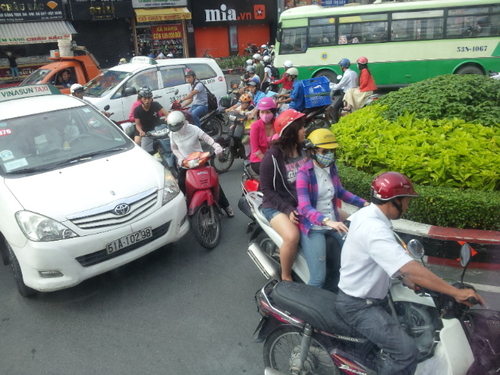
First impressions aside, Ho Chi Minh City has the face of a true Asian metropolitan city, with all the trimmings and a handful of other aspects specific to the Vietnamese culture.  There are skyscrapers, traffic jams, thousands of bars, hotels, massage parlours, educational institutions and restaurants, imposing conglomerates and international franchises; and an excited buzz that seems to blend in to part of the background.  There are also motorbikes and scooters (apparently referred to as ‘Hondas’) on every highway, road, alleyway and sidewalk.

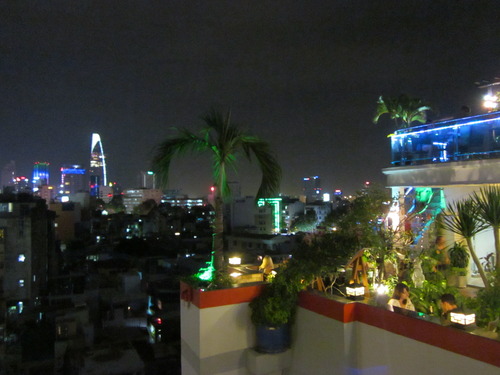
Ho Chi Minh CityWe stayed in the Pham Ngu Lao area (which is where most tourists end up staying and where there is an abundance of hotels, restaurants, bars and entertainment).  It’s about 40-60 minutes from the airport, traffic-dependent. Our accommodation at Ngoc Linh Hotel was comfortable and clean, we ate at Mon Hue restaurant (wow, great Central Vietnamese cuisine!), watched some rugby at The Spotted Cow (a little pricey, but great Australian-style menu), explored the market, had a wonderful dinner with a view at Duc Vuong Hotel roof-top restaurant and enjoyed a lovely massage around the corner from our hotel at Mi Mi Massage (cucumber masks and quiet privacy!).  We also enjoyed a rather scrumptious brunch at Bookworm’s Coffee, just around the corner from our hotel.

TIP: It might be a good idea to wander around Ho Chi Minh City in pairs rather than alone, especially in the evening; as in any big city, there are obvious criminal elements around and vigilance is encouraged.

Our group split up on the last day and some explored the city on foot while the rest took a day tour to the Mekong Delta. In the end, both groups insisted that their days were better.

I almost don’t feel qualified enough to write more about the city because what can two days really tell you about any place? You will have to go and experience this city for yourself.