“Mist-blanketed rivers with crocodiles have tales to tell, I’m sure.” – Heather Lind.
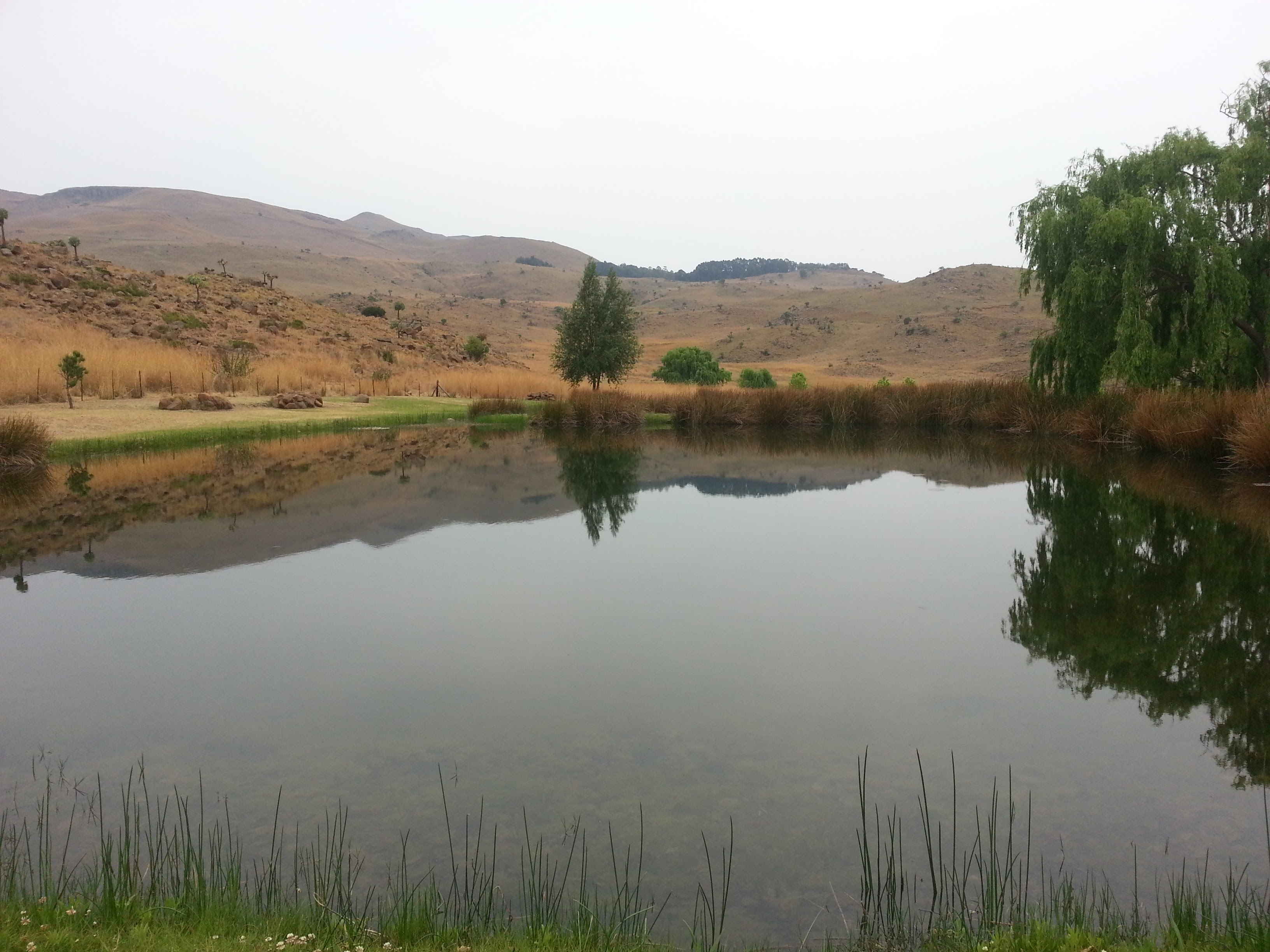
 The mist in Oribi Gorge, just like in the rainforest. PHOTO BY: HEATHER LIND
More than a decade ago, we planted a tree in the rainforest. It was one of those last-minute decisions you make when you’re leaving a beautiful place and wonder how you can leave some sort of mark on it.
We’ve always been free souls who preferred to leave footprints and take only memories. I guess it was a sort of ‘ethical traveller’ decision. It’s the same reason we never rode an elephant or went on those boat tours to see the propeller-etched whale sharks they feed to keep nearby for tourists.
We don’t buy curios most of the time unless the mementoes on sale are directly helping a local person earn a living. In this case, planting the tree was the best of both worlds. We were supporting a local business and, at the same time, contributing to reforesting the badly depleted jungle.
That tree also contributes to the oxygen you and I are breathing at this very moment, 11 years down the line. Yes, we understand that this little side business of the place we stayed at was to make money.
Isn’t it okay to feed your family off the money tourists are willing to pay for a tree-planting exercise? You’re making a living and helping the jungle ecosystem. We even got a ‘plaque’ – a little wooden thing painted with ‘Linds’ on it. They stuck it in the thick mud next to our sapling. I guarantee that plaque is not there today. It was the kind you might recycle later for another tourist by painting over it. That’s okay. The tree, though? I often think about it.
I’ve planted many, many trees since then, particularly on our farm in Oribi Gorge. Hundreds of trees. But I still wonder what that tree looks like now. Is it towering over the little wooden huts with the rickety boardwalk? That boardwalk was really the only way to walk from your hut to the place they served food.
The ground was basically just thick mud up to the knee. Thousands of leeches were also just waiting for you to squelch over there so that they could feast.
I’d still go back to see that tree, but we’re older and wiser now, aren’t we? Imagine what else we would notice ten years on. Mist-blanketed rivers with crocodiles have tales to tell, I’m sure.

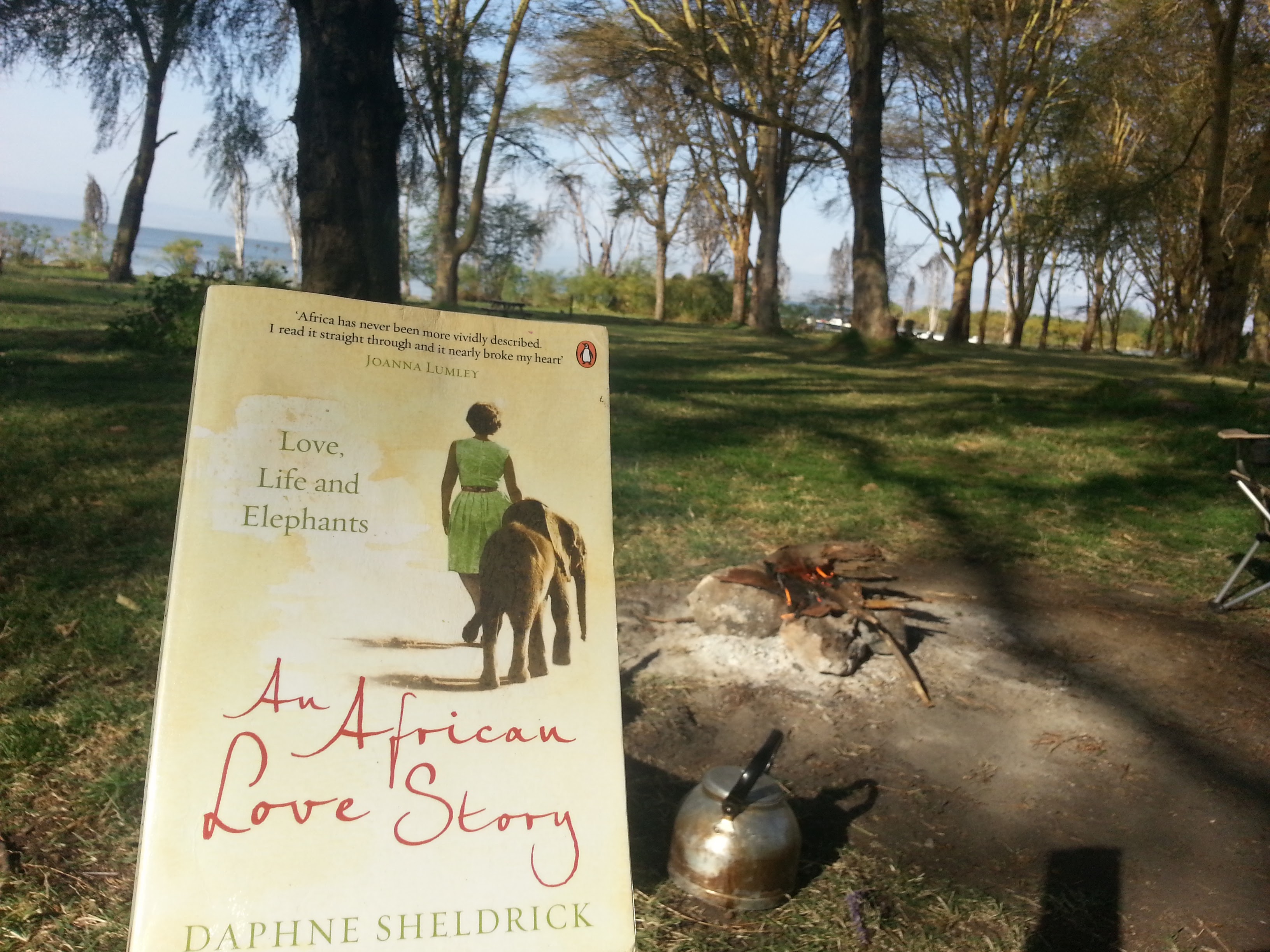
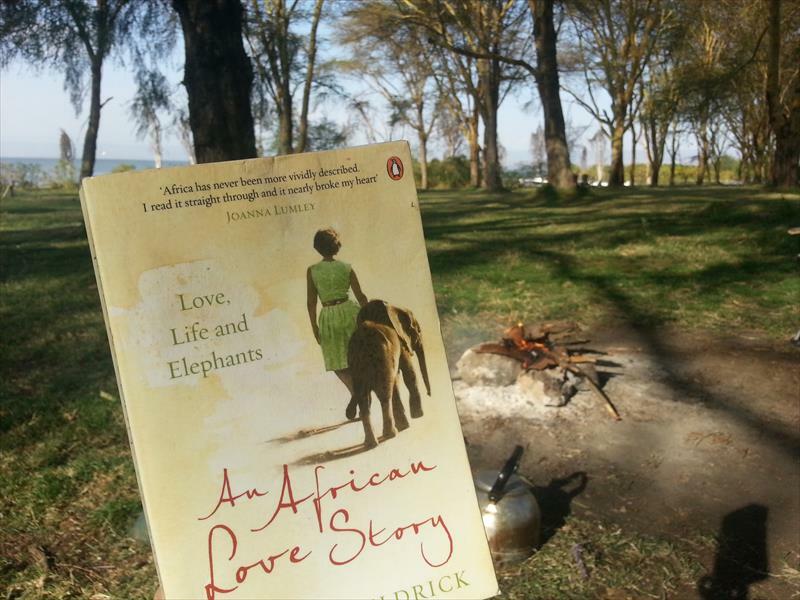 The privilege of reading in a campsite next to Lake Navaisha, Kenya. Photo By: Heather Lind
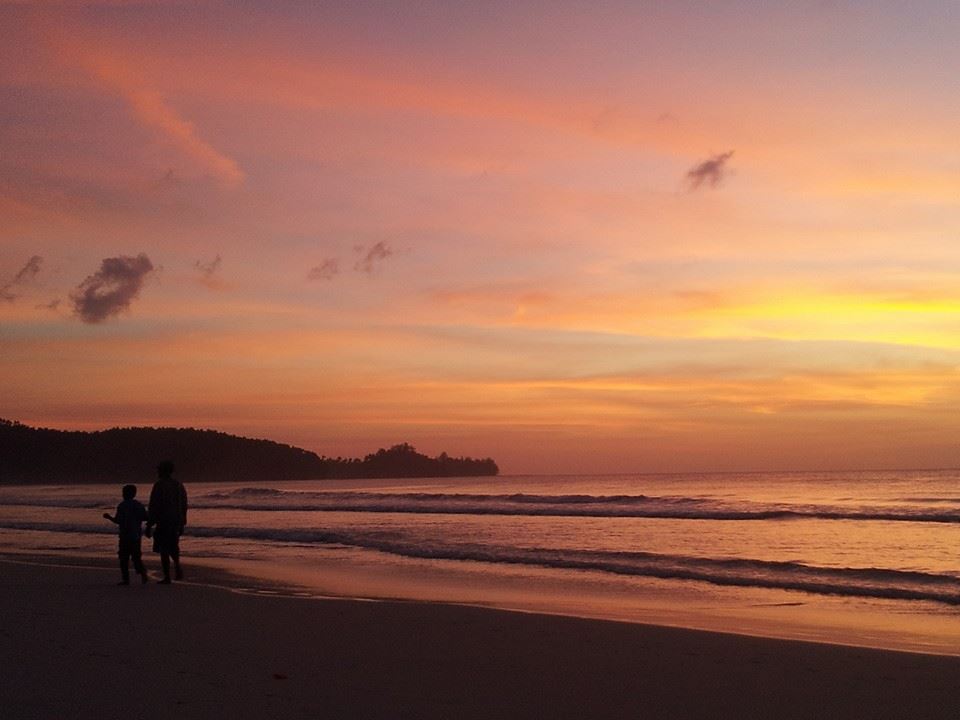
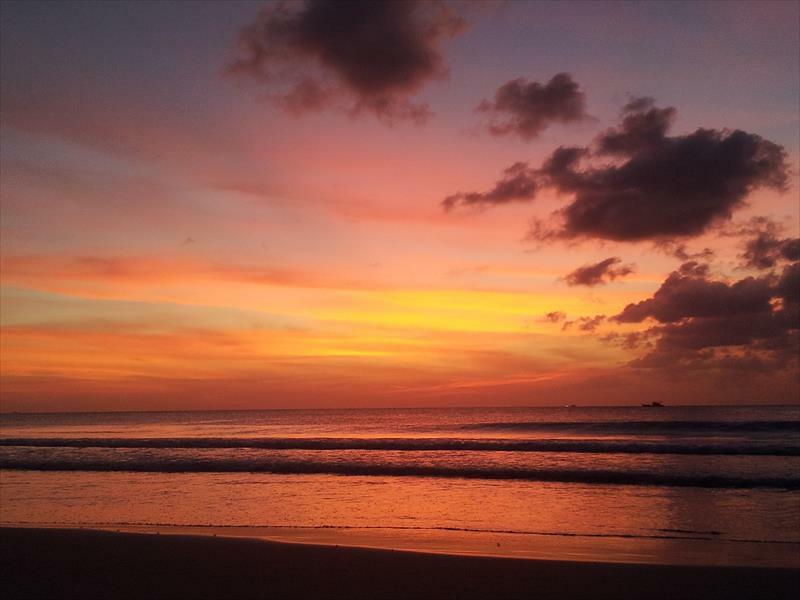 Sunset at the Tip of Borneo. PHOTO BY HEATHER LIND
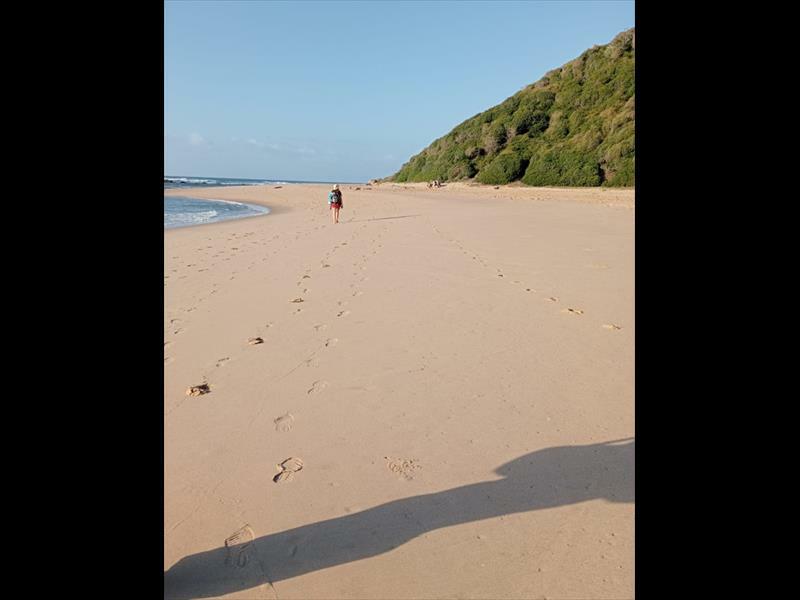 Oribi Mom at Mabibi in iSimangaliso Wetland Park.
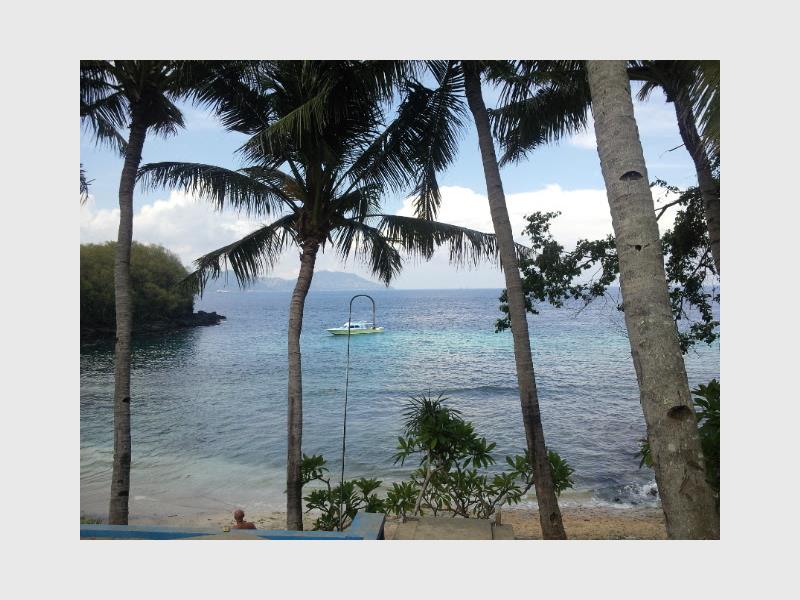 Jogging on beaches in Indonesia was often beautiful but home has less plastic rubbish. PHOTO HEATHER LIND
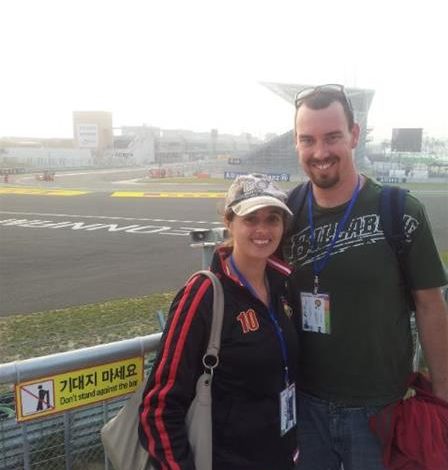 Heather and Robin Lind at the 2012 Korean Grand Prix.








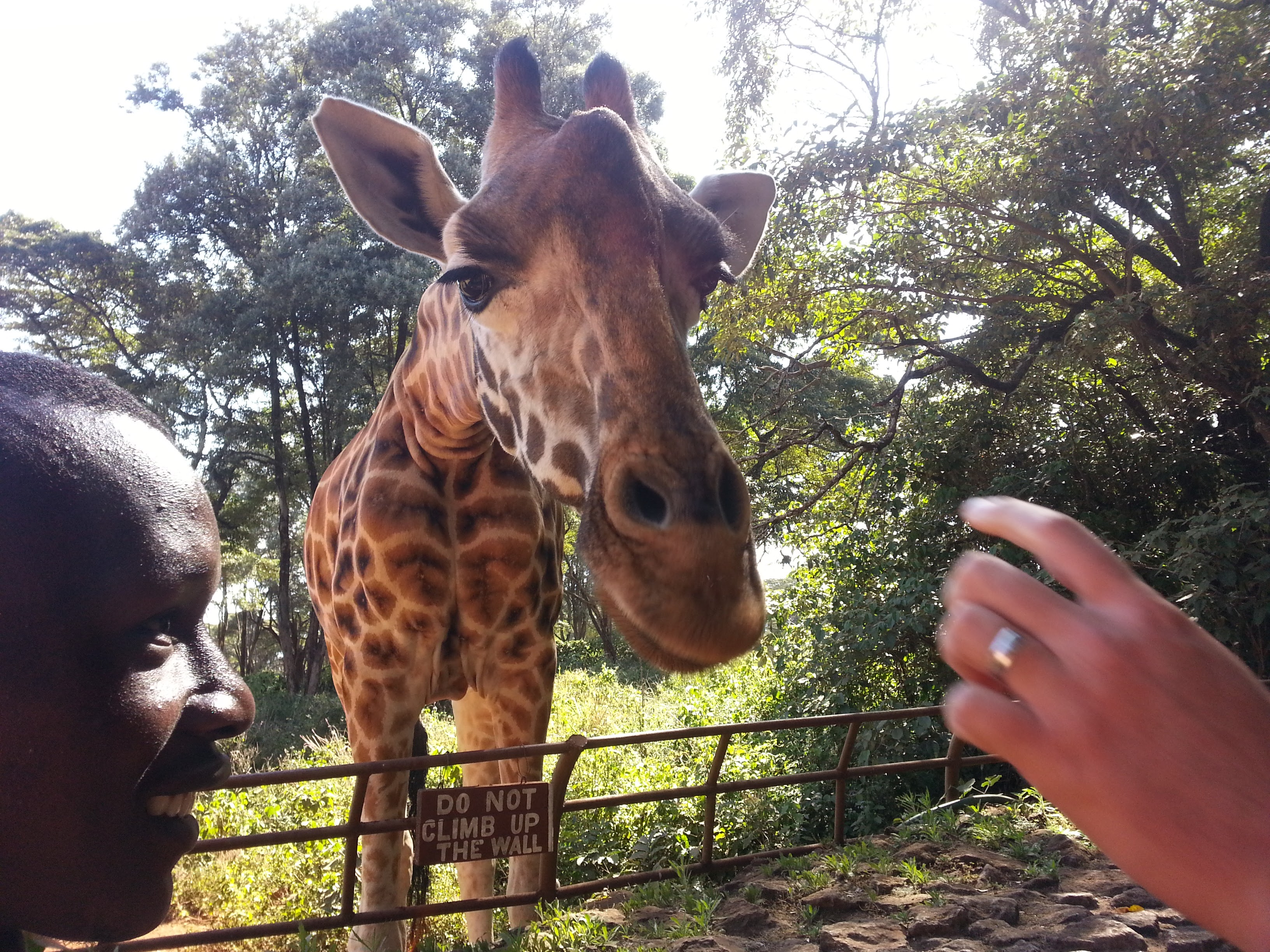
 Kissing the giraffe seemed unthinkable, but we were assured by giggling giraffe centre educators of the ‘antiseptic properties’ of their saliva and the kisses were indeed great fun to photograph (because only one half of Travelinds was brave enough to do it after watching a few people get plastered). A 45cm tongue is rather adept at twirling the pellet right out between your thumb and forefinger and the head butts signal a demand for more!
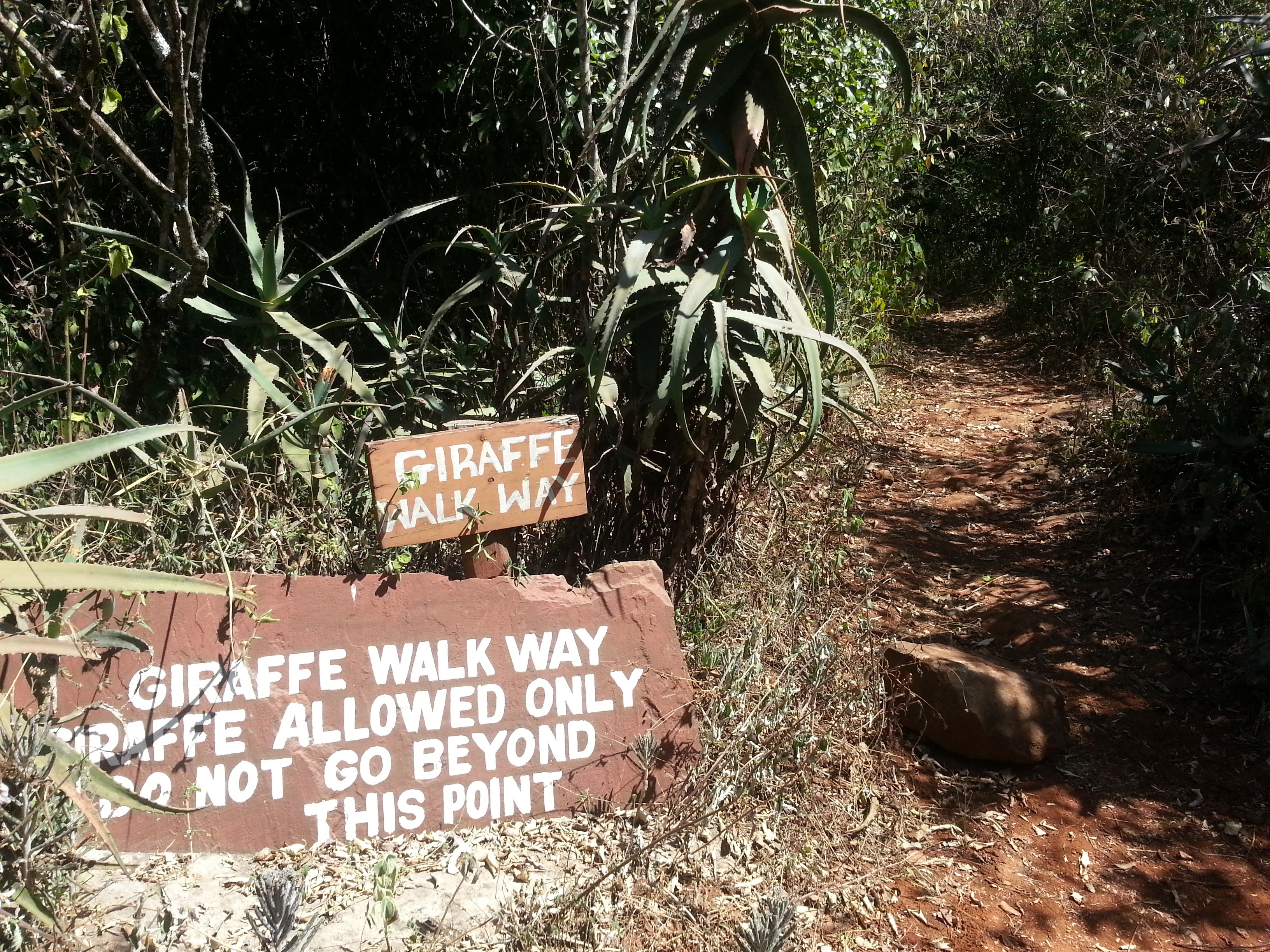 It was a hugely entertaining, and most of all educational visit, where we learnt about the subspecies of giraffe in Africa and how to identify them. Before this, we were not even aware that we had seen different types of giraffe (Masaai with splotches, Rothschild with white legs and the Southern Giraffe which we have in South Africa).




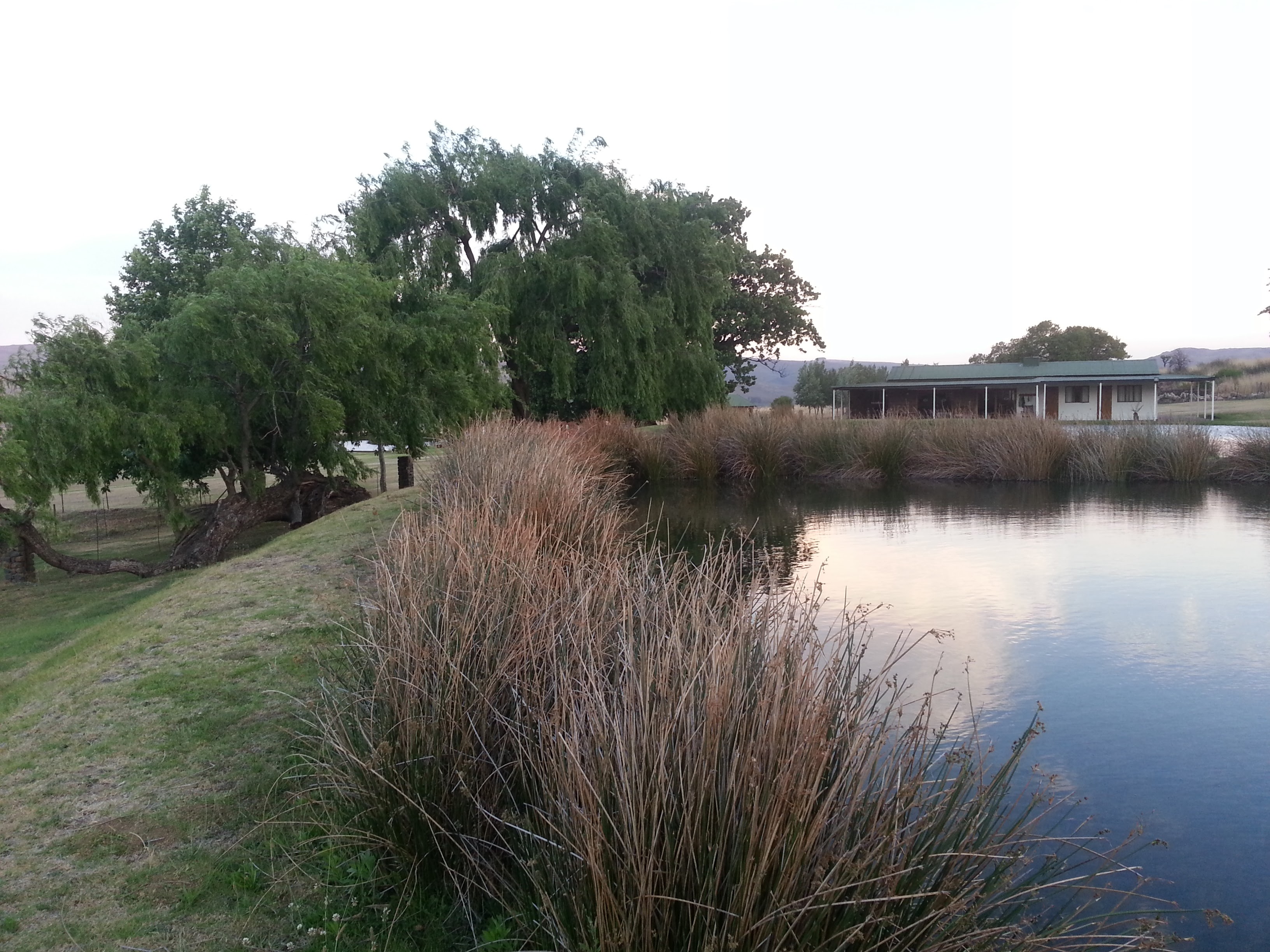
 A Sweet Camping Spot