Tag Archives: relax

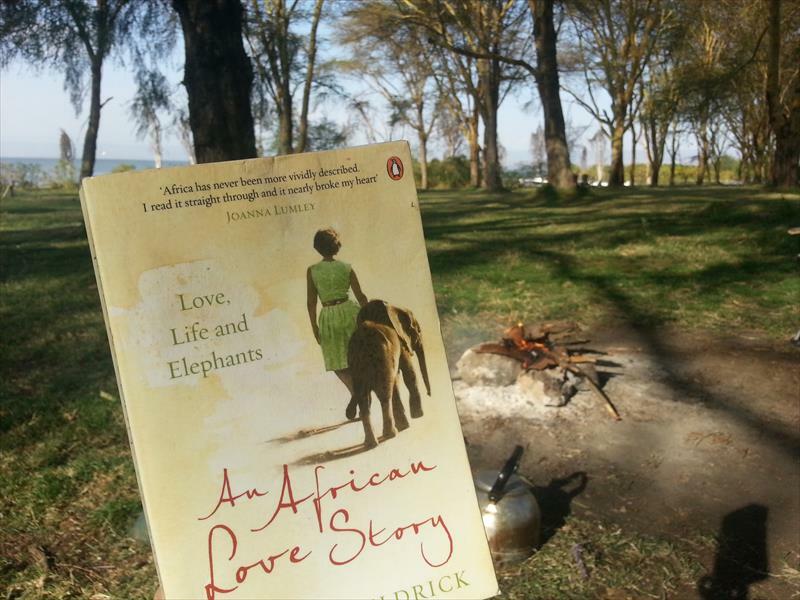
Oribi Mom: Escape the World – Read!

“Read wherever you can, even if it’s pouring with rain.”


November 2, 2023

There’s not much time to read these days. It used to be easy, grabbing a book in the evenings after a day of teaching or reading a quick few pages on the subway as we travelled up to Seoul or Pyeongtaek for various reasons. The ultimate relaxation was lying on a rickety lounger or a colourful towel with salt spray in my face. I’d fliick though an old, yellowed novel that I’d found on a resort’s shelf nearby or swapped with another traveller.

A Winter Escape With Piles of Books

There was one winter holiday where we had a few days off and couldn’t stand to be in -10 degrees for another second more than necessary. So, we hopped onto the cheapest flight we could find and headed south to The Philippines. In that case, it was to an island called Virac. The flights were cheap because it was the rainy season in that area, but who cares.

We took rain jackets, quick-drying shorts, and waterproof hand luggage. It absolutely poured when we arrived, and continued to do so for the whole week we were there. Since we needed rest more than adventure for those few days, we made full use of the hut on stilts we slept in with bamboo floors and a big mozzie net. And then we found the books.

Without much Wi-Fi around, even Oribi Dad got stuck into the whodunnits, corporate thrillers, and spies on offer. Days and days and days of reading, interspersed by meals of freshly caught crayfish… I mean who can really complain about a little bit of torrential rain?

Travelling To Tropical Islands Just To Read Books? Why Not

That happened to be a world-famous surfing beach with a festival of hundreds of people in July. But in January, we saw one other family arrive the entire time we were there.

The family who owned the five huts at our ‘resort’ seemed confused about why we were there. They kept apologising for the big box of books that were still wet from flooding before we arrived. We were glad that we could contribute to their income while getting a holiday out of it ourselves. And they made the most delicious crayfish and fresh fish meals for us every day.

When I pick up a book back at home, that’s the memory it triggers. Well, that, and the many other places I’ve been privileged enough to read books in. May there be many more in this lifetime!

Published here.

Travelinds Top 10: Beach Travel Items

Travelinds Top 10

Beach Travel Items

Travelinds has experienced a range of different beach trips and the following are items that we really cannot go without aside from swimsuits and suncream (*cue drum roll…*):

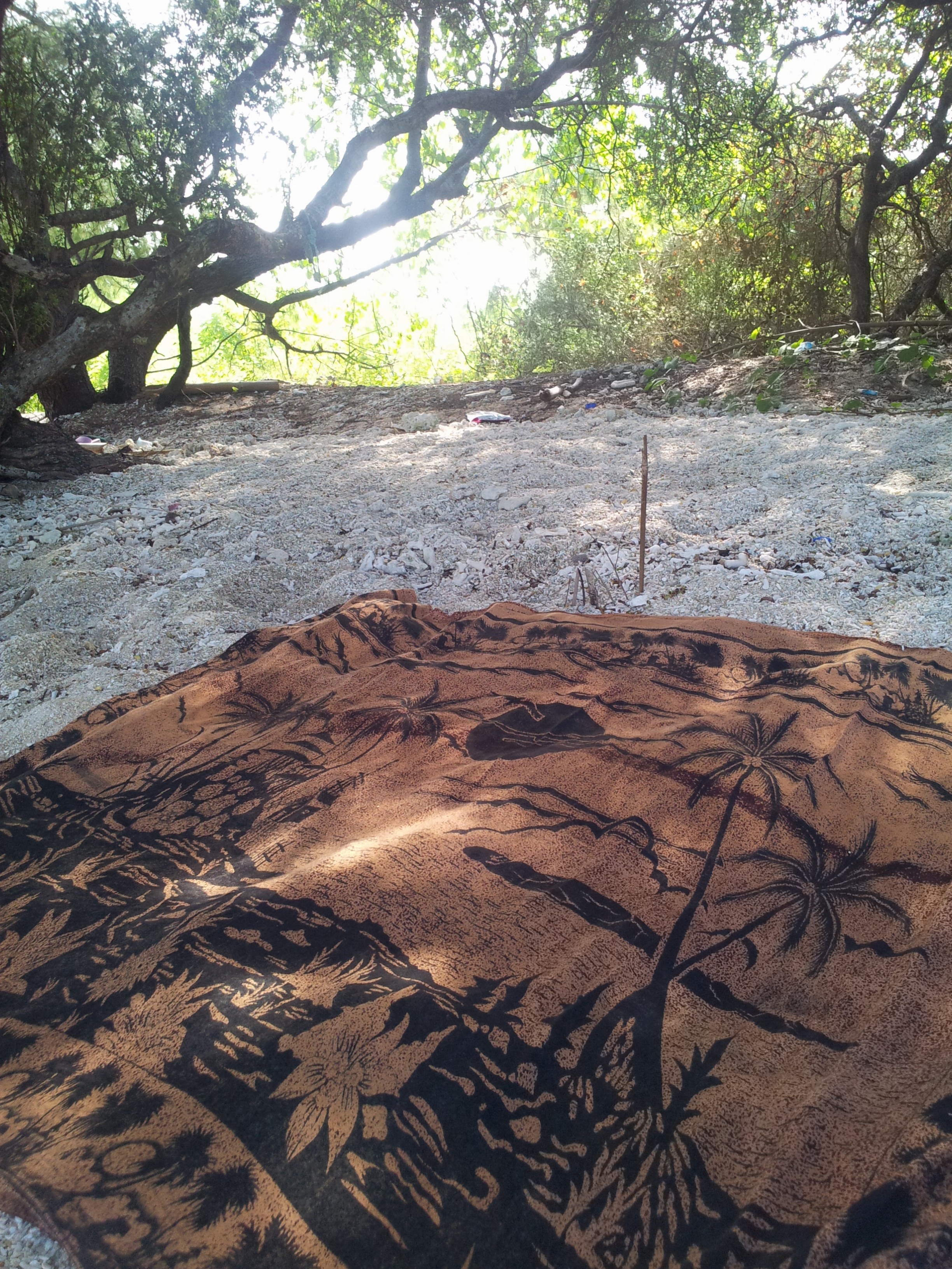
1. Sarong

It’s versatile, light-weight and easy to pack into a small space.  Sarongs are good as a towel, a sun cover, a beach blanket, clothing and a cover against mosquitoes in the evenings.

2016-04-19 09.22.17

2 Hat

Hats are an obvious item, but also one that saves a face from a world of pain and long-term sun damage.  Hats can generally be easily replaced if forgotten or lost, except on isolated tropical islands like we visited in the Philippines.  Hats protect your face against the sun and rain (and cover a bad hair day, too!).

20150819_113507

3. Sunglasses

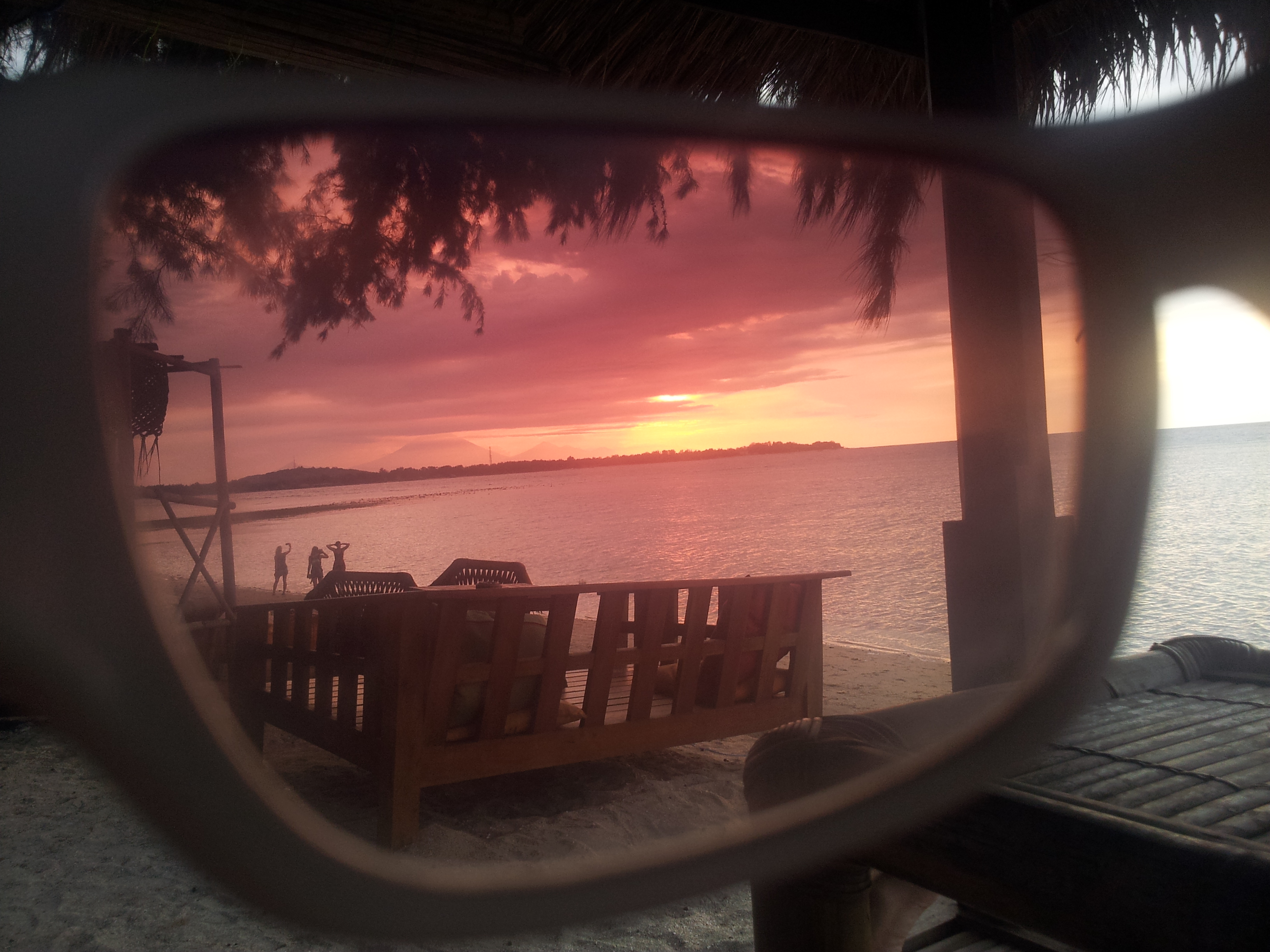
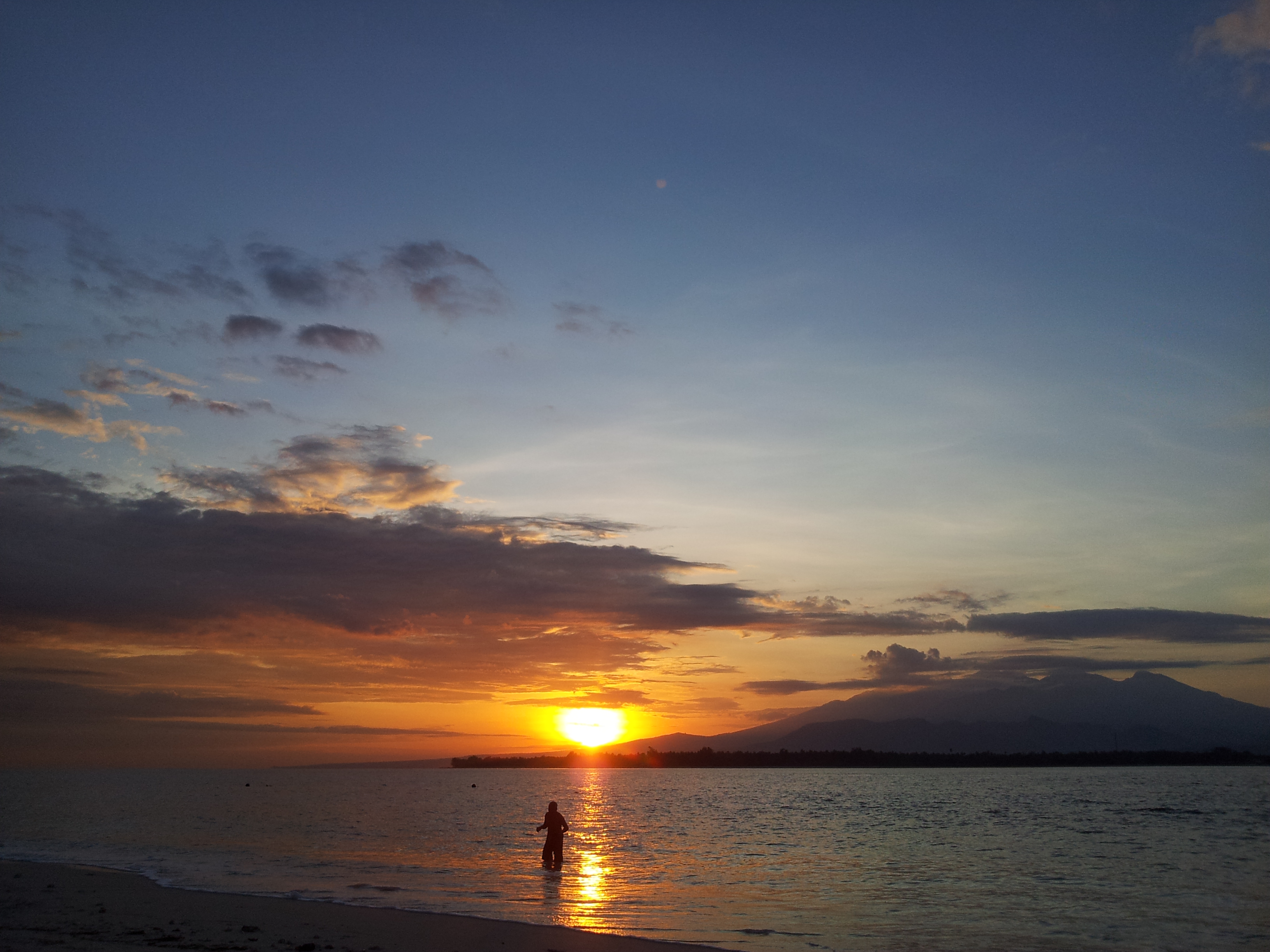
Light-coloured eyes will thank you for some extra protection from the harsh glare of the sun.  They are also quite stylish, if you’re into that sort of thing, and, without sunglasses, you wouldn’t be able to take an amazing sunset photo like this one in Gili Air…

Sunglasses sunset

4. Rash vest

This is one of the best investments we’ve made for any water activities – good sun protection, as well as an extra guard against stinging water creatures and plants.

2016-04-26 11.23.33

5. Hammock

You can sit down, lie down, swing, sleep, read and daydream.  It keeps your feet clean, your books out of the sand and a breeze through your hair. You can string it up in the shade, anywhere, anytime. Also, your swimsuit can dry on both sides. What’s not to love?

Hammock

6. Snorkel and Mask

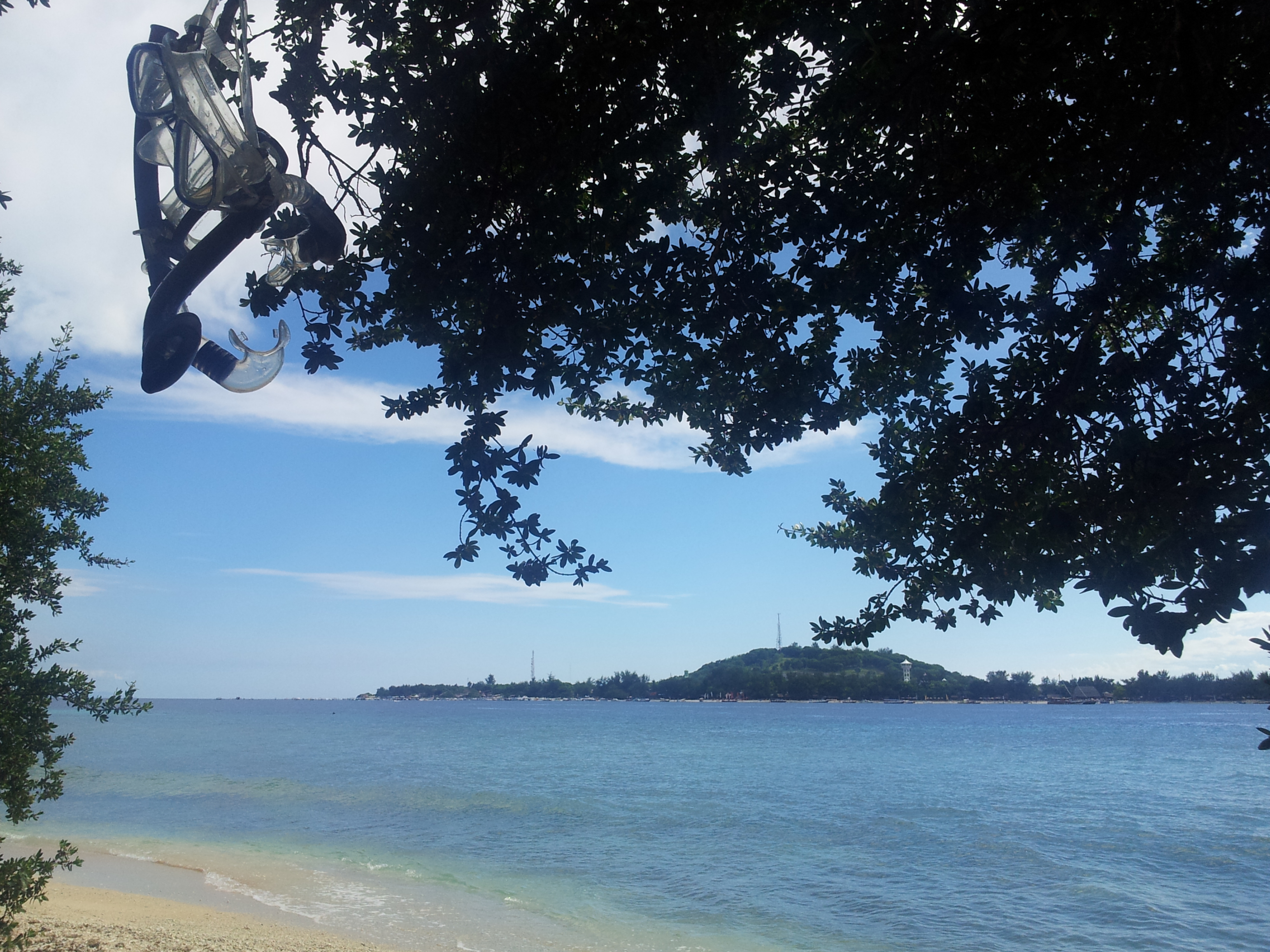
Having our own snorkel and mask with us has been a great idea.  It allows a lot more freedom to explore the underwater surroundings at each beach without having to rent it (or miss out completely).  It is also helpful to have some goggles (like the kind you’d use in a pool) as a backup for long swims.

Snorkel

7. Dry Bag

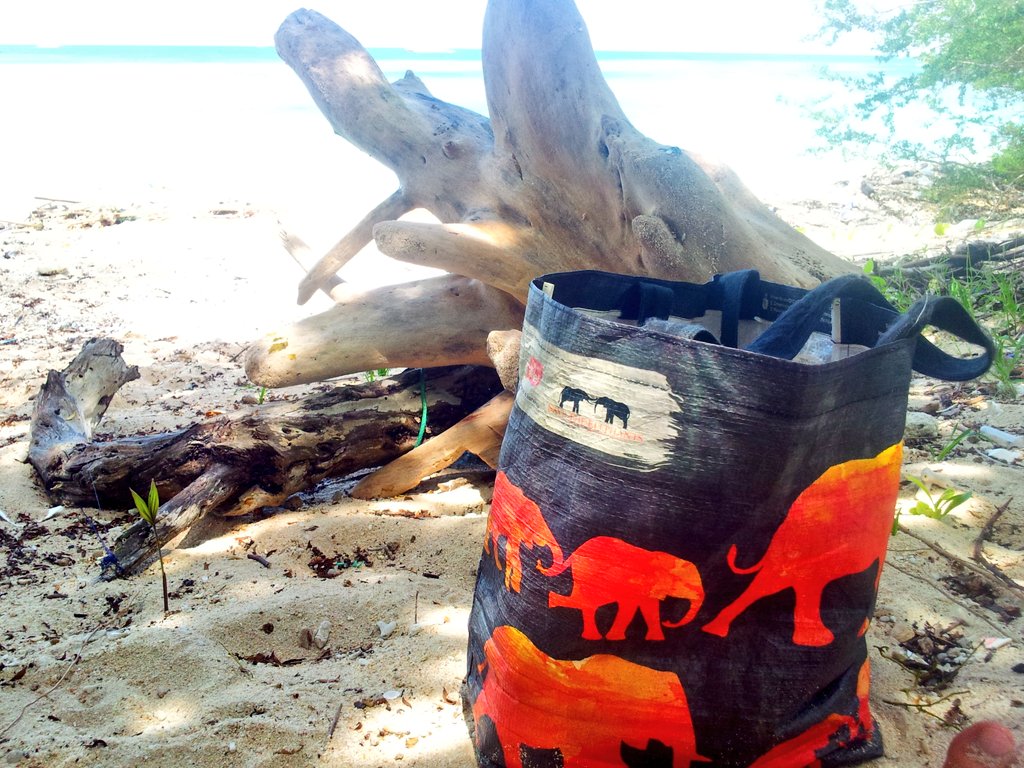
Whether for a boat tour, a water transfer, a ski trip or a dive, the dry bag is usually a good idea to avoid general spray and the odd freak wave soak.  Cameras, cellphones, wallets and books will thank you later.

Dry Bag

8. Refill water

The amount of plastic in our precious oceans is shocking and disgusting, and we can make a difference every single day. Take your muggy along rather than buying plastic bottles along the way. Being environmentally responsible tourists is a daily choice and one of these decisions is to use water refill stations (or decant from large recyclable refills for the duration of your trip) rather than buying more plastic waste.  Incidentally, it will also save you money. For example, on Gili Meno (Indonesia), the price of a 1.5-litre plastic water bottle was 5,000 IRP and the price of a 19-litre (5 gallon) refill water tank was 22,000 IRP (excluding a deposit). That’s a 65% saving on the price per litre if you ditch the 1.5-litre bottles and choose the 19-litre refill instead (about 4 days worth for the two of us).

Water

9. E-reader

This little device has truly changed the way that I read both at home and abroad.  Travelling with it is easy and this means I read more wherever I am, at any time of the day or night.  Books are still amazing, but an e-reader allows me to carry around my whole library, use it at night in places without electricity and read more than one book at a time without taking up more precious space in my small backpack.  The world needs to read more – do your part!

20150925_085505

10. Camera

Obviously, a camera is an essential item to capture the beauty of all your travel destinations, like this sunset at the Tip of Borneo.  You can share it with others, and refresh your memories as the years go by.  Together with a dry bag or sand-friendly cover, keep some extra batteries and a universal adapter so you can recharge it easily.

camera

Armed with Travelinds Top 10: Beach Travel Items you are ready for any beach in the world – and there are some breathtaking beaches out there, no matter where on God’s beautiful green earth you go!  Check you on the flip side.

What are you favourite beach travel items? Travelinds would love if you left us a comment below!

If you liked this post, check out Travelinds’ post

Tips for Travelling in South East Asia

Gili Meno Bliss

April 2016

Gili Meno – 10 days of bliss.

“…a series of swims, naps, novels, games, walks, talks and snorkels with turtles…”

We could end it there, but hopefully some elaboration will convince you that Gili Meno is really worth the effort.

The Gili Islands

When people talk about ‘The Gilis’ they are generally referring to the three tiny Gili islands off Lombok’s northwestern shores (between Bali and Lombok).  Gili Trawangan, Gili Meno and Gili Air have become a tourist hub for those searching for a slightly different experience than what mainstream Bali has to offer.

2016-04-11 12.26.42

Gili Trawangan (furtherest from Lombok) is the main destination for those party-seeking young backpackers looking to get lost in the endless sounds of deep bass reverberating off the gentle waves.  Being the gentle travellers that we are, looking to enjoy natural beauty and soak up God’s amazing creation, Gili Trawangan was the only one of these three that we did not spend time exploring.

Two night on Gili Air, a mini-version of Trawangan (closest to Lombok), was definitely still relaxing and the snorkelling was lovely off the north shore.  The Matahari Bungalows did not have a sea view, but were still beautifully finished and well worth 300,000 IRP (including breakfast).  Turtles, eels, a ray and a living cowrie were just some of the spots snorkelling off the northern beach (near the Gili Air Wall).

Please note: The management photo on TripAdvisor does not reflect the Matahari bungalows (it shows the beachfront Gili Air Hotel pool with umbrellas which is on the northeastern side of the island).

There are also countless other Gili islands all around Lombok, some inhabited by local Sasak tribes and others not.  We did not have enough time to explore these other Gilis or find ways to get there, but it certainly would be off the beaten track from regular tourists.

2016-04-19 06.25.00

Meno is awesome

Gili Meno is the middle island, the quietest and the smallest of the three Gili islands. It is difficult to describe how much we loved Gili Meno – so much so that we decided to spend a full ten days here right off the bat.  Tranquil island life surrounded by natural beauty and the most stunning coral reef almost right around the island, easily within reach from the beach on every side.

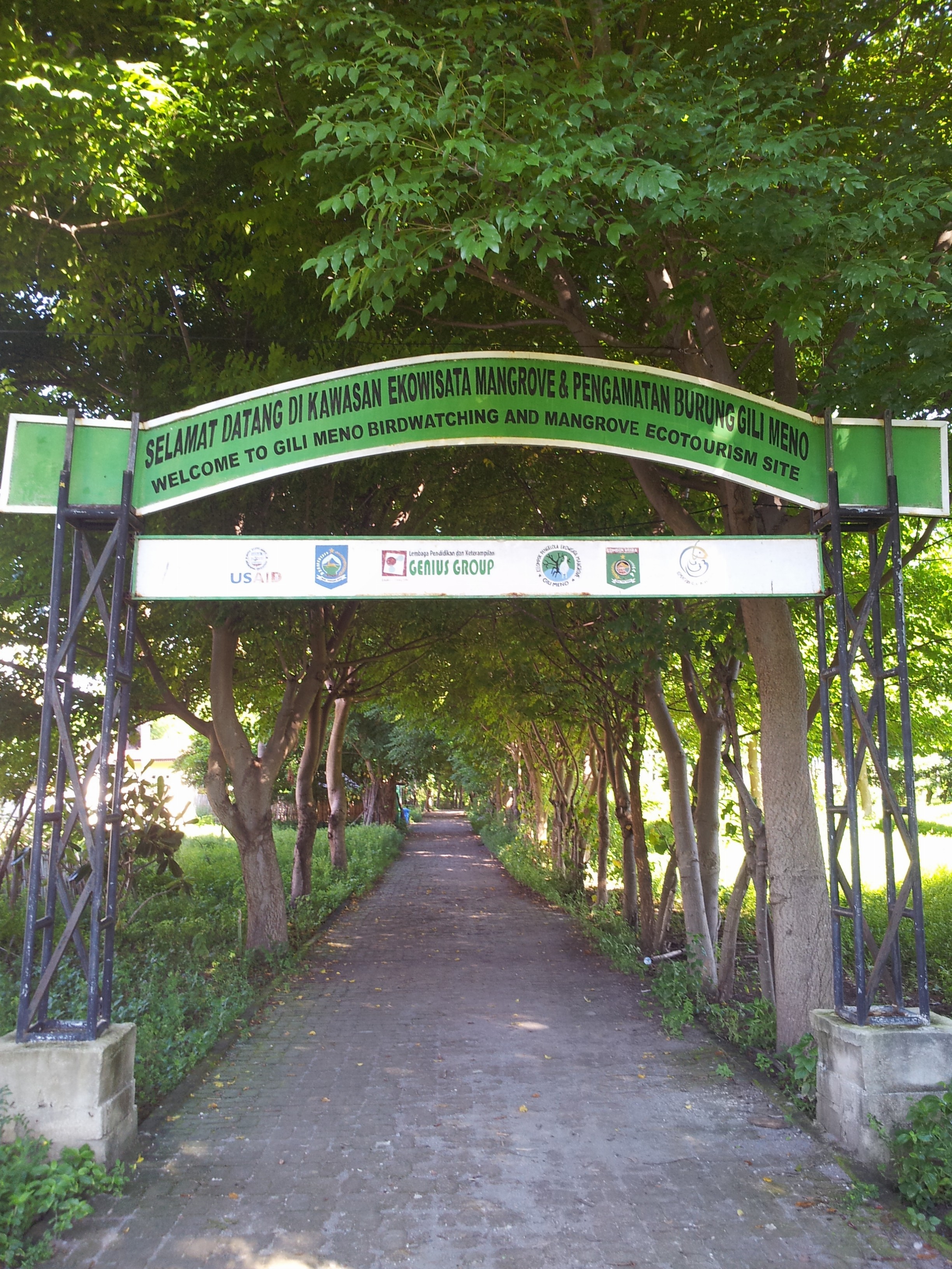
2016-04-18 08.59.19Focussed on preserving its natural assets, Gili Meno boasts a shallow lake (a mangrove conservation area teeming with birds, monitor lizards, Fiddler crabs and golden orb spiders), a turtle sanctuary, a tiny port and a handful of laid back locals and their horse carts.  The few lodges, resorts, bungalows and homestays dotted around the island are far enough from each other to give some privacy, but close enough to take a quick walk to find meals.  The beach is at most a 10-minute walk away, in any direction.

As on the other islands, and mainland Lombok, the mosque leads prayers five times a day (if there’s electricity); and most times on Gili Meno it’s the island’s children that take turns at the microphone to practice their chants.  The islanders are friendly, hospitable, hard-working and always ready for a chat about life in Indonesia.  Enterprising and proud of their island, the people are invested in protecting the environment and using tourism in a responsible way (always great to see).  It was also interesting to hear mention of an aquaponics documentary that was filmed at the Gili fish farm (somewhere out in the ocean) that the locals go to about once a month on rotation.

Life on Gili Meno is also slightly cheaper for tourists than the other two islands.  We were spending about 175,000 IRP per day (for two of us) including accomodation (with breakfast), one other meal and activities (which were free, because we snorkelled right off the beach).

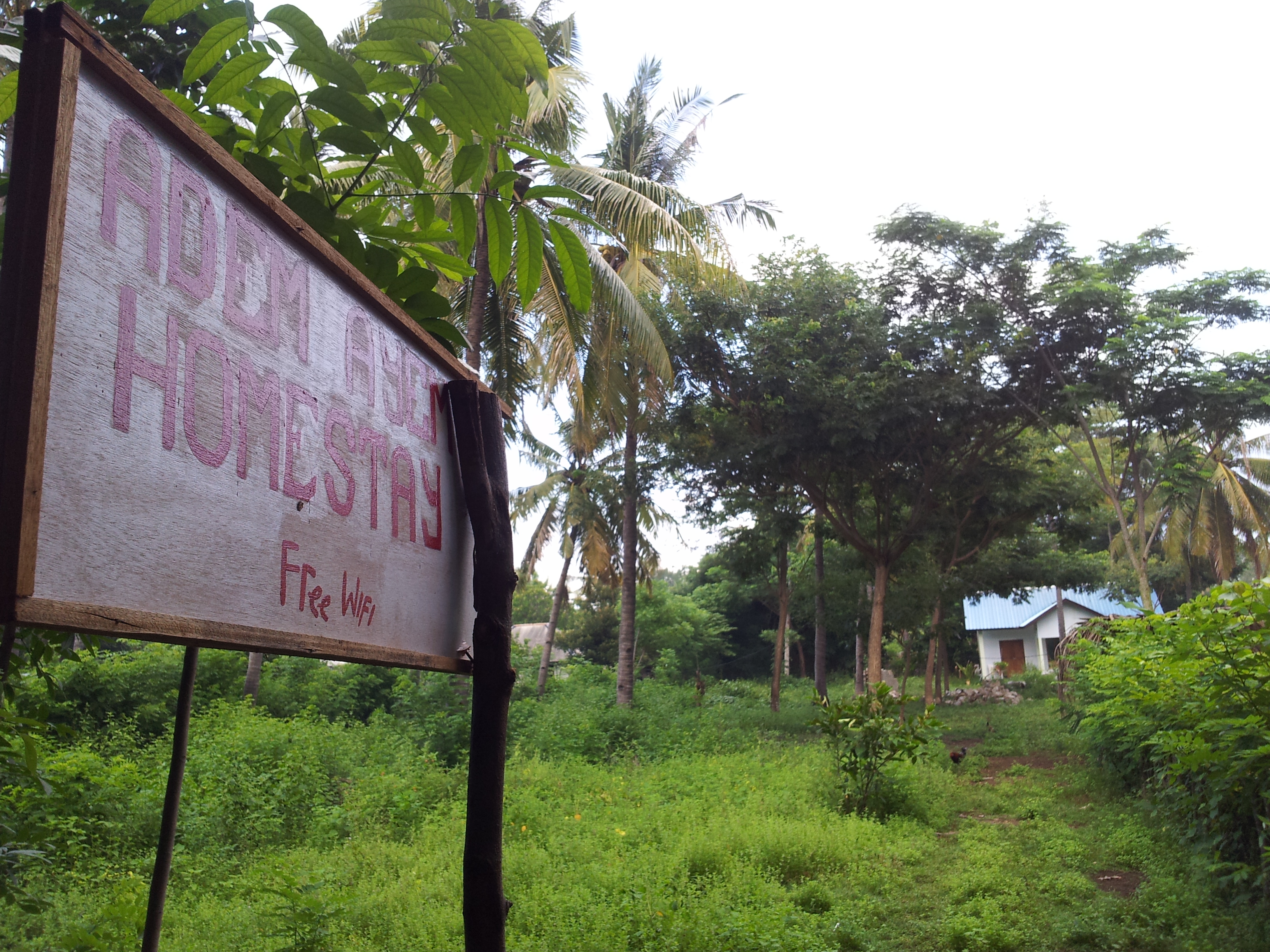
Adem Ayem Homestay

2016-04-19 07.31.17We had an awesome stay at Adem Ayem Homestay (the neighbouring plot to Nura Homestay) in the middle of the island.  For only 150,000 IRP a night (low season) there is a wonderful air-conditioned room with en-suite bathroom, free WiFi and porch (and this includes a delicious breakfast from Mama Nura, too).

Nura Homestay is right next to the Mosque, so you’re up at sunrise, however, being a quiet island, we were in bed early too so our days in the sunshine were longer and fuller to enjoy.

Restaurants and Resorts

Gili Meno has quite a large range of restaurants for such a small place and we ate like kings.  Indonesian fare is common but there are also a few other types of cuisines on offer.  For both cost and authenticity, we stayed with Indonesian dishes and enjoyed curries, nasi goreng, mie ayam and other tasty food – read about Indonesian cuisine here.  Our favourite restaurants for the week were Pojok No.5 Star, Two Brother’s, Warung Gratis and Warung Be Family, none of which are on TripAdvisor (these are mostly in the middle of the island as the beach restaurants cost slightly more). On average, we paid about 25,000 IRP per meal per person.

Secret Spot

Each day we went out to explore the island and find a perfect spot for the day.  Armed with some of the Travelinds Top 10: Beach Travel Items we found a few fantastic places to plonk down and delve into our books, naps and snorkelling hours each day.  Life on the island was a series of swims, naps, novels, games, walks, talks and snorkels with turtles – as it should be. Fantastic!

The one spot is a bit of a secret, but we’ll happily share it so you too can enjoy the peace and quiet of Gili Meno under a shady spot, at the perfect entry point for the stunning coral reef, where we saw turtles every single day! Head along the beach towards the Mahamaya Boutique Resort from Diana Cafe.

Just before Mahamaya, you’ll see a huge bush on the beach with a shady spot inside it.  Tucked away from the sun and the tide line here, it is possible to spend hours and hours reading, sleeping, relaxing and swimming – and hang up your snorkels and sarongs on one of the tree branches when you’re done.

You’re welcome!

2016-04-16 15.25.58
Secret Spot view of Gili Trawangan. This reef (30 metres out) is where we swam with turtles everyday.

Getting to the Gili Islands

The Gili Islands are relatively easy to reach from Bali or Lombok, but you will need to set aside some extra time if you are not taking the fast boats.  The options are:

  1. Fly to Bali. Take a shuttle with fast boat (a shuttle to Padang Bai and then a fast boat) to the Gili Island of your choice.  Book this at any travel agent or online.  We paid around 300,000 IRP for this service from Gili Air to the Bali airport.
  2. Fly to Bali. Take a public ferry from Padang Bai (to Lombok – about 5 hours). Take a van/bus to Bangsal Harbour (2 hours). Take a ferry to Gili Islands (half an hour).
  3. Fly to Lombok (from Bali – we paid 150,000 IRP with Lion Air). Take taxi/bus to Bangsal Harbour. Take a ferry to Gili Islands.
    • We used Option 3 since we spent a few days on Lombok before heading to the Gili Islands.Snowflake Moray Eel washed up on beach

Have you been to the Gili Islands? What was your favourite thing about the islands?

Bali, Indonesia

April 2016

For the last ten days, Travelinds has been living the high life with our folks (higher than normal, anyway) and staying in a charming Balinese villa in Gianyar. The colourful buzz of life in Bali is a great cultural experience and we have loved the time exploring this part of the world together.

Bali statue

Thriller Villas

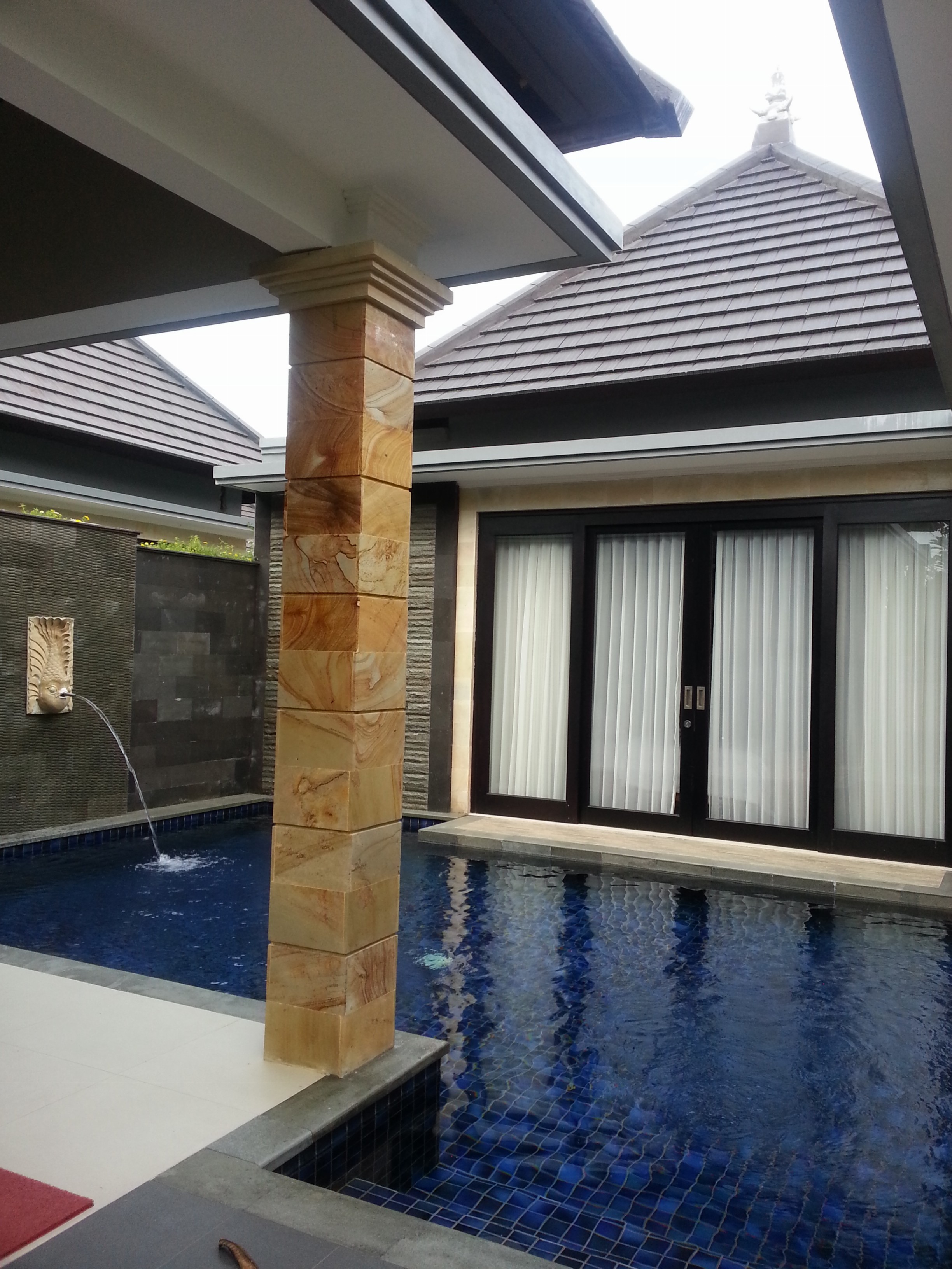
Situated beside the eastern black sand beaches, our villa complex stands in stark contrast to the rice paddies and fisherman huts around it. The imposing Mount Agung is visible on a clear day, soaring above the clouds to the east; and the stars shine brightly our here during the warm (rather hot!) nights.

IMG_clfffuIn Bali, luxury villas are now all the rage for travellers seeking comfort and privacy.  These cosy, stylish holiday homes abound, especially in the busier tourist areas.

Usually situated within a complex of similar units, the villas have high walls, private pools, beautifully finished interiors and crisp white linen.

A villa stay also usually includes a cooked breakfast (brought to you at your requested time and place) by the friendly staff in the mornings.  As an honoured guest one is treated to the famous Balinese hospitality with utmost respect.  The beautiful home seemed to clean itself everyday, in a silence and serenity, as we lounged in the pool.

It’s a pricey way to travel, but it sure was luxurious.  If you are looking for a quiet and isolated vacation to unwind, we stayed at Villa Kori Maharani.

Tours and Taxis

Since we chose a location as far out of the madness of the main tourist area as possible, we needed to take a taxi to get anywhere (other than the beach).  There were three taxi days and one tour day during the week, enough to keep us busy and wanting more.20160330_172737
Day 1: Taxi to Amed (Snorkelling and Beach)

After reading up on a few places where we could snorkel right off the beach, we hired a taxi for the day (at 400,000 IRP) to Amed.  A minimum two-and-a-half hour drive from Gianyar, there are three main beaches at Amed to swim and snorkel, but we only had time to try one of them as the drive had taken longer than anticipated.  The scenic drive winds through juxtaposed greens, blues and black as the jungles and rice paddies rise between sparkling ocean and volcanic rock faces.

Jemeluk was all we’d hoped for, enough to keep us there for two hours, and the coral was colourful, too.  After a scrumptious (and cheap) lunch at Warung Made, the drive home took us back through the hills.  A bustling crowd delayed the trip with cows, motorbikes, cars and people as we passed at least two festivals along the way – the men in their turbans and traditional linens, the woman in lacey outfits with colourful skirts and jewelry.

TIP: Look out for the East Bali Cashews and buy some to support this great local initiative.

Day 2: Taxi to Ubud, Mount Batur and Tegalalang (Countryside)
IMG_-lrlran

Another day we wanted to follow a tourist route without being packed like sheep in a bus or van, so we hired a day taxi again and set our own route.
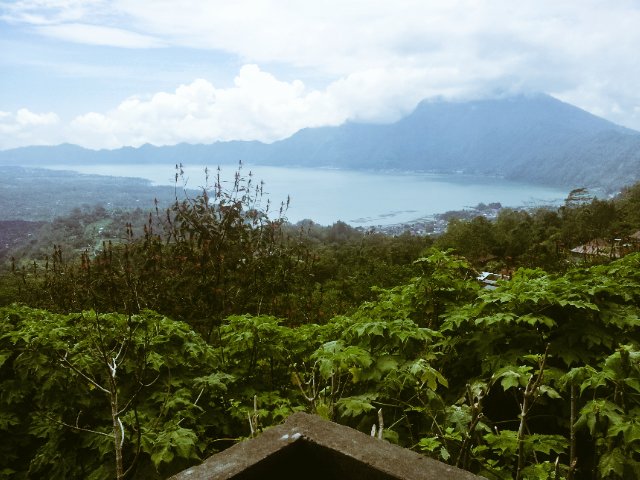
First on the list was Mount Batur, the impressive (active) volcano that boasts a beautiful crater lake on one side and black lava slides down the other.

The viewpoint for this volcano gives a wonderful panorama of contrasts and the cloud cover lifted enough for us to capture a few shots for the memory bank.IMG_20160402_182142

From the volcano, we headed down to Ubud through Tegalalang, famous for its tiered rice paddies and quaint cafe lunch spots.

Also in the area is the popular Luwak coffee plantations (literally civet dung coffee – yes, dung!) that produces some of the most expensive (and sought-after) coffee in the world.  Somehow, it didn’t appeal to us once we had read up on its origins.
Ubud is full of arts and crafts, cafes, temples, shrines, curio stores, yoga and tourists.  A picturesque little village making full use of its appeal and setting, it is a perfect place to gain insight into the cultural and spiritual side of the Balinese people.

Day 3: Snorkel Tour to Nusa Penida

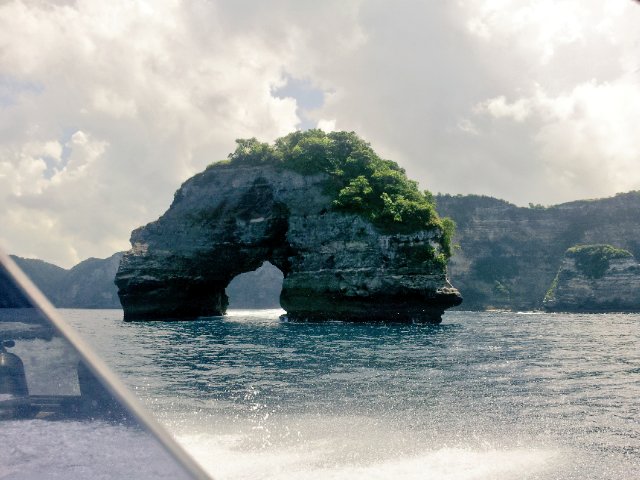
The only official tour we took was to Nusa Penida.  All4Diving did a fantastic job keeping us safe and happy, and of course, providing the highlight of our trip as promised – we snorkelled with Manta rays! Amazing! The Nusa Penida tour to Crystal Bay and Manta Point was a truly wonderful experience.
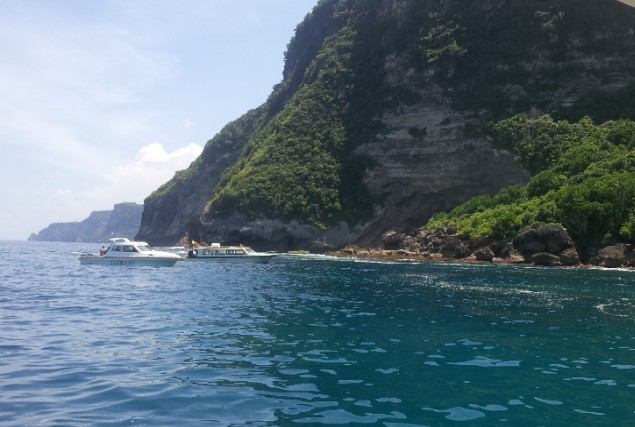
20160403_115946Crystal Bay was beautiful in both coral and creatures with amazing visibility.  Manta Point is a cleaning station (where the Mantas come to the surface for fish cleaning) and as snorkellers this was a once-in-a-lifetime sighting.

Swimming just above the 4 to 6 metre wide mantas, watching them glide majestically within touching distance, looking into their wide open mouths all the way down their empty bodies (like whale sharks) as they feed – all of it was unforgettable!

Bucket list item – check.

Day 4: Taxi to Blue Lagoon (Snorkelling)

20160405_123028The last outing was to Blue Lagoon Beach, the well-hidden eastern neighbour to a bustling Padang Bai beach (Bali’s main ferry port).

A fantastic little cove, protected on both sides by forest and cliff, the vibrant coral reef in the small bay was full of life.

Turtles, eels, puffers, large schools of reef fish and trumpet fish are only some of the residents here.  Before ten o’clock we had the beach to ourselves and there are two restaurants side-by-side with a range of Indonesian food, desserts and drinks.

It’s possible to walk from Padang Bai to Blue Lagoon – head east along Padang Bai beach road up a steep hill that winds between a few houses and down the other side.  At the parking lot head down a flight of steps on to Blue Lagoon beach (don’t forget to take a photograph on the way down to capture the sparkling aquamarine bay through the tops of the palm trees).

Taxi and Airport Transfer

During the week we used Waylan’s Taxi (private) and were impressed with his professional service, clean van and informative, friendly tour guide skills.  Give him a call on (+62)85737010230

The airport transfer from Gianyar was around 250,000 IRP (before bargaining it down a bit).
IMG_ndv8jg

Resom Resort Spa Castle

24 September 2013

This Chuseok, we had an invitation to join some Korean friends at the Resom Resort Spa Castle in Deoksan.  We arrived on the first day of Chuseok and were surprised by the buzzing atmosphere of the resort as guests streamed in to enjoy the long weekend.

We stayed 2 nights in a small condominium.  Ironically, we slept in the Korean style room (Korean mattress on the floor) and the Koreans slept in the Western style room (with a double bed).  There are two beautiful parks on the grounds where you can picnic or walk.  There was also a buffet breakfast to enjoy and of course, the main attraction of the hotel, the spa.

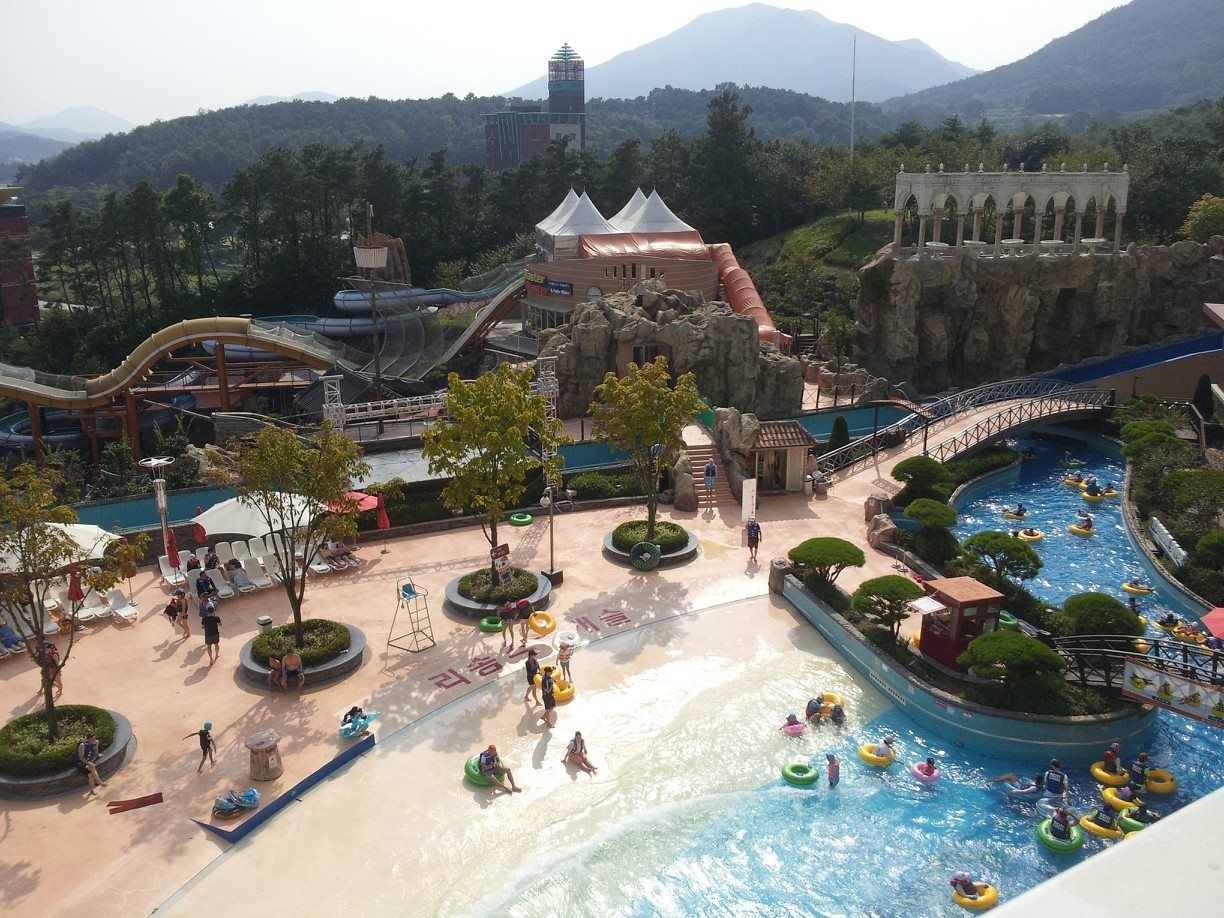
Unaware of the facilities, we had assumed that going to a ‘spa’ meant that we would find a salon style spa with massage, facial therapy, mud baths, jacuzzis and skin treatments.  We could not have been more wrong! As it turns out, Korean ‘spas’ are actually more like waterparks!

At this one, there was an indoor public bath area (women and men seperate), an indoor pool area and an outdoor waterpark area with slides and pools.  You had to pay for a day pass to enter the ‘sauna’ (indoor public bath area) or, a full day pass for all the facilities.  It was also compulsory to hire life jackets if you wanted to use any of the slides (as most Koreans cannot swim) and you also had to wear a cap (swimming or baseball cap are both acceptable)!

Of course, we had to take advantage of staying at a waterpark and so we spent a full day enjoying all that it had to offer.

The indoor public bath area was like a normal jimjilbang (public bath house) that can be found anywhere in Korea.  It was however, a little fancier than the average jimjilbang found in the cities.  Women and men are completely seperated and there are towels and powder room amenities provided free of charge in this area.  Also, everybody is naked.  Completely naked, together, in full view of everyone else.  The towels are more like hand towels and barely cover one cheek let alone a body.  In this area there are saunas, pools of varying temperatures, showers, scrub rooms, hot rock decks and massage rooms.  The powder rooms have moisturisers, hair gel, hair dryers and other consumables, which can be used free of charge.  Secretly, I actually enjoy the jimjilbang, once I’ve forgotten about everyone staring (openly) at the foreigner who looks quite different from the skinny Koreans.

Once you leave the jimjilbang, you need to be fully clothed again to enter the indoor and outdoor swimming areas.  The indoor pools were a combination of jacuzzis, swimming pools, hot and cold paddle pools and also a huge “bade pool”.  The Bade pool is so relaxing!  You move around the pool at your leisure and visit different areas to enjoy different types of hydrotherapy.  For example, there were sections with a neck massage spray, foot spa bubbles, back and leg spray, jacuzzi style pool, individual bubble bays and even a “therapy walk way” for relaxing walking.  All inside one pool. Amazing!

The outside pool area included a torrent river (70cm deep, still required life jackets), tube rides, body slides, speed slide and also a few different pools and jacuzzis to relax.  There were attentive life guards at every station and they got very grumpy if you didn’t wear your life jacket, or a cap.  It seems that it’s ok for a lady to walk around naked in front of every lady in the jimjilbang but when she goes outside she must have clothes on over her swimming costume – t-shirt, shorts, pants suit, whatever.  And the men also have long t-shirts and big shorts on most of the time.  A few exceptions were jaw-dropping bikinis and banana hammocks but these were either fashionistas or tourists.

We had a superb time at this resort and a good few laughs at the strange differences from what we’re used to back home.  I hope to return here one day soon.