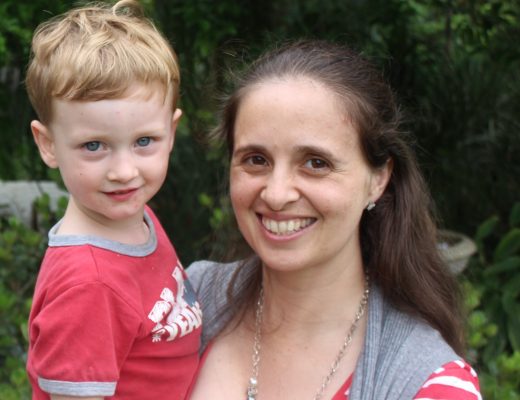
It was just one of those days today. Work ran late, spanning through three loadshedding sessions. I crawled into bed at about 11.15pm after showering in the dark. My baby woke up for the third time, his snotty nose making the feeding difficult for him. I could see his grazed eye and face by the moonlight, where he had launched himself onto the concrete earlier. Learning to walk is hazardous.
Down the passage, one brother was snoring like an elephant and the other was coughing again. It was so loud it just about drowned out the Scops owls and nightjars that have been calling so loudly since spring came around. The annoying roof rats are even louder at the moment.
Sleep Isn’t Easy When the Kids Are Sick
I slept on and off, but the baby was restless and the brothers were too. Then, at 1am, the baby’s cough got a bit worse. He vomited all over himself and my feather duvet.
I was so tired at this point that I just stripped him, threw the duvet on the floor, and found a blanket to crawl under with him. I would have chucked everything into the washing machine, but what good would that have done without power for the next two hours.
Only, it wasn’t two hours, or the regular four hours we’ve been having; it never came on. We woke up still in the dark three hours later with the whole area without power. No morning rooibos. No explanation.
There’s Power and Comfort in Community Life
A few residents managed to log a call before 7am, which was when the next four hours of load shedding was due to start. That puke duvet was still on the floor with the clothes and the normal pile of washing.
The fridges were off. The cellphones were almost flat. And the work day had started with laptops and Wi-Fi routers that couldn’t charge.
The baby and his brothers are still snotty. And the baking we did for school (between load shedding stints) was left behind in the confusion of the morning. That meant a turnaround and a little person very late for school.
But we did get him to school.
The dogs and kids are fed.
The sun is out.
And a certain van for electricity repairs has been spotted in the area.
There are also a few baked goods left to reward us for enduring all our challenges this week. We’ll make it to the weekend.
“When we came home to South Africa, it was like a warm hug, filled with hadeda and trumpeter hornbill cries, screeching francolins and twittering prinias.”
Mammal watching fun.October 3, 2023
Did you know that mammal watching is now a thing in the world? Not the safari kind we’re so privileged to have as part of growing up in South Africa, but the cousin of bird watching with lists and databases and counts and tours.
I love birds, but I’m not technically a twitcher that’s accumulating species on my life list. I haven’t seen even 1,000 of the 11,000 bird species that we have on the globe. Maybe one day.
But, this mammal watching thing is another exciting discovery for me. There are around 6,000 mammal species on earth. Lots of them are hundreds of different rodents and bats, but many of the big ones are more well-known.
South African Birds and Game Reserves Are Truly Something Special
I’ve always loved our trips to game reserves. It’s the one thing I sorely missed when we lived in South Korea for a few years.
Aside from the magpies that supposedly eat children’s teeth (apparently, the Tooth Mouse doesn’t know where Korea is), there wasn’t much going on in the way of wildlife in South Korea. Very few birds. One dead snake. A lot fewer insects than I’m used to seeing at home, too. It felt a little sterile at times, and not in a good way.
When we came home to South Africa, it was like a warm hug, filled with hadeda and trumpeter hornbill cries, screeching francolins, twittering prinias, and the boo-boo-boop of the beautiful bou bous that like to wake up my babies in the late afternoon.
I missed our butterflies and our funny-looking grasshoppers. I missed the duikers that graze on the pavements in the cities, and the knobly warthogs that zip around with their tails up through the farms. There’s so much life here.
All We Need To Do Is Start Looking Around
Investigating the mammal watching thing has also made it even more exciting to realise how many animals are right here. South Africa has a ubiquitous striped weasel. It’s everywhere but nobody sees them much because they’re shy. Just imagine what we could find in our slice of the gorge here with some heat sensors and very large camera zooms!
Aside from more large and venomous creatures than we might care to admit, there may just be hundreds of mammals all around us, hiding in plain sight. I’ll try to open my eyes a little more while I’m running or out with the dogs at the waterfall. I’ll listen for the rustling and look up when the puff backs chirp their alarm calls. That’s how they told us about a boomslang the other day.
I could see 6 000 species of mammals and 11 000 species of birds in my lifetime. How amazing! All I need is free time, a boatload of money for travel and equipment, and a bit of luck. But maybe I’ll start with a subscription to National Geographic or something. And some more walks down into the gorge forests below my house.
“We didn’t take any shells away from our travels in these magical places; that would be against the rules.”
Sunset at the Tip of Borneo. PHOTO BY HEATHER LIND
August 14, 2023
There’s something about shells that has always fascinated me. Since I can remember, I’ve felt a calm descend as I walk slowly through the sand. I glance here and there to find the prettiest, most interesting shells the beach has to offer for the day.
Sometimes, you have to look for a tiny point sticking out among grains of sand before sticking your toe in and flipping it out to reveal what’s underneath. Sometimes, it’s just a piece. Other times, it’s an unexpected masterpiece that you can’t stop looking at in your hand.
Beaches Around the World Have Shells For Us To Find
When we were on the north coast in the school holidays, seeing old dried turtle eggs on the dunes was very exciting. It reminded me about the time we arrived at a beach in Kenya for a few days with family. It was raining. We jumped out of the car after a flight and a taxi ride from Nairobi. People were running to the beach to watch tiny hatchling green turtles emerging.
Only God could have timed that for us.
Those little turtles were awe-inspiring. Working with all their might to get out from their deep nest under the sand and poking out their heads into the rainy afternoon. They were absolutely covered in sand and moving their flippers constantly to try and move forward. Slow, awkward moments made their path a long one. but they kept going until they reached the shoreline. They’re so fast once they’re in the water; unbelievably fast after watching them struggle on the beach!
Another Fantastic Beach – The Tip of the Dog’s Ear in Borneo
Two years before that, we’d spent a month in Malaysia Borneo. My Number One favourite memory was diving in to snorkel in the Coral Triangle, the same area as the world-famous dive site Sipadan. The turquoise sea is stunning when you’re on the little speed boat. But once you dip the mask down into the salty water, it’s indescribable.
Incredible.
Paradise.
Colours as you’ve never seen them and moving things everywhere you look. The mantis shrimps shimmered next to blue spotted rays and parrot fish and thousands of other creatures going about their day.
But seeing the turtles was just magical. Huge green turtles you could ride on if you could catch them – you can’t, they’re too fast! – and munching on sea grass or zipping by in the current. Hawksbill turtles, too if we were lucky, big and small.
Thankfully, the military shells around Sipadan weren’t in action while we were in the area, though we did hear shots and explosions every now and then. Apparently, it was just a normal thing and we were told to ignore the sounds and rather focus on remembering to put on sun-cream.
Don’t Take Shells, Just Memories
We didn’t take any shells away from our travels in these magical places; that would be against the rules. But we did take a big cowrie home from our favourite North Coast beach. It was one that my then-boyfriend snorkelled to find deep in the reef so that he could use it as a ring holder. But that story, involving secret sibling setups and too-long walks that almost ruined the proposal, is for another day. And we still have the shell.
What a gift it is to be able to pass the winters in such rich company.
PHOTO BY PIXABAY
July 4, 2023
There’s a definite shift as autumn fades on the South Coast. The grass starts turning brown, even with these strange storms every now and then that give it a boost of green for a few extra days.
When we look out over the valley to the opposite slope, the brown is obvious between the evergreen pines. But when you look at the canopy of the indigenous forest just below the house, it still looks as green as mid-summer.
Different Seasons, Different Visitors
But the stickiness in the air is gone now. And there are very different sorts of birds around the garden. The scarlet firefinches come out to hop over the short grass and through the thickets.
The toppies pair off and make a racket in the berry trees, competing with the clumsy mousebirds for the fruit. Even the Crowned Hornbills fly up from the bottom of the valley daily now.
The hornbills’ orange beaks glimmer in the sunshine as they noisily flit from tree to tree. They always look like they’re going to fall out of the sky and then pump their wings to lift their bodies again and again. It’s a very awkward flying style, and easy to identify if you can only see a silhouette against the glare. They’ve got quite a melodic sound compared to the screeching Trumpeter Hornbills, too.
So Much Colour and Life in Oribi Gorge in Winter
The Greater Double-collared Sunbirds are also fluttering about chasing off rivals so that they can sample the aloes in peace. The orioles are wonderfully vocal, too. They flash bright yellow with black heads, zipping right over our house as they disappear back to the safety of the forest in the late afternoon.
The kingfisher’s turquoise, the Amethyst Sunbird’s black, and the tinkerbird’s red dot are also daily gems. With all the colours, we rarely notice the brown grass or the dusty roads. What a gift it is to be able to pass the winters in such rich company.
“Dim lights greeted us, thanks to yet another load shedding cycle. Empty shops had papered windows and scratched off signs.”
PHOTO: Unsplash
October 25, 2022
I had a strange experience the other day. Work stuff had been tedious that day and the afternoon brought a very strong craving for fish and chips. So, we took the half-hour front into town.
After some fresh fillets and a little runaround, we went off to the mall. Why? Because that’s what rural farm people who live thirty minutes from the nearest shop must do. We tend to buy groceries whenever we come to the big city (fresh milk is such a luxury). Our family also loves the fresh smoothies on sale for R10 at our favourite fruit and veg shop. Steel straws trump the disgusting paper ones for these delicious and refreshing fruit concoctions.
Warning: these smoothies do not do well when dropped onto the floor – and they slide easily out of the baby seat in the trolley!
Anyway, with two children under five and a pregnant lady, a bathroom break is inevitable on these trips. This time we ventured into the family bathroom, the ones with the tiny toilet next to the big toilet and a low basin next to a normal one. The children think it’s a huge joke. And, at least we don’t have to make excuses for wet tyres on the car in the parking lot.
Walking through the mall was incredibly strange, though. We haven’t really been out much in two years, especially as a whole family. We let the boys have a few minutes on the jungle gym. They were the only children there!
Four years ago, we used to go weekly with our toddler and happily let him play with any other children he found. How life has changed. Now we run the other way if another person is in sight. We sanitise. We stay vigilant about where they are at all times, especially near the surfaces people lean on.
As we walked over to the final leg of the grocery shop, it was equally disturbing. Dim lights greeted us, thanks to yet another loadshedding cycle. Empty shops had papered windows and scratched off signs.
ATMs had ‘Out of Order’ pages taped onto their screens. Is this the South Coast post-apocalypse? What did we miss? Maybe we should just go back to the farm again. Though, I’m happy to say that we repeated this trip more recently and everything seemed a lot more ‘normal’.
Oribi Mom: Escaping the Black Death To Die Another Day
Black Mamba found in chicken coop.
PHOTO BY PIXABAY
June 28, 2022
Well, it has happened. After five years of peace, we are now in the club of locals who have had a close encounter with a big black mamba. It was in our chicken coop this afternoon, and we didn’t see it.
The two-year-old and four-year-old asked to feed the chickens as they do each day. Their dad gave them each a cup of feed to put into the bowl. The bigger one was behind his brother and happened to look up as they walked to the entrance. Thankfully, he saw a large snake curled up in the corner of the enclosure and held his little brother back without thinking about why.
He called his dad with a casual “Snake, Dad.” Dad walked to the cage to have a look, but instead of seeing the usual Herald, egg eater or green snakes that are often around, he saw a very large, still relaxed black mamba! It’s like looking death right in the face and wondering whether you’ve stepped too close to change your mind.
He scooped up our tiny boys and ran to deposit them safely into my care. He went back to handle things with a fast-responding neighbour and too much adrenaline. I stripped my sons down to their undies to check for marks, a mother’s worst nightmare to be sure. They protested loudly but seemed intact and free of death-inducing puncture marks.
All they needed was a hug, a wet wipe bath, and some juice and popcorn chips to calm down from their big fright. Fortunately but terrifyingly, the snake was gone when dad went back to look for it. Hopefully, it is somewhere far, far away.
Where Was the Black Mamba Before This?
Earlier that morning I had taken a long walk around the farm. In five kilometres, I had seen a handful of colourful birds, a tractor, and a lizard. Was the mamba near my gate the whole time? Probably.
At 29 weeks pregnant, I could probably still run faster than I ever have before if I saw that thing next to me. The experts say that even big snakes like this specimen have a first instinct to get away. But, my two little boys were directly in front of its easiest escape route, well within the recommended five-metre distance you should be away from any mamba you happen to see in the wild.
God’s angels live here, too. So, we are alive for another day in Oribi Gorge. And, very grateful.
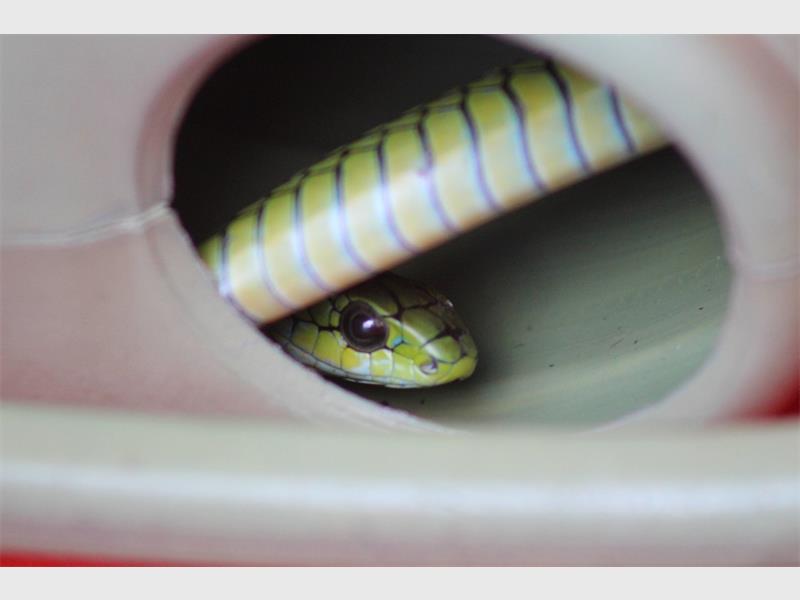
Two years in lockdown included a male boomslang in the laundry that was not happy hiding in a watering can.
The male boomslang in Oribi Mom’s watering can. PHOTO BY HEATHER LIND
May 27, 2022
Has it really been that long? Here are 24 things I’ve come through as I find myself standing in 2022 and feeling grateful to be alive.
#1 Giving birth after standing at the emergency entrance answering COVID questions between contractions.
#2 Renovations – so that we didn’t have four people sleeping in one room anymore.
#3 Sending my child to play school for the first time and hoping it wouldn’t mean bringing COVID home.
#4 A spider bite (while breastfeeding at 2am) that tried to destroy at least two toes over the next ten months.
#5 A riot that sent us into extra lockdown, food rations, night watch, and prayer.
#6 350mm of rain in one week that destroyed roads, cancelled school, and sent giant boulders sliding down into the gorge roads.
#7 A male boomslang in the laundry that was not happy hiding in a watering can.
#8 Two years of cancelled birthday parties.
#9 Several lengthy power failures, including one recent stretch of EIGHT days with two sick children (on the farm, no electricity also means no water).
#10 Two years of missed church services, Sunday School, and face-to-face conversations with our community.
#11 Another pregnancy, but also having to choose a new OB/GYN as my beloved stalwart retired!
#12 A Christmas and New Year’s disaster where a certain virus I am tired of naming scattered the family back into isolation.
#13 At least 20 months without a haircut from a professional.
#14 More than 24 months of missed Mom’s Group teas that used to be a weekly time to catch up and let the children play with friends.
#15 Losing at least one freelance client due to the pandemic, which forced their company to shut down.
#16 Postponing holiday bookings for a third year running.
#17 Two years of masks, sprays, wipes, looks of suspicion, and a widespread fear of coughs and sneezes.
#18 Two years wondering how long coffee-stained teeth and a lost filling can go without dental work.
#19 Four remaining chickens and three bunnies still managing to eat pumpkins flowers, chew welcome mats, poo on the porch, and scratch out flower seedlings whenever they have the chance.
#20 Yet another season of relentless lantana, bugweed, blackjacks, and burrs.
#21 Finally deactivating Facebook, deleting Twitter, and cleaning up diminishing Gmail storage.
#22 Losing three grandparents and friends, and saying goodbye behind a screen.
#23 Two years without weddings, dates, parties, public events, theatre, international travel, movies, or Saturday night braais with friends.
#24 Over two years without a Zest lolly. Only kidding, we would never have survived that! In fact, those sweet frozen treats might be the top reason we moved to the South Coast!
Two Years and the Tide Is Turning
It’s only been 24 months. We can carry on surviving if we need to, but it does feel like there might be a change in the air. There is always hope.
“As I did, I saw the slender scaled body with its classic rhombic kaleidoscope.”
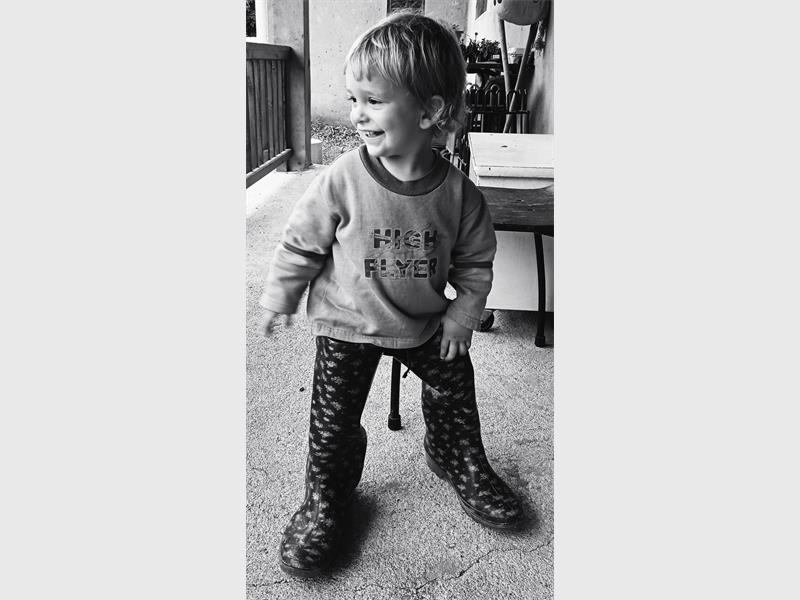
CJ at 18 months in Oribi Mom’s trusty gumboots.
May 2, 2022
It’s been over 18 months since I was bitten by a night adder in our garden. My baby was strapped to my chest, asleep, as I admired the snake lily just pushing up its first glossy leaves from a bare patch of soil. My toddler was standing next to me, chatting away about something that Bob the Builder had done.
I moved my foot and felt a sharp prick that was sore enough to make me jump. I lifted my foot to peer round the side of my baby in the carrier. As I did, I saw the slender scaled body with its classic rhombic kaleidoscope. An indignant adder slithered into the nearby groundcover as it puffed up and down to show its disapproval at being stepped on.
I couldn’t believe it.
But the hole just above my ankle proved that takkies are useless against snakes, even smallish ones.
One Year On and No More Bites
Rhombic night adder, also known as causus rhombeatus. Photo for illustration purposes only. (Wikipedia)
So much has changed, but I still stood in front of this year’s blooms in wonder. As I looked at the bloom in that very spot a year later, I could hear my now one-year-old and his brother playing happily somewhere in the same garden.
The snake lily had sprung its first ever flower, the magnificent paint brush that comes up a few weeks before any leaves start to appear. It was exquisite. The tree it was underneath was finally tall enough for me to stand under. Our home was now a three-room farmhouse instead of the one-room cottage it had been just the year before.
In a way it feels like I’ve run a marathon in that time of transition.
Keep Going – Just One Day at a Time
A slow race to escape a coronavirus. A sprint to ration food as insane riots shut down all safe access to town. A slog uphill through load shedding and another year of cancelled birthday parties. It’s been like holding up an elephant while interval training through a growing sense of isolation.
If there was ever a doubt that digital connections aren’t enough, the pandemic has been living proof. We need face-to-face school, church, and friends. We need someone to call when pain sinks its teeth into our vulnerable moments. It is almost time now to move on.
Who do you call on? Neighbours? Family? God?
There will always be night adders in the garden, but we don’t have to let them take us by surprise. Oh, and we can choose to wear gum boots the next time.
I have two small children, and two fluffy white bunnies hopping about the garden. And snakes.
February 4, 2021
Western Natal green snake. Photo: Heather Lind.
The other day I walked into the nursery to change a nappy and there was another green snake slithering over the baby’s sock drawer.
I had a good look, heart pumping, and phone out to capture a fuzzy photograph for posterity (and Facebook).
Then I closed the door quickly so that it didn’t find its way around the rest of the house.
When we came back with a bucket and tongs, it had disappeared.
Cold-blooded things are amazingly adept at finding hiding places (or escaping rooms the way they came in).
The western Natal green snake, exploring the things in the baby’s room.
It was just a Western Natal Green snake, probably the one that lives in the spiky tree right off the porch. What if it wasn’t, though? Snakes are daily features in Oribi Gorge.
A scorching day brings gorgeous cobalt skies and blows away the rolling mist, but it also beckons to the creatures that keep this ecosystem thriving.
We have all sorts on the doorstep, venomous and harmless, which is why my children wear gumboots in the yard.
The deadliest are the black mambas, boomslang, vine snakes, puff adders, and Mozambique spitting cobras, but there’s a long list for herpers to tick off.
Natal black snakes are common but rarely seen, and night adders seem to find my house the most attractive place on earth – I have been bitten once, and my poor builder twice!
There are also perilous green mambas, though not endemic to Oribi Gorge.
I’ve no idea why someone would put us in that danger, but these ones are dropped here from all your coastal ‘rescues’ to upset the balance of nature (and give this Oribi Mom slithery nightmares).
We live at peace with the vast number of harmless or mildly venomous snakes that keep our rat and frog population in check.
There are feisty and fearless Heralds, lightning-fast grass snakes, and the super green climbers, like the dainty spotted bush snakes with their orange eyes and pretty black spots.
I wasn’t even going to mention the python population as those are ‘safe,’ right? (not in Francistown, Botswana, apparently). I’d rather have the egg-eater that visited our chicken coop – no teeth or venom!
A Wild and Beautiful Life With Snakes on the Farm
I have two small children, and two fluffy white bunnies hopping about the garden.
Many people are horrified by our close encounters, like the huge baboon spider in the bathroom, harmless but hairy.
For two days, it kept watch over the toilet paper, which lay unused until he moved off.
Scorpions abound, but most are harmless to humans, though the sting is like fire.
This is Africa, but not always that wildness we associate with Jock of the Bushveld characters. It’s also home.
Perhaps, this is how we are meant to live – a bit of healthy awareness never hurt anyone who walked closely with the living things of the earth.
So far, it’s working for us, even when lines are crossed by cheeky green snakes in my baby’s room.
Life doesn’t stop. You can’t hug your friends for a while, but you can text, call, video call and tag them.
January 7, 2021
Some of us have got stuck, but the road to recovery beckons as the sun rises on 2021. Photo: Pixabay.
If you are still trying to get through your toilet paper stash before 2025, there is something else you might be ready to consider while you wait for the tide to go out.
Things Haven’t Changed
For some of us, the new year has been a huge dent in a grand wall of expectation. We sent out good wishes and then, BOOM, one million COVID reasons to hide back inside our burrows.
Do you know what hasn’t changed, Mzansi? Desperate situations. Our people are still poor, hurting, and disillusioned. NGOs are still working in suffering communities. Domestic violence has escalated with stress and financial uncertainty.
Sickness and childbirth is now accompanied by anxiety about whether a bed will be offered in overburdened medical establishments.
A second wave of Covid-19 is also a reminder of missing billions, floundering leadership, and much grief.
Things Have Changed
Do you know what has changed in this second wave of death, though? We are now survivors.
Post-coronavirus society knows that there is light on the other side of our blacked-out social calendars. We know that alongside the flashing red death toll is a merciful recovery figure, a shining testament of how many people have walked through the valley and emerged mostly intact.
If you want to “speak life,” it’s time to start moving toward better things. You can’t hug your friends for a while, but you can text, call, video call and tag them. You can’t take your grandparents chocolates or cake, but you can bombard them and their caregivers with videos of your children and emails to be read aloud to them (like the “old school” letters they loved).
Give money to the causes that move you to compassion, and click to share their posts far and wide. Open your heart and your wallet again – the needs are still there even if your mask has obscured your view for the last few months.
You can’t date freely or party into the night, but you can maintain friendships, encourage your neighbours when you see each other, and intentionally support local entrepreneurs.
You can’t eat out much, but you can buy vouchers to keep your favourite establishments afloat. You can support free meal programs and fill up the formula coffers of the many baby places of safety that are on the edge of collapse.
There’s More to Life
If you’re jobless now, you have time to clear out clutter and donate to those less fortunate than yourself (they exist, I promise you).
If you’re anxious, you can offer compassion and words of affirmation to those you love to help you focus on life, not the struggle.
Read books, read scripture, exercise, and use the time well.
South Africa, the second wave is an opportunity to start living again. It is a new world but we still have values and connections as old as time. Don’t waste your life.
“Life is precarious, and life is precious. Don’t presume you will have it tomorrow, and don’t waste it today.” – John Piper
What are pregnant mamas wondering about right now? Everything. They’re wondering about everything.
April 19, 2020
Covid-19 has thrown me a curveball in my second pregnancy. I’m due May 15, 2020, which might or might not be during a nationwide South African lockdown as coronavirus pummels the entire world.
In a time where there should have been the normal pregnant mom ups and downs between joy, hope, and normal baby-related questions, I’m no longer thinking about the pram, the car seat, the clothes, the family pictures, and whether an epidural is worth it.
In my first pregnancy, I was anxious, too. Was the next scan going to show abnormalities? Was that cramp normal? Did I choose the right hospital? Would I know when it was time, or would I end up having the baby in the car? How do you change a nappy on such a tiny human? Will modern cloth nappies save the world? (They will.)
Pregnant Oribi mom with son Cooper. Her second child is due soon.
I had the same worries as any new mother. Would I be able to breastfeed? Would sleep deprivation turn me into a dragon or a basket case?
Disclaimer: If you ask my husband, he’ll never admit to the fact that the sleep deprivation did, in fact, turn me into a basket case for those first few weeks. It will pass, moms and dads. Two-and-a-half years in, I’m back to normal [side-eyes husband].
IT WENT WRONG
My pregnancy started well, much like the first, but something happened between the mid-March appointment and the mid-April appointment. It was a cataclysm that went from a problem in a country on the other side of the planet, to an invisible threat that made me think twice about visiting my own mother.
My thoughts shifted from ‘normal’ pregnant mom questions to survival mode.
Wouldn’t missing an appointment be better than risking exposure at the doctor’s offices? Would my husband, my rock, be allowed into the room with me while I was writhing in pain to bring a new life into the world? Would they whisk my baby away to be sterilised and sanitised and hidden from visitors who would only meet it at six months old?
Panic.
Homebirth pros and cons.
Possible lockdown scenarios as we chatted in mid-March.
What do we do with our toddler? Do we leave him with his grandparents, who are ‘high-risk’ when we don’t know whether a delivery man could (quite possibly) pass it to my husband who could pass it to my son who might be asymptomatic?
Plan B? I go to the hospital ALONE, give birth ALONE, handle complications or last-minute decisions without my partner, and share my joy over WhatsApp if I’m in a state to do so only many hours later (I’m not going to be messaging anyone when I’m breathing through contractions twenty seconds apart, now am I?)
Then lockdown happened. Then extended lockdown happened.
My April appointment at 36 weeks was a hurry-and-don’t-touch-the-door-handles experience. My mask was uncomfortably hot. My husband stayed in the parking lot, missing his first scan in two pregnancies. I tried not to look afraid, and to pretend that I didn’t wish I’d brought some sanitizer into the appointment with me, just in case. I still don’t know if I should’ve intentionally missed the appointment and stayed home until my labour pains brought me out of hiding sometime in the next month. Probably not.
ANSWERS FOR BEING PREGNANT IN COVID-19 LOCKDOWN
In the time of pandemics, the goalposts change slightly, but the health of mother and baby is still the priority. It might feel a little different, and we’re all doing it for the first time, even the doctors and nurses who are trying their best to keep you safe and uninfected.
Here’s what you need to know (from what I have been able to gather, and please understand it’s not an exact and definitive list) about the lockdown, and after lockdown, as you tackle this blessed journey with the courage your mother and grandmother have always told you about:
Most South African hospitals are not allowing ANY visitors, especially during the official lockdown period. Some are allowing partners to come into the birthing room, but not allowing them back in once they leave (ONE entry only).
Most hospitals have a strict entry policy for both your appointments and your birth. It includes screening (they ask you questions, take your temperature, insist on you wearing a mask, and escort you to where you are headed on the premises).
Your hospital MAY have Covid-19 patients. As South Africa faces the spread of the pandemic in the next few months, however slow, this is going to be a reality. These patients will be kept away from the maternity sections, and precautions will be taken, but you will have to face the coronavirus at some point.
DURING LOCKDOWN YOU PROBABLY WON’T BE ABLE TO (AND PROBABLY SHOULDN’T, ANYWAY):
Organise a baby shower
Take a professional pregnancy or newborn photo shoot with your family
Attend antenatal classes in person
Register your baby with Home Affairs
Find the baby immunisations easily (especially if you are trying to avoid medical facilities until the virus settles down)
Receive hospital visitors
LIFE AFTER COVID-19
The situation is likely to continue after lockdown, even if the regulations lift. Medical establishments are still going to take precautions (for our sake!) and require stricter rules. Ask questions, and don’t bite the hospital staff’s head off when they tell you something you weren’t expecting to hear. We’re in this together, South Africa.
After lockdown, you may be able to resume some regular activities, but you will still need to be careful about exposing yourself and your little one to the outside world while the virus is still circulating. Prepare for months of self-isolation at best if we are to learn from the countries who have gone through this before us.
Life after Covid-19 exists. You’re pregnant. You will carry and birth a child into a whole new world with a new appreciation for the sanctity and beauty of life. It’s a universe where dedicated South African school teachers are posting AMAZING BLOOPER VIDEOS, and people like Henry Cock are running 90km up and down their passage to help get 86 staff through the downturn.


 PHOTO BY PIXABAY
 Mammal watching fun.
 Sunset at the Tip of Borneo. PHOTO BY HEATHER LIND
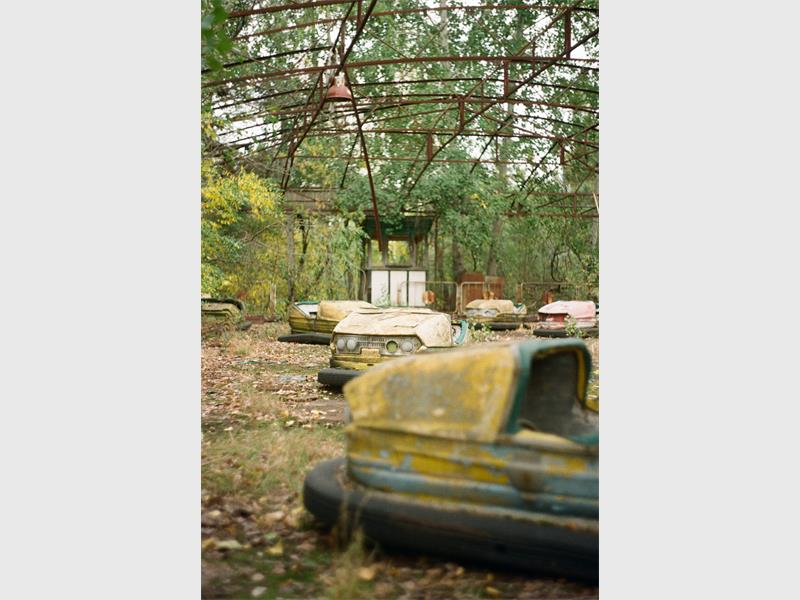 PHOTO: Unsplash
 PHOTO BY PIXABAY
 The male boomslang in Oribi Mom’s watering can. PHOTO BY HEATHER LIND
 CJ at 18 months in Oribi Mom’s trusty gumboots.
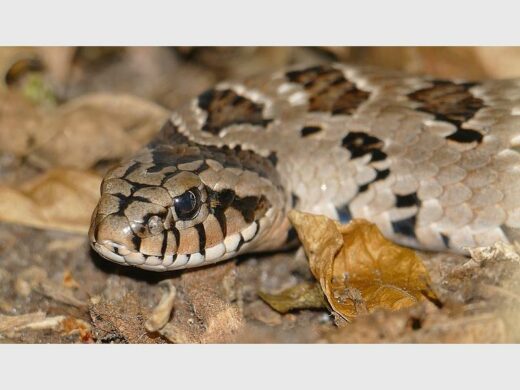 Rhombic night adder, also known as causus rhombeatus. Photo for illustration purposes only. (Wikipedia)
 The western Natal green snake, exploring the things in the baby’s room.