25 January 2014
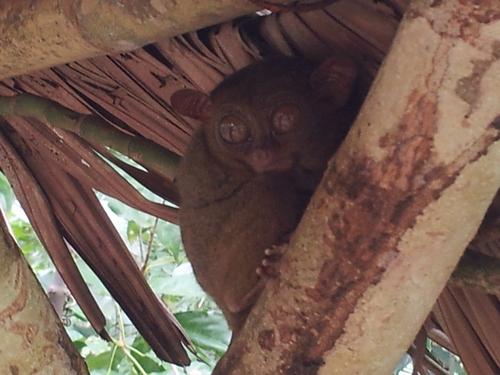
Big round eyes, sticky little toes, ruffled brown fur and strange pointy ears was my first glimpse of the tarsier, a tiny creature that I have been dying to see since starting our travels in South East Asia. Nocturnal by nature, the tarsiers are sleepy during the day and these mostly insectivorous primates spend the daylight hours fast asleep. At night, it is a completely different story with jumping, shrieking and feasting on whatever they can find.
The Philippine Tarsiers, like their cousins the Western Tarsiers, are the cutest, tiniest, weirdest-looking animals ever! Tarsiers are only found in South East Asia and are critically endangered.
Bohol island in the Philippines is home to some of the only Philippine tarsiers left in the world and there are conservation efforts happening on the island to increase the dwindling numbers of this lovely little creature. Many of those animals kept at the conservation centres have been rescued from illegal trade and can never survive again in the wild. Others have been successfully bred through carefully guarded breeding programmes and then successfully released into their natural habitat.
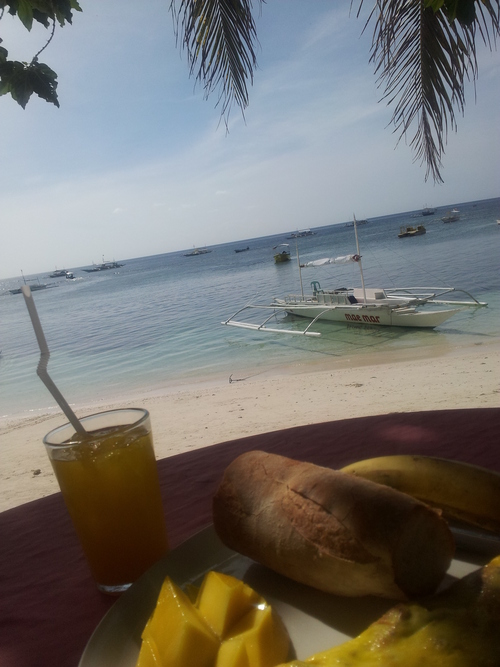
Travelinds was forced to visit the Carmen Tarsier Sanctuary (in Loboc) instead of the Corella sanctuary which I’d read so much about, because the road had been severely damaged by the October 2013 earthquake and made it impossible to get to Corella from where we were staying in Panglao, Alona Beach. It was great to finally meet these amazing little monkeys, but I felt guilty once again that captivity is no place for wild creatures. Even though I so badly wanted to see one of these animals, I would still have preferred to see one at a far distance knowing it was free and wild!




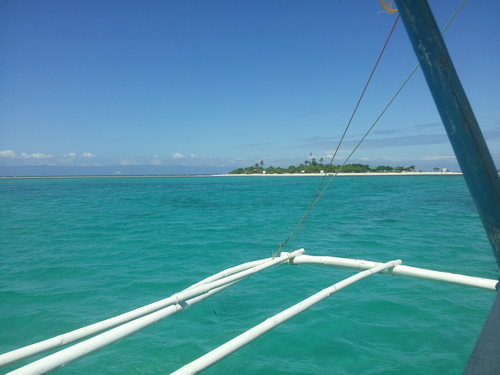

 The lodge we booked was called Nova Beach Resort (Nova Beach Club) and it is situated on Tawala beach. As H was sick with flu for a few days, it was the perfect place to relax, swim, read and sleep. There are hammocks overlooking the ocean, a deserted sandy beach, plenty of comfortable couch space with a view and air-conditioned rooms for muggy nights. We slept, ate and relaxed here (and recovered from flu) and by the end of the week were feeling more than ready to take on our forthcoming five week travelling vacation.
 If you want a night out or a change of scenery, you can get to Alona beach by tuk-tuk, motorbike, the shuttle van or even walking (if you’re fit and don’t mind sweating A LOT). These charged anywhere between 40 pesos and 300 pesos depending on your bargaining skills. When we changed hotels at the end of the week, we took our bags (we usually only travel with hand luggage) and each hopped on to the back of a motorbike – it was cheaper, and faster than taking the trike.