Oribi Mom: Still Lots To Look At During the Winter in Oribi Gorge

“Each season brings something to appreciate in Oribi Gorge.”

A bat flew out of a bush today, right by my head. I thought it was a bird because it was about the size of a firefinch, but it had those distinctive zigzag wings and was flying around in circles for a while. It reminded me that it was nearly time to go inside. I’d been hacking the garden.

There’s this insane vine that just decided to grow on top of my rambling rose and then, because I left it for so long, it just basically took over every single thing it could grow over, including the long grass.

Well, I’m no longer pregnant and my baby is giving me more free minutes in the afternoon, so I’ve hacked it. But it’s even grown pods, so I’ll have to hack its progeny next year, too. I shouldn’t have left it so long.

Winter in Oribi Gorge Is Still So Beautiful

Winter is a beautiful time here, with aloes in full flower and lots of clearing on the go. We chop hedges and clear out half-dead weeds. It is not so scary in winter because the snakes are much less active.

I still look closely into every pile of leaves or bush I put my hand into, though. Puffies won’t move until I’m right next to them. Large mambas curl up tight. And boomslang females look just like the leafless branches you’re cutting back or pulling off the tree.

I was spraying one of the dirty windows the other day when I happened to look up a little higher to see a very large spider dangling just above my face. Some sort of orb spider, I think. Very pretty. And terrifying when it’s almost as big as your face and within a ruler’s length from your nose.

Thankfully, it was scrambling up toward the roof on its silky thread at that point. I don’t mind orb spiders eating the insects trying to get in my window. It’s much safer than the hundreds of brown button spiders you have to watch for on pot plants, the lemon tree, and under wooden tables and chairs.

Warm Winters Are a Bonus on the South Coast, Aren’t They?

Winter thins these things out to make room. But I’m still glad I’m living in one of the warmest places in South Africa. The cold is not for me.

The bats are also confused it seems. This one came out at 16:30 because the sun had dropped below our hills already. At least that means the eagle owls are sometimes on our garage roof by about 18:30 these days.

Each season brings something to appreciate in Oribi Gorge.

Published here.

Oribi Mom: Family Menagerie Might Not Be Done Yet

“Our little farm seems to be becoming a haven for these beautiful creatures.”

It seems like an awfully long time ago that we had chickens and rabbits in the garden. That season was such a sweet time, watching the boys grow up with pecking, cackling hens, collecting eggs, and then cuddling sweet white rabbits whenever they could catch them.
The baby rabbits were really adorable; fluffy and soft and warm.

But the mamba these pets attracted wasn’t adorable. And we didn’t venture to replace the pets after the season had reached a natural end. Recently, though, we were very happy to add Marley, I mean Ranger, to our family. He has slotted right in like he’d always belonged here. He’s brought such laughter and antics to every day spent with his beloved farm boys.

He lets the youngest climb on him and pull his floppy lips, so patient and gentle as he helps us teach them the meaning of ‘gentle’ in such practical ways. He entertains the three year old, playing with toys and running together in the garden. And he’s a great watch dog too, even letting us know when the eagle owls have come to play with the lawn crickets at night.

So, of course, when another person was moving overseas and looking for a home for their two snoops, they came to us, too. And since we’re already taking care of Ranger and he’s taking care of us, it seemed only natural to say yes without hesitation. Hopefully, it’s a great decision. We’ll let our Ranger decide when his two new companions arrive soon.

Do you need a home for your beautiful aging Labrador? Our little farm seems to be becoming a haven for these beautiful creatures. And we wouldn’t have it any other way.

Published here.

Oribi Mom: Not so secret visitors feasting in the macadamias

They’re fighting against crazy odds to survive as their natural habitat gets smaller.

July 15, 2023

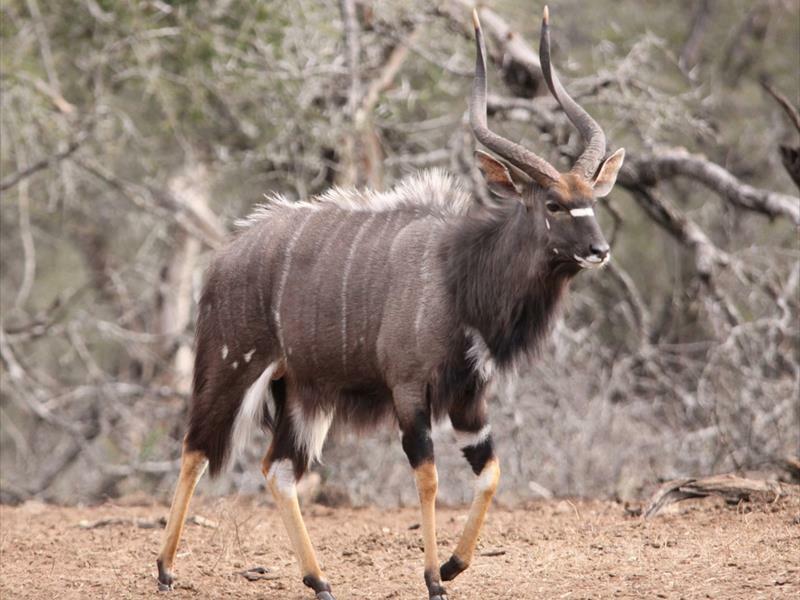
It’s the third day in a row I’ve seen them. Three shining hazel-coloured coats with white stripes dazzling in the morning sun. They stand there in the macadamia grove, hoping we won’t see them.

Maybe if they stand dead still, we’ll pass by quickly. But they forget that their flopsy, large ears flick away the bugs all the time. And the shape of them stands out very clearly against the backdrop of natural forest that drops off sharply below them.

Somehow, they find their way up through the cliffs and forest and steep gorge slopes. They follow paths the rest of us might not even recognise as throughways, pushing past thick bush and sharp prickles and over loose rocks to get to where they’re going. They’re brazen about chomping baby mac trees, but how can they pass on such succulent treats? They’re planted neatly in rows and cleared of long grass. It’s like a smorgas board as winter dries up the natural vegetation a little in the valley below.

Longtime Residents of Oribi Gorge and Other Wild Places

Nyalas are, by far, our most beautiful natural antelope here. The bulls have the most impressive curling horns with bright orange legs sticking out beneath the dark, hairy coats.

The males are called bulls because their impressive size competes with eland and kudu and all these much larger animals. But the dainty females are called ewes, not cows. They’re not big enough to classify in the upper category like their male counterparts. At least, that’s what the game rangers have told me on trips up to Hluhluwe.

Lessons From Antelope? I’ll Take Them

Even if that’s a tall tale, I’m entranced to have these beautiful nyalas right here at home. They’re just a stone’s throw away from me, a human female who needs regular reminders that how others classify me is no concern of mine. It shouldn’t be, anyway.

These ewes-not-cows are still incredibly beautiful. They’re good mommies to the baby nyalas we see every season. And they’re fighting against crazy odds to survive as their natural habitat gets smaller and smaller thanks to development, mines, and yes, farming.

So, they can nibble our mac trees (Sssh, don’t tell the farmers!) if it means I can still watch them. Let them shining in the sunshine in fifty years’ time with the oribis, duikers, warthogs, reedbuck, and everything else.

Published here.

Oribi Mom: Shifting Seasons (South Coast Herald Lifestyle Column)

What a gift it is to be able to pass the winters in such rich company.

July 4, 2023

There’s a definite shift as autumn fades on the South Coast. The grass starts turning brown, even with these strange storms every now and then that give it a boost of green for a few extra days.

When we look out over the valley to the opposite slope, the brown is obvious between the evergreen pines. But when you look at the canopy of the indigenous forest just below the house, it still looks as green as mid-summer.

Different Seasons, Different Visitors

But the stickiness in the air is gone now. And there are very different sorts of birds around the garden. The scarlet firefinches come out to hop over the short grass and through the thickets.

The toppies pair off and make a racket in the berry trees, competing with the clumsy mousebirds for the fruit. Even the Crowned Hornbills fly up from the bottom of the valley daily now.

The hornbills’ orange beaks glimmer in the sunshine as they noisily flit from tree to tree. They always look like they’re going to fall out of the sky and then pump their wings to lift their bodies again and again. It’s a very awkward flying style, and easy to identify if you can only see a silhouette against the glare. They’ve got quite a melodic sound compared to the screeching Trumpeter Hornbills, too.

So Much Colour and Life in Oribi Gorge in Winter

The Greater Double-collared Sunbirds are also fluttering about chasing off rivals so that they can sample the aloes in peace. The orioles are wonderfully vocal, too. They flash bright yellow with black heads, zipping right over our house as they disappear back to the safety of the forest in the late afternoon.

The kingfisher’s turquoise, the Amethyst Sunbird’s black, and the tinkerbird’s red dot are also daily gems. With all the colours, we rarely notice the brown grass or the dusty roads. What a gift it is to be able to pass the winters in such rich company.

Published here.